It’s Teacher Feature Thursday!
This week we are featuring Meg McDonald, Katie Heimsath, and Laura Bonilla in the toddler Dragonfly classroom. Their class was showing interest in animals and food so they decided to learn about how food comes from the farm to their table. I joined their class for a special visit with the head chef at the National Museum of American History. Below you will find a reflection from Meg, Katie, and Laura and images from their visit.

What were your topics of exploration? Why did you choose them? Where did they come from?
Our unit was on food; we talked about different kinds of food and the different places that it came from. The children were familiar with lots of fruits and vegetables, so this was a great way to reinforce that knowledge while integrating and exploring the places we get our food from, like a farm, a store or a kitchen.
Why and how did you choose the visit?
We chose to visit the kitchens at American History to show an example of a type of kitchen. As an added bonus, we knew that Chef William would make a pizza for us! Our class loves pizza.
What were your learning objectives? (What did you want your children to take away from the lesson?)
Visiting the kitchens at the Museum of American History was a fantastic real life example of where we can get our food. Our class is familiar with their kitchens at home and the kitchen at our school, but we thought it would be an exciting experience to see a bigger kitchen with a walk-in refrigerator, a huge stove, and a pizza oven. They were able to see familiar objects in a different context and larger scale. We were also able to take a short peek at the chefs making our pizza. We hoped the children would walk away seeing a new example of where food comes from.
What was most successful about your lesson? How did the lesson reach your objectives to expand the topic? What was successful in terms of your preparation and logistics?
The walk-in refrigerator was a huge hit. The previous Monday we had hands on exploration of lots of vegetables which our Dragonflies immediately recognized in the refrigerator.
In terms of logistics and preparation, the visit went very smoothly. Our class was eager and excited and had a great time. Chef William was a great host and was very flexible and amenable to having such a young audience in the kitchens.
What could you have done differently to better achieve your objectives and expand the topic? What was challenging regarding logistics? What recommendations would you have for another teacher trying out this lesson?
Our class absolutely loved seeing a new and exciting space. This may have been our downfall though, as the connection to our lunch may have been lost. There was just so much to see! In the future, we could have made the visit focus on something a little more specific, like the pizza oven.
Here are a few images from their unit on farm to table: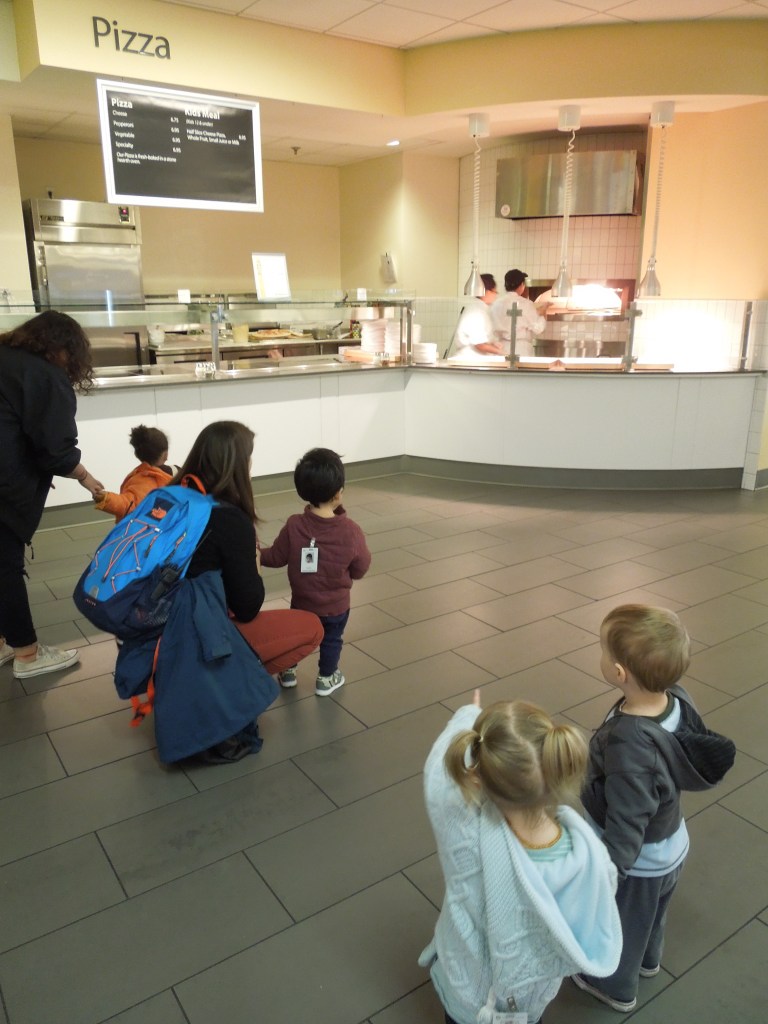 As a way to conclude their unit and talk about food once it reaches a kitchen, the team thought it would be great to meet with a chef and who better than the chef in charge of the food at the American History Museum. The head chef very graciously offered to show the group around their kitchen to see where they serve and prepare the food for all the people in the museum.
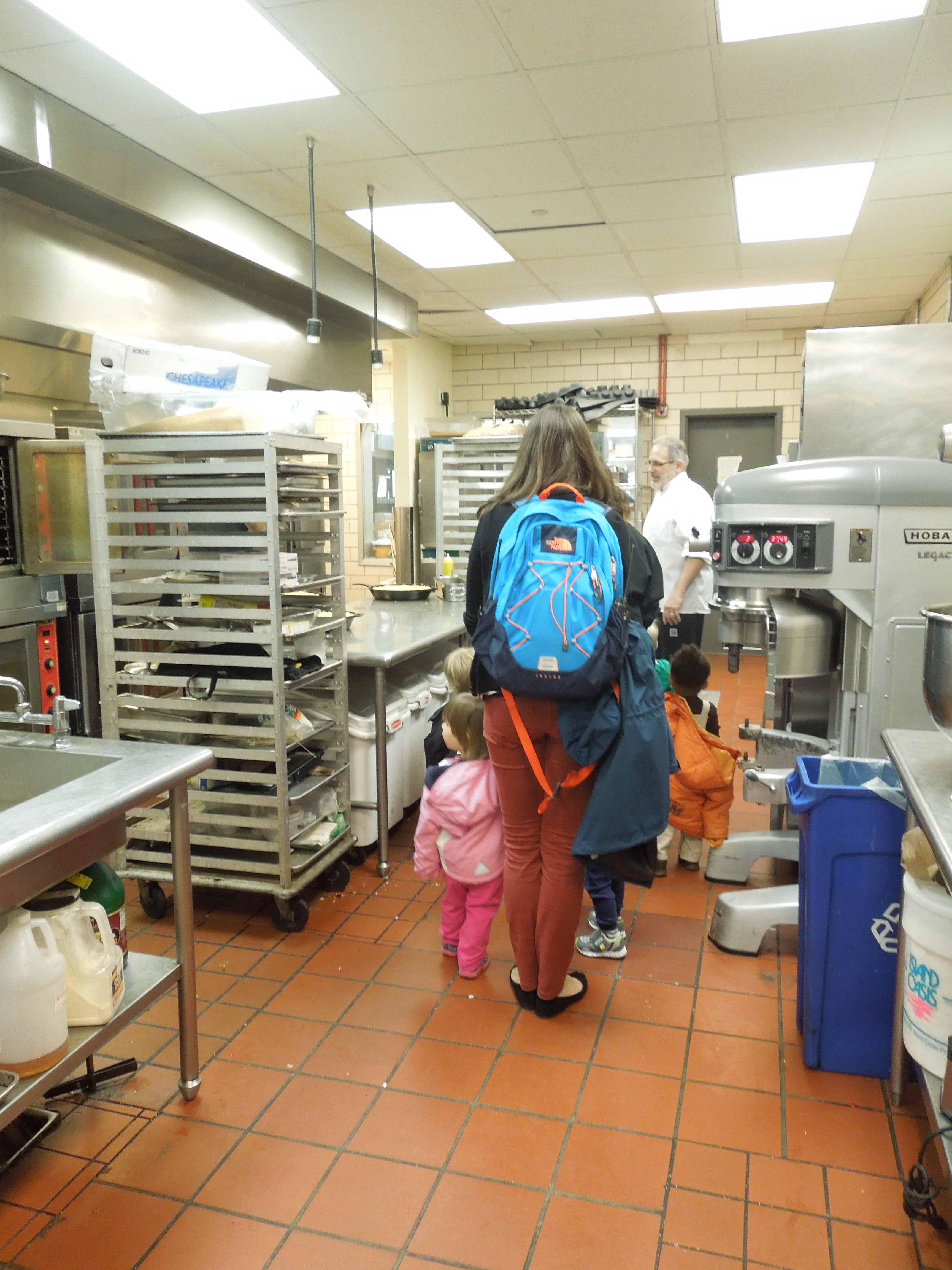 The chef began by showing the group the MANY ovens, huge stand mixers, and all the chefs that it takes to prepare the food.
 The children loved seeing the huge ice machines.
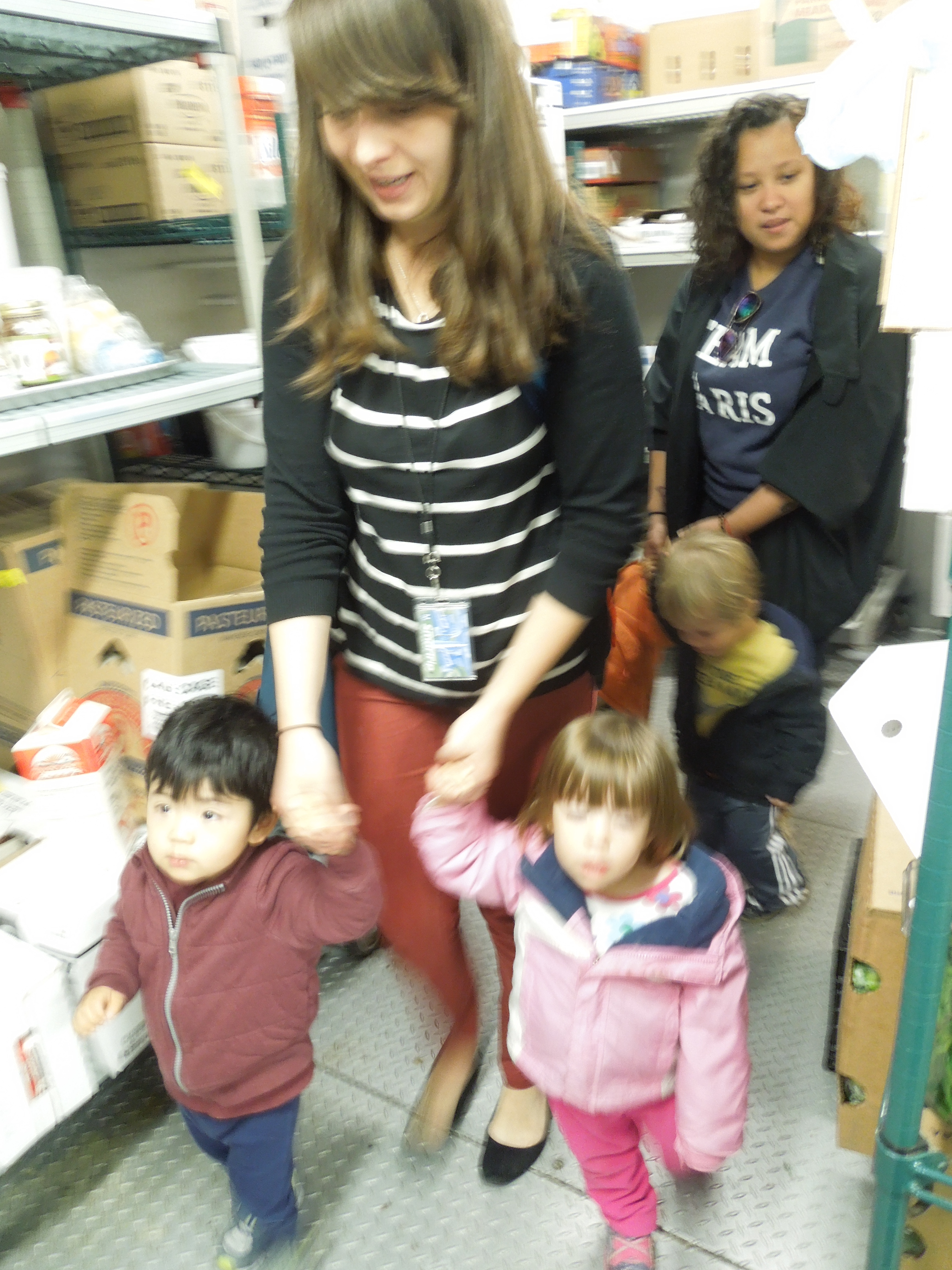 The chef explained to the children that they use a huge refrigerator to help store and keep the food fresh until they can prepare it to serve to the visitors.
 After the tour and seeing the different ingredients needed to make a meal, the chef prepared some food for the children to sample. A perfect ending and a great way to connect the American History Museum’s great big kitchen to the familiar experience of eating pizza.
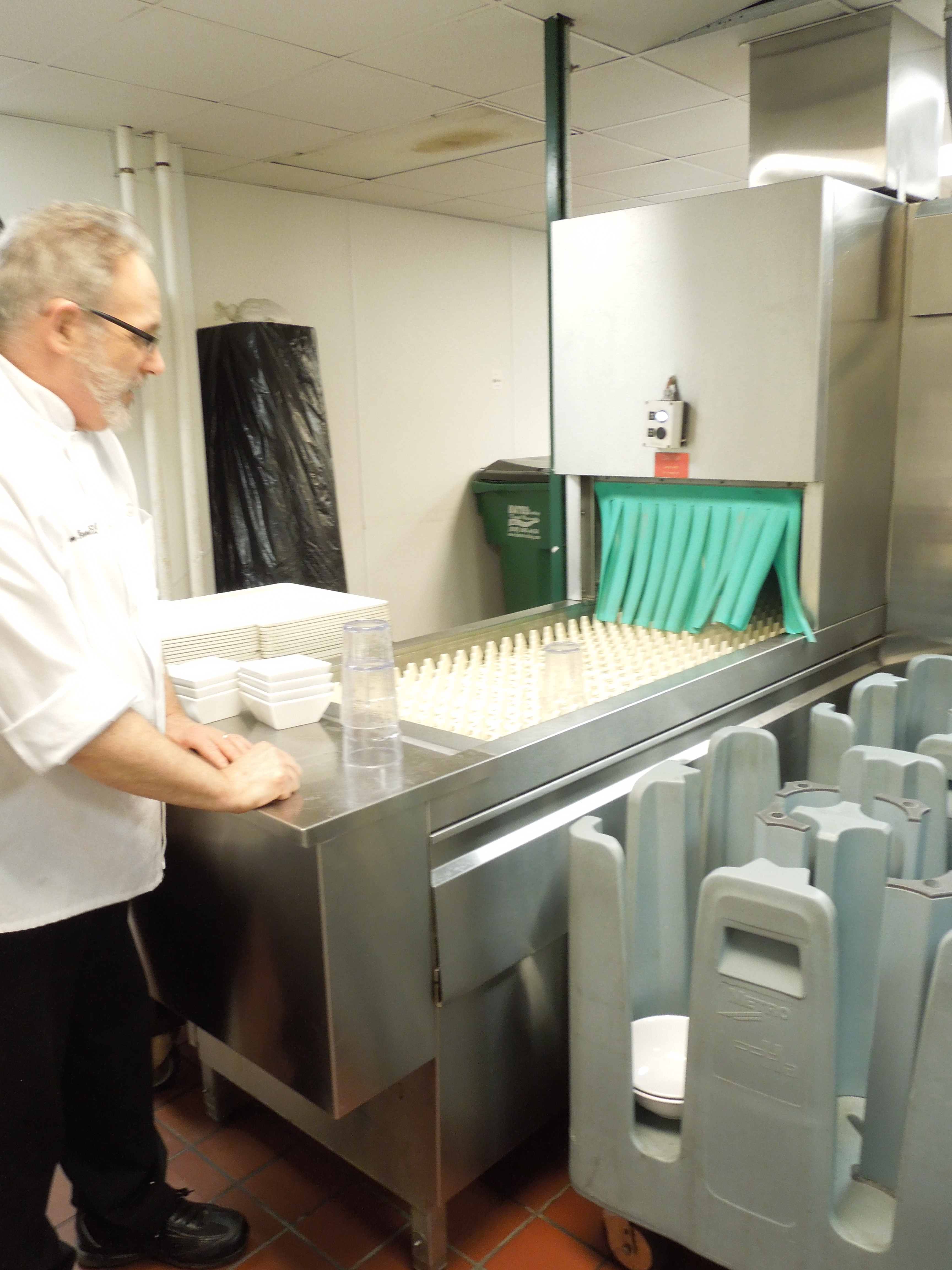
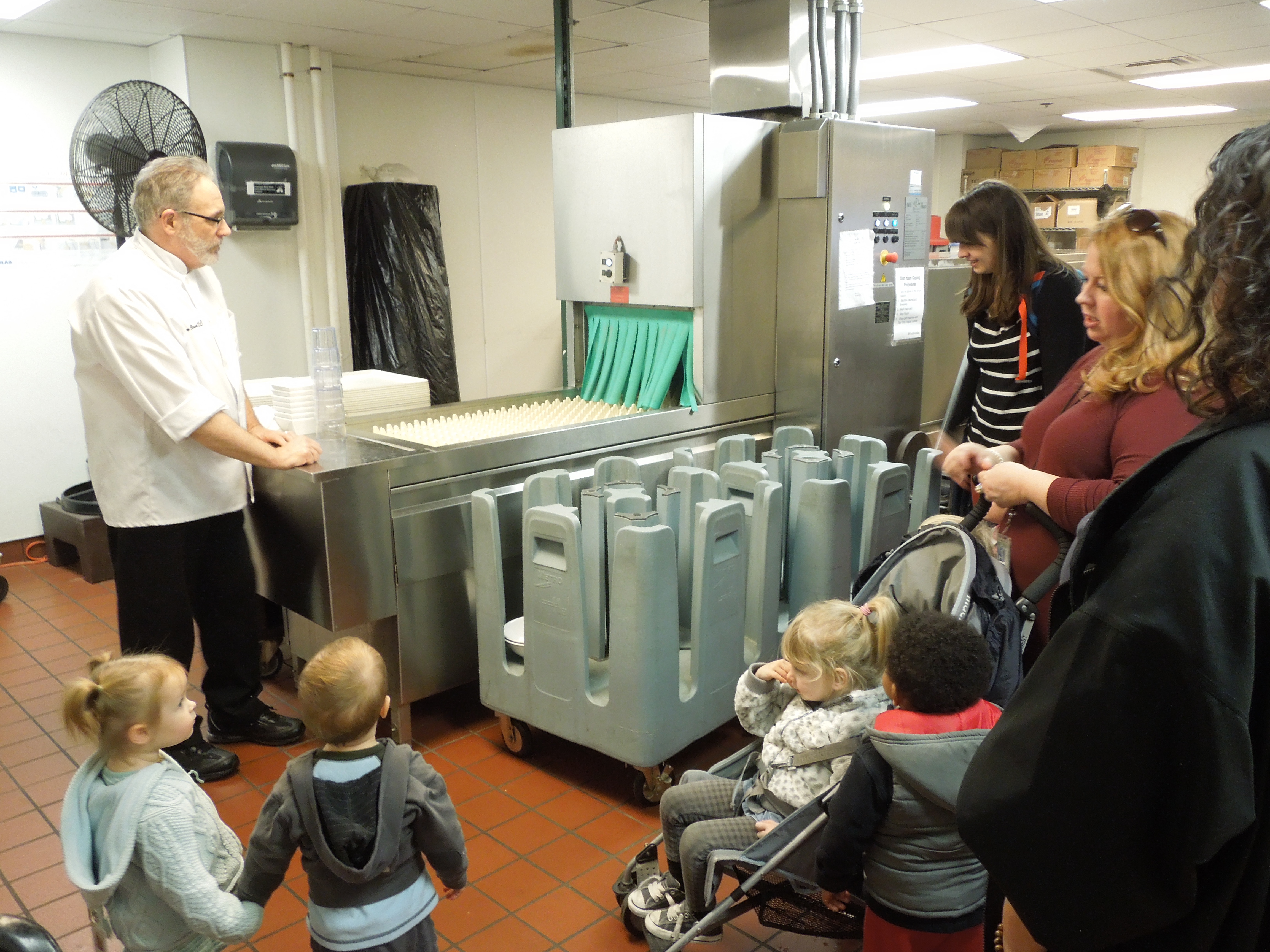 The last stop was a visit to the kitchen’s industrial dishwasher, so the children could observe how their dishes are cleaned after they are used. Each child had a turn putting a cup on the conveyor belt. They were so excited to watch their cup come out the other side!
As Meg, Katie, and Laura finished up their unit on farm to table, the children gained plenty of great ideas about food preparation in all different types of kitchens. Check out our Facebook, Twitter, Instagram, and Pinterest for more ideas from their unit on farm to table! See you in two weeks with our next Teacher Feature!



 Since the class was already learning about the Arctic, Carolyn began her lesson by selecting a book from their classroom. That way the children could make a quick connection to their topic of study and the exploration Carolyn would be introducing.
 Carolyn introduced the group to Andy Goldsworthy by showing them images of his ice sculptures. She explained that Andy makes things out of things found in nature and the class took a few minutes to think of some things that he might like to create with. Carolyn then went on to explain that unfortunately Andy’s sculptures do not last forever so he takes pictures of his art so that lots of people can see it and record his project.
 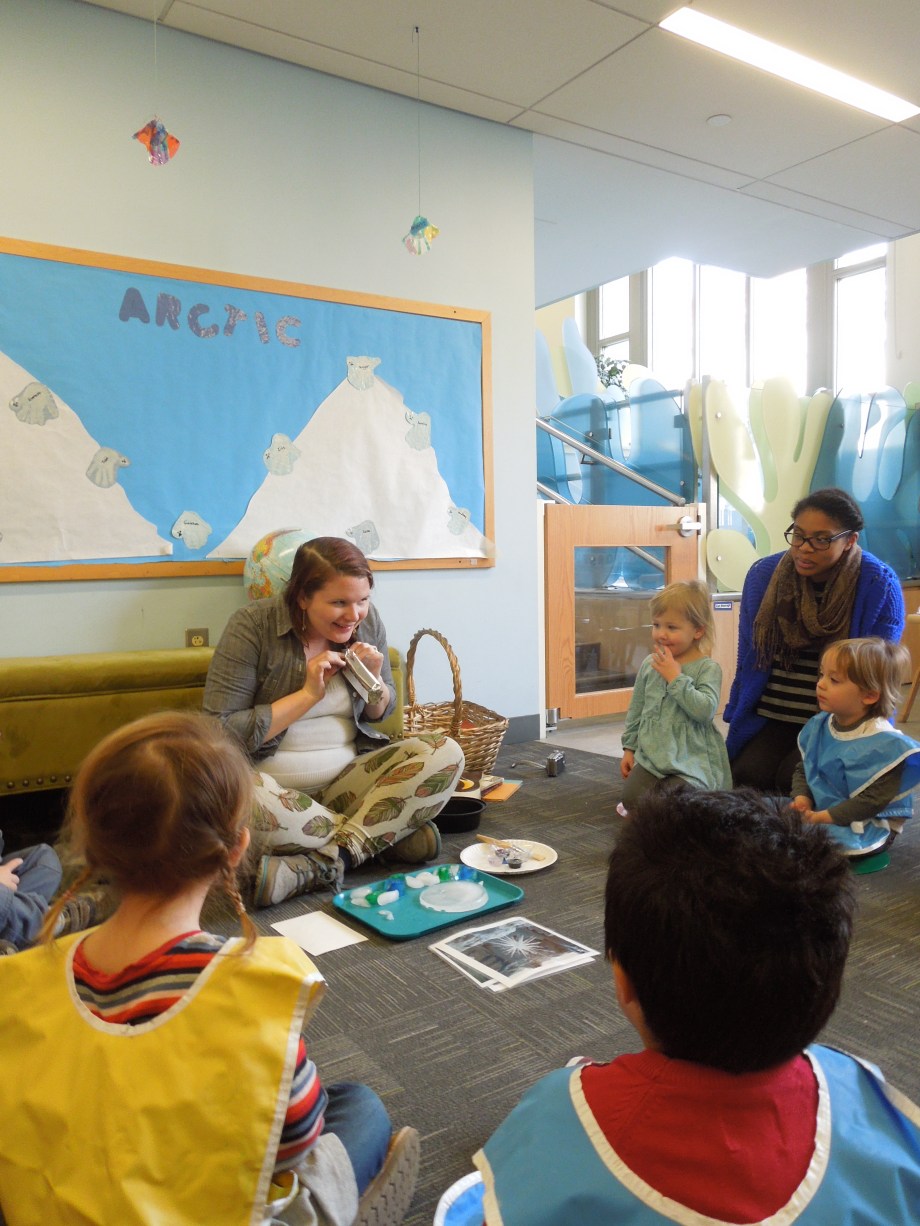 After learning about Andy, Carolyn said that today they were going to make their own ice sculptures. She also bought a small disposable camera for the group to use to photograph their own ice sculptures.
 Carolyn cut egg cartons to use as liquid water color containers!
 Each child was provided with a tray of ice, paint ice cubes and a paint brush. They were encouraged to paint with the liquid water colors and build with the ice cubes.

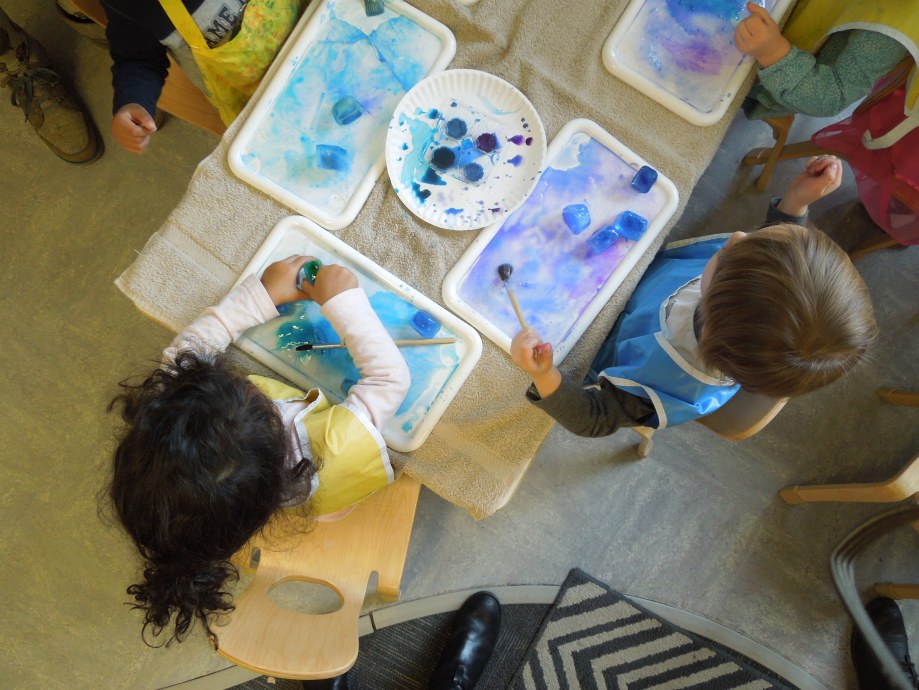 As you can see, this project was a huge hit! The children spent nearly 30 min on their project.

 seecstories.com