Object of the Month: Rocks Gallery at the National Museum of Natural History

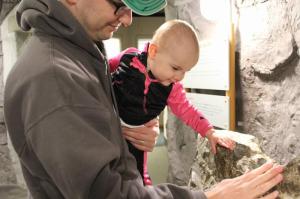
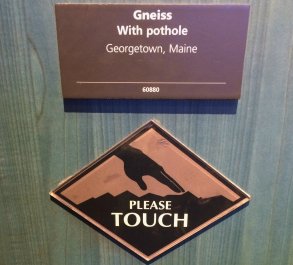
img_2453Our inaugural Object of the Month is actually not so much an object, but a gallery. The Rocks Gallery in the National Museum of Natural History is tucked at the back of the Janet Annenber Hooker Hall of Geology, Gems, and Minerals. Recently renovated, this gallery is great because it is often a little quieter than the adjacent galleries, objects are at varying heights, there is space to move, and most importantly, you can touch the objects.

Twos and Under

6a71b096-fffc-432e-85be-f1af5f353a50

This gallery is an ideal space for infants and toddlers – it provides them with the chance to explore different textures and build vocabulary. With all of the touchable rocks, you can walk around the gallery feeling things that are hard, bumpy, and smooth. Don’t limit yourself to what is in the gallery though, consider bringing a stuffed animal or a favorite blanket to juxtapose them with the hard rocks. Each time you touch a rock, consider singing a song or rhyme that uses the vocabulary to describe it. While in the gallery, stop and read a touch-and-feel book. Extend the visit outdoors by collecting rocks and saving them in a clear container so their collection is a visible reminder of their experience. Return to the gallery again and again noticing different physical characteristics of the rocks like color and size.

img_2451

Preschoolers

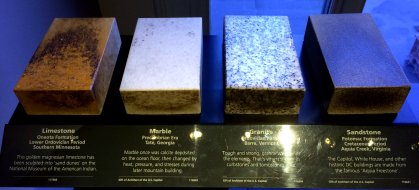
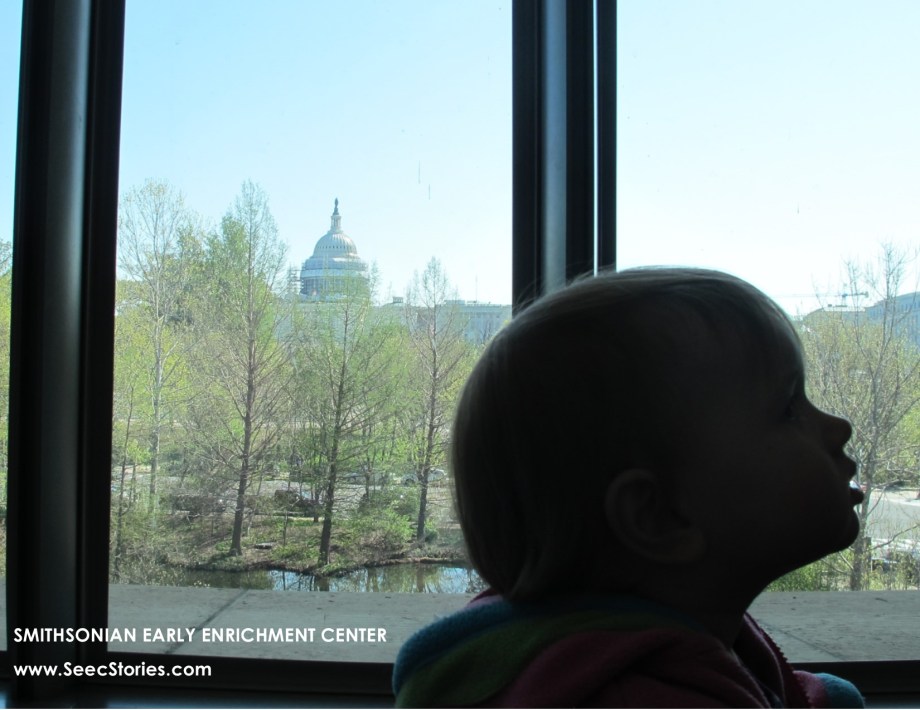
At the back of the gallery is a window that looks out towards the Capitol.  On the ledge of the window stands a selection of rocks that were used in making important buildings around Washington, D.C. You can touch all of these materials, so a great place to begin is by inviting preschoolers to observe by looking closely and touching. Ask them questions about what they notice or how the rocks are the same or different. You might even want to write their answers down and make a chart of their observations. If it is just you and your child – do the same by adding your own observations or that of a sibling.

After exploring the materials, you could reading The Three Little Pigs and think about how different materials make for stronger buildings. Bring in some straw, wood, and bricks and compare it to the rock in the galleries. Another approach would be to match the materials with the DC buildings by sharing photos or discuss explore how rocks are taken from the ground in places called quarries.  After leaving museums you could look for rocks embedded in the ground, pick up a collection of rocks to create your own home, or visit some of the buildings referenced in the exhibit.

This is just a small taste of what a parent or educator can do with this gallery. Have other ideas, please share them with us and the rest of our community.

Teacher Feature: Infant Class Explores Gardening

It’s Teacher Feature Thursday!

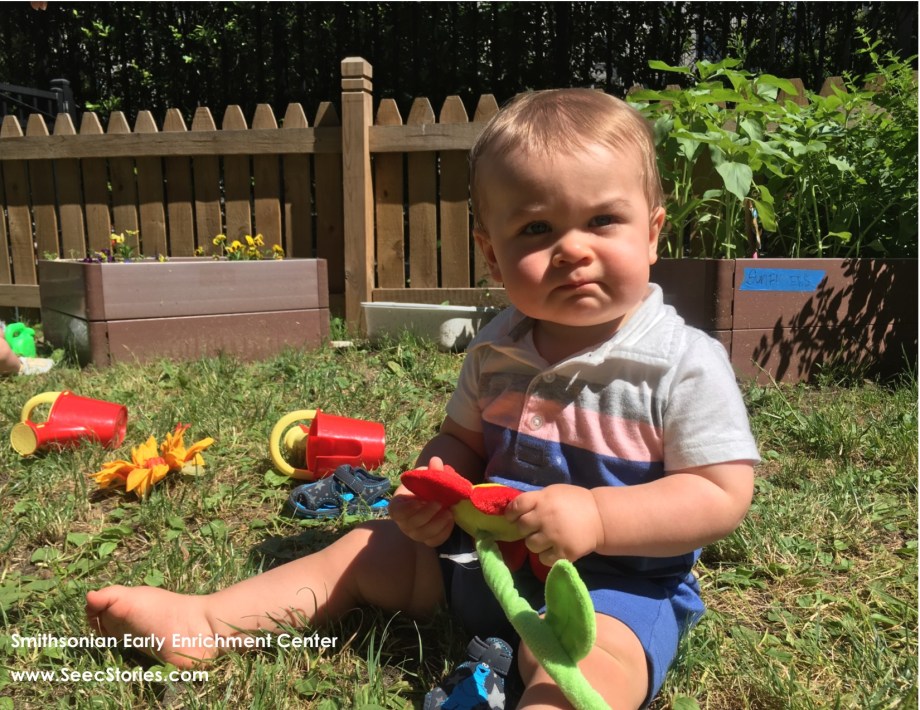
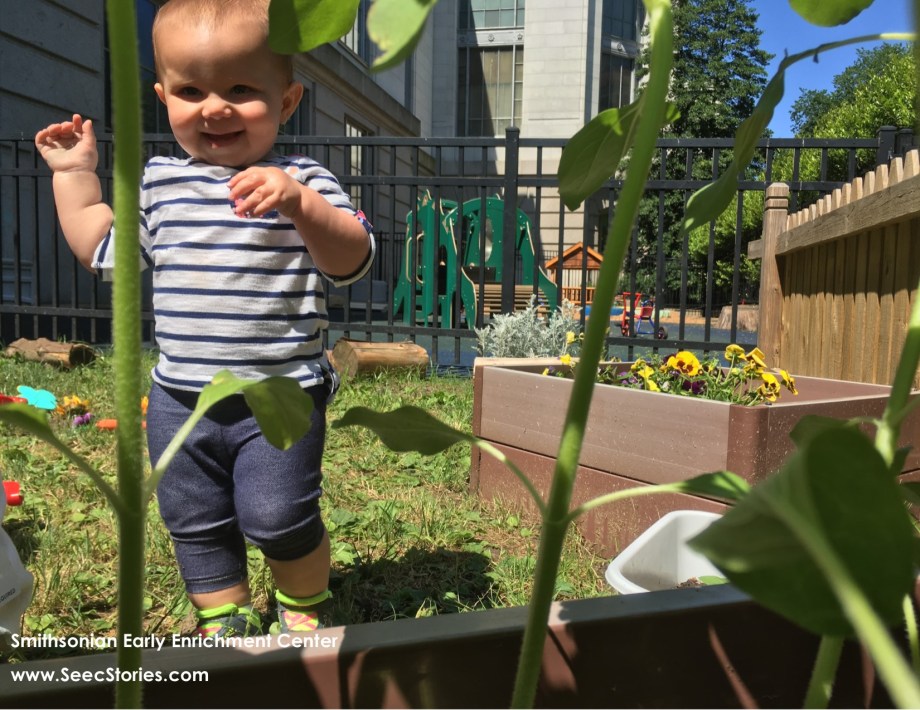
This week we are featuring infant teachers Trisha Goolsby, Nessa Moghadam, and Noel Ulmer. As the weather began to warm up this past spring, these teachers observed their children’s growing interest in the changing seasons. The infants had been enjoying their trips to outdoor locations on and around the National Mall, and especially loved pointing out the different plants beginning to grow and blossom in the Smithsonian Gardens. Trisha, Nessa, and Noel wanted to encourage their children’s interest in how plants grow from a seed to a full grown plant, so they decided to spend a morning giving the infants some hands-on exploration in the garden on SEEC’s playground.

Check out some photos of this lesson and a reflection from the teachers below!

Cottontail Cover

What were your topics of exploration? Why did you choose them? Where did they come from?

We wanted to give the children more opportunities to go outside and experience the warm spring weather, and incorporate the many sensory elements of being outside into the curriculum. The children had been noticing many elements of the changing seasons during our walks outside in the buggies, such as the blooming flowers in the garden, so we wanted to focus on gardening to widen their perspective.

Why and how did you choose the visit?

We wanted to connect our lesson to things the kids were noticing in the world around them, such as plants beginning to grow. We chose the garden on our playground to give the children a chance to interact with the soil and plants using all of their senses.

What were your learning objectives? (What did you want your children to take away from the lesson?)

We wanted to focus on the process of planting with the children so they could experience firsthand how seeds are put into the soil and covered with the dirt. We also wanted them to be able to explore the texture of the soil so that when they saw plants growing in soil out in the community, they would have context. Lastly, we wanted to give them a chance to play with garden tools to see how they were used, and to practice fine motor skills like pushing and grasping.

What was most successful about your lesson? How did the lesson reach your objectives to expand the topic? What was successful in terms of your preparation and logistics?

This lesson was successful because the children were able to explore the garden for a long period of time and remained engaged. Each child explored the dirt with their hands, feet, and even their mouth. Some children didn’t enjoy the sensory experience of the water, but we brought other related options to play with, and most children loved playing in the dirt.

(Check out what the New York Times has to say about the importance of mouthing — turns out it’s not only developmentally appropriate, it can actually be good for babies’ immune systems!)

What could you have done differently to better achieve your objectives and expand the topic? What was challenging regarding logistics? What recommendations would you have for another teacher trying out this lesson?

If we were to repeat this lesson, I would probably provide even more context ahead of time to help the children make connections between the lesson and what they had already experienced. I would have read more books about planting or flowers growing in a garden, and the process of gardening. I would also have provided some fully grown plants or blooming flowers for the children to explore.

Here are some photos from the lesson:

IMG_8608

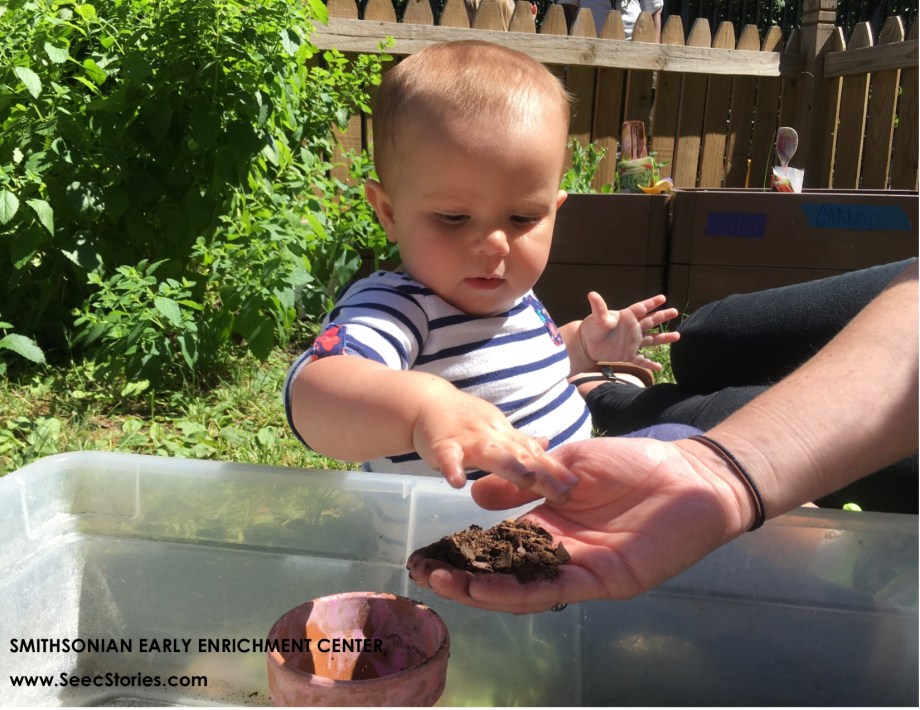
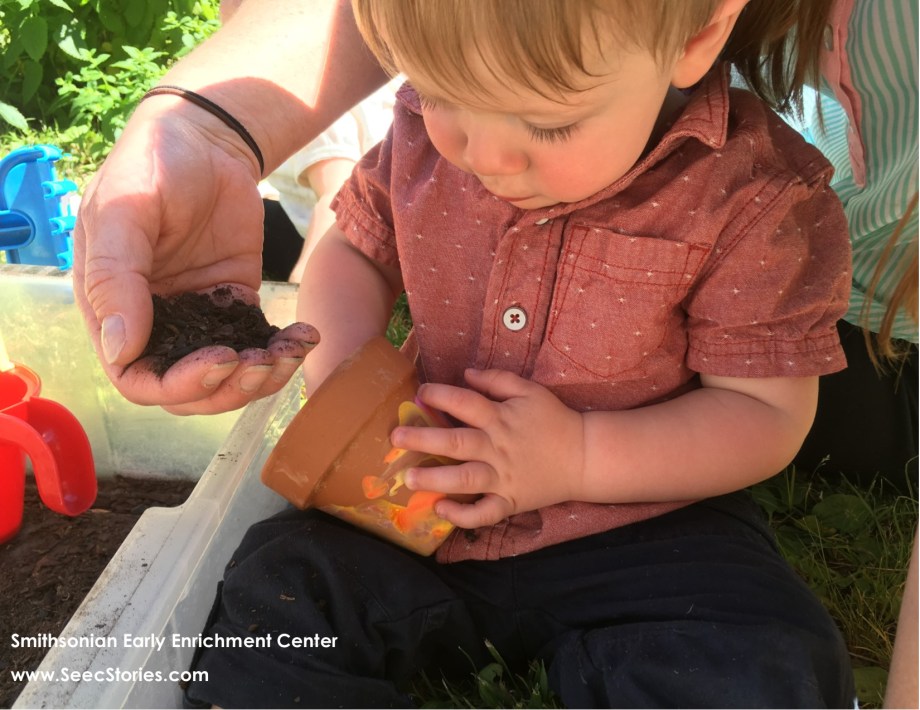
These kiddos started off with a little sensory play in the garden. The teachers had brought along some soil, and the children were able to spend some time touching the dirt before diving into the details of gardening.

At SEEC, we believe that children learn best when they are able to get their hands “dirty” — and experience the world around them using all five senses. So, these kiddos did just that!

IMG_8617

IMG_8682

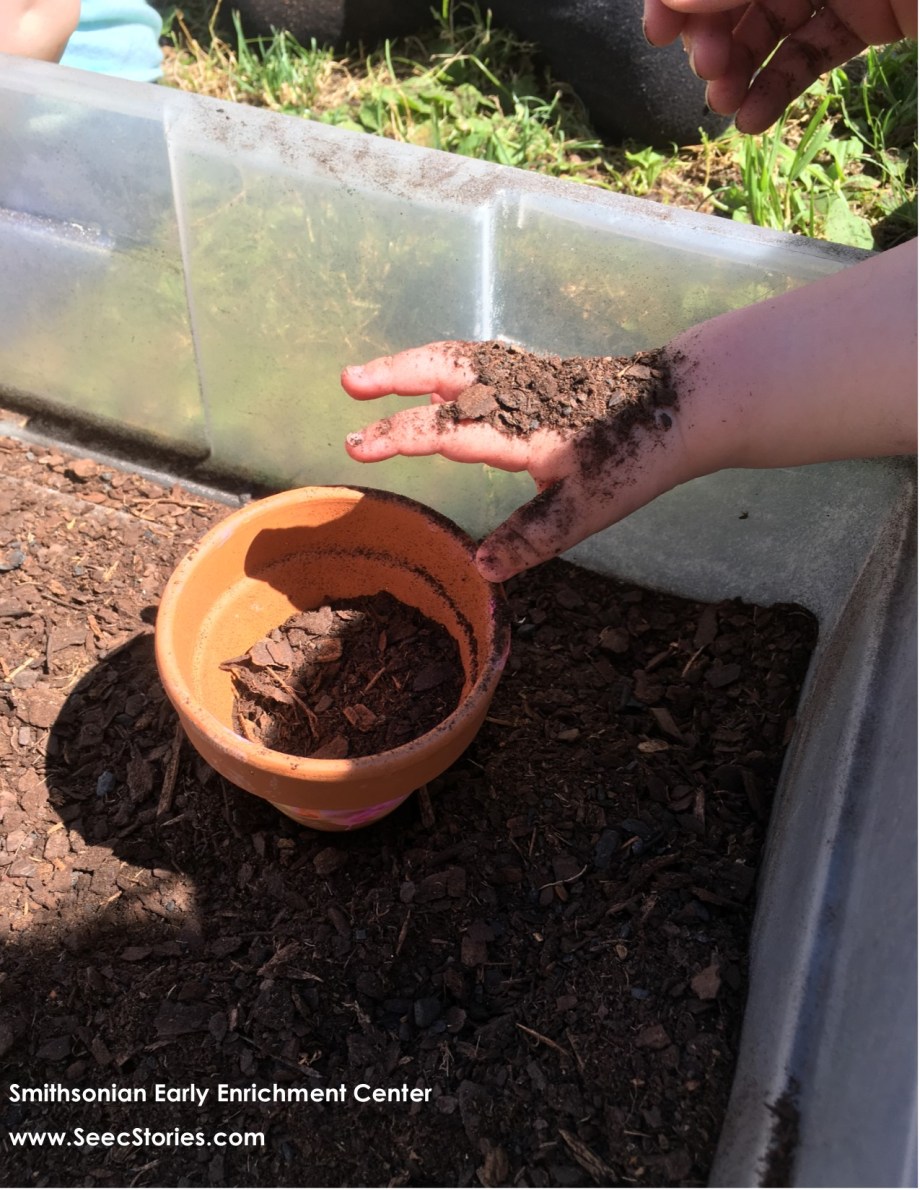
Infants are sensory learners. These infant teachers knew that it was important to spend ample time letting the children play in the dirt. Sensory play is a great tool for all age groups, but can especially be beneficial for infants. This type of play can help little ones make cause-and-effect connections, increase the amount of vocabulary they recognize, and help build confidence since they are directing the play.

IMG_8702

Some kiddos even tried the dirt using their sense of taste — with mixed reactions!

IMG_8686

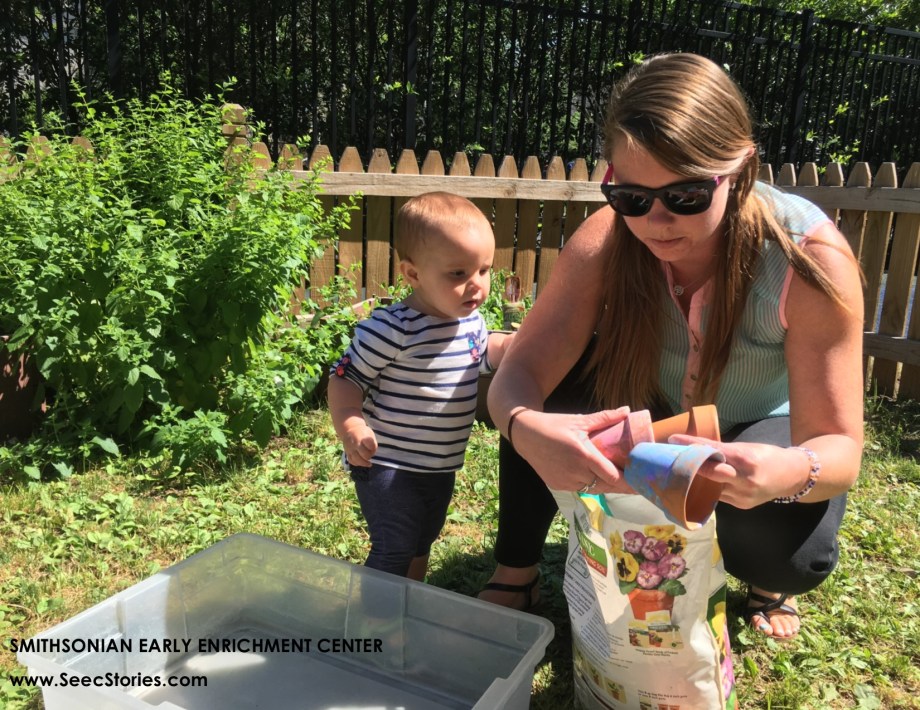
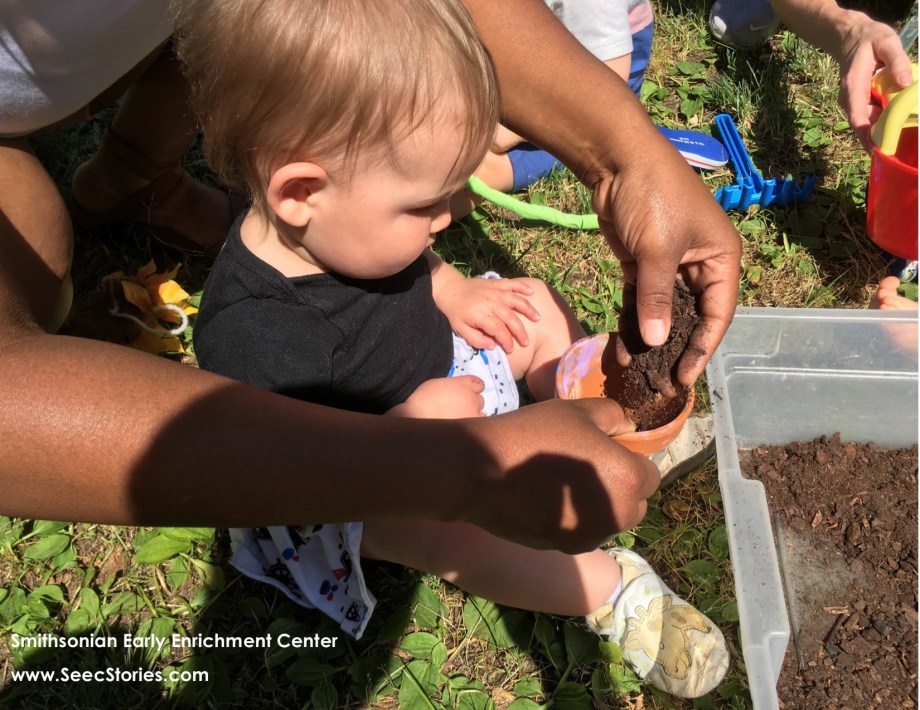
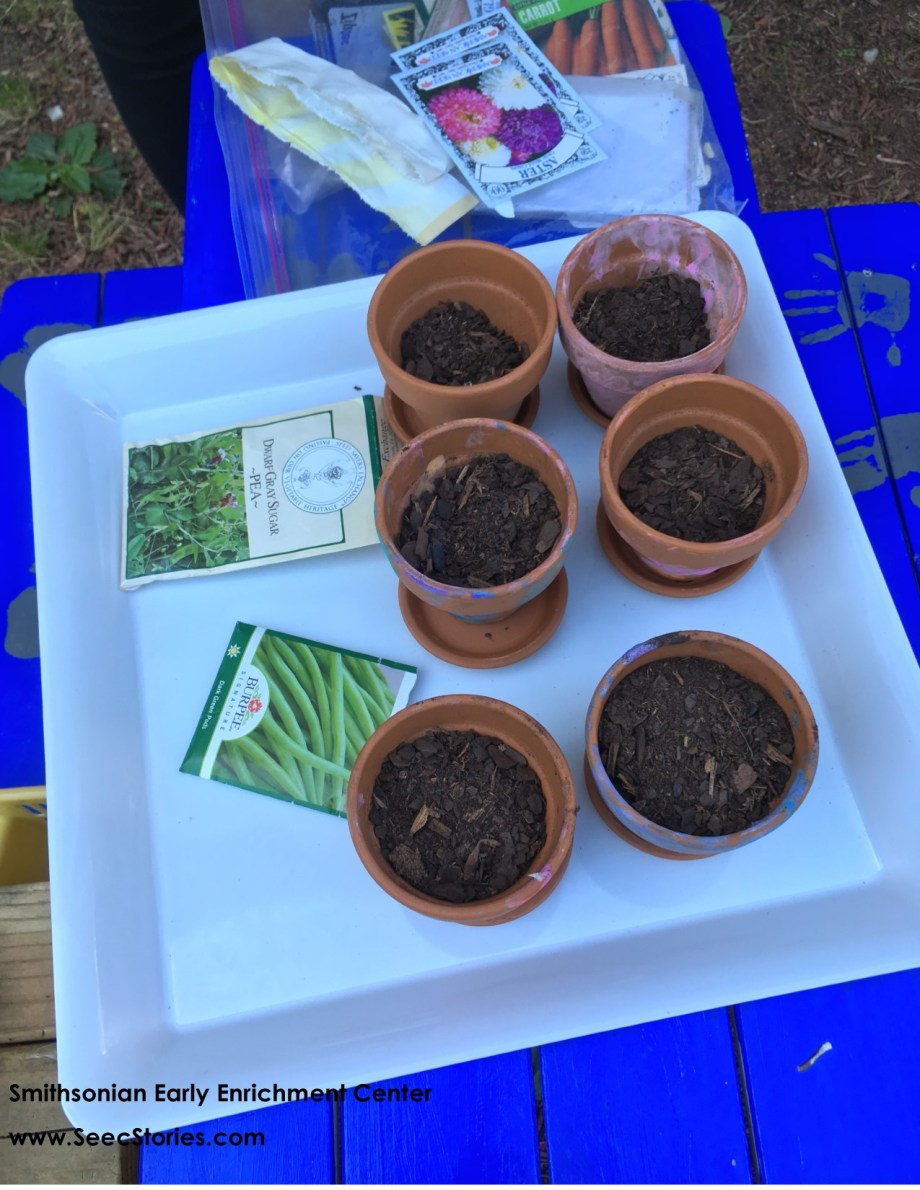
After the kiddos had spent some time playing in the dirt, Trisha showed them the pots they would be using for planting. She gave each child a pot to hold, and explained that they would be putting something called a seed into the pots. The soil will help the seeds grow, and someday that seed will be a plant.


Again, the children took a hands-on role in this process, helping their teachers push the bean and pea seeds into the soil.

IMG_8696

IMG_8740

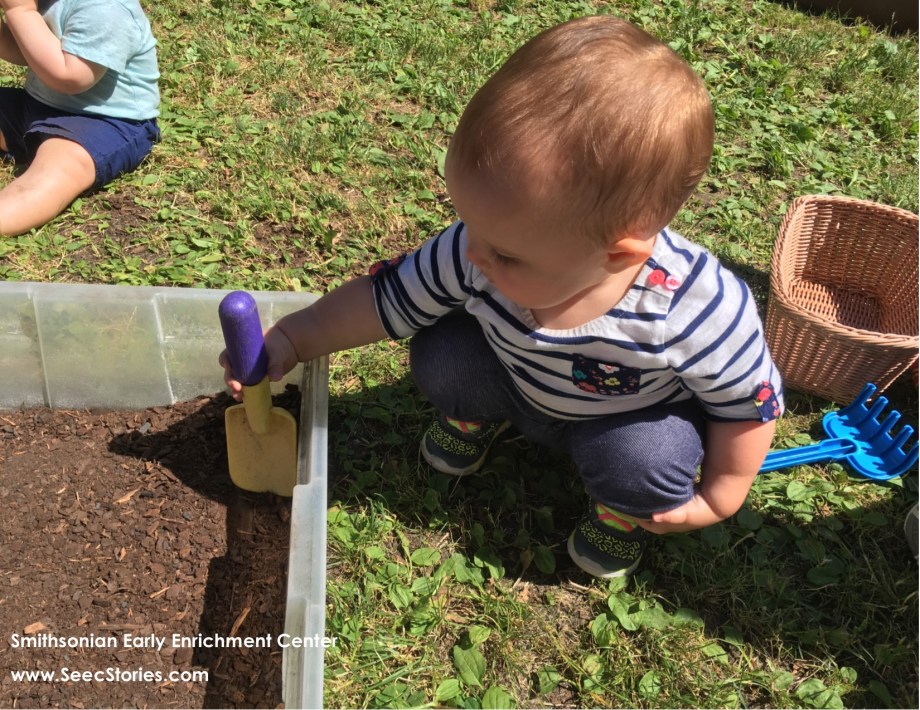
When the pots were ready to go, the teachers introduced a few important garden tools for their children to explore. The infants were able to spend some time playing with a toy trowel, fork, and watering can, while their teachers explained how they are used.

IMG_8746

IMG_8649

The teachers also brought along some soft, familiar garden toys that the children had been playing with in the classroom to help build the connection with the real garden.

IMG_8672

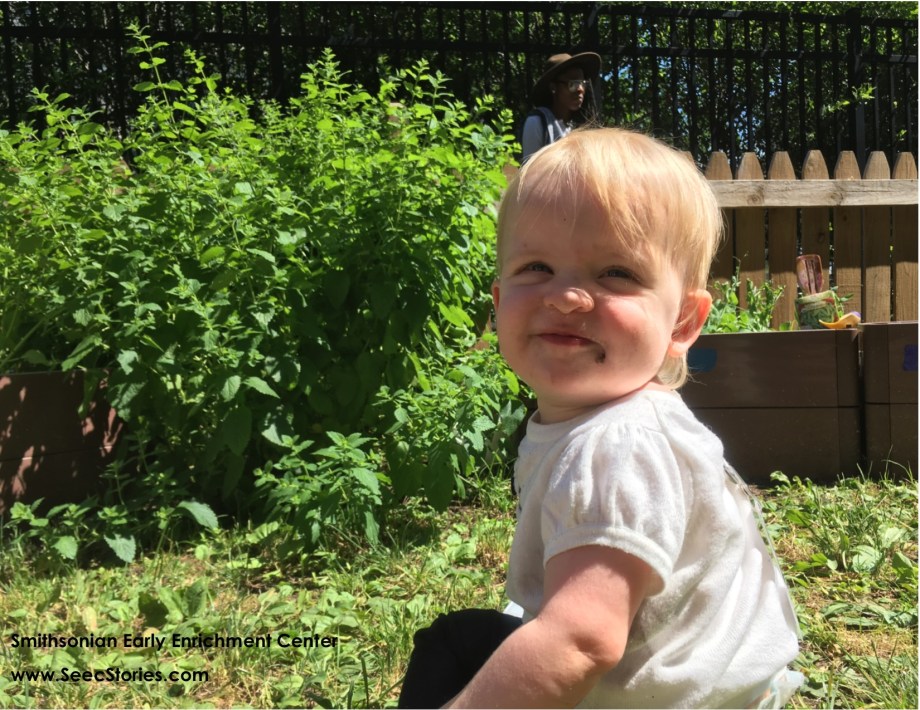
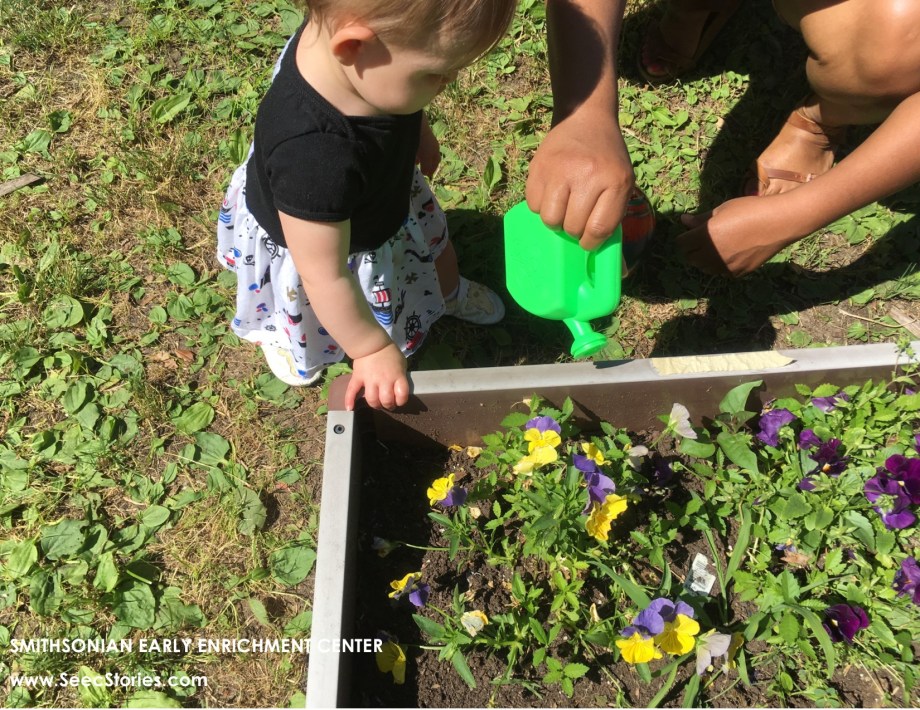
While the children explored, they were able to experience many different types of plants that had been planted by other SEEC classrooms. Some plants were in containers small enough for the kiddos to move on their own, while some stretched high above the infants’ heads.

IMG_8630IMG_8632IMG_8732IMG_8726

Trisha, Nessa, and Noel bolstered this lesson in the garden with many trips to gardens and outdoor locations on the National Mall. Along with the many benefits of getting the infants out into the fresh air, these trips helped expand the childrens’ knowledge of the many different types of plants that can grow in a garden.

Check out our Facebook, Twitter, Instagram, and Pinterest for more ideas from this unit on gardening! See you in two weeks with our next Teacher Feature!

Objects Teach Us

This blog was originally posted in 2016. Stay tuned for an upcoming blog featuring more staff favorites. Want to learn more about using objects to engage young children? Come to our Learning Through Objects workshop on March 14 and 15.


As I walked through the doors of the National Air and Space Museum (NASM), the four-year-old holding my hand gave a squeeze and whispered, “This is my mommy’s museum.” This was, technically speaking, untrue. Her mother was a scientist who worked with NASM’s meteorite collection – which is an awesome job – but she did not own the museum. But to that four-year-old, the museum where her mommy worked belonged to her mommy – the same way that the toy she played with during morning choices and the seat she sat in on the Metro that morning belonged to her. Children’s concept of ownership is cut and dry. If I am using it, if I care enough for it, if I take it from you, then it is mine. As we grow we learn that this is not the case. Ownership is much more complex and nuanced than possession, but little bits of our childlike tendency to lay claim to the things we love linger.

Think about your favorite bench in the park by your house, the street that makes you smile as you drive past because of its silly name, or the statue you eat lunch next to every year on your anniversary because it is the spot where you and your spouse first kissed. These things are not ours, but they belong to us because we have connected to them in deep and meaningful ways, and we remember them and the stories that go with them long after other memories have faded. In fact, many people pass the most special object stories onto younger generations and the stories and the connections live on past the lives of the people who created them. Objects that evoke these kinds of reactions are all around us, everywhere we go, and we can use them to tell our stories and to teach children how to make their own stories and meaning.

Here at the Smithsonian Early Enrichment Center, the objects we encounter most often are museum objects, and staff and children alike form strong attachments to the objects they see on a regular basis. Some of our staff took the time to tell us about the objects that mean the most to them. Each of their stories is an example of how connecting with objects teach us in a variety of ways.

Objects Teach Us About Our Identities:

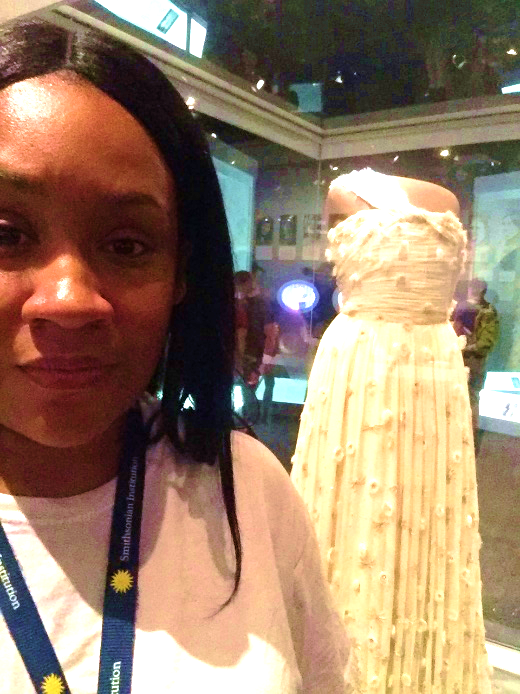
Dana Brightful is an educator who works with three, four, and five-year-olds. Her favorite object is Michelle Obama’s gown from the 2009 Inaugural Ball. Dana says, “Michelle Obama’s Inaugural Ball gown is my favorite object! It speaks not only to my glam side but my African American side as well!”

dana1

Objects Teach Us To Remember:

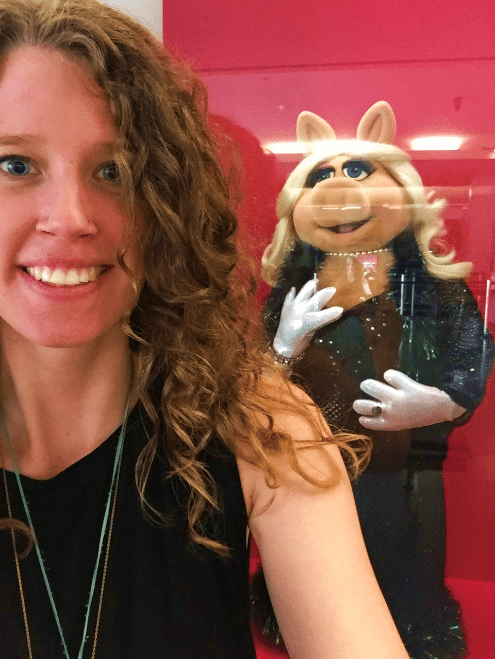
Brooke Shoemaker is a Museum Educator who supports the classrooms for ages three through six. She shared, “I chose Miss Piggy and Elmo, the Muppets that are currently part of a rotating exhibit at the National Museum of American History.  The Muppets are special to me for several reasons.  They remind me of time spent with my family as a child reading Muppet books, and watching Muppet programs (admittedly my family and I still watch “A Muppet Family Christmas” every year).  The creator of the Muppets, Jim Henson, went to my alma mater, University of Maryland. And lastly, the children tend to gravitate towards them too, and I love sharing that connection with them.”

Will.png

Objects Teach Us To Explore:

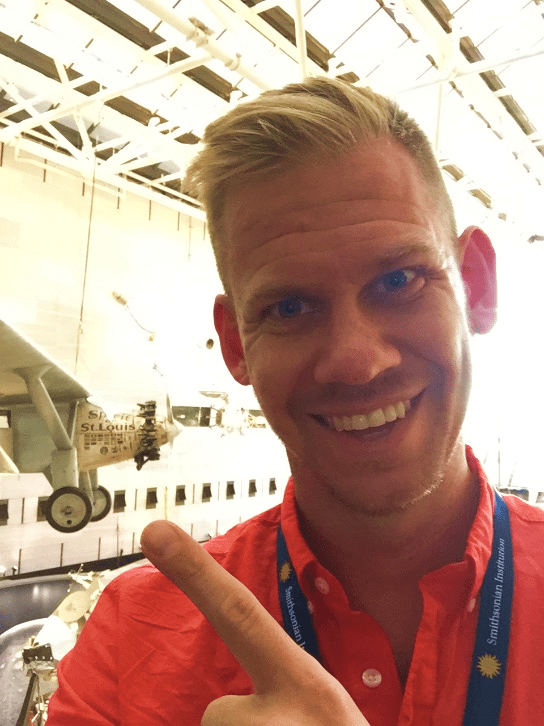
Will Kuehnle is a Classroom Educator currently working with four and five-year-olds. He told us why his favorite object at the Air and Space Museum is special, “A replica of the Spirit of Saint Louis hangs in Lambert International Airport in my hometown of Saint Louis, so every time I went on an air bound adventure growing up I saw it and became inspired by Charles Lindberg’s incredible story. Having the real thing at the Smithsonian is such a treat. Every time I see it I am reminded of the power of curiosity and exploration – from the sails of Columbus to the footprints of Armstrong.”

 brookemisspiggy

What objects do you connect with? Do these stories remind you of your own stories and memories? Are there objects in your community that can provide this kind of connection and these kinds of teaching opportunities for the children in your life? Explore these questions and their sometimes surprising answers with the SEEC team this October 19-20 at Introduction to Objects and Informal Learning Environments.

Art Enrichment Explores: Keith Haring

It’s Teacher Feature Thursday!

This week we are featuring our Art Enrichment educator Carolyn Eby.  Carolyn works with all of our children here at SEEC, and on this particular day I joined her for a lesson with the 4-year-olds about artist Keith Haring and his use of silhouettes. Below you will find images from the lesson, as well as reflections from Carolyn.

COVER1.jpg

What were your topics of exploration? Why did you choose them? Where did they come from?

I chose to study Keith Haring because I love his artwork and I think the topic is fun and interesting for the kids as well. We have been working all year on learning the different elements of art and for our first artist study, I wanted to find an artist that had great appeal and used all of the elements of art in a straight forward way in their artwork.

Why and how did you choose the visit?

The four-year-olds come to the art studio in the afternoon, and due to the timing of the day, we tend to stay in the art studio and utilize images of art, so that we have ample time in the studio to work on our artwork. For this visit I primarily used high quality printed laminated images, and I had enough so that every student had a different image to hold in their hands. It was fun to pass out the images and talk about them one at a time as we held them up.

What were your learning objectives? (What did you want your children to take away from the lesson?)

We have been learning about the elements of art so we looked at Keith’s work from a lot of very different angles. With this lesson in particular, we looked at the beginning of Keith’s career and how he used lines and silhouettes. We took a hard look at what a silhouette is, and how to create a Keith inspired piece mimicking the materials he used earlier in his career (white chalk and a black surface).

What was most successful about your lesson?  

I think the kids loved learning about what a silhouette is by using the overhead projector and tracing each other. I love using collaboration and movement when explaining concepts in the art studio.

How did the lesson reach your objectives to expand the topic?  

Earlier this year we studied lines as an element of art and had a lot of fun doing various projects and activities that touched on the idea of how lines are used in art. After my visit to the National Art Education Association National Conference in Chicago I learned a really fun game from a teacher that uses call and response, but also body movements to learn the names of different lines. The game is now a staple in my classroom and very useful, not only to review types of lines, but also allow children to get their wiggles out!  After we warmed up with the game, we had a lot of fun looking at Keith’s lines.  The kiddos picked up on his use of thick lines to add emphasis and exaggeration to his artwork, as well as how important his lines were in creating simple images.  In a way, it was sort of like a treasure hunt identifying different lines he used!  Building on all their knowledge and looking at it in a different perspective through a group of images from one artist made it easy to work on his use of color the week after. We are also looking forward to looking at his use of shapes, form and space.

What was successful in terms of your preparation and logistics?

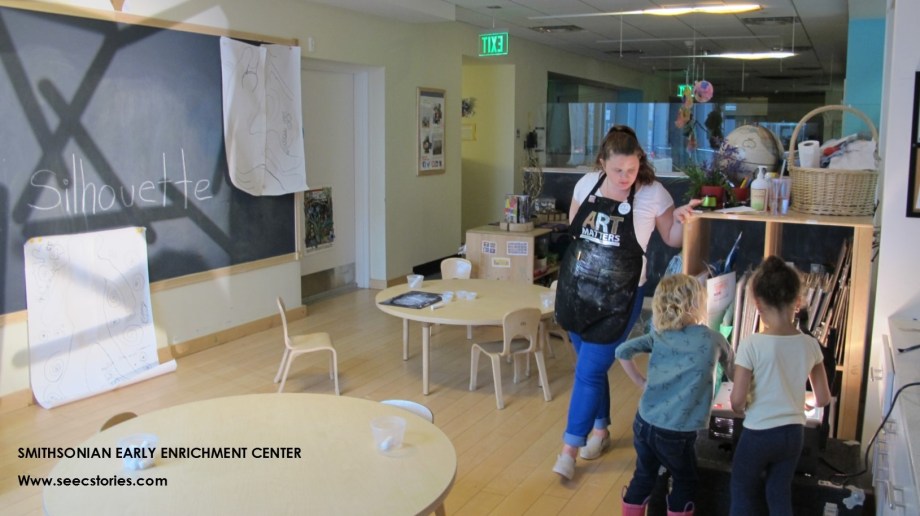
Using the overhead projector in the space I chose worked out really well. The black chalkboard background served as a great backdrop for the kiddos to explore their silhouettes. I also was happy I had enough time to set up the simple materials in an easily accessible manner.

What could you have done differently to better achieve your objectives and expand the topic?

I think I could have spent a little more time introducing Keith before we dove into his artwork. Providing background information about an artist in a narrative form helps children to become interested and connected to that artist. If I had spent more time introducing Keith, the children would have had a better context for his pieces and concepts we learned about during the lesson.

What was challenging regarding logistics?

Overall, I am always working towards creating smooth transitions between lessons, and keeping the kiddos focused as we move from project to project. Since we recognize the importance of the environment on the children’s overall experience, the studio space itself can prove to be a distraction as it has a hallway running through it that happens to be a major artery to the school, and is also very close to the student bathrooms.  I am always trying to redirect and gain focus since there is a lot going on around us. It is also tricky to learn how best to use the space for furniture and activities, and I am always changing things or looking to make them work more to my favor.

What recommendations would you have for another teacher trying out this lesson?

I would recommend that you think carefully about how you are going to introduce Keith. Though his art is fun and delightful to look at, a lot of his work is also very controversial and you have to be ready to answer some difficult questions. A lot of the kids were fascinated by the fact that he had been arrested for putting his artwork on the subway panels of New York City, but we talked about consequences to actions.

Here are a few images from Carolyn’s Keith Haring lesson:

1

Carolyn began her lesson by playing a movement game.  In previous lessons the children learned about types of lines that are used in art.  Carolyn called out different lines and the children made their bodies into line shapes, for example, “vertical”, “zig zag” or “spiral”.

Next, the group looked at images of Keith Haring’s art and made observations.  They first noticed the thick black lines, the movement of the figures, and the lack of details like facial features.  Carolyn told the children that Keith Haring really loved Walt Disney and cartoons, and you can see that inspiration in his art.  She explained that the thick black lines around Keith Haring’s people and objects is called a silhouette.

32

Carolyn turned on an overhead projector and showed the children how you can stand in front of the light and see your silhouette on the board.  Then she split the children into two groups and they each got a turn to play Silhouette Dance Party, where they danced in front of the light until the music stopped and they had to freeze and notice their silhouette. When they froze Carolyn pointed out different parts of their silhouettes, for example, “I can see your hair in your silhouette very clearly” or “the way you are holding your arm above your head makes a very interesting shape.”

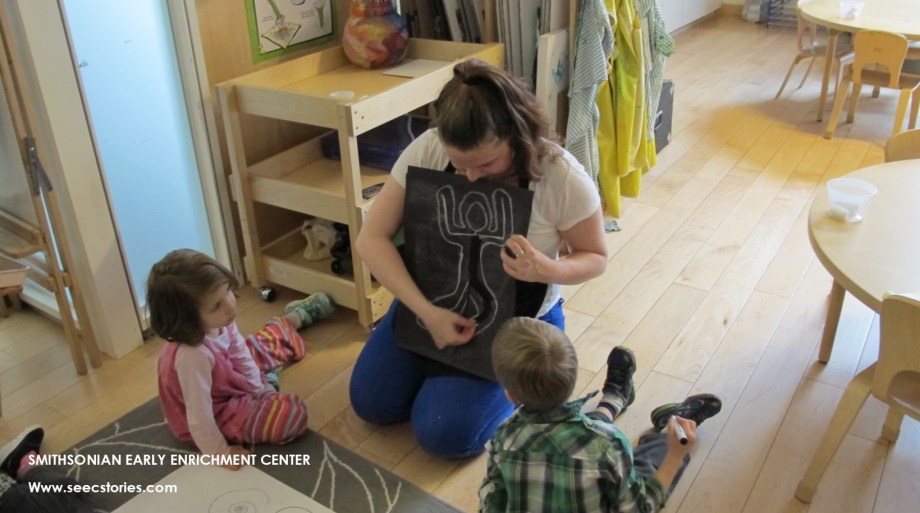
After their Silhouette Dance Party, the group came back to the carpet and took turns drawing a silhouette around one of their classmates.  As they were tracing, Carolyn pointed out that the child’s boots will make the silhouette look a lot like Keith Haring’s art because he drew people with big feet and hands without toes or fingers.  One of the children said to the child they were tracing, “Make fists with your hands so that our outline won’t have any fingers!”  Once they had completed the silhouette the class took turns adding all sorts of lines around the outline to make it look like it was moving.

6

After making their group silhouette, it was time to make their own Keith Haring inspired pieces.  Carolyn showed the group how to get started and the materials they would use – black paper and chalk.  She explained that they are using chalk because that is how Keith Haring got his start.  Since some of his early drawing was with chalk on New York City Subways signs, it also gave the students an opportunity to talk about when and where drawing and painting is appropriate.

7Then the group got busy drawing!

The children drew stick figures, outlined the figure to make a silhouette, and then used a wet cotton ball to erase their figure.  Lastly, they added lines around their silhouette to make it look like it was moving.

1110Before putting their pieces in the rack to dry, Carolyn helped each child spray their work with starch spray so that the chalk would stay in place.

8Once the children completed their artwork, Carolyn invited them to play more with the projector.  She provided popsicle sticks and encouraged the children to arrange them in different shapes, letters or numbers and see how it looked on the wall.

After learning about Keith Haring’s use of lines, Carolyn continued teaching the preschoolers about his use of color and shapes.  Check out our Facebook, Twitter, Instagram, and Pinterest for more ideas from their unit on Artists! See you in two weeks with our next Teacher Feature!

Teacher Feature: Infant Classroom Explores Their Community

It’s Teacher Feature Thursday!

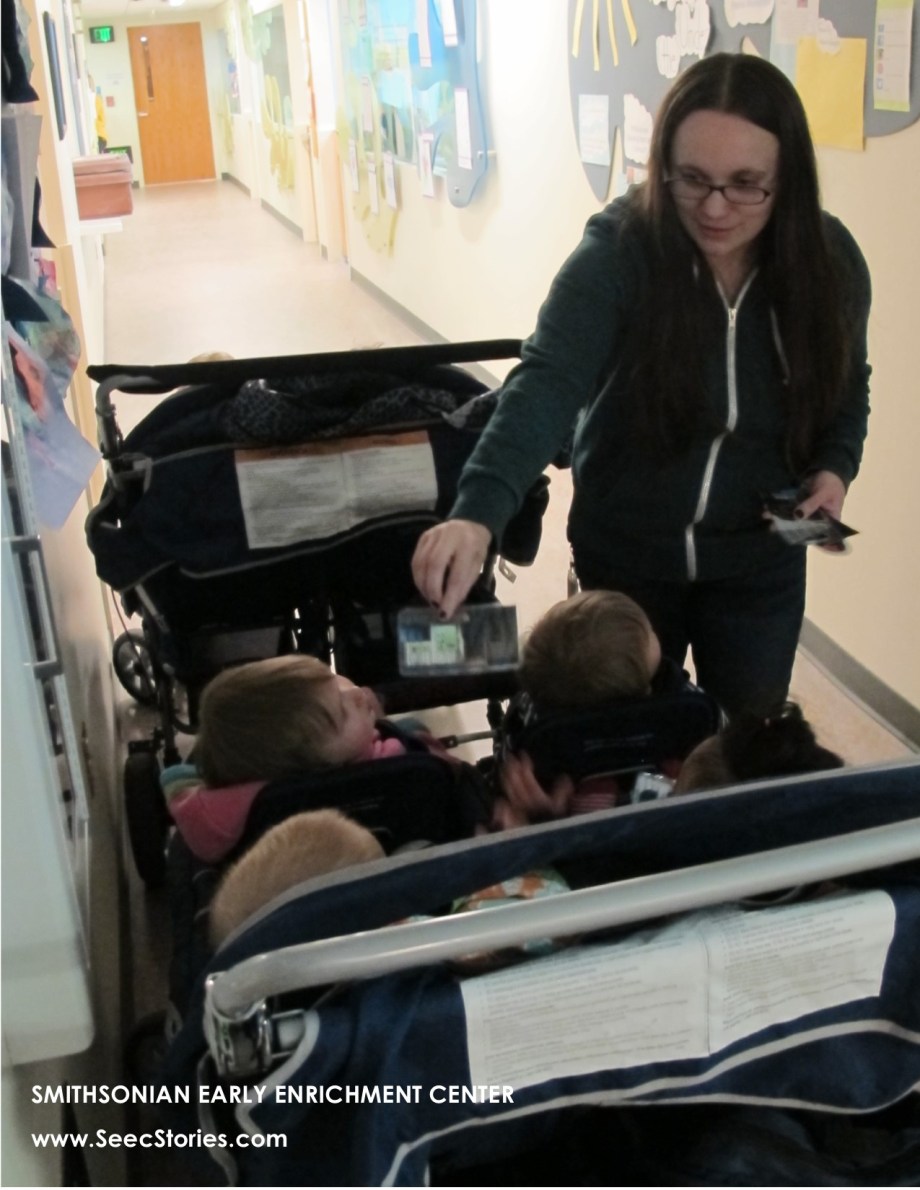
This week we are featuring Logan Crowley, Ashlee Smith, and Jill Manasco in our older infant classroom, the Ducklings. These teachers had noticed their children’s budding interest in exploring new places and the world outside of their classroom. These kiddos had spent much of their first year in the classroom learning about themselves, their teachers, and their friends, as well as getting to know their environment and becoming familiarized with being in a museum. That’s a big job for a one year old! As the weather started to warm up in March, these teachers decided to take advantage of the infants’ curiosity and began a unit exploring the community outside of the classroom. The Ducklings visited many locations across the National Mall during this unit, helping familiarize their kiddos with what their next several years at SEEC will be like. I accompanied their class on a trip to the National Museum of the American Indian to visit the museum’s interactive playspace for young children, imagiNATIONS.

Check out some photos from this lesson below, as well as a reflection from Logan, Ashlee, and Jill!

Duckling Cover

What were your topics of exploration? Why did you choose them? Where did they come from?

We were interested in visiting new places in our community that we had not have been before. We chose to go to the ImagiNations Activity Center at the National Museum of the American Indian so that the class would be able to explore a new space where it would be okay for them to play, run and touch things in the area.

Why and how did you choose the visit?

We chose ImagiNations because it was new to us and we knew it was ok for the children to be loud. It is a great space for older infants in that we were able to touch everything and it was not too far of a trip for us since the children tend to fall asleep if our trips are too long.

What were your learning objectives? (What did you want your children to take away from the lesson?)

The goal of the lesson was that we wanted to familiarize the children with other spaces in the Smithsonian community. We also wanted to practice being out the buggies in a large space, walking and holding hands with teachers, and each other as well. We had been to the American Indian Museum before but this was our first time going to ImagiNations. We wanted the children to able to explore whatever caught their attention in the space.

What was most successful about your lesson? How did the lesson reach your objectives to expand the topic? What was successful in terms of your preparation and logistics?

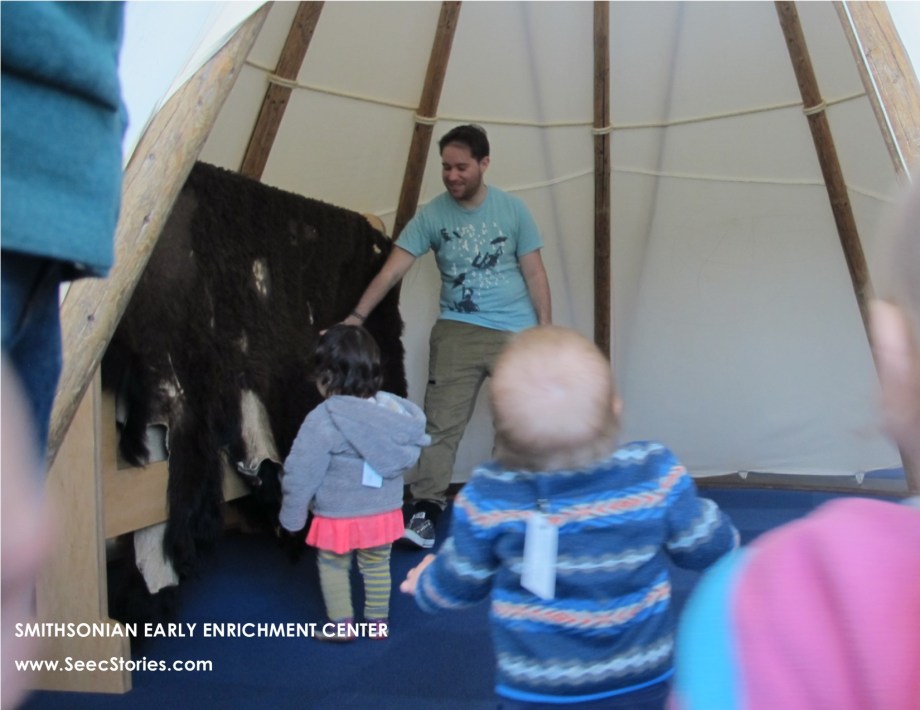
Our trip was successful in that we were able to explore the many elements of the space. The people who work in ImagiNations were great and very attentive to our needs and the children’s interests. They brought out an animal pelt for us to feel while we explored the inside of the tipi. They also invited us to their story time which would have been great if our class was just a little bit older but our students were much more interested in exploring. They wanted to run and play in the houses since everything was new to them.

What could you have done differently to better achieve your objectives and expand the topic? What was challenging regarding logistics? What recommendations would you have for another teacher trying out this lesson?

One of the biggest challenges we encountered was the long walk from the front of the play space where our buggies were parked to the play area. Some of them were not as steady as others and they were not used to holding hands at all times with either a teacher or another classmate, so it was challenging getting them all into the space. I might have also brought more things for them to interact with and hold on to once we were done with the lesson. Each child was given a picture to carry with them when we left our classroom, but many were lost on the trip.

Here are some photos of the Duckling’s lesson on their community:

IMG_1872.JPG

Infants and young children can always benefit from a little repeated exposure. Before the class left SEEC, Jill showed the children a few photos of some of the things they would encounter at the American Indian Museum. Each child was able to hold onto a photo  — a great strategy for a long trip in the buggies.

IMG_1935

The walk to the museum also provided lots of opportunities for the children to notice familiar buildings and landmarks on the National Mall.

When the Ducklings arrived at the museum, they headed straight upstairs to imagiNATIONS on the third level.

IMG_1887

Right away, the Ducklings were excited to be in the space. It is a rare occurence for a one-year-old to be able to freely move their body and use their hands to touch in a museum. This was an exciting change of pace! The children immediately began exploring everything the exhibit has to offer. They especially enjoyed going inside of the different types of homes, including a tipi and an Amazonian stilt house.

IMG_3752

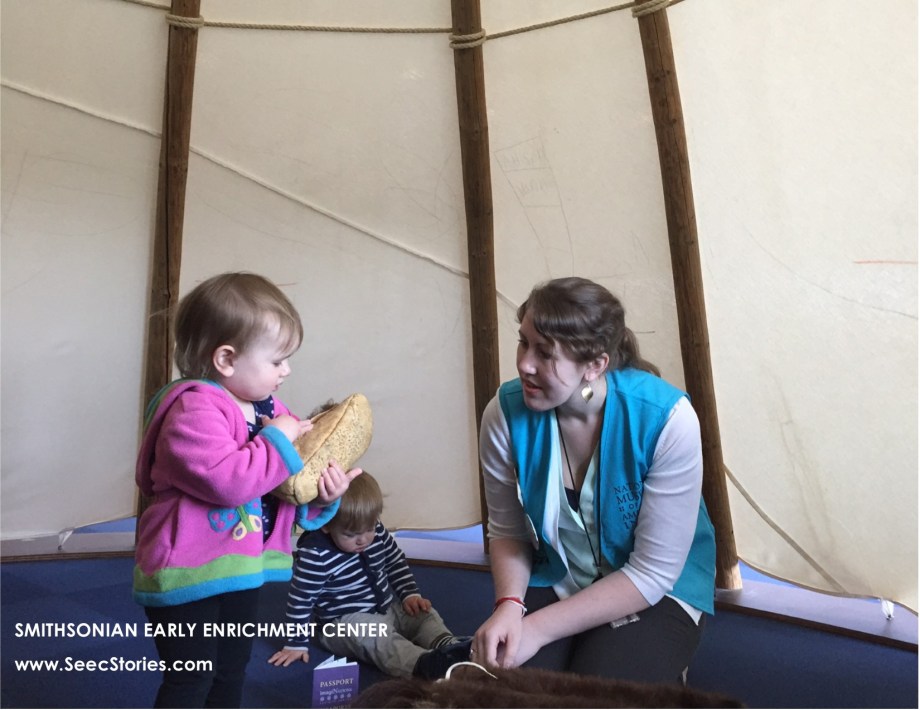
Inside the tipi, many children were excited to explore the artifacts, hear about the importance of the buffalo, and especially feel the texture of its fur.

IMG_3754

The outside of the tipi also provided plenty of opportunities for exploration, and a few surprises…

IMG_1924

IMG_1927

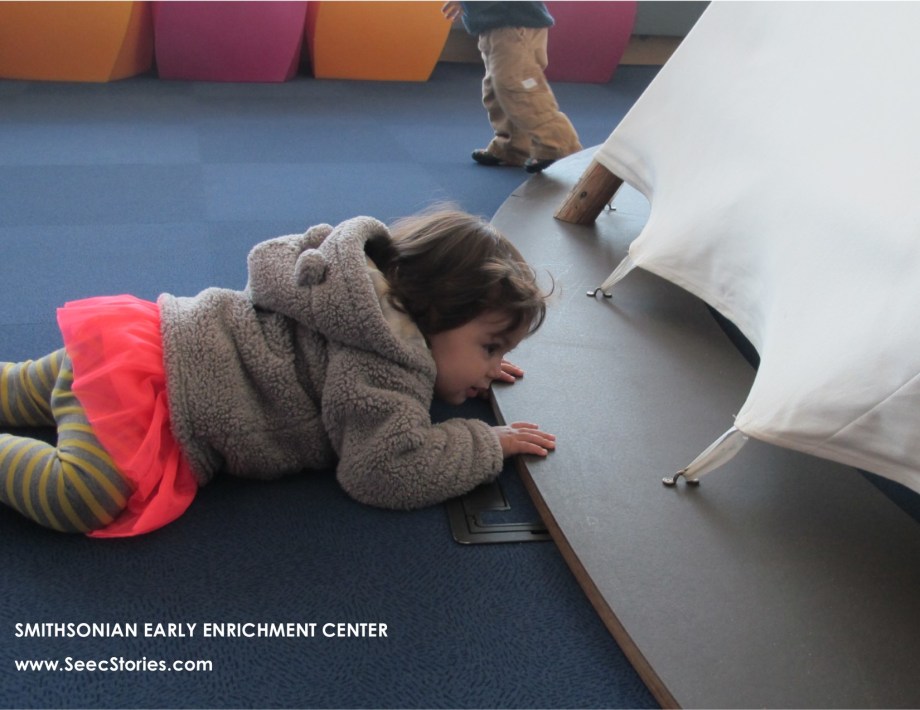
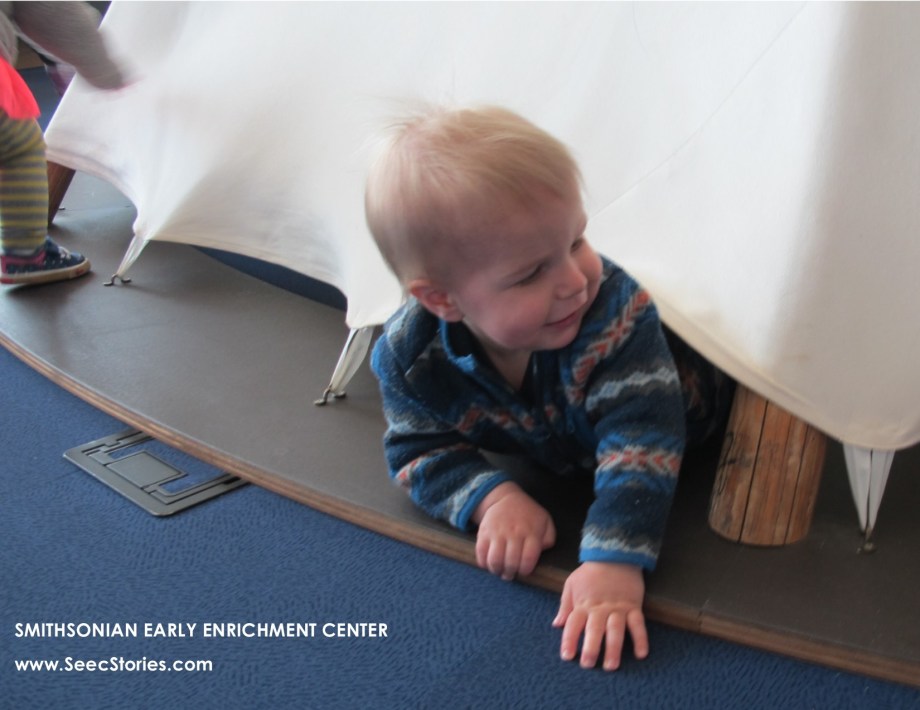
The space between the bottom of the tipi and the floor was the perfect size for these infants to crawl under!

IMG_1901

The kiddos also enjoyed exploring the inside of the Amazonian stilt house and the objects within. Their favorite element was the ramp leading up to the entrance. The Ducklings loved to run up and down the ramp!

IMG_3764

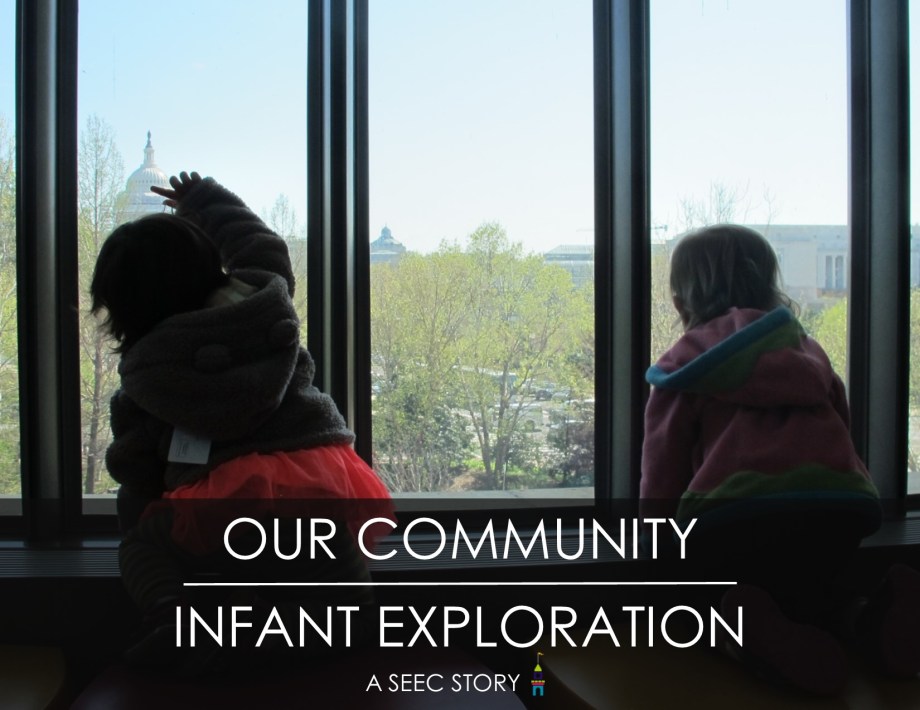
While Logan, Ashlee, and Jill helped the Ducklings make connections between their own homes and the homes in the exhibit, the visit was also a great opportunity for the kiddos to explore a new space within their community on the National Mall. The large windows in the space were a big draw for the children, and helped remind them of where they were in relation to other familiar buildings.

IMG_3622

IMG_1882

During their unit on community, the Ducklings got to explore many new and exciting parts of the world around them. They spent quite a bit of time exploring the National Museum of Natural History, checked out the trains down at the Metro station, enjoyed the warm spring weather in the Smithsonian Gardens, and even made the trip over to the Renwick Gallery to visit the WONDER exhibit! This unit was a great way for these infants to get acquainted with all Washington D.C. has to offer as they make the transition to their toddler year. Check out our Facebook, Twitter, Instagram, and Pinterest for more ideas from their unit on Community! See you in two weeks with our next Teacher Feature — and a very happy new school year to all!


Top 5 – Back to School Edition

Fresh pens, paper and backpacks at all the stores. Heavier traffic in the mornings and afternoons.  Cooler weather.  All tell-tale signs of another school year beginning.  We’ve compiled a Top 5 list of Back to School ideas, which will hopefully inspire you and get your school year off to a great start!

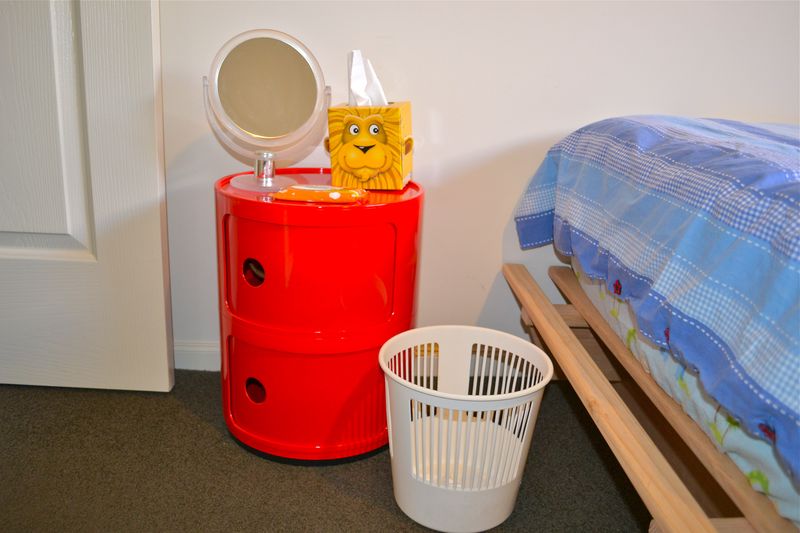
1. Nose wiping station.  The start of fall brings refreshing breezes, but also germs.  We love this idea for a Nose Wiping Station that we found on Montessori Mama and How We Montessori.  Pick a corner of the classroom and set up a shelf with tissues that the children will be able to reach.  Hang a mirror above the shelf so children can see themselves as they wipe their nose to make sure they clean it sufficiently.  Not only will this station keep germs from spreading, it will also encourage self-help and health skills. (Image from How We Montessori).

6a0147e1d4f40f970b015432d37f1f970c-800wi

2. Class collage. This SEEC 3-year-old class made a class collage at the beginning of the year to honor individuality while also creating a classroom culture. Using collages are a great way to talk about multiple, unique parts that make up a whole. The class visited and observed “Dam” by Robert Rauschenberg at the Hirshhorn Museum and Sculpture Garden, and made their own class collage, complete with photos of their faces.

3. Documentation.  Documenting can seem daunting when you’ve got so many other things going on at the beginning of the year, but these ideas could make it easier, while making learning more visible in the classroom. The image on the left is from the TransformationEd blog and features their Rabbit Road, which depicts their learning process during their inquiry on Rabbits. Displaying the journey on a linear road is a concrete way that children can see their work over time as they explore a topic.  The image on the right is from the Science Notebook, Teaching, and Technology blog, which depicts another documentation idea – choose a space in the classroom (that children can see) to display blank sheets representing each month of your school year.  At the conclusion of each month (or throughout) add images or work that share what the class has been doing.  Keep them up all year long, even as you switch out other displays and documentation, to help children see their work and progress over the whole school year.

4. Organizational hacks.  In our opinion, there are few greater feelings than starting a new year with an organized classroom.  This yahoo list has 15 organizational hacks from around the web that will help you feel fresh and ready. (Image on left from Motherhood On a Dime, image on right from Organized Cassroom)

5. Exploring Questions.  Fostering a sense of wonder and curiousity is something we take very seriously here at SEEC.  One of our four-year-old classes spent a considerable amount of time exploring questions last September and October to set them up for an inquisitive year.  To read more about their unit, click here.

For more Back to School ideas, visit our Pinterest board here.  Happy Back to School everyone!

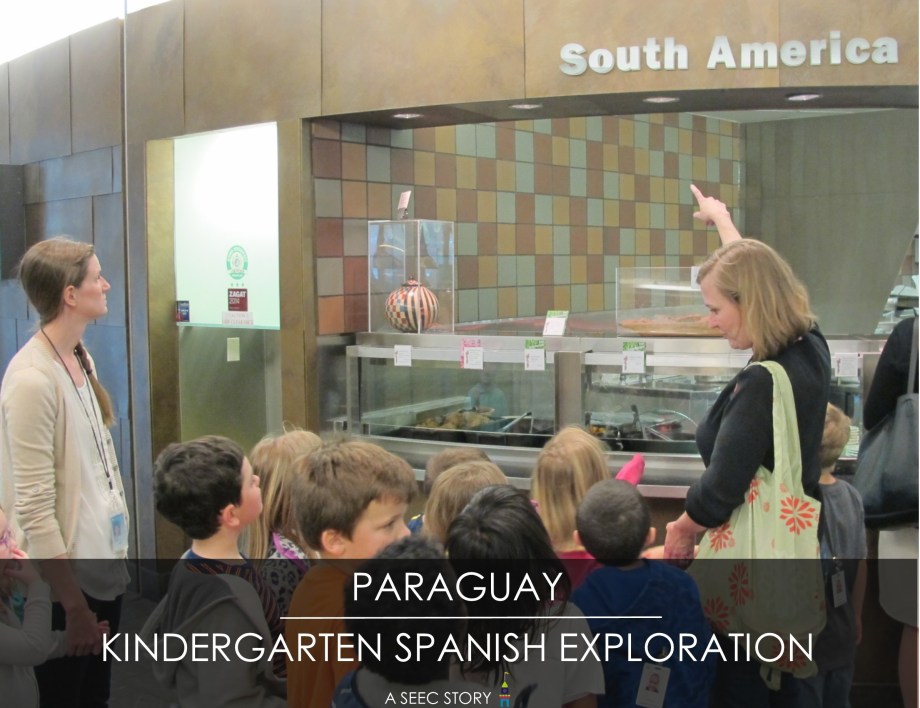
Teacher Feature: Kindergarten Spanish Explores Paraguay

It’s Teacher Feature Thursday!

This week we are featuring Maureen Leary who teaches Spanish in the Kindergarten classroom, which consists of small group lessons two mornings a week, and a connecting museum visit one afternoon a week.  The Kindergarten class has been learning about different countries in South America, and I joined them for a lesson about Paraguay and a common food found there – cornbread.  Below you will find a reflection from Maureen and images from the lesson.
Cover

What were your topics of exploration? Why did you choose them? Where did they come from?

We were exploring the country of Paraguay, and a traditional dish called Sopa Paraguaya. The name means Paraguayan Soup but it’s actually a type of cornbread!

I chose Paraguay because we have been exploring all the countries where Spanish is an official language. We have done this geographically, starting with Spain, where the language originated, and then moving on to Mexico, Central America, the Caribbean, and now South America. For each new country, we take a look at the map to see where it is in relation to the others we’ve learned about. In this way the students can see the connection between all the countries we explore, and the curriculum follows a natural progression.

I try to choose diverse topics from week to week, to keep the students interested and to emphasize that Latin American culture is very rich and has contributed so much to the global community. Over the course of the year we’ve looked at art, music, geography, history, architecture, and of course, cuisine!  For our classroom lesson we learned a bit about the history of Sopa Paraguaya and we followed a recipe to make our own. Cooking with kids is a fantastic way to target numerous learning objectives at once. We covered the cultural piece with the history of the dish, we focused on literacy and vocabulary in both Spanish and English by reading the recipe together, we practiced math concepts by measuring the ingredients, and we learned a little science by observing how the ingredients came together to make the bread.

Why and how did you choose the visit?

We visited the Mitsitam café at the National Museum of the American Indian. We started with a visit to an exhibit case that highlights how traditional Native American foods from both North and South America have become essential to our cuisine. Some of the ingredients we had talked about were included in the case, and we had a couple of food items with us to pass around. We then went into the café to take a look at what types of foods were featured in the South American section.  We purchased some cornbread so that we could all try a taste and compare it to the cornbread we made in the classroom. I chose this visit because it gave the students a chance to see how relevant traditional Paraguayan/South American foods are to US and world culture.

What were your learning objectives? (What did you want your children to take away from the lesson?)

My learning objectives were to introduce the students to some of the staples of Paraguayan food and to show how they might be similar to and/or different from foods the students are familiar with.  We had previously done lessons on Mexican food and Cuban food, so I also wanted to make connections with those lessons, to help the students understand that cuisine can vary quite a bit regionally, but there can also be a lot of overlap and influence of cultures on one another.

What was most successful about your lesson? 

Cooking in the classroom and eating at the museum were definitely the most successful parts of the lesson. The students really enjoyed the cooking experience and they were so excited to try the finished product.

How did the lesson reach your objectives to expand the topic?

Going to the museum and seeing the foods we had talked about highlighted in an exhibit case, and then on sale in the café, helped the students to understand the relevance and importance of the South American contribution to global food practices and traditions. Instead of just taking my word for it, they could see the concept in practice at the museum.

 What was successful in terms of your preparation and logistics?

The preparation of the cornbread in the classroom went really well. I put a lot of time into writing out the recipe in a way that would be visually understandable for the kids (large print, pictures to go with food items, etc). I also thought about how to break up the steps so all the kids got a chance to participate in a hands-on way that they enjoyed (measuring, pouring, mixing, etc).

What could you have done differently to better achieve your objectives and expand the topic?

If I were to do this lesson again I would definitely test the recipe at home before making it with the students. The students and I thoroughly enjoyed making the bread, but when it came time to eat it, it turned out to be pretty bland and not many kids liked it. A different variation on the recipe would have probably been better. Fortunately we also had samples of the cornbread sold by the café, and that was delicious! One way I could have expanded the topic would be to provide more food items for the students to touch, smell, etc., as examples of staples that come from Paraguay. I intended to do this, but had difficulty finding the items at the store. If I had looked for them a bit more in advance I probably could have found them.

 What was challenging regarding logistics?

This lesson required significant time outside of the classroom for preparations. Although I always spend time on research and often on preparing materials, this lesson also required a trip to a specialty grocery store as well as some prep work at home on the ingredients to make the cooking process smoother in the classroom. I also needed to enlist the help of another teacher in pulling the bread out of the oven, as I was out of the center when it was done cooking! We also had one student who was not able to eat the bread due to food sensitivity issues, so we had to make sure to alert the family in advance to provide an alternative when we were sampling the bread.

 What recommendations would you have for another teacher trying out this lesson?

The main recommendation I have is to test the recipe before trying it with the kids. The kids were so excited to make the bread and were really looking forward to trying it, so it was a disappointment that it wasn’t very tasty.

Here are a few images from their lesson on Paraguay:
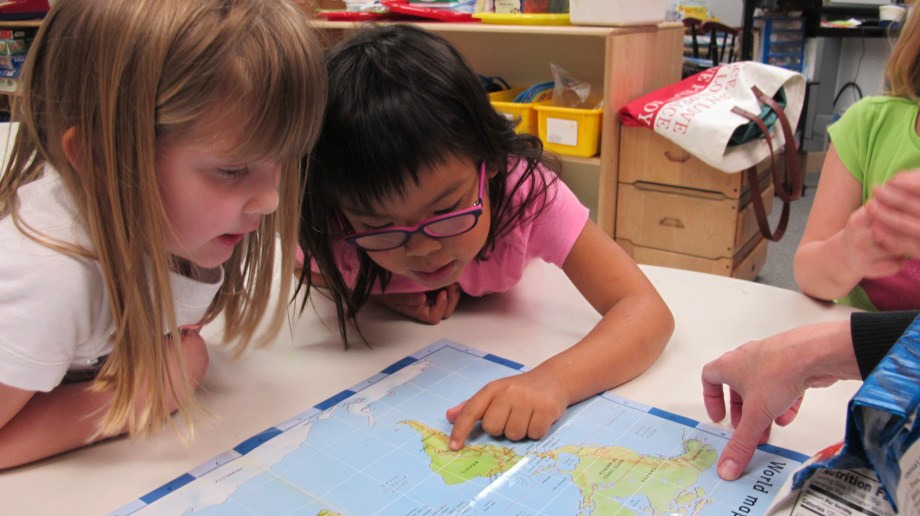
IMG_1978In the morning Maureen met with small groups to introduce the lesson and make cornbread.  First she showed the groups a map of the world and the students were quick to point out the countries they had previously learned about.  Then she showed them where Paraguay is and explained that it is different from the other countries they have learned about so far because it is very flat with no mountains, and that it is sometimes called “the heart of South America” because it is centrally located, with no water around it.IMG_1952Next she introduced a recipe for Sopa Paraguaya, a traditional food in Paraguay.  She told the children the folk story of the dish: a long time ago there was a president of Paraguay who loved a soup made of milk, cheese, egg, and corn flour.  One day the president’s chef accidentally added too much corn flour, and not having the time to make a new dish, decided to bake the mixture, making a “solid soup”.  The president loved it and named it Sopa Paraguaya.

IMG_1959Then it was time to make their own Sopa Paraguaya.  Maureen read the recipe in Spanish and then in English, with the children helping to measure and add the ingredients. IMG_1963Each group helped to add and stir all the ingredients.  Maureen then cooked the cornbread during the children’s afternoon rest time. IMG_1998At SEEC we believe young children need real life experiences in the community to make concrete connections to what they are learning in the classroom.  So, after rest time Maureen took the class to the National Museum of the American Indian to learn more about Paraguay, and its food, through observation of objects and hands-on exploration.IMG_2004The class sat in front of the “American Indian Foods in the Global Pantry” Exhibit Case and Maureen explained that a lot of food we eat today originated from other countries.

The children noticed many familiar foods including corn.  Since the objects were in a case, and could not be handled, Maureen came prepared with an ear of corn and passed it around so the children could examine and feel it.  They ran their fingers over the kernels, smelled the corn, and felt the husk.  Bringing (non-messy) objects along to the museum makes traditional gallery spaces more interactive for children.

IMG_2013The children recognized lots of food in the case and remembered how they had used it in the past (“We used avocados when we made guacamole!”), or were excited to see some of their favorite foods, like peanut butter, and were surprised to learn that items we eat so commonly in the United States actually originated somewhere else.  In this way, the children made personal connections to the objects in the museum and gained a new perspective about where their food comes from.
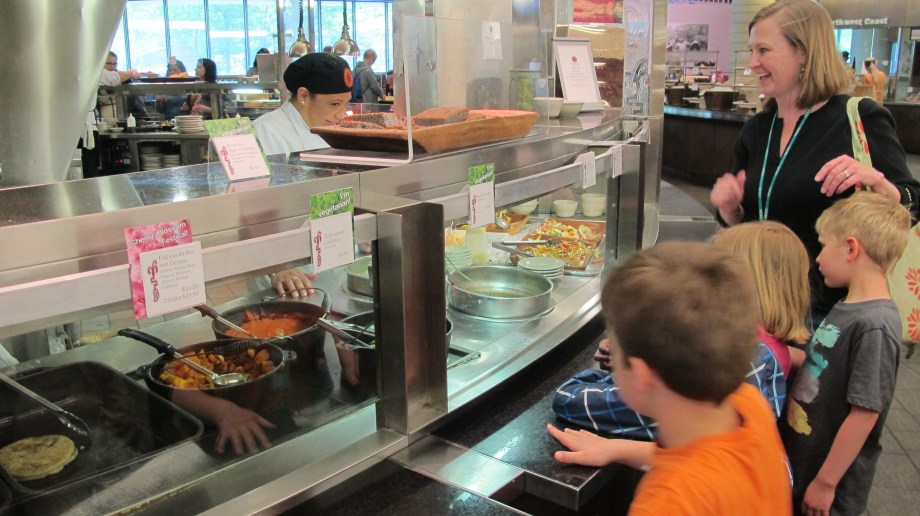
IMG_2025Next they went into the Mitsitam Natives Food café , which offers Native foods from throughout the Western Hemisphere.  Maureen asked where Paraguay is located and the class said, “South America”, so they went to the South America section to see what foods were being prepared.  They noticed blue cornbread, and Maureen explained that it was blue because they used blue corn to make it.  They asked for two pieces of cornbread in Spanish and went to try it.IMG_2033The class sat down and Maureen and the Kindergarten teachers passed out a piece of the cornbread they had purchased, and a piece of the cornbread they had made.  IMG_2034The Kindergartners tried both kinds, discussed the differences between the two, and their preferences.  They preferred

They enjoyed taking a bite out of both and exploring the foods that originated in Paraguay, and South America.

Through this South America unit, the Kindergartners learned about different countries and their unique characteristics. Check out our Facebook, Twitter, Instagram, and Pinterest for more ideas from their Spanish classes! See you in two weeks with our next Teacher Feature!

Smithsonian Early Explorers: A Part-time Caregiver and Child Program

20160113_100700Our Smithsonian Early Explorer program, or SEE as we call it, is about to embark on its third year! We are so excited to see how this program has changed and grown over the years. All along we have hoped to make this program into a community of learners and I think we are well on our way.


What is SEE?

SEE meets Monday and Wednesday mornings for two-hours in the National Museum of Natural History’s Q?rius Jr. room. Most of our children begin the program around 18 months of age and remain with us until they are about three. We begin the day with learning centers that have three objectives: to engage families in playful activities, to provide hands-on learning experiences that connect to a theme, and to allow the child to naturally practice developmental skills. We all convene as a group following the learning centers to say hello to each other and introduce the class’ theme. We include repetitive components into the morning meeting, such as a hello song, that create a routine that helps children transition and feel comfortable in the classroom. Our morning meeting is a time for learning – you will often observe teachers introducing objects for the children to explore, presenting experiments, or leading group activities.


After our meeting we break for the bathroom and a quick snack, and then head out into the community. Most often, this means a visit to a museum on the Mall, but it can take many different shapes. The museum visit is similar to our morning meeting – it often includes objects, experiments, and activities. It is also a time when we encourage families to use their observation skills and really explore an object. We also use the visit as a time to facilitate one-on-one learning with the caretaker. This facilitation helps this audience engage better with the object and is a chance for caretakers to practice different approaches to learning with the child.FullSizeRender

SEE as a Community of Learners


We hope that the classes will inspire our caretakers to model methods they observe in the classroom on their own. It can be something as simple as recreating one of our learning centers at home or noticing that their child is interested in a subject and providing them with more opportunities to learn about it. Of course, we also hope that they will begin to see museums as learning environments for young children and employ some of our techniques on their own, i.e. bringing objects, books, or simply engaging a child in conversations about what they see. Our educators strive to interact with each family and model ways in which parents can navigate tricky behavioral situations or ways that support their child’s development and growth. For example, we may notice that a child is at a block building center and start a conversation in which we discuss what the child is building. In this way, we hope caretakers see the thought that children put into their play, demonstrate the child’s thought process and propose new challenges. These are just a few examples of how we hope that families will take the seeds we plant on these mornings and grow them over the coming months and years – hoping that this experience will provide a foundation for how they approach learning as a family.


What do we want to do better?

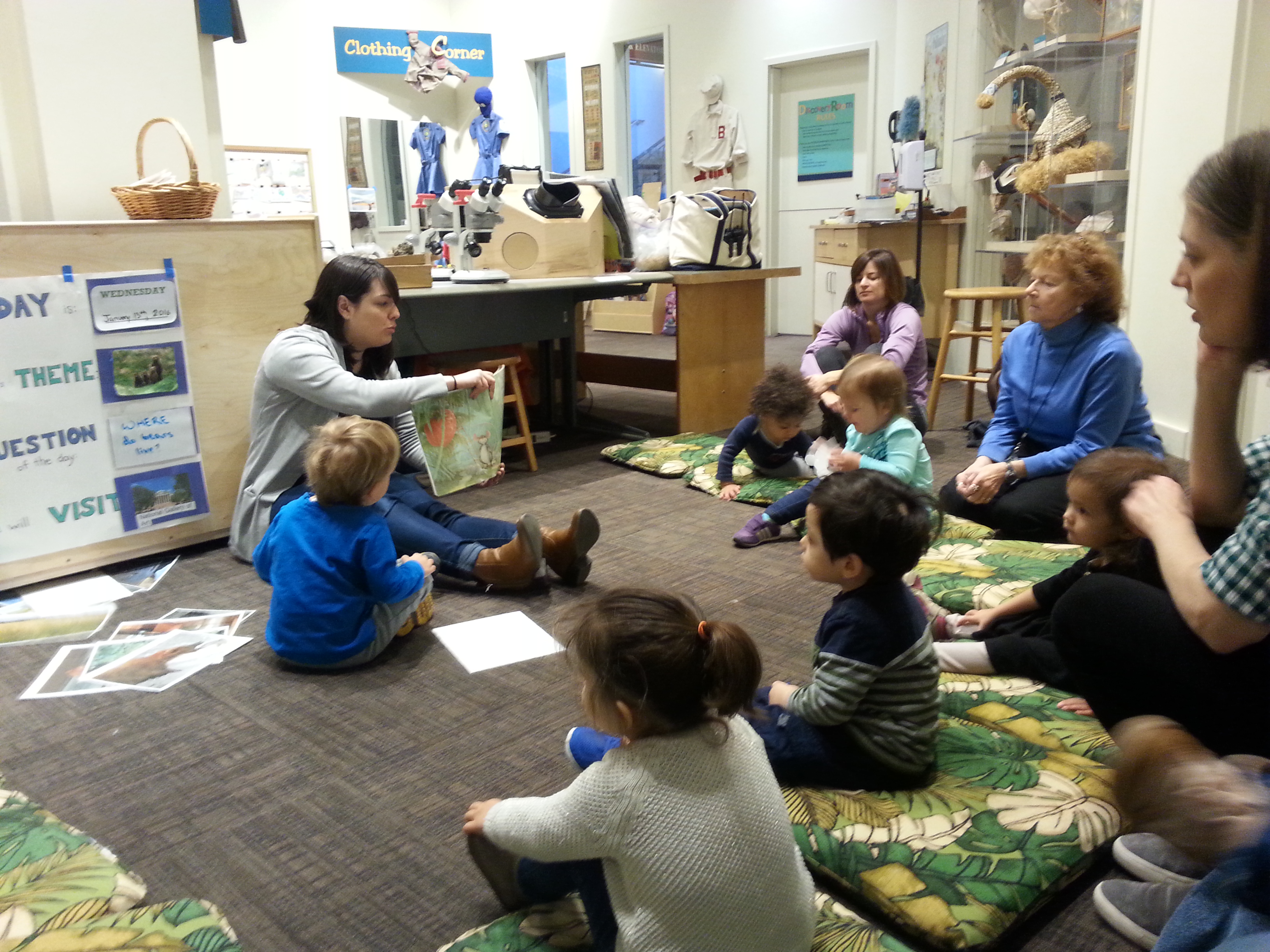
We are always learning and growing and this year, we will be focusing on crafting a two-year curriculum, and how best to set our parents up for success. Last year, we did a trimester surrounded by the idea of going on a bear trek. This 12-week study explored the physical features of bears, their habitat and habits, as well as bear-inspired songs, stories, and art. We like to say we are moving full STEAM (science, technology, engineering, art, and math) ahead! As for our parents, we are rethinking our orientation strategy and doing a Google Hangout to allow parents and caregivers to attend together and on their schedule. We are also planning social events.IMG_3708

We are always working on nurturing relationships between the educators and the families, and between the families themselves – I think this is an ongoing process and one to which we could devote a separate blog to. Suffice it to say that, like with any group, it can be difficult to meet the needs of each family and child, especially as we often have a range of ages in the classroom. Finally, we are always thinking about transitions and transportation. We have families who are diapering and potty training and trying to get everyone to break at the same time and meet up for our museum visit is not always easy. Then there is the walk to the museum where we often struggle to keep our group going at the same pace. It can be tricky – you don’t want to rush a toddler, but if they are too far behind, the rest of the group gets restless. Over the next year, we hope to smooth out these transitions.

We look forward to beginning our fall trimester in mid-September, we have seven returning families and three new ones. We are also very excited to announce the addition of SEE 2.0 —  SEE in the Community. This pilot program, is a bilingual version that is free to qualifying families. We had our first iteration over the spring at the National Zoo and our second one will begin in the fall. Funds for this program have been generously provided by Battelle. Look for more about this program in an upcoming blog.

Parent’s Perspective

A final thought to share from a family that became part of our community when they first began attending our infant programs and later, joined SEE and has been active since last fall.

We are comfortable going to any museum together. When we enter, my son often says, “We look at the artwork with our eyes Mommy, don’t touch with our hands!”  He understands we are in a museum and he wants to explore the space. He looks around and inquires about what he sees. Noticeably, he’s not bored. I’ve learned from class to bring things he can hold to enrich his experience and help with those busy fingers!

IMG_7757

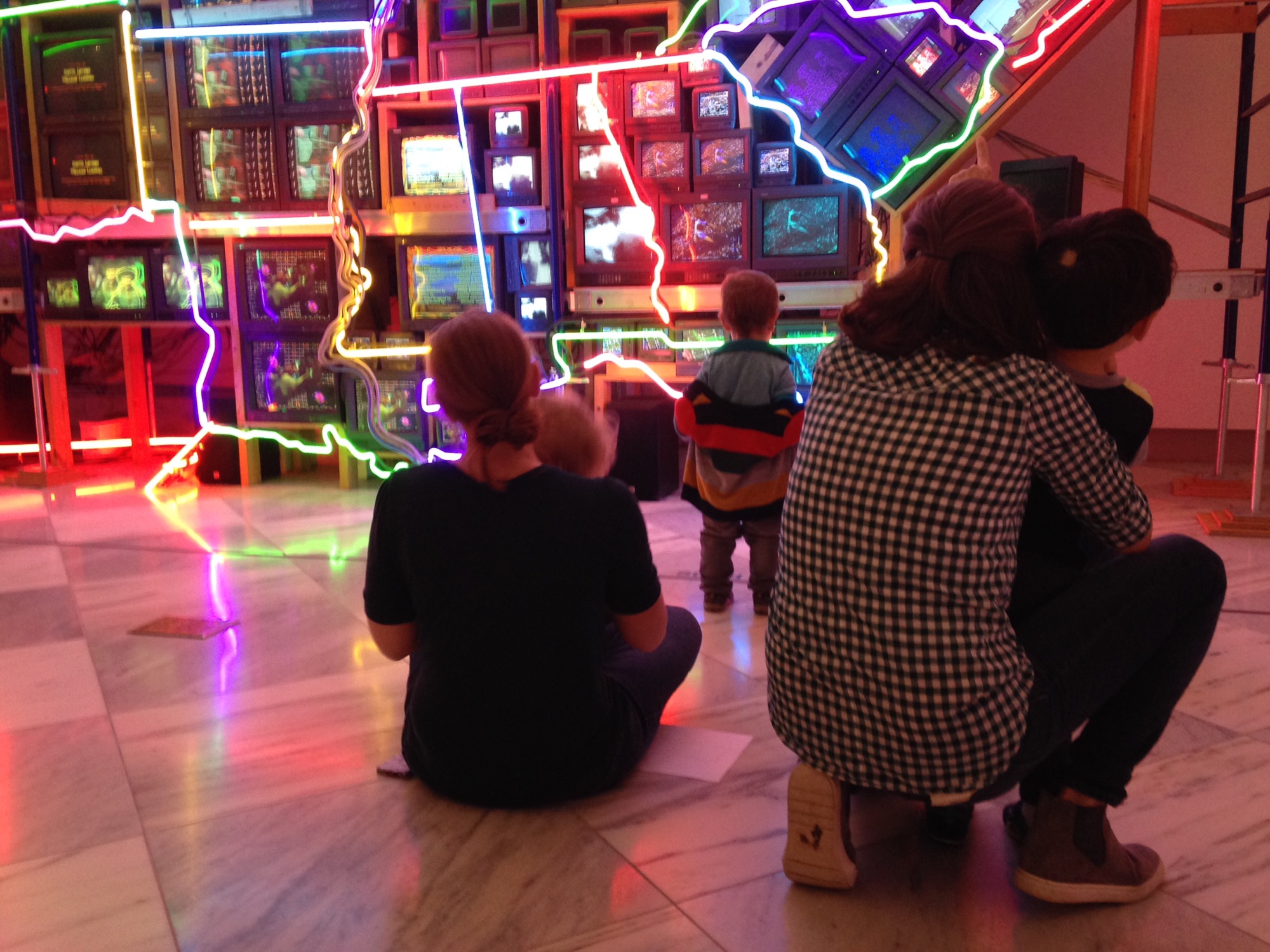
Electronic Superhighway: Continental U.S., Alaska, Hawaii; 1995 Nam June Paik Born: Seoul, Korea 1932; Died: Miami Beach, Florida 2006 fifty-one channel video installation (including one closed-circuit television feed), custom electronics, neon lighting, steel and wood; color, sound approx. 15 x 40 x 4 ft. Smithsonian American Art Museum; Gift of the artist; © Nam June Paik Estate 2002.23 Smithsonian American Art Museum

My son is learning about self-control and socialization, both of which started in the Smithsonian program with sharing, taking turns, sitting down during circle and cleaning up/putting things away. Often these things are done singing a short transition song. They’re comforting, we do them daily and we continue to make up new ones about bath time, cleaning up spills, helping me cook, etc. Thank you Smithsonian!


If you are interested in SEE, we still have a few spots available. Contact Cynthia Raso at rasoc@si.edu

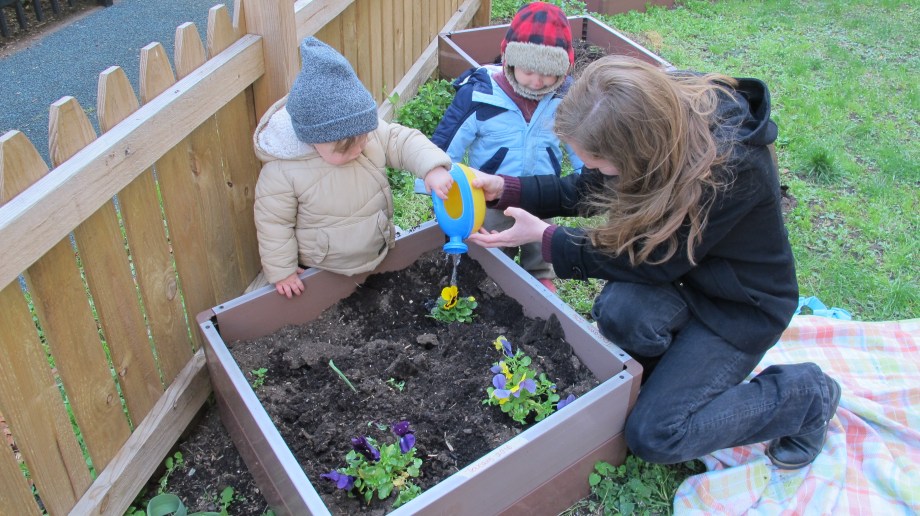
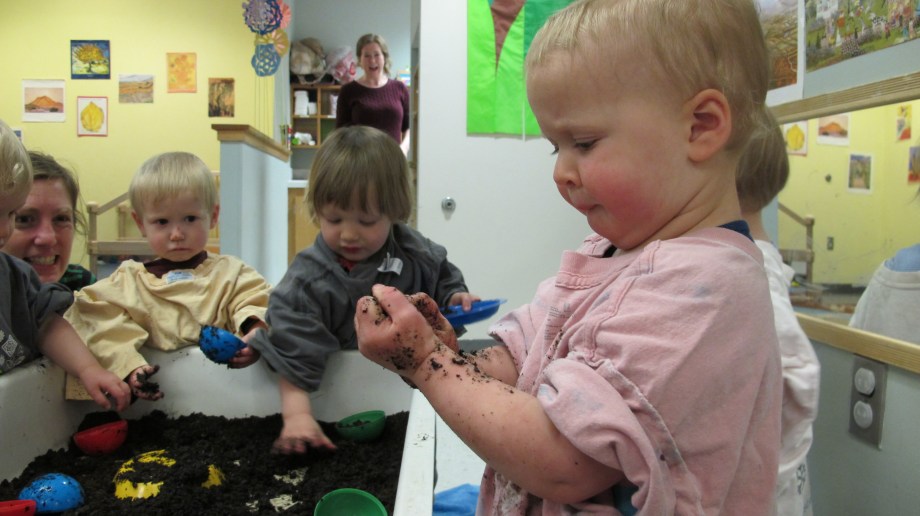
Teacher Feature: Toddler Classroom Explores Soil

It’s Teacher Feature Thursday!

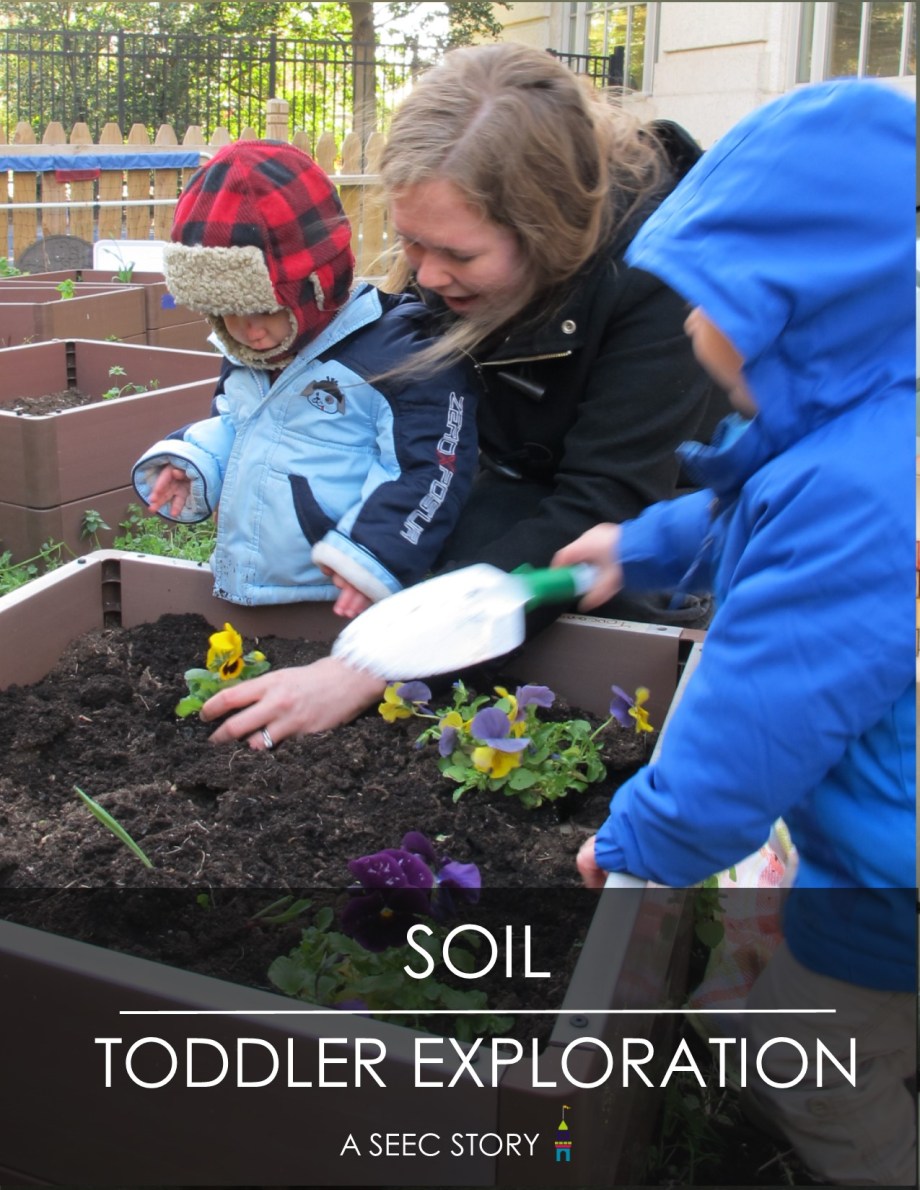
This week we are featuring Megan Gallagher, Melinda Bernsdorf, and Meredith Osborne in one of our toddler classrooms. These teachers had been exploring the children’s book Planting a Rainbow by Lois Ehlert with their students, as a means to familiarize the children with the way their environment changes in springtime. During this lesson, the teachers introduced the concept of soil, what it is used for, and one of the creatures that calls it home – worms!. While visiting the O. Orkin Insect Zoo in the National Museum of Natural History, these teachers found an innovative way to use a termite exploration tunnel to meet the developmental needs of their toddlers. They combined this museum visit with a stop outside to the playground to explore real soil in the garden, and a classroom extension to create a well-rounded experience for the toddlers.

Below you will find some photos of the lesson, and a reflection from Megan, Melinda, and Meredith.

Vertical Cover_toucan.jpg

What were your topics of exploration?

Over the past several weeks, our class has been reading the book Planting a Rainbow, by Lois Ehlert. We have used the text as a basis for our exploration of Spring. Our initial exploration of the text was focused on the concepts of light and color. As the weeks passed, our discussion shifted towards gardening. During this week we focused our attention on soil and soil dwelling creatures.

Why and how did you choose the visit?

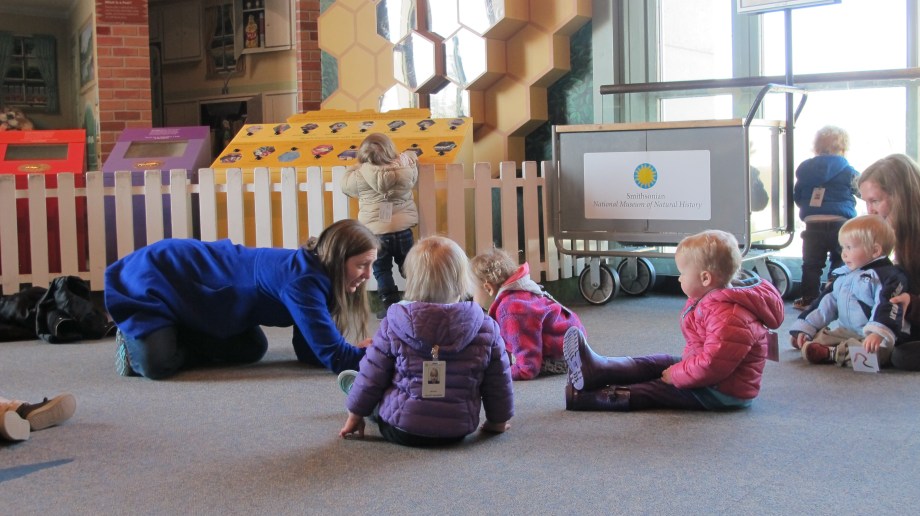
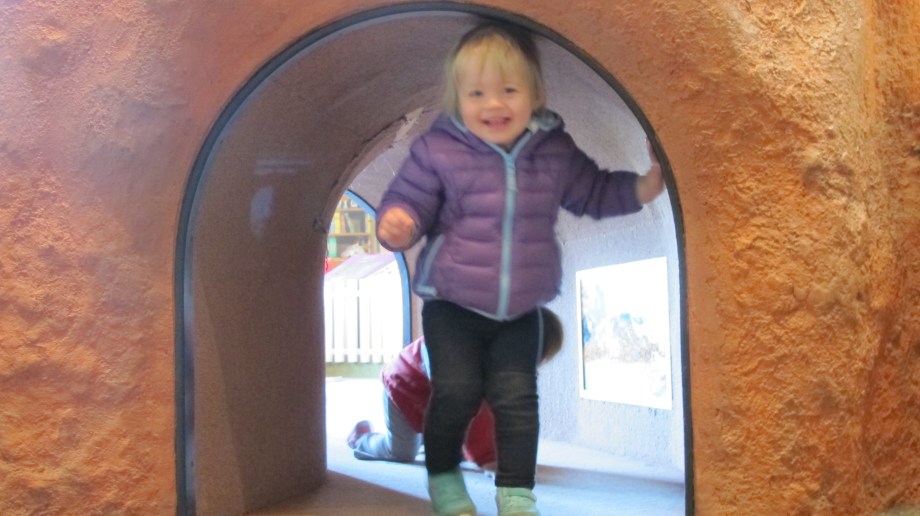
We wanted to discuss soil and worms in a way that would be accessible and engaging for toddlers. This is an age group that thrives when they are given the opportunity to learn with all of their body. Adding movement and sensory components to a lesson is a great way to add extra depth to their exploration of a topic and keep toddlers excited and engaged. The Insect Zoo at the Natural History Museum has a toddler-sized termite tunnel. We thought it would be great to have our students pretend to be worms tunneling through soil. After visiting the Insect Zoo we took a trip to our school’s garden for further soil exploration and a bit of planting.

What were your learning objectives?

Our objective was to increase our students’ understanding of the concepts of soil, worms, and gardening.

What was most successful about your lesson?

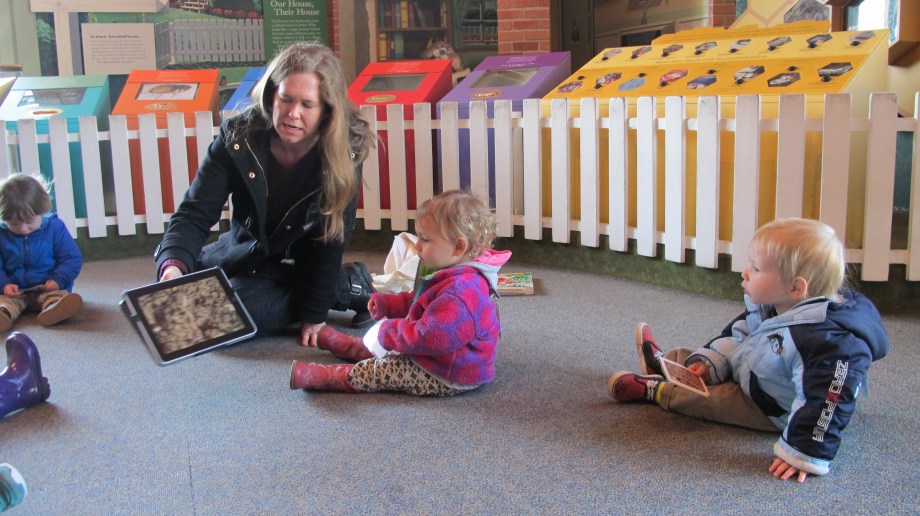
The most successful part of our lesson was the many different angles from which we were able to examine our topic. Upon arriving at the Insect Zoo we sat down for a quick circle to read Planting a Rainbow. After finishing the book, we flipped back to the page which says, “We sow the seeds and set out the plants in the soil.” We discussed how worms live in the soil and help take care of plants.

IMG_1637

This discussion was aided by several objects. We brought along laminated pictures of earthworms for each child to hold. We also brought an iPad with a video of worms wiggling in soil so that the children could see how worms move.

IMG_1649

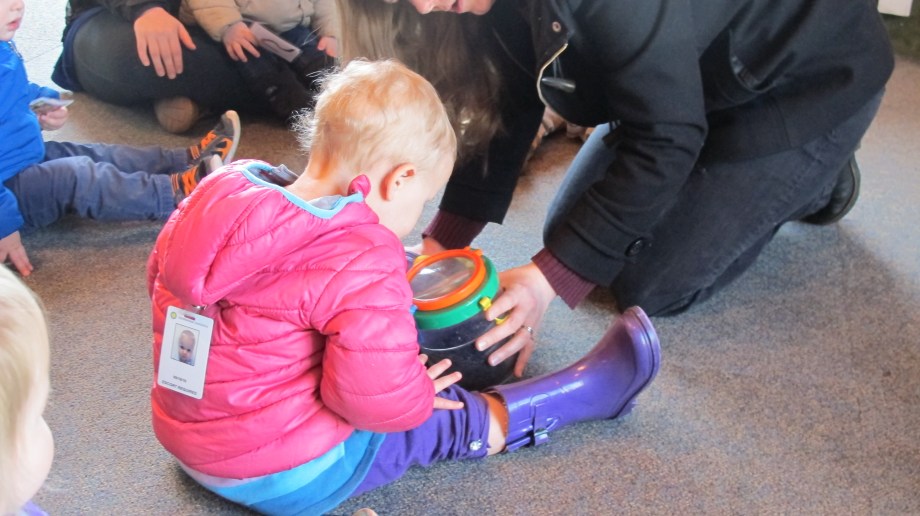
Finally, we brought some real earthworms! The worms accompanied us to the Insect Zoo in a special case with a magnifying glass top, to give the kids an up close view of the worms. We explored these objects while discussing how worms tunnel through the soil by eating dirt and wiggling through the space they create.

IMG_1657IMG_1659

After we finished exploring our objects, the teachers suggested that we could pretend to be earthworms. The kids were encouraged to wiggle on their tummies through the Insect Zoo’s termite tunnel. Wiggling through a tunnel without using our arms or legs proved to be both a lot of fun and quite the workout!

IMG_1699IMG_1678IMG_0163IMG_1690

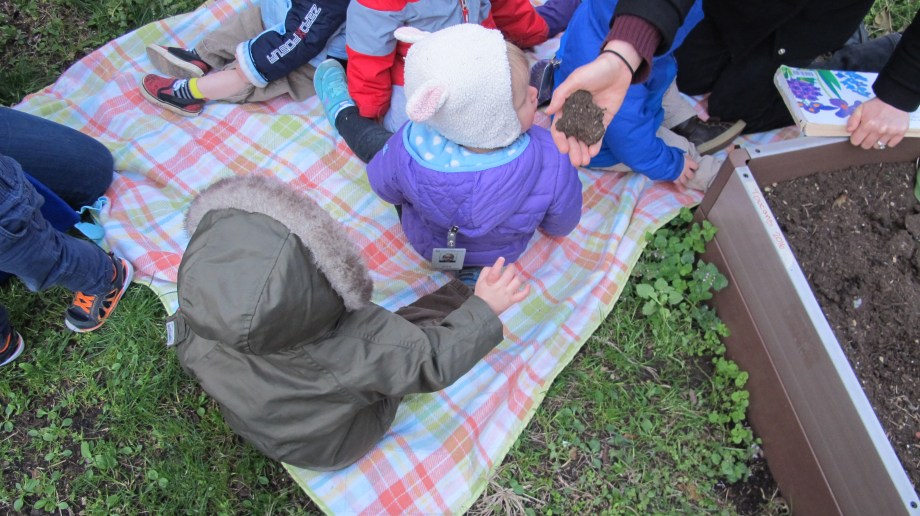
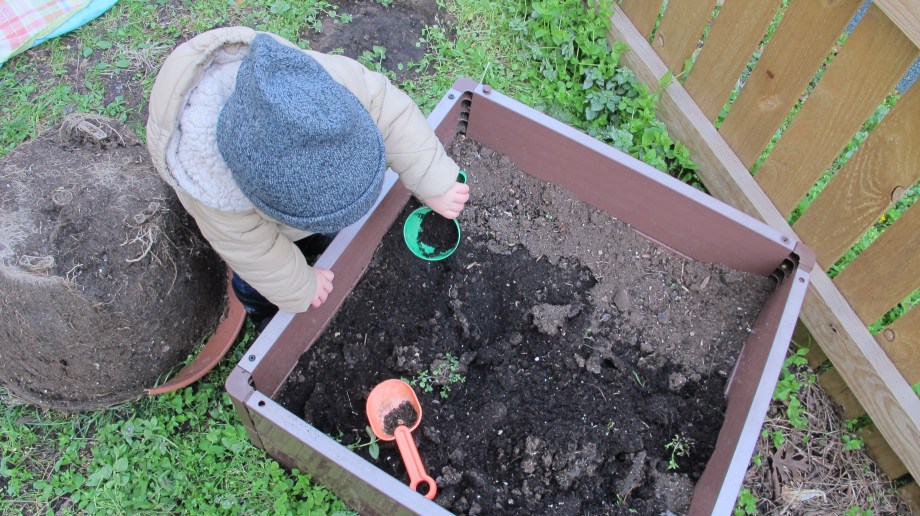
When we were done wiggling, we left the Insect Zoo and went to our school’s garden to release our worms and plant some seeds and seedlings that we had examined in the classroom earlier in the week.IMG_1772IMG_1767IMG_1797

After we were done planting, we had planned to give our students some time for self-directed exploration in the garden. Unfortunately, it was an unseasonably cold day. Due to the weather constraints, we decided to keep our garden visit brief.

IMG_1751IMG_1798

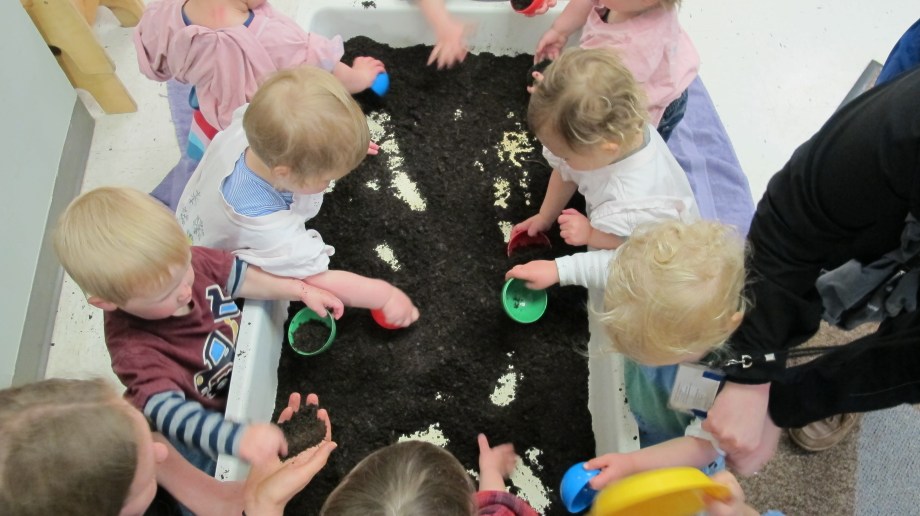
After a quick planting session, we went back to the classroom to explore dirt in our sensory table. Our students were given scoops for digging and were encouraged to explore the dirt. We talked about what the dirt looked like and how it smelled. After we had played with the dirt for a while, we decided to see what would happen if we mixed water in with our dirt. We discovered that dirt mixed with water makes mud!

IMG_1823IMG_1838IMG_1846IMG_1856

The many sensory and movement components of our lesson allowed our students to stay happy and engaged for the entire morning. It also provided opportunities for growth in many areas of development.

How did the lesson reach your objectives to expand the topic?

The various angles from which we examined soil allowed our students to gain a well-rounded grasp of the topic. We were also able to narrate quite a bit as we moved from activity to activity, which is great for developing language.

What was succesful in terms of your preparation and logistics?

The various objects that we prepared ahead of time, especially the purchasing of live earthworms, added depth to the lesson.

What could you have done differently to better achieve your objectives and expand the topic?

We could have added a book that was specifically about worms. Another great addition to our lesson might have been adding some sort of prop or costume for our students to use while they were pretending to be worms.

What was challenging regarding logistics?

The weather was very uncooperative. It had been beautiful and warm for several weeks while we were planning our unit on soil. It was unseasonably cold and windy during the week when we taught this lesson and it rained most days. We might have considered postponing until the weather improved, but we were concerned that our earthworms might not survive in our classroom while we waited for a pleasant day. We ultimately settled for a day that was cold, but not rainy, to teach this lesson.

What recommendations would you have for another teacher trying out this lesson?

As some of this lesson plan necessitates going outdoors, give yourself a window of time for this lesson. We were fine planting in our garden on a chilly day, but it would have not been possible for us to teach this lesson if it had also been raining. We had given ourselves a week’s window during planning, which turned out to be very helpful when the forecast showed rain for half of the week.

_______________________________________________________________

After discussing soil for several more days, the toddlers continued their exploration of Planting a Rainbow by discussing more creatures who live in gardens, how gardens are affected by the changing spring weather, and the types of plants and produce we can grow in gardens.Check out our Facebook, Twitter, Instagram, and Pinterest for more ideas from their unit on Planting a Rainbow! See you in two weeks with our next Teacher Feature!


Playing with Electricity

During our recent seminar, Play: Engaging Children in Object Rich Environments, participants observed a museum or community visit with our classes, who were all exploring electricity.  But how do you make electricity playful?  And how can educators make the same topic developmentally appropriate for infants, all the way up through five-year-olds?  Below are examples from our classes, ranging in age, across downtown DC, all engaging in playful learning about electricity.

Infants

Our youngest class, the Cottontails, love water play so the class chose to explore watermills . Before their visit, their teachers gave them laminated prints of paintings and images of watermills to look at, while describing their shapes and how they move.  Next they visited the Haupt Garden to play with watermill toys in a fountain to see for themselves how water, when poured onto the watermill, makes the wheel turn.  Through their play the children practiced fine motor skills, witnessed cause and effect, and heard new vocabulary.

The older infant class, the Ducklings, went to National Gallery of Art to see MultiVerse by Leo Villareal.  On their way to the museum their teachers talked about lights, and the Ducklings began pointing to lights along the way in hallways and elevators.  Once at the piece, a tunnel with a moving walkway covered in flashing lights, the children were given glow sticks and flashlights to explore on their own.  They used their fine motor skills to turn the lights on and off, waved them around to see their effect, and watched the flashing lights as they practiced new vocabulary.

Toddlers

One of our toddler classes, the Toucans, has been studying the Olympics, so they worked this lesson into their unit by learning about crowd energy.  They talked about why people cheer, and how encouragement and support can make someone feel.  They ventured to the Hirshhorn Museum and cheered on the fountain, which gradually gets higher.  While cheering for the fountain the Toucans practiced their social-emotional skills and also developed literacy skills through the use of songs and chants (“Take Me Out to the Ballgame” and “We Will Rock You”).

The older toddler class, the Dragonflies, focused on light versus dark, and how light gets its energy from different sources.  To illustrate this, the class experimented turning a lamp on and off when it was unplugged versus plugged in.  After their experiment they too went to MultiVerse by Leo Villareal at National Gallery of Art to see the small circular lights go on and off while they played with flashlights and glow sticks. They used their fine motor skills to control their lights and sang, “This Little Light of Mine”, which reinforced the concept while also practicing new vocabulary.

Twos

One of our two’s classroom, the Penguins, also focused on the “on and off” functions of objects that use electricity.  In the classroom they looked at light bulbs, and turned the lights on and off.  The class played musical chairs, which meant paying extra attention to when the radio was on versus off, while also engaging in gross motor play and practicing social-emotional skills.  To extend their learning they went to Lighting a Revolution at the National Museum of American History where they looked at a timeline of light bulbs and made observations about how they have changed in size and shape over the years.

Threes

The three-year-old class, the Wallabies, had been learning about trees, so they merged this with electricity and learned about the impact of lightning on trees.  The group went to the Hirshhorn Sculpture Garden to see Needle Tower by Kenneth Snelson .  The class discussed how storms and lightning can be very damaging to trees and buildings, but they can be protected by lightning rods, like the tall metal sculpture. They built a tower using connector toys, practicing their fine motor and problem solving skills.  Lastly, they played “Rain, Rain, Lightning” (just like “Duck, Duck, Goose”) to reinforce that lighting can be unpredictable, while also working on their turn-taking and gross motor skills.

Fours

The four-year-olds learned about renewable energy, specifically wind energy.  They went to the US Botanic Garden to see wind turbines, but found that the turbines had recently been removed.  When the teachers explained to the class that the turbines had been removed they made connections to their past study of animals and conservation, theorizing that they had most likely been taken down due to their potential harm to birds.

After learning about the parts of a wind turbine, the class split up into groups and used their bodies to create their own wind turbines with each child acting out a key role of either the wind, blade, generator, tower, or electron.  Through their play the children were actively engaged in scientific thinking about the different parts of a wind turbine, how they work together, and their effect. Working in groups to bring their wind turbine to life also gave the students a chance to practice teamwork.

Reflections

Through their observations the Play seminar participants reflected that the play they witnessed not only engaged young children in the concept of electricity, but also strengthened developmental and learning skills.  One participant was struck by the amount of learning the infants were engaged in through their water play, including their careful concentration on pouring water and making the watermills spin.  Participants also  noticed how the play and content of the lessons carried over into the walks back from their visit, for example, pointing out lights in elevators or talking about lightening.  

This day of playful electricity lessons also proved useful for our team. The experience of exploring the same topic on the same day helped us to reflect on the way we use play in the classroom, as well as how topics can be explored in a meaningful and developmentally appropriate way across ages.  We found we were inspired by each other’s unique and creative ideas about how to use the museums and community for playful, object-based, electricity lessons.  We also discussed the standard challenges of taking our students into the communities and museums, such as objects being removed right before our visit, and how we can be flexible to still achieve a successful and engaging lesson in spite of these logistical challenges. We’re already thinking about another all school project to reflect on our practice further, so be sure to keep an eye out for a future blog.

To learn more about SEEC, object-based learning, and play, join us for one of our Professional Development opportunities!