Teacher Feature: Kindergartners Explore Insects

It’s Teacher Feature Thursday!

This week we are featuring Cathryn Kis. Her kindergarten class was learning about insects and decided to spend a day learning about mosquitoes. Below you will find a reflection from Cathryn and images from some of her lessons.

Kinder_Cover

What were your topics of exploration?

We set out to explore what insects are, what makes an insect an insect, how many insects are in the world and other fun filled facts that caught our curiosity. We worked on defining the characteristics of insects and how they are the same or different. The class was particularly interested in the most unique or dangerous. We had fun using the Insect Hall in National Museum of Natural History (NMNH) as well as Dr. Adamski, an entomologist at NMNH, to get a wonderful hands on experiences with insects.

What were your learning objectives? (What did you want your children to take away from the lesson?)

I wanted the children to learn about the mosquito through both folklore and scientific research. I liked the idea of being able to use one topic and make it span across many different areas of learning. We read the story Why Do Mosquitos Buzz in People’s Ears by Verna Aardema and I wanted the children to work on sequencing. Since the group enjoyed this story, I used it as a way to practice as well as a way to define the various story elements. The children worked collectively as a team on this activity and had open discussions about which parts of the story went where. From the science aspect,  I wanted the children to use the museum as a way to learn facts and identify the different parts of the mosquitoes.

What was most successful about your lesson?

What I found most successful, was the fact that the children were able to retell the story, put the parts in the correct sequence and have fun doing the activity. They were able to take the information they learned and play a chase game on the playground using the mosquito buzzing sound and acting out some of the other parts of the story.

What could you have done differently? What recommendations would you have for another teacher trying out this lesson?

I might have had an additional set of story cards to sequence. By dividing the class into two small groups, the children would have needed to collaborate and also take on more responsibility in the activity. This may have led to even deeper discussions of the story and given me an opportunity to see which kids needed more practice with this skill. In addition, I think that providing puppets for each character in the story would give the children a wonderful opportunity to become the storyteller for their peers.

If you are planning to use this lesson in a museum I recommend arriving early. At times it was difficult to hear the sound of the mosquito despite the speaker we brought along to use in the space. I also suggest having a hands on specimen of a mosquito to better explore the different parts of the insect.

Here are a few images from their unit on mosquitoes:
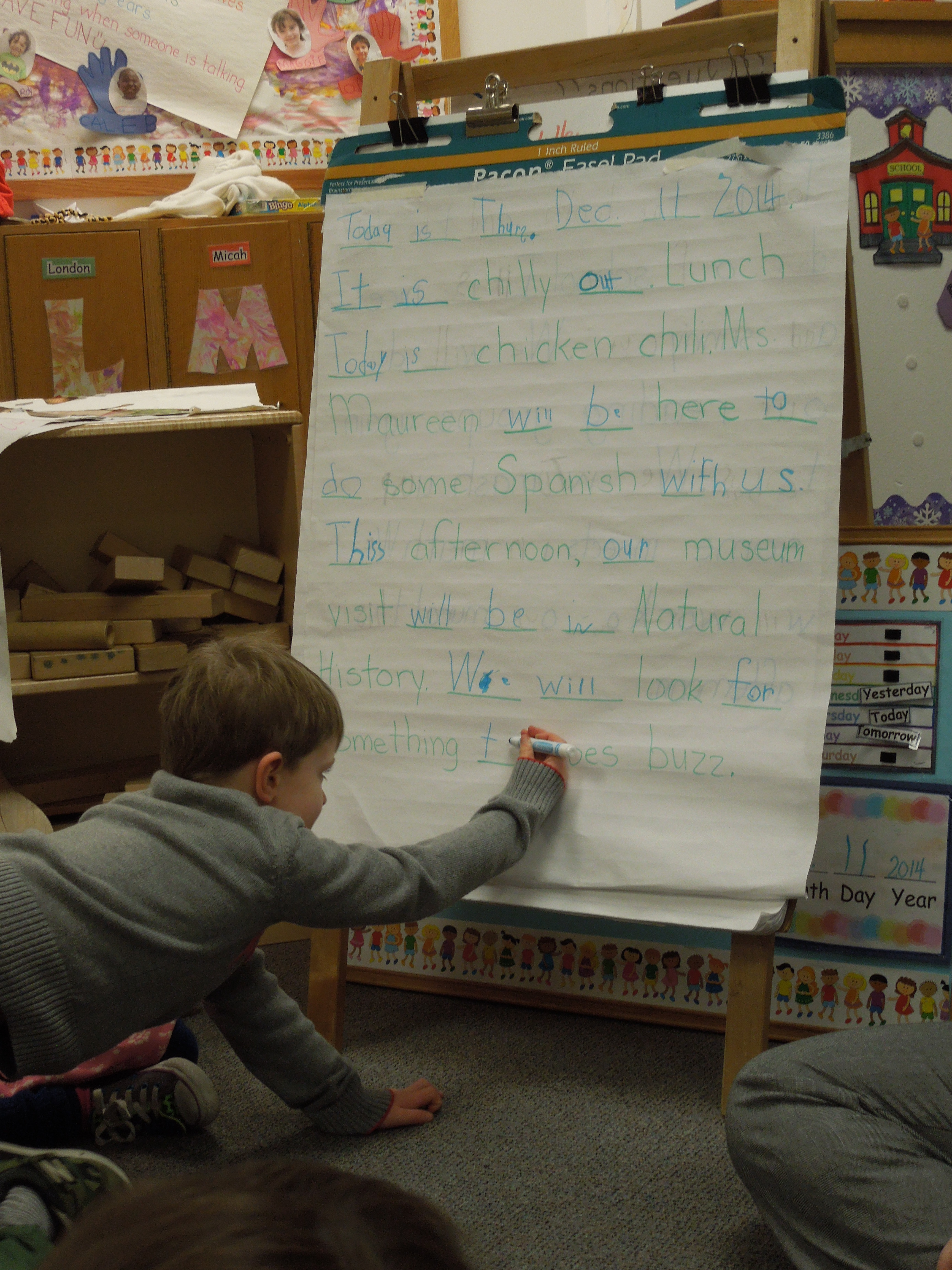
DSCN1712Cathryn began her morning gathering with a fill-in-the blank activity. The chart outlines for the children what their day will look like and also gives them an opportunity to practice their writing.

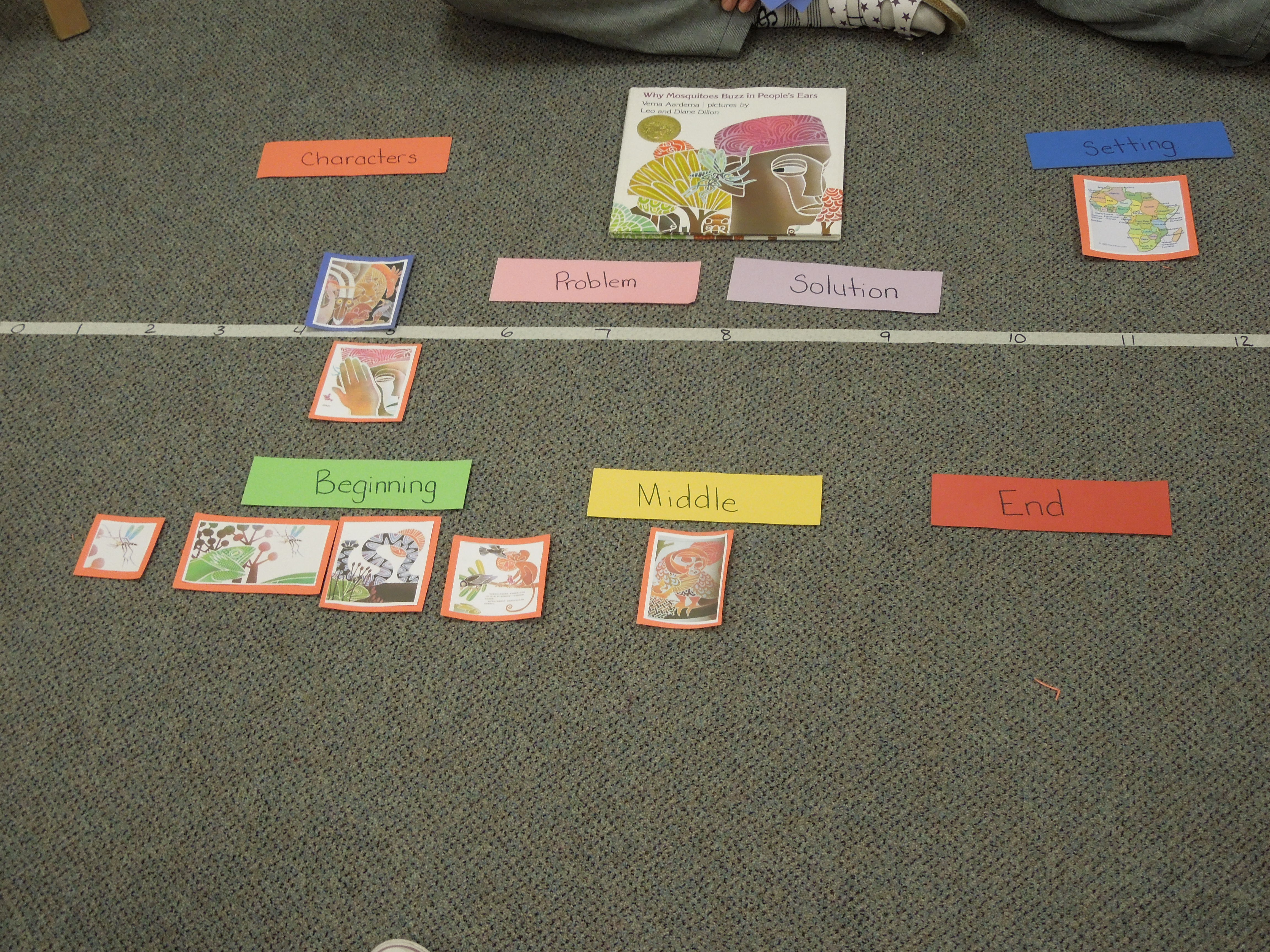
DSCN1720 Before the lesson, Cathryn made cards ahead of time that had images of the characters and labels that sectioned the book into categories. The class had been reading Why Do Mosquitoes Buzz in People’s Ears by Verna Aardema so they were familiar with the characters and plot line during this lesson. She asked the group to remind her of the different characters in the story.

DSCN1724As Cathryn read the story, she worked with the group to move the characters to the different categories.


DSCN1738

DSCN1739During their journal time she had the students create their own characters to further emphasize the different components of a story.
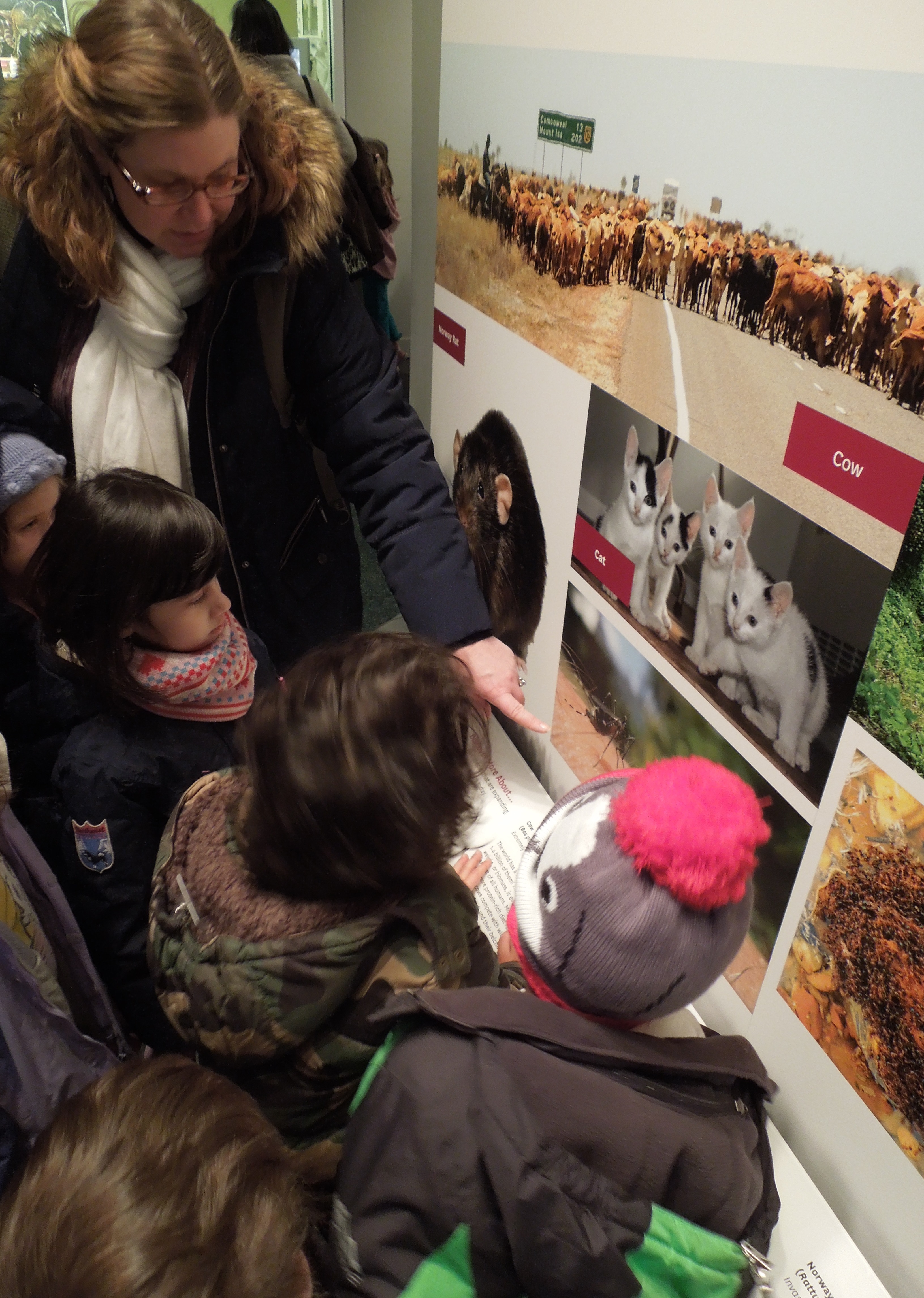
DSCN1744The group headed to the museum in search of a mosquito. They found one in the Last American Dinosaur exhibit located in the National Museum of Natural History (http://www.mnh.si.edu/fossil-hall/last-american-dinosaurs/).
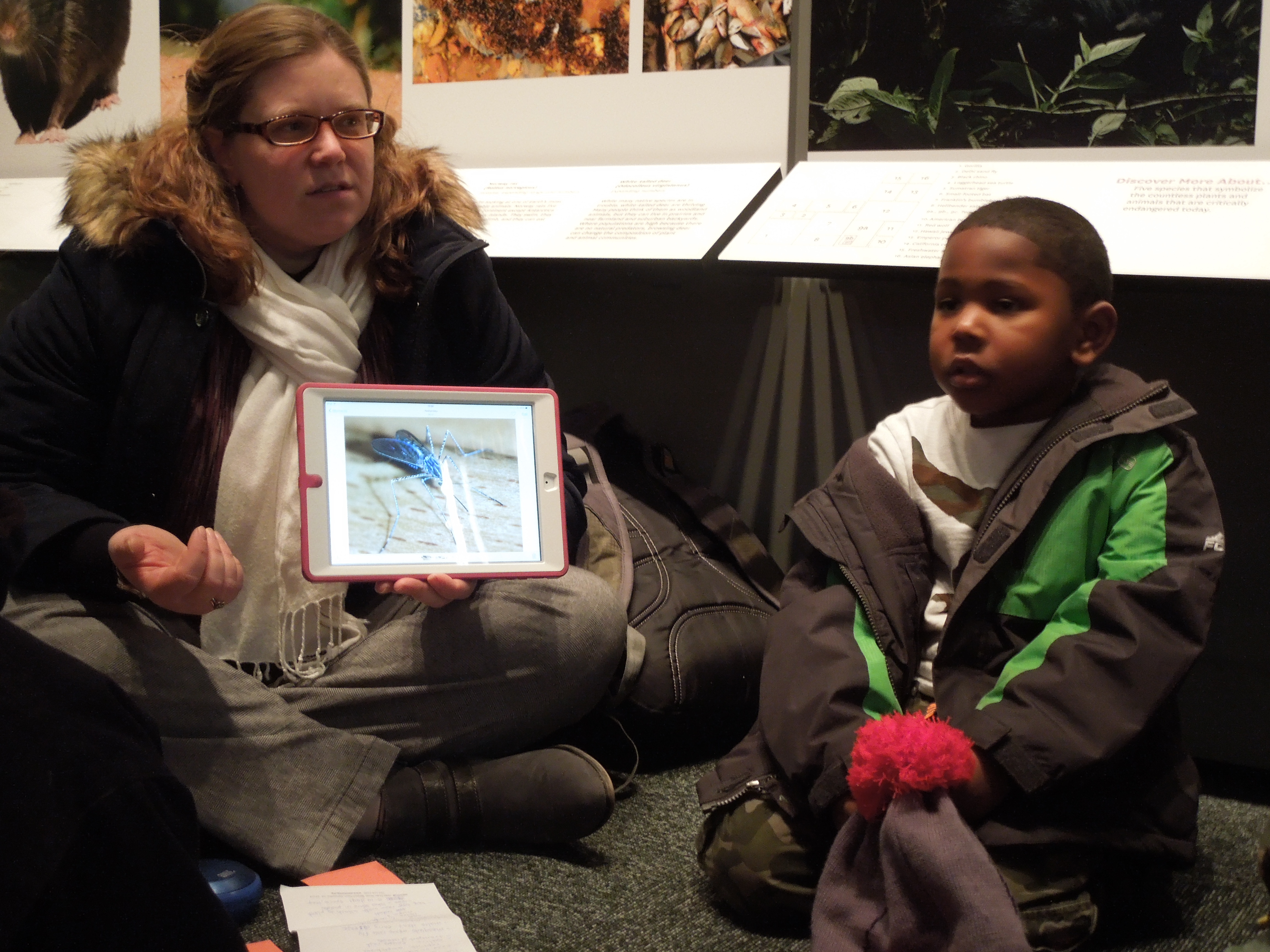
DSCN1764Cathryn showed the group images of the different varieties of mosquitoes and pointed out the parts of their body. 
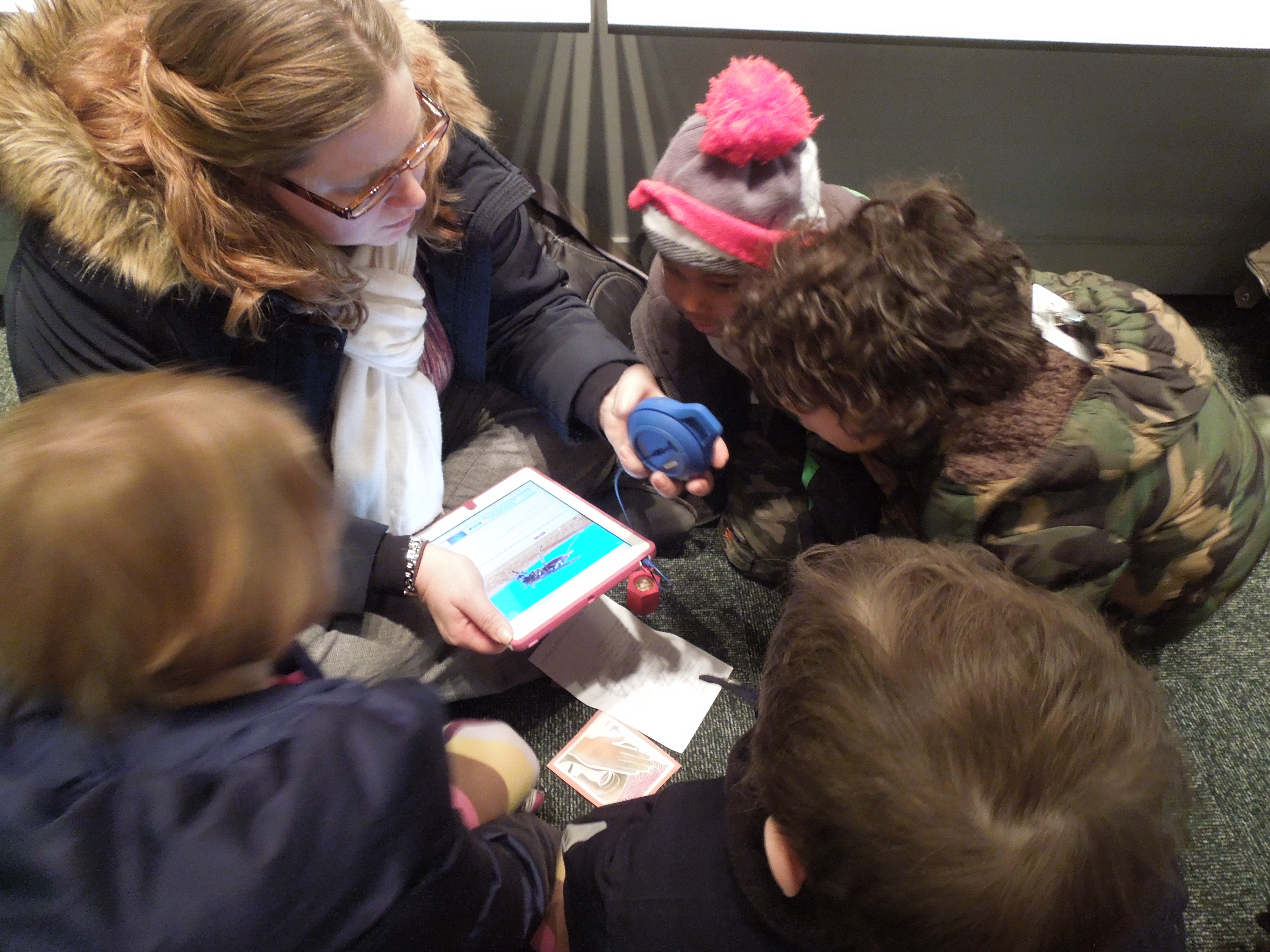
DSCN1784She then had the group listen to the sound that a mosquito makes.

DSCN1792Cathryn also brought along images from the book and had the group think about the differences and similarities between the story and scientific facts about the mosquito.

IMGP8084At the end of their unit on insects, the class hosted an exhibit!

IMGP8102Parents and other educators were invited to visit their version of the insect hall and meet with the student entomologists.

IMGP8093

IMGP8088Each child conducted a research project on a particular insect and was available to relay that information to visitors.

IMGP8094

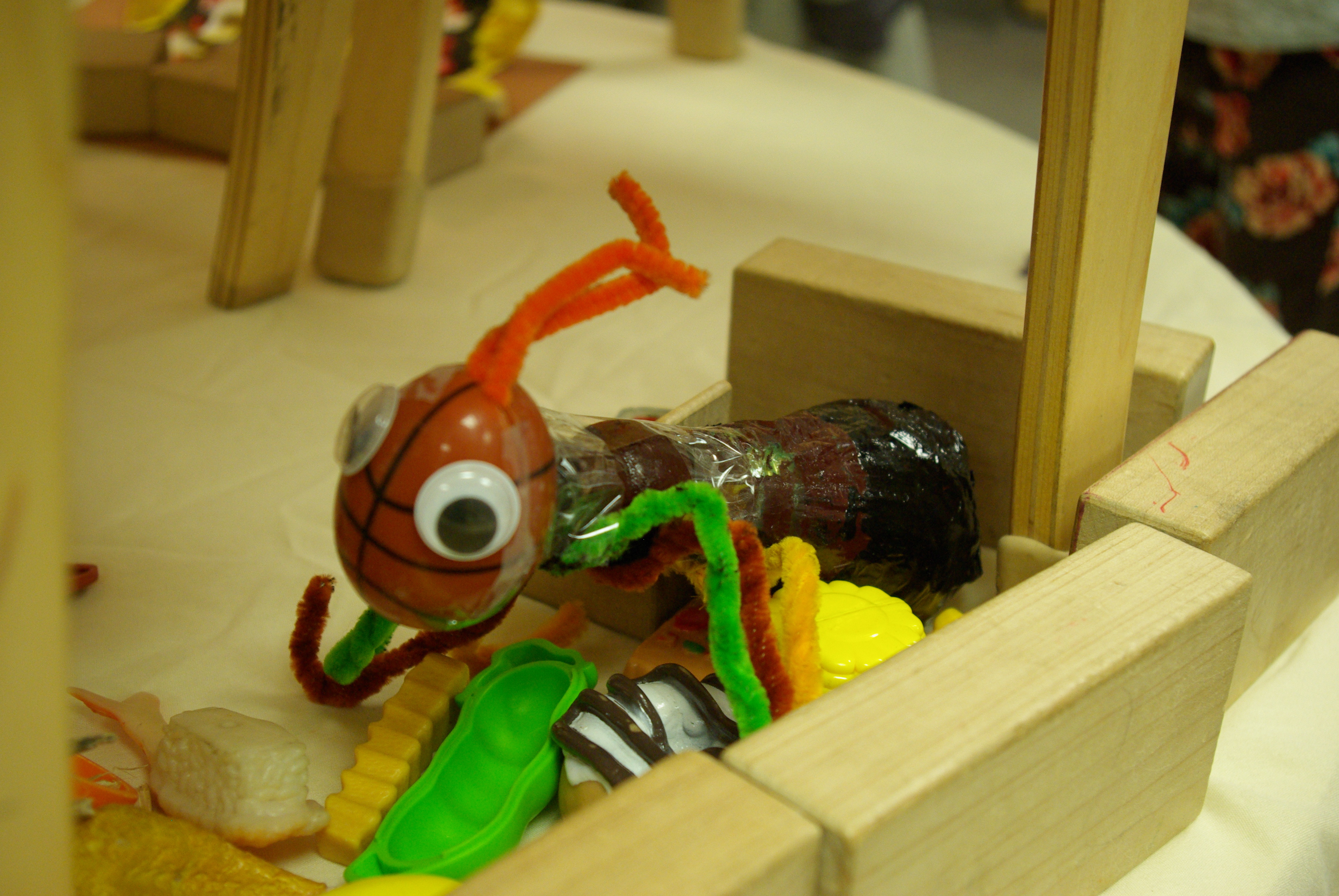
IMGP8090They also created 3-D models of their insect. The models were housed in their “enclosures” which often featured the types of food and habitat of that insect.
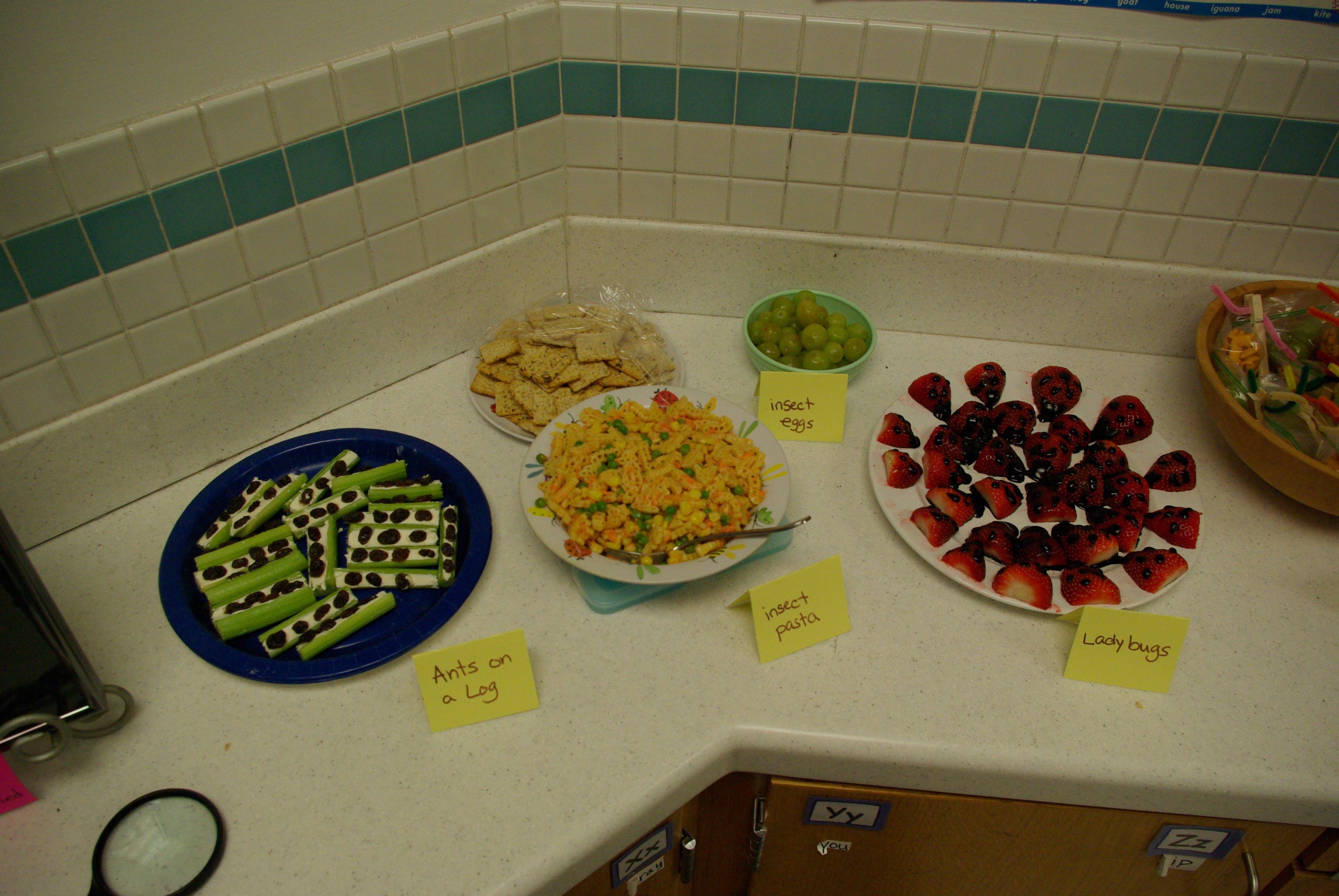
IMGP8096 IMGP8097The exhibit even featured a reciption complete with insect inspired treats and snacks.

This class had an awesome time learning about insects! Be sure to check back for our Teacher Feature next week!

Teacher Feature: Infants Explore How Things Move

It’s Teacher Feature Thursday!

This week we are featuring Meredith Osborne. Her mobile infant classroom was learning about how things move and decided to spend a day comparing how birds fly and fish swim. Below you will find a reflection from Meredith and images from some of her lessons.

Duckling_Cover

What were your topics of exploration?

We were exploring “How Things Move”. I always like to start with the concrete/familiar and move to the abstract, so we began the month looking at how we, as mobile infants, move our bodies. It was particularly fitting to focus on how we move, as this is a skill that all the children in my class are working on, experimenting with, and perfecting.

On this particular day, we had expanded to “How Things Move: By Land, By Air, and By Sea”. We started by visiting “The Birds of D.C.” and “Once There Were Billions: Vanished Birds of North America” exhibitions. To keep with the idea of starting based in the concrete, we went outside earlier in the week to look at the birds on the National Mall, which introduced the ideas of birds and flying. Since we were not able to touch any of the birds in the exhibitions, I brought toy stuffed birds ( falcons, mallards, and cardinals) with us to hold and explore while in the exhibition. We also listened to bird songs, tried our best to mimic the birds by flapping our arms, and attempted to copy the bird calls. Later that day, we played with feathers, felt their textures, dropped them through the air, and blew air through them.

After visiting the bird exhibitions, we moved on to “How Things Move: By Sea” and watched the fish swimming in the coral reef aquarium. While watching the fish, we talked about what we were observing and sang the song “Let’s Go Swimming” by Laurie Berkner.

In the afternoon, we dropped objects in water to see what would float and sink. I asked the group, “did anything swim like a fish?” To finish up the lesson, we did a semi structured story time (structured for the teachers in that we built a routine, but mostly unstructured for the children), where we read “The Little Blue Truck Leads the Way.” I laminated images of the characters in the books for everyone to hold while we read the story. While “The Little Blue Truck” by Alice Schertle did not fit perfectly into the lesson for the day, it did fit perfectly into the overall lesson of “How Things Move” and we had been reading it all week to become familiar with it. By reading it daily, the book quickly became one of our favorites. We ended the storytime by singing our closing song, “If You are happy and You Know It!”

 What were your learning objectives? (What did you want your children to take away from the lesson?)

For this lesson, I was interested in introducing the large concepts of what floats and flies. I was also hoping to practice some gross motor skills through flapping our hands like birds and to provide a sensory experience through touching water and feathers.

However, with this age learning objectives are very fluid. My goal is to provide the children with a new experience and see how they interpret it and work to make it their own.

 What was most successful about your lesson?

In a word: Experimenting. In a reflection on our classroom, one of my teaching partners explained she likes “how we try new things and are not afraid of it.” It can be hard to experiment, because you need to find the balance between routine / stability and the change that comes with trying new things. Both routine and new experiences are vitally important to the mobile infants; it is the challenge of the teacher to make sure that the classroom has an appropriate balance of both for each individual child.

Experimenting can also be a difficult thing to observe. I go into the classroom everyday knowing that I am experimenting and changing variables to see how the children will react. As a result, this means that no lesson will be the ideal. For this particular observation, we had just started doing our semi structured story time. We, as teachers, were working to establish a routine and the children, as learners, were working to comprehend the purpose of story time. It was exciting to do, but it had not been worked out fully. We have changed several things about our story time format and continued to make our stories more interactive since this lesson took place.

What could you have done differently? What recommendations would you have for another teacher trying out this lesson?

I would recommend that other teachers observe their mobile infants carefully and try to change the lesson according to the child or group of children’s individual needs and interests. Planning is very important for mobile infants. It is good to plan an experience that starts with the concrete and moves slowly towards the abstract, but do not be upset if your lesson does not fully jump into the abstract, as that is not developmentally appropriate. Provide experiences that involve all the senses if possible. Reach for ways to incorporate touch, taste, smell, and sound; do not rely purely sight. Always have new things for little hands to hold and explore while they are looking at an object. Enjoy your time interacting with the children! It is your opportunity to learn from them as much as they are learning from you!

Here are a few images from their unit comparing the movement of birds and fish:

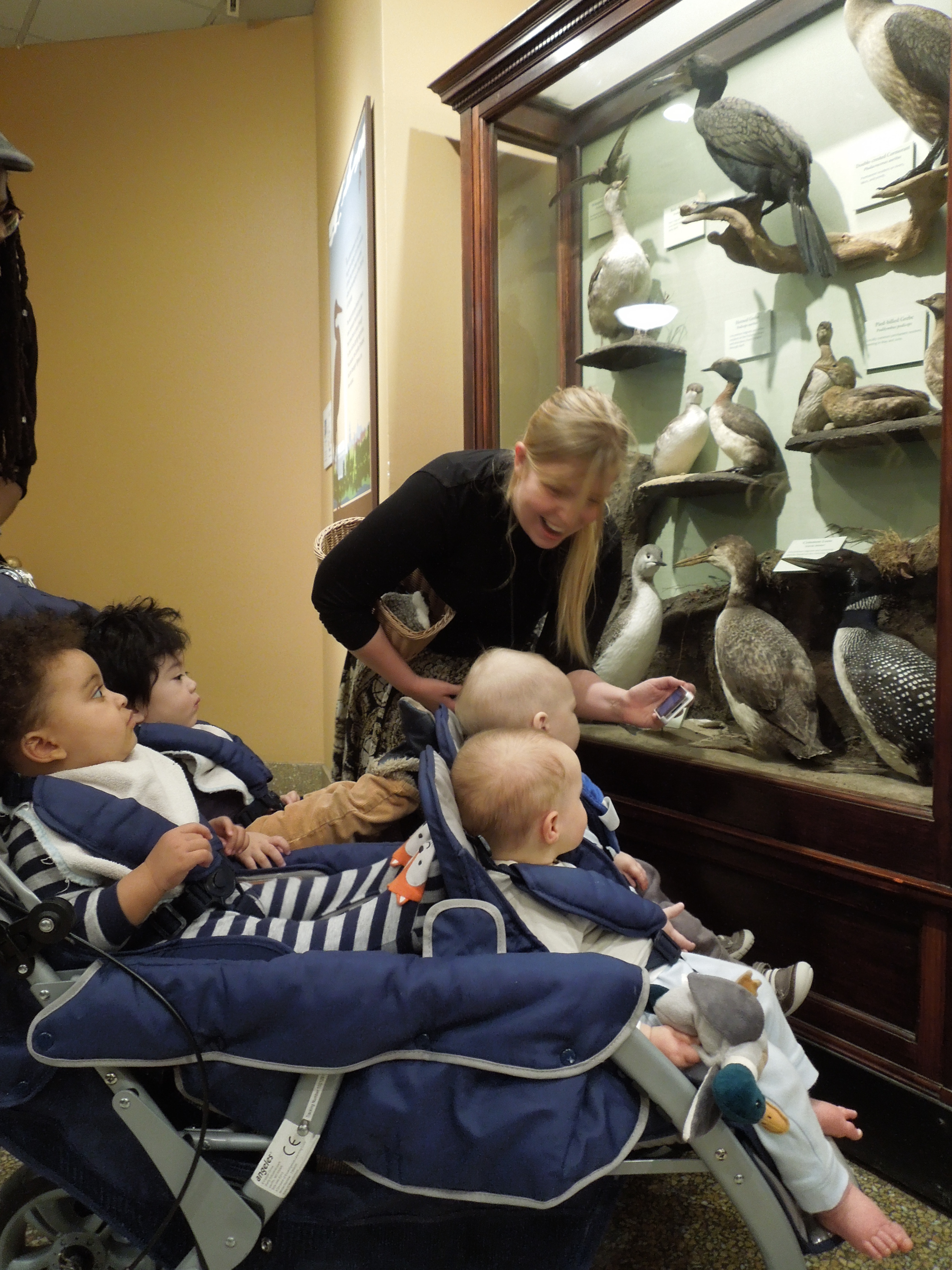
DSCN1613Meredith began their lesson by passing out different stuffed birds for the group to hold and explore. They then headed straight to The National Museum of Natural History to see the “Once There Were Billions: Vanished Birds of North America” (http://bit.ly/16SbzAu).


DSCN1636As they wandered through the galleries they worked on matching their bird to the ones on exhibit.

DSCN1647Meredith had pre-downloaded sound bites of the different birds to share with the child once they had made a match.

DSCN1656When the duck was matched the group all quacked and flapped their “wings.”

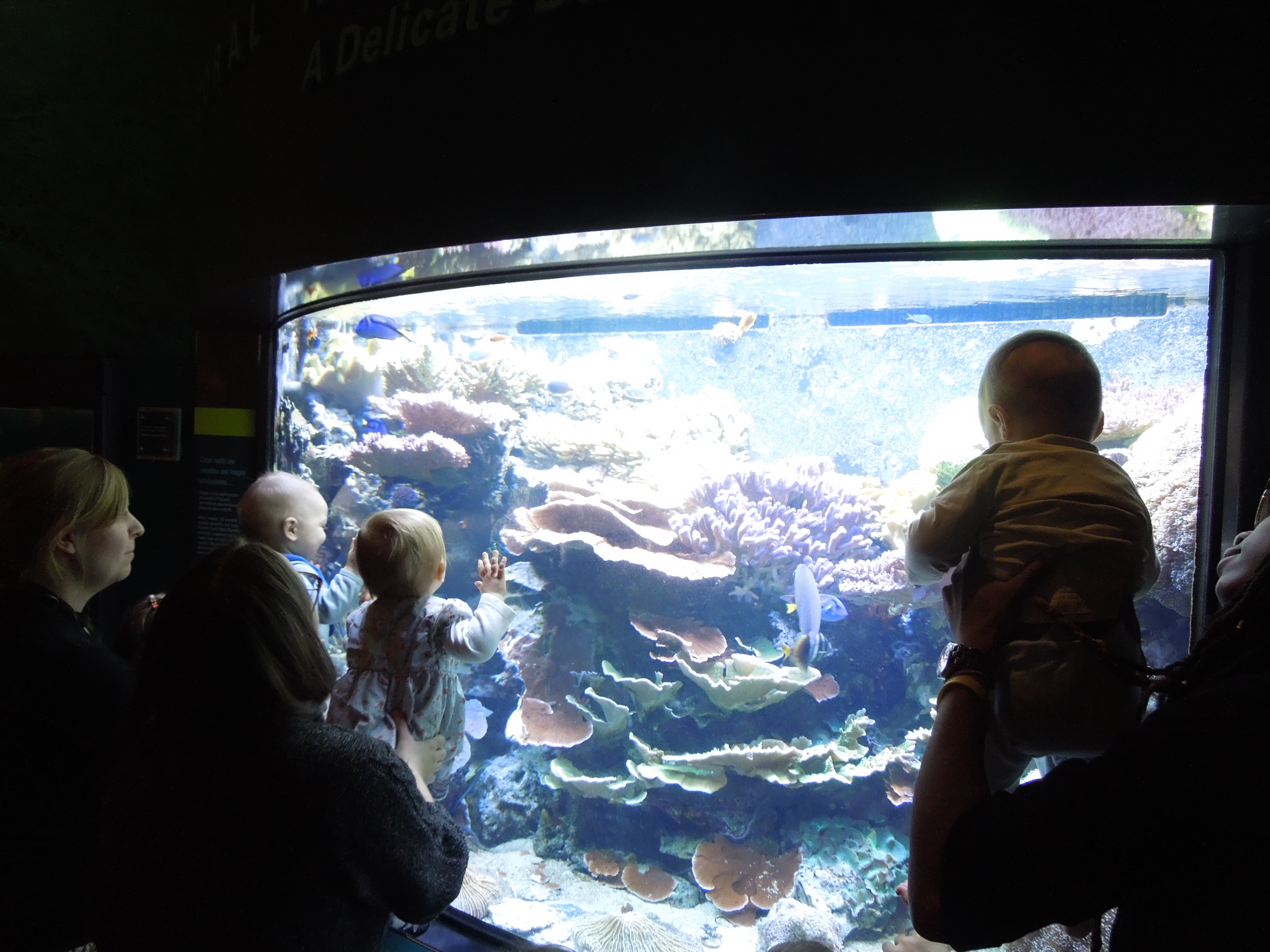
DSCN1659The group then headed up to the Ocean Hall (http://bit.ly/1zLDrSx) to watch some fish in action.

DSCN1667The group was mesmerized and loved being able to get so close to the fish.

DSCN1672While looking at the fish, Meredith lead the group in singing “Let’s Go Swimming” by the Laurie Berkner Band.

DSCN1689After nap, the children gathered to read the Little Blue Truck by Alice Schertle. Meredith had printed and laminated images from the book to give the children something to interact with during the story.

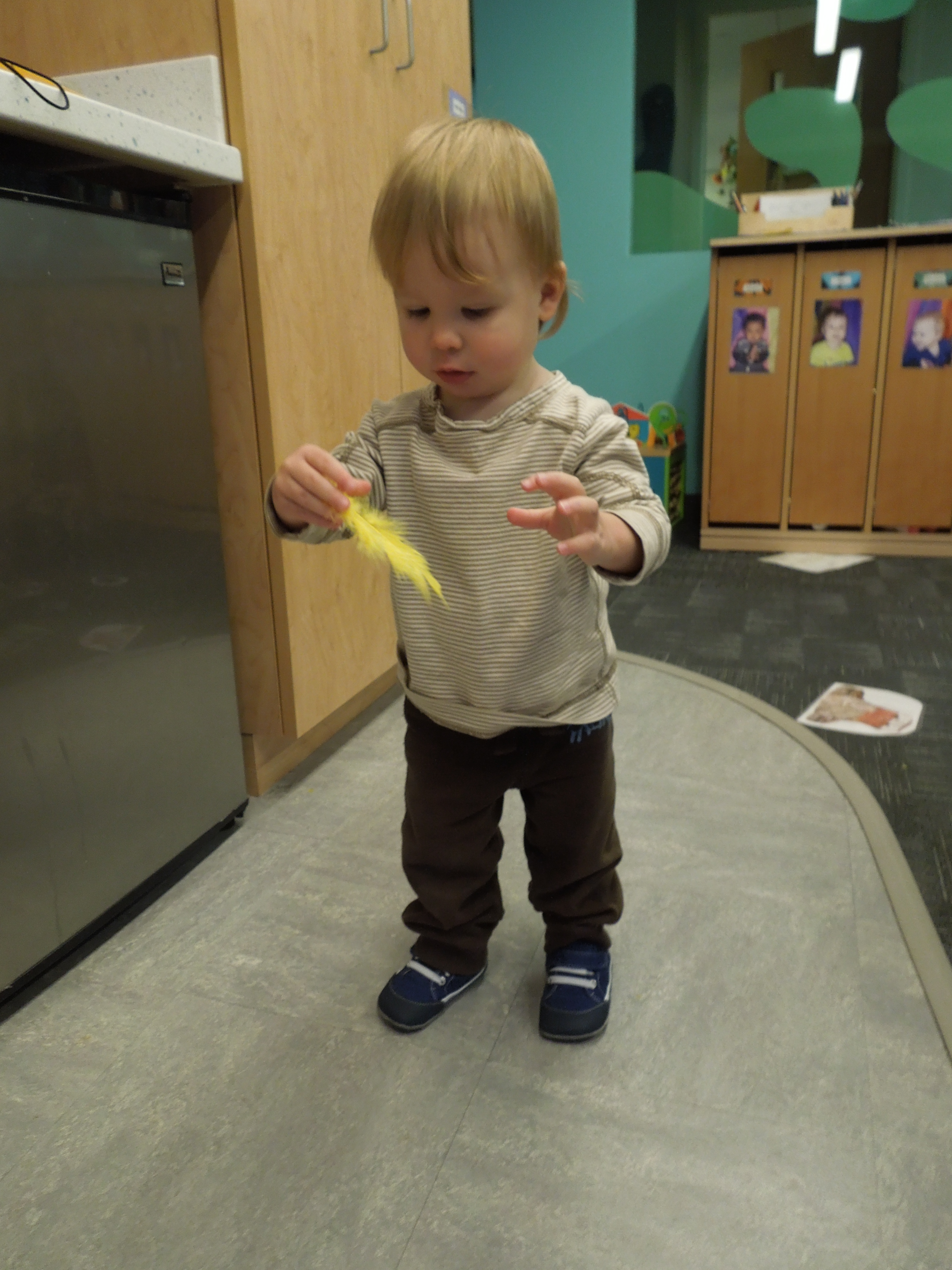
DSCN1699 DSCN1700Once they had finished, Meredith passed out feathers to the children. The group had a great time blowing on the feathers and watching them float to the ground.


This class had an awesome time learning about how things move! Be sure to check back for our Teacher Feature next week!

Teacher Feature: Four Year Old Classroom Explores Camelot

It’s Teacher Feature Thursday!

This week we are featuring Will Kuehnle. Will’s pre-k four classroom is currently learning about Camelot. Below you will find a reflection from Will and images from some of his lessons.

Print

What were your topics of exploration?

“We were exploring the world of King Arthur and Camelot. The children at the beginning of the year were enjoying the idea of dragons chasing them when we were running around on the playground. Dragons were also popping up during our chatter around the snack table. I definitely noticed an interest. My associate teacher and I put our heads together to think of a topic to explore that would quench the students interest, touch on topics we thought would be useful for the children to have as a foundation for the year ahead (chivalry, community) and also allowed us as educators to have a wide variety of ideas to teach upon, which makes lesson planning fun and flexible.”

What were your learning objectives? (What did you want your children to take away from the lesson?)

“I always want my students to take away a sense of enjoyment from a unit of study. I want them to have that everyday we are together, no matter if we are going on an exciting museum visit or stuck inside the classroom on a rainy day.  For this particular unit I wanted to have each student have a strong sense of what the code of chivalry was, because that can be applied to so many routine situations throughout our day. I wanted to be able to focus my language with children around kindness, bravery, loyalty, community and justice. To be able to do that with such a fascinating backdrop as King Arthur and the Knights of the Round Table was a real treat. Another objective I had for the students was to nurture their sense of adventure and curiosity towards learning. We can take that energy and harness it towards future lessons and topics this year, I’m really excited to see where this year leads us.”

What was most successful about your lesson?

“I believe the way the children used what we were discussing into their play was the most successful. I did not notice it at first, but after a few weeks into the unit the play structures in the classroom were really developing. The dramatic play we had in the classroom, the manipulatives the children were using, the art they were making and the games they were creating on the playground were centered around the world of Camelot. The children were so whimsical in their approach to the unit that you really saw what you were talking to them about sink in. I am able to suggest to a child that they be knightly or chivalrous and see them reflect with positive reaction to the choice they are making.”

What could you have done differently? What recommendations would you have for another teacher trying out this lesson?

“Reflecting back on the unit, which is still going on up until our knighting ceremony on December 18th, I wish that the transition of topics within the unit were more thought out and not as rushed. I think we were really excited to dive head first into something for the start of the year that we barreled through ideas that we could have taken more time on. Maybe it was because we wanted to go from looking at the places of Camelot, to the people of Camelot, to the stories of King Arthur, to the code of chivalry, to how castles were built and protected, etc. As an educator I am trying learn how best to balance all the information there is to know and all the information I believe is best for my students to know, and then unveiling that in a cohesive story line that is engaging and enriching for them. I think having a strong idea of what you want to the overall story to be in the unit when you are first venturing out is very helpful, and that is something I struggled with in this unit. At the same time you always need to be flexible.”

Here a few images from their days in Camelot:

They began their exploration of the topic with the story of the Sword in the Stone. Will had the students create their own stone from a cardboard box and painted paper. They were very surprised and excited when Merlin dropped off a sword later in the day.

IMGP8021To encourage close looking, Will asked the children to create their own illustrations of the sword for their journals.

IMGP8008

IMGP8022The children were very thorough in their illustrations. Some even included the text found below the sword.

IMGP7996DSCN0837The children were then offered the opportunity to try and pull the sword out of the stone. Will explained that the person who was able to remove the sword from the stone would be the rightful ruler of their kingdom. He reminded the children that they might not be the strongest or largest person but the one with the truest and kindest heart would be able to claim the sword. In the end it was their center director Megan who was able to remove the sword from the stone and students talked about why she would make a great ruler of their kingdom.

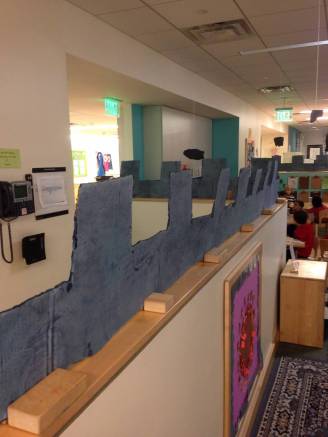
file (16)file (17)Will also began to alter their classroom to take on the attributes of a castle. Above the students are painting the castle wall and below you can see it installed in their space.

DSCN1099DSCN1096In addition to the castle wall, Will wanted a way to track their their progress through Camelot so they created a board with the different locations they might travel. As part of the board, he also created popsicle sticks with images of the children as their favorite Camelot characters which will move around the board as they continue through the story.

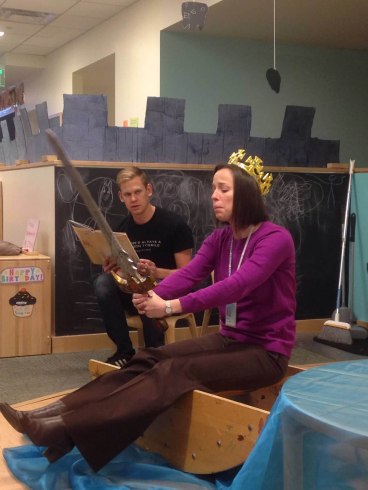
file (14)The group was so excited about Excalibur that Will decided to do a theatrical reading of the Lady in the Lake with help from a few educators and our site director.

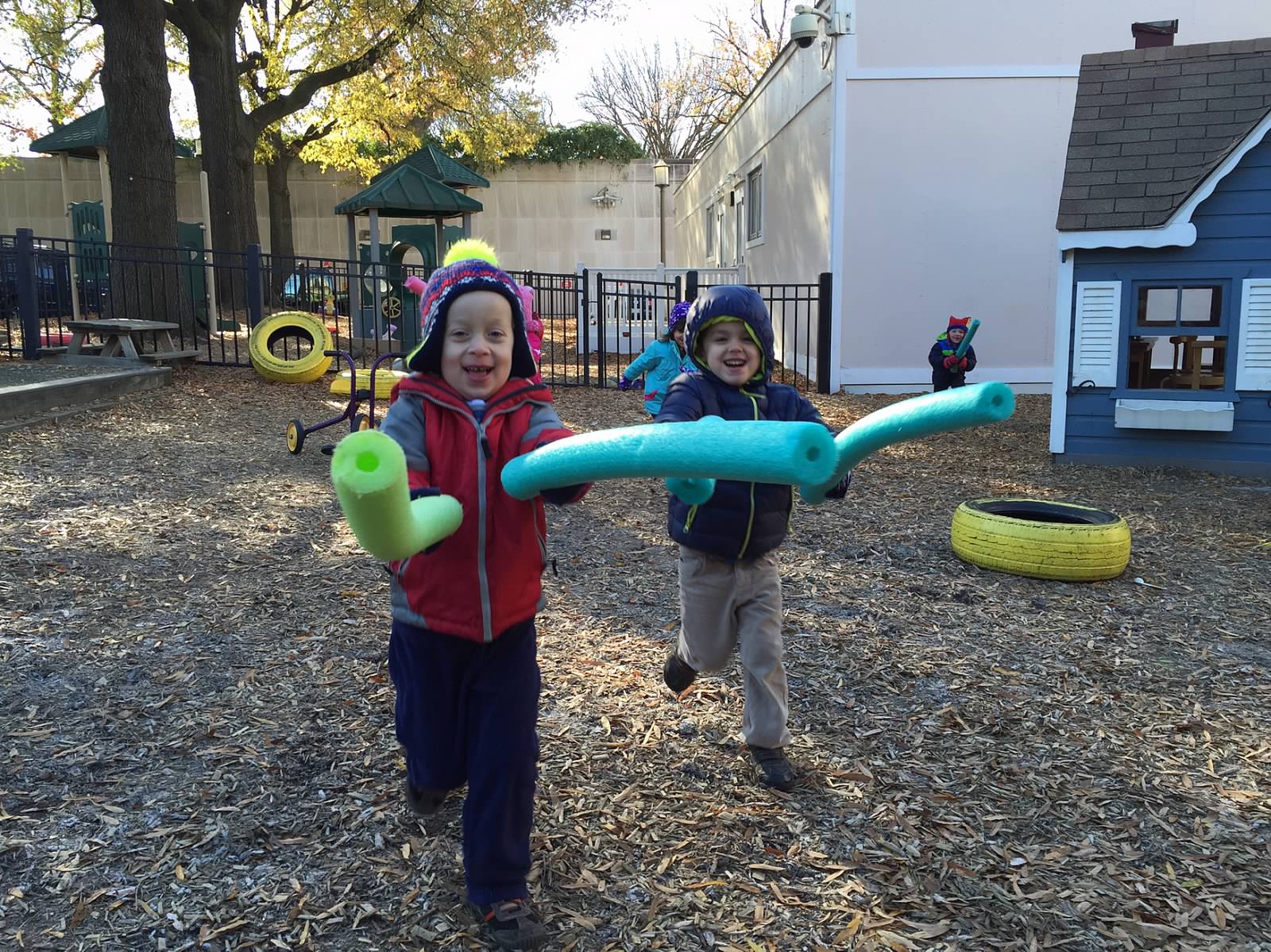
file (20)Their exploration of Camelot even extended out to the playground where they used pool noodles to do some jousting.

The children continue to be extremely excited about this topic and have exciting adventures in Camelot. Be sure to check back for our Teacher Feature next week!

Ready Set Go

Post by Betsy Bowers, Director of the Center for Innovation in Early Learning
As another school year comes to a close and we begin to say farewell to the many children who have spent the past 5 years or so with us, it’s hard not to wonder what’s ahead for them. Our educators tirelessly support SEEC students as we help them make sense of the world, love learning and grow into thoughtful young citizens. Over the course of this past year, a group of SEEC educators discussed what our students should be able to do when they leave SEEC.

Critical thinking and analysis.

Critical thinking and analysis.

There’s quite a long list. A few of the things we agreed on were that our students should leave SEEC being able to solve problems, be responsible, take risks, understand their role in the community and their ability to affect change, have compassion, respect and empathy for others, and communicate their ideas.

It’s a lot to ask a 5 year old if they know how to solve a problem or be responsible, because of course they will say, “yes.” We are, after all, working on having them leave SEEC with self confidence so a positive response is expected. Because I wanted to find out if our 5 year olds are entering Kindergarten as independent thinkers, I asked a few of them this more indirect question: “If I told you that five of your friends wanted you to climb up the Washington Monument so that you could jump off, what would you say?” One student gave me an odd look and responded, “That’s not really a good idea.” One student did say, “Yes.” We’ll hope that she has some clever ideas about how to do that safely. One student simply said, “Ouch,” while a few others were much too busy to want to elaborate and so responded with a “no.”

Ability to share ideas.

Ability to share ideas.

The response, though, that reminds us that all these skills are intertwined and expands our notion of “independent thinking” was this – “Only if we could jump off like a cannonball and onto a big trampoline!” Of course, why didn’t I think of that?

Here’s hoping that this playfulness, creativity, critical thinking and overall healthy outlook on the world that we have worked so hard to nurture is embraced by our elementary school colleagues and the world. Good luck, dear friends, as you now go and bravely pursue life.

Self esteem and confidence.

Self esteem and confidence.


5 Things I Learned About Art From Children

For the past year and a half, SEEC has worked with the Memphis Brooks Museum of Art and the Lifelong Learning Group on a project designed to positively impact the educational experience of young children and their families through the arts. As we collaborated with the Memphis based museum educators, docents and early childhood teachers to create meaningful interdisciplinary classroom and museum based hands-on activities, we found that each of us learned more than we imagined possible at the start of the project. The following post presents one great unexpected example of the project’s impact.

Thanks to the partnership with the Brooks Museum of Art, the following is posted on behalf of docent Cheryl Caldwell: Docent Leading Group

5 Things I Learned About Art From Children

Art is so much more than just art: It can be science, culture, motion, and history, as well as color, line, and shape. Young children naturally think like artists, and their imagination is at its peak during their early development as students. Yet educators struggle with ways to develop and instill creative and critical thinking skills—crucial tools that this generation needs to utilize their creative impulses in educational and civic pursuits. As a docent at the Memphis Brooks Museum of Art, I work in conjunction with the Smithsonian Early Enrichment program, engaging Pre-Kindergarten and Kindergarten children from Title 1 schools, where 40 percent or more of the students enrolled are eligible for free or reduced lunches.

Equipped with my knowledge from the six-month docent training course, I teach these children about visual art in a museum setting. As a new docent, I am excited to introduce children to a museum and see that they fully experience all it has to offer. At the Brooks, children have the opportunity to see, touch, and feel the materials an artist might have used in creating a piece. Engaging these children in this setting while they are young takes the fear out of the museum experience and brings out the fun. Of course, the kids aren’t the only ones gaining from this experience.

Here are the top five things I’ve learned during my first year as a Brooks Museum docent:

▪ Get down low and look up at the artwork through the eyes of a child. This perspective might just give you new insight on a piece of art you thought you knew all about.
▪ Art inspires critical thinking rather than getting the right answer
▪ The smiles and enthusiasm are contagious.
▪ You won’t know everything, but you will probably learn something new with every tour.
▪ Children are far smarter and more creative than we give them credit for. You will often be amazed at how much they can offer if you take the time to watch and listen.

Participating families gathered in the Memphis Brooks Museum of Art.

Participating families gathered in the Memphis Brooks Museum of Art.