
Parent as Teacher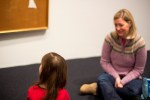

It has been a long time coming, but spring is finally here and it is the perfect time to introduce your child to some of the changes that are occurring right in front of their eyes. I recently did a lesson on clouds for a family workshop and that, coupled with, some fantastic lessons from my fellow teachers was the inspiration for this blog. These ideas are a blend of natural observation, art, science and museum visits and have all the components of STEAM. STEAM is a popular and important educational movement, which advocates for using science, technology, engineering, art, and math as a means through which children can learn and develop critical thinking skills.
Parents, remember you are your child’s teacher too. When you teach them you are expanding their world, sharing your interests and bonding. Don’t feel like you have to be a Pinterest guru and spend hours developing a lesson or buying materials. Instead, keep it simple and have fun by using ideas that are easily accessible and follow your own interests.
Clouds and Rain
Natural Observation
- Walk outside during a light rain and enjoy the feeling of the water or notice the water droplets on the leaves.
- Feel the ground after a rainstorm and notice the difference in texture and weight when it’s wet.
- Notice how the sidewalk changes color after its wet.
- Take a picnic to a nearby park and spend time observing the clouds. Look for shapes and movement.
Science Experiment
- Fill a cup with water and top it off with shaving cream. Add food coloring. Eventually the food coloring will begin to fall when the shaving cream is too full, just like rain falls when a cloud is too full of water.
- For infants and toddlers, they will enjoy watching the color and might not understand the concept of the cloud, it will help them understand from where rain comes. Consider using different colors and having fun with it.
Literacy
- Eric Carle’s The Cloud works well for infants through preschoolers. When you are reading to your child, remember to include them in the book too. In this book, for example, you could ask them what sounds a sheep makes or encourage them to move their arms like a wave when the cloud passes over the ocean in the story.

3-year-olds at the National Gallery of Art
Museum Visit
- Choose a straightforward piece like Ships in Distress of a Rocky Coast by Ludolf Backhuysen at the National Gallery of Art and bring a few simple scarves to reenact the wind from the storm.
- Choose something more imaginative like the Dangerous Logic of Wooing by Ernesto Neto at the Hirshhorn Museum and Sculpture Garden. We made tactile clouds by filling white nylons with marshmallows. Even the adults loved them.
- Don’t live in DC? Visit your local museum or explore these pieces online with your child–that is some worthwhile screen time.
Art Project
- Make your own clouds with blue construction paper, cotton balls and glue.
- Make umbrellas using a half paper plate and Popsicle stick. We used do-a-dot markers to decorate them. These are not messy and the perfect size for older infants and toddlers to use.
Gardening
Now that you have had some fun with clouds and rain, your child might be interested in other, related topics. Here are a few more ideas!
Natural Observation
- Get out the sand toys and play in the dirt. If you want to keep things a little neater, you can always grab a large tub and fill it with dirt. I find that a little goes a long way. The sensory experience will give infants and toddlers the chance to experience different textures and to practice filling and dumping.
- Preschoolers might enjoy the opportunity to plant a few seeds and watch the outcome of their efforts. Not only will they see the physical changes that will occur, but they will likely take ownership and pride in their planting.
Museum Visit
- Local gardens are everywhere! Even if you just visit a neighbor’s garden.
- Visit a farmer’s market.
- My top DMV choices are: the Victory Garden at the National Museum of American History, the US Botanical Gardens and Brookside Gardens in Silver Spring
Fun in the Kitchen
- Use this chocolaty recipe for making dirt and include some gummy worms for added realism. The kitchen is a great place for a young child to learn because of the countless learning and developmental opportunities like: math – sorting, counting measuring, fine motor skills – pouring, stirring, sensory input, practice working together and following directions.
Literacy
- Lois Ehlert’s books Eating the Alphabet or Planting a Rainbow.
- Flower Garden by Eve Bunting and Kathleen Hewitt
Keep visiting us for more ideas. Enjoy your time together and the beautiful spring weather.

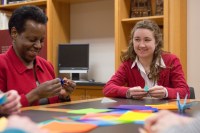
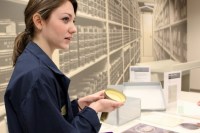 ngful was the amount of time that families took to work together to create a family treaty. Many took the task to heart as they learned that this type of agreement between two nations required conversation, cooperation and compromise. A wide variety of ideas were discussed. For example, younger family members agreed to clean up their rooms in exchange for time to play with a special toy. Teenagers agreed to balance their screen time with in person family time together. And, members of a high school color guard worked on agreements that supported their group and bound their friendship. After using language from a treaty between the US and Japan and writing the document in special script, families worked together to bind them with a fabric cover. Once finished, this personal connection to treaties inspired visitors to find out more and the discovery boxes which included the examples of materials that were used to make historic treaties. From there, they were encouraged to find an authentic treaty on display in the Archives’ galleries.
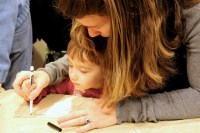 ages, learning styles and interests. As NARA and SEEC colleagues reflect on the planning experience, we are reminded of the synergy that these types of collaborations evoke. Each team member brought a different area of expertise to the planning process. We encourage you to refresh your own practice and seek out a similar partnership. Your results may be similar: positive multigenerational learning experiences for families from near and far. More important to us, though, was to see families of all ages having fun together in this national treasure known as the National Archives and Records Administration (NARA).


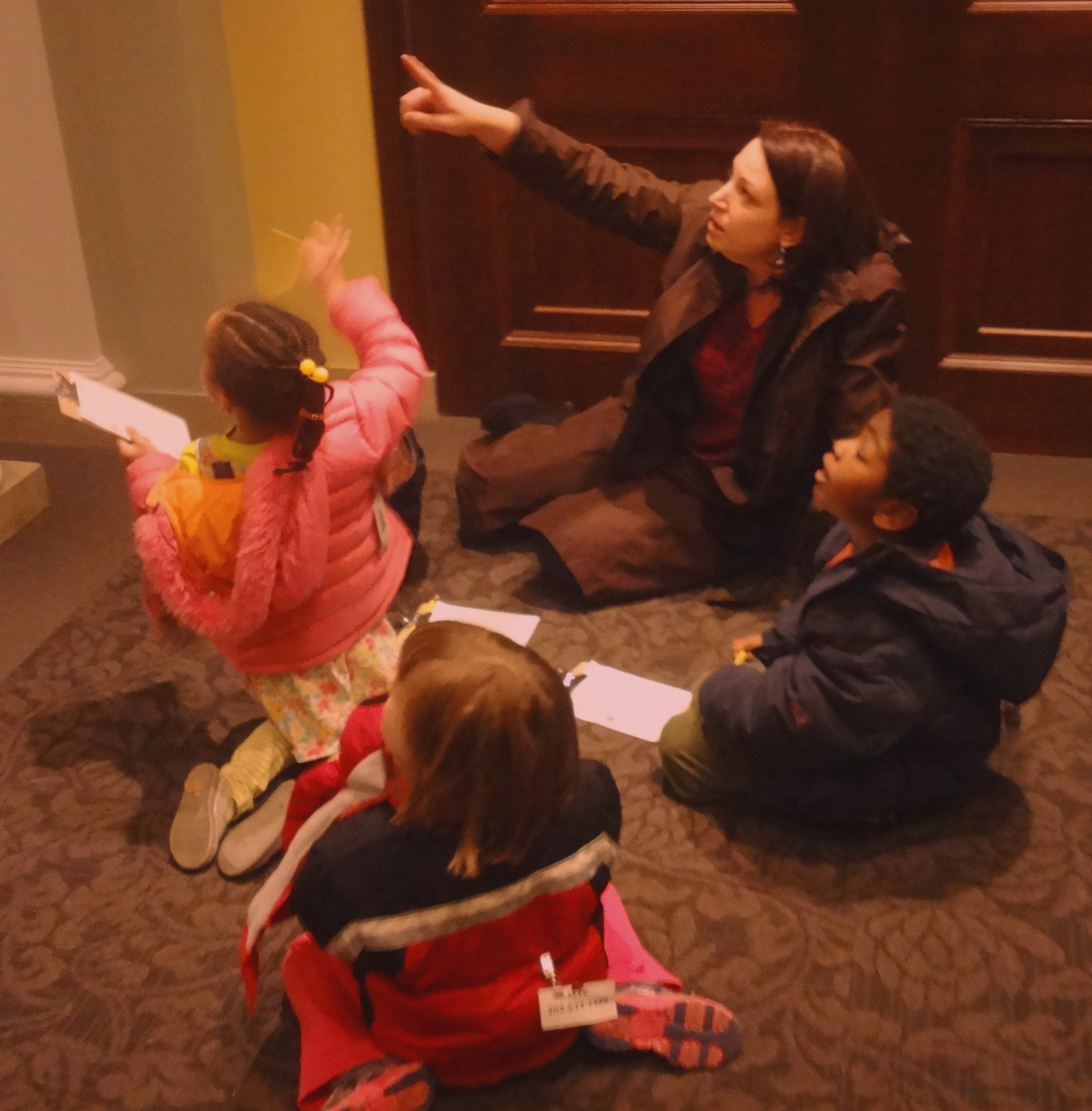
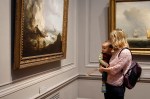 interaction during the museum visit. Often we ask parents to lead simple activities in the galleries that are open-ended and encourage observation and conversation. For example, we might ask infant/toddler parents to find all the boats in a gallery space or simply describe an object. If it seems odd to talk about having conversations with your little one, remember recent research is making direct correlations between how much a parent talks to their child and their literacy.









 seecstories.com