Teacher Feature: Two Year Old Classroom Explores Baseball

It’s Teacher Feature Thursday!

This week we are featuring Ashlee Smith. Her two year old classroom was learning about baseball and decided to spend the day learning about what’s inside the ball. Below you will find a reflection from Ashlee and images from her lesson on baseball.

Baseball_Cover

What were your topics of exploration?

The Fireflies have been exploring baseball all summer. During this week, we talked about the baseball itself. We explored what a baseball looks like from the inside out and how it is made. We talked about how all baseballs (MLB) have to be the same size and weight and that baseballs are still hand-stitched.

What were your learning objectives? (What did you want your children to take away from the lesson?)

I wanted the group to understand the materials used to make baseballs and provide them with the opportunity to explore textures of the materials found inside (yarn, string, and cork). I also wanted them to think critically about the shape and weight of the ball, exploring questions such as: “what other known objects are spheres?” and “why is the baseball the weight that it is?” Through the baseball lesson, I was also able to introduce the group to Alexander Cartwright (the proclaimed father of baseball).

What was most successful about your lesson?

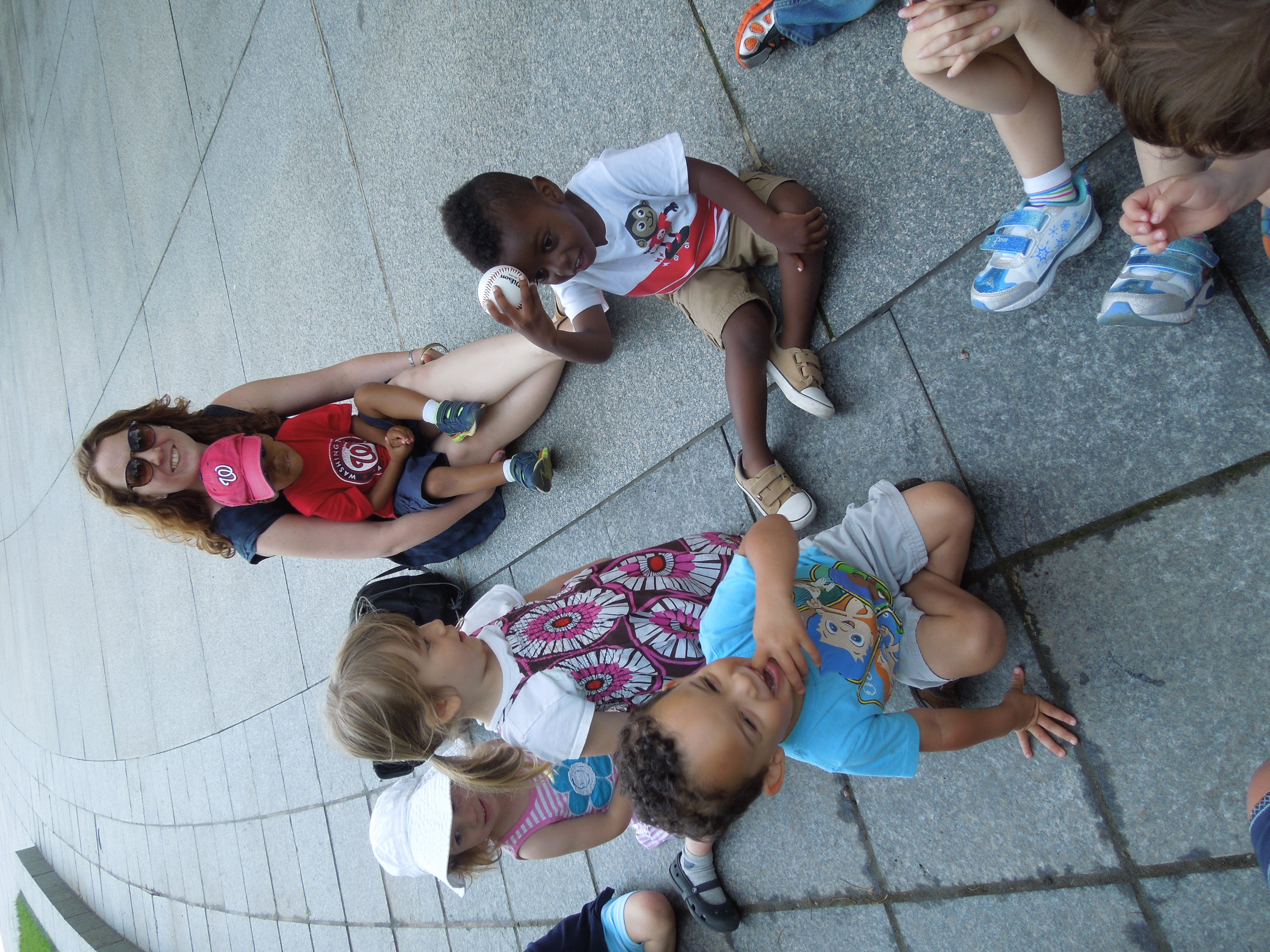
I invited each child to help me create our own baseball with a cork, yarn and rubber. They really enjoyed the experience of using the materials to create a ball of our own.  We also ventured to the Hirshhorn Museum after circle time and they were happy to find the spheres that we just learned about!

What could you have done differently? What recommendations would you have for another teacher trying out this lesson?

The children in my class seemed to really enjoy exploring what makes up a baseball. If I could recommend something to another educator, it would be to have more materials to explore. I had materials for the kids to touch, but splitting into small groups with more materials may help them relate to the objects a little more!

Here are a few images from their unit on the baseball:
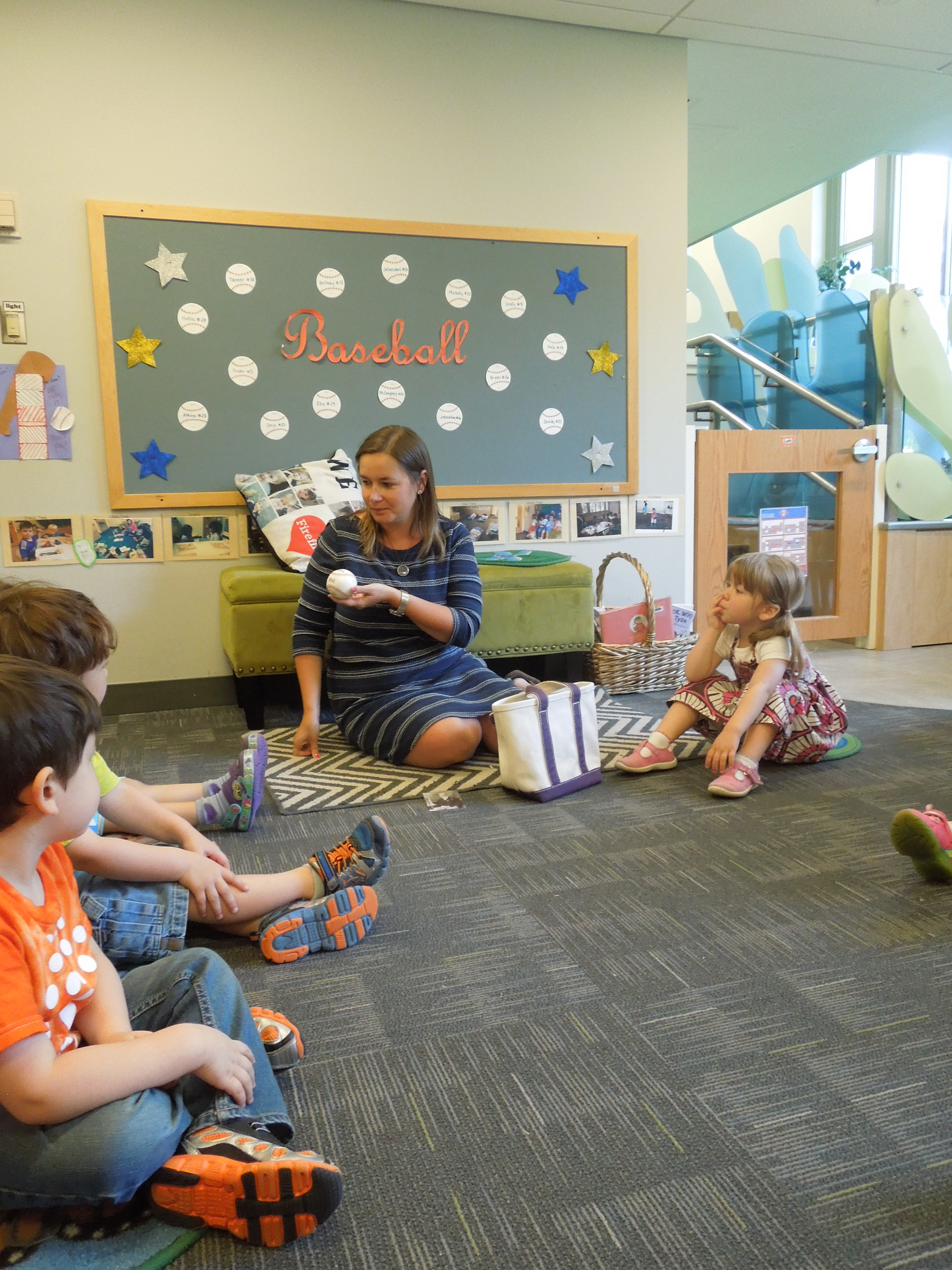
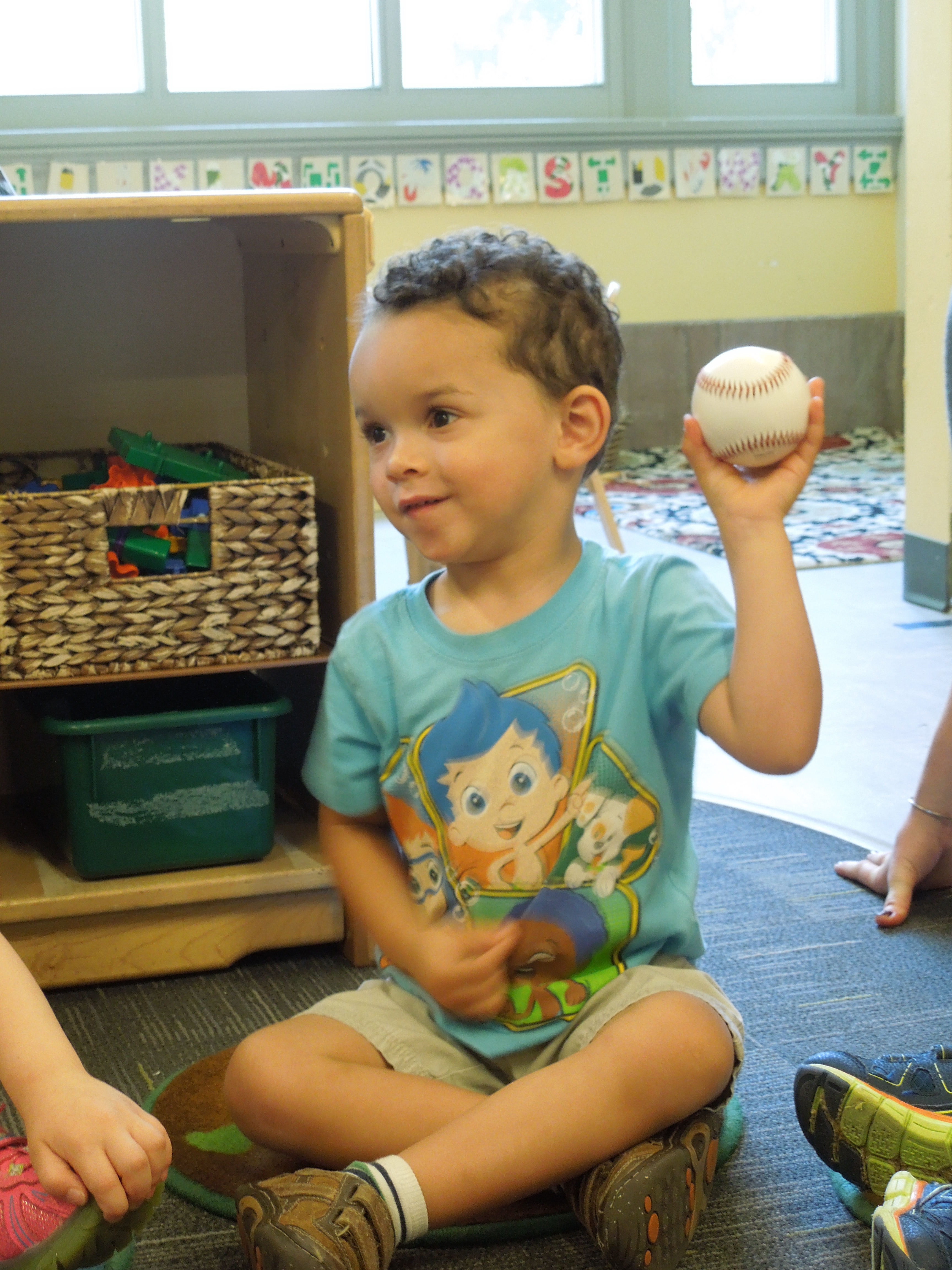
DSCN3343Ashlee began by asking the group to look closely at the ball and think about its characteristics. The group was able to describe the ball as round and Ashlee introduce the group to the term sphere. She then had the group try to guess what might be inside.
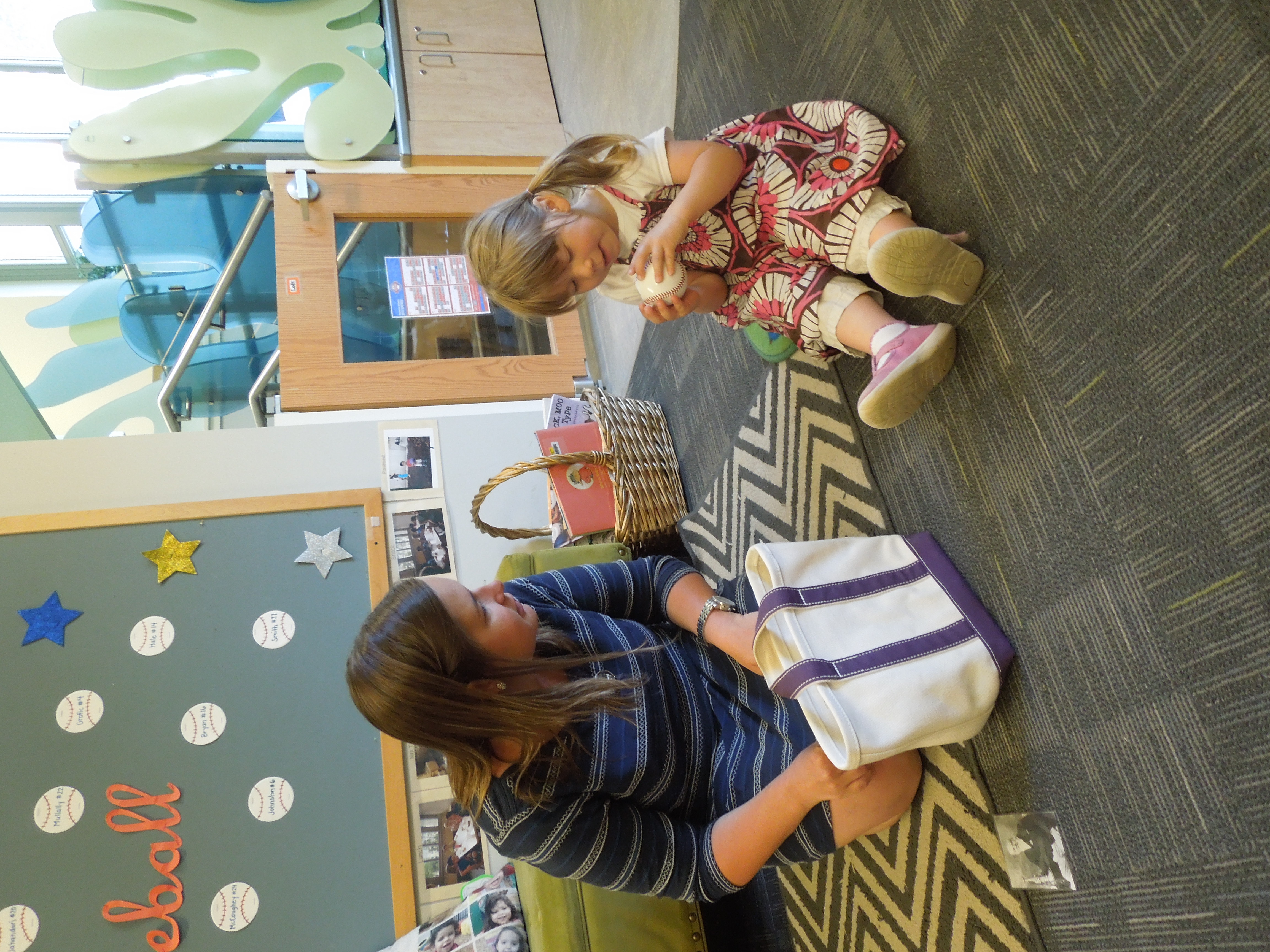
DSCN3357Each child had a chance to touch and explore the ball before making their predictions. One child exclaimed, “a tiny crocodile!” and another said, “a rock!”
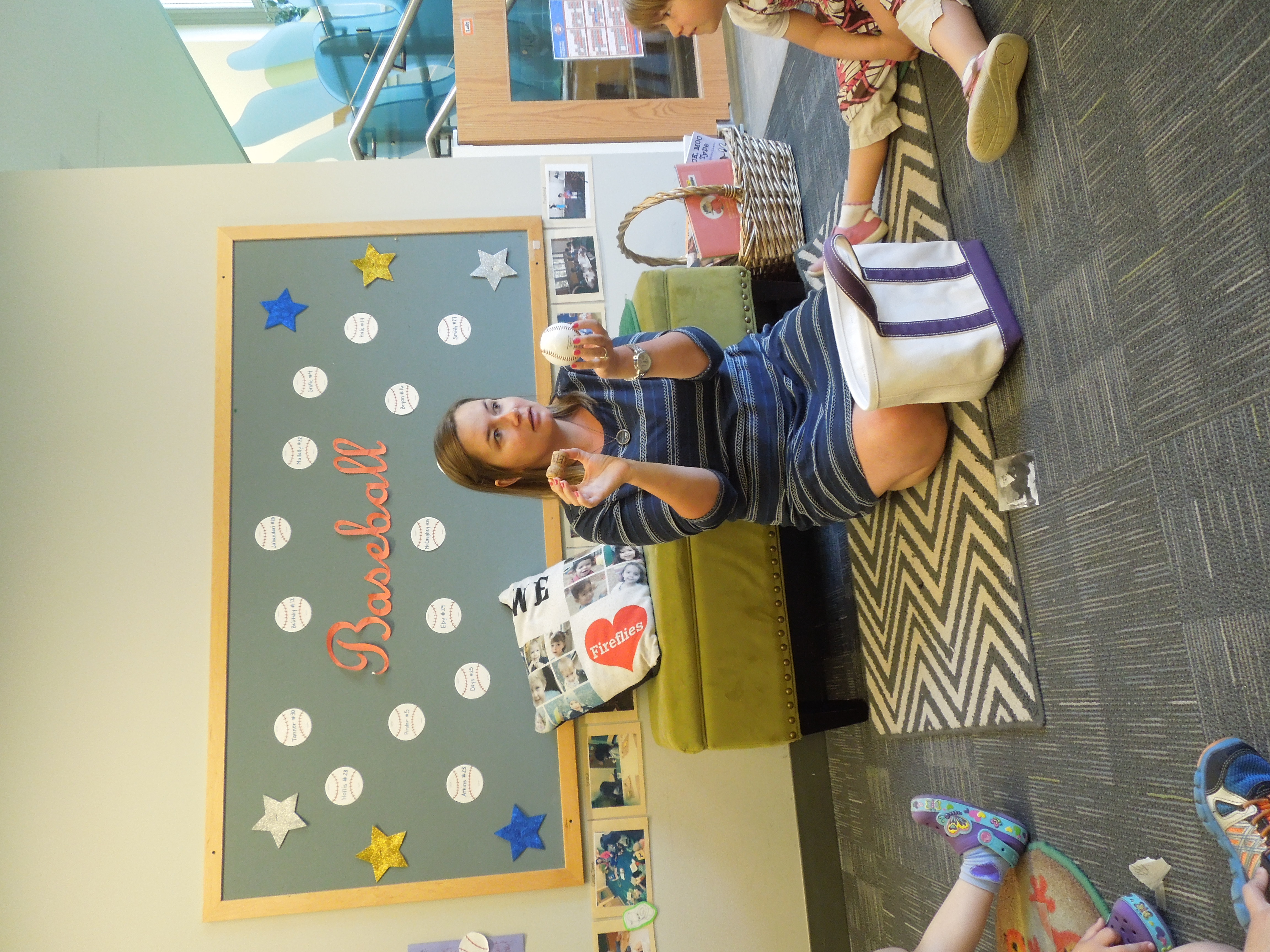
DSCN3365The class was very surprised to learn that baseballs have many different layers and at the very center is cork.
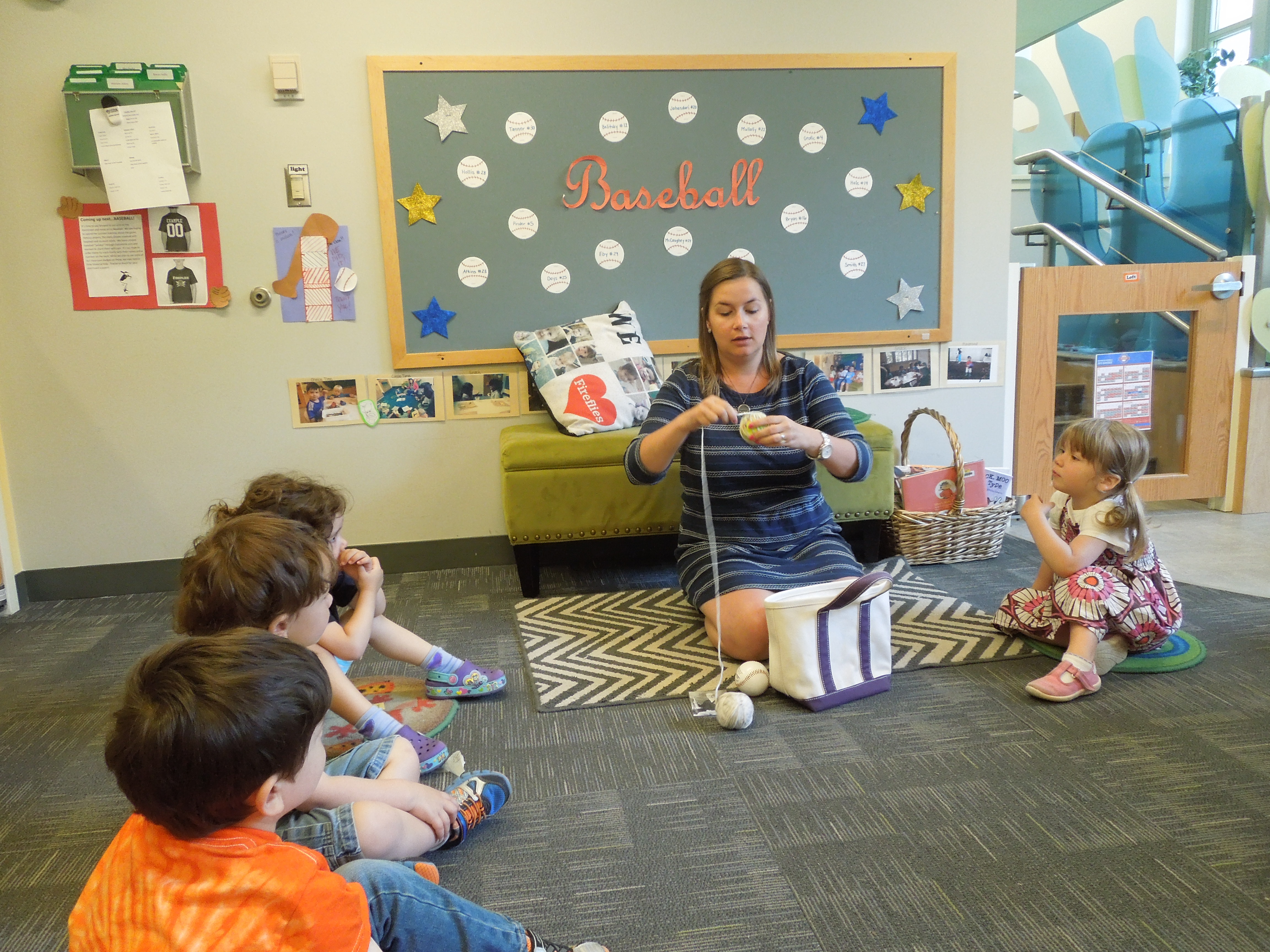
DSCN3378After explaining that the next layer of the baseball is rubber she then began demonstrating how the rubber is then wrapped in string and lastly covered in leather.
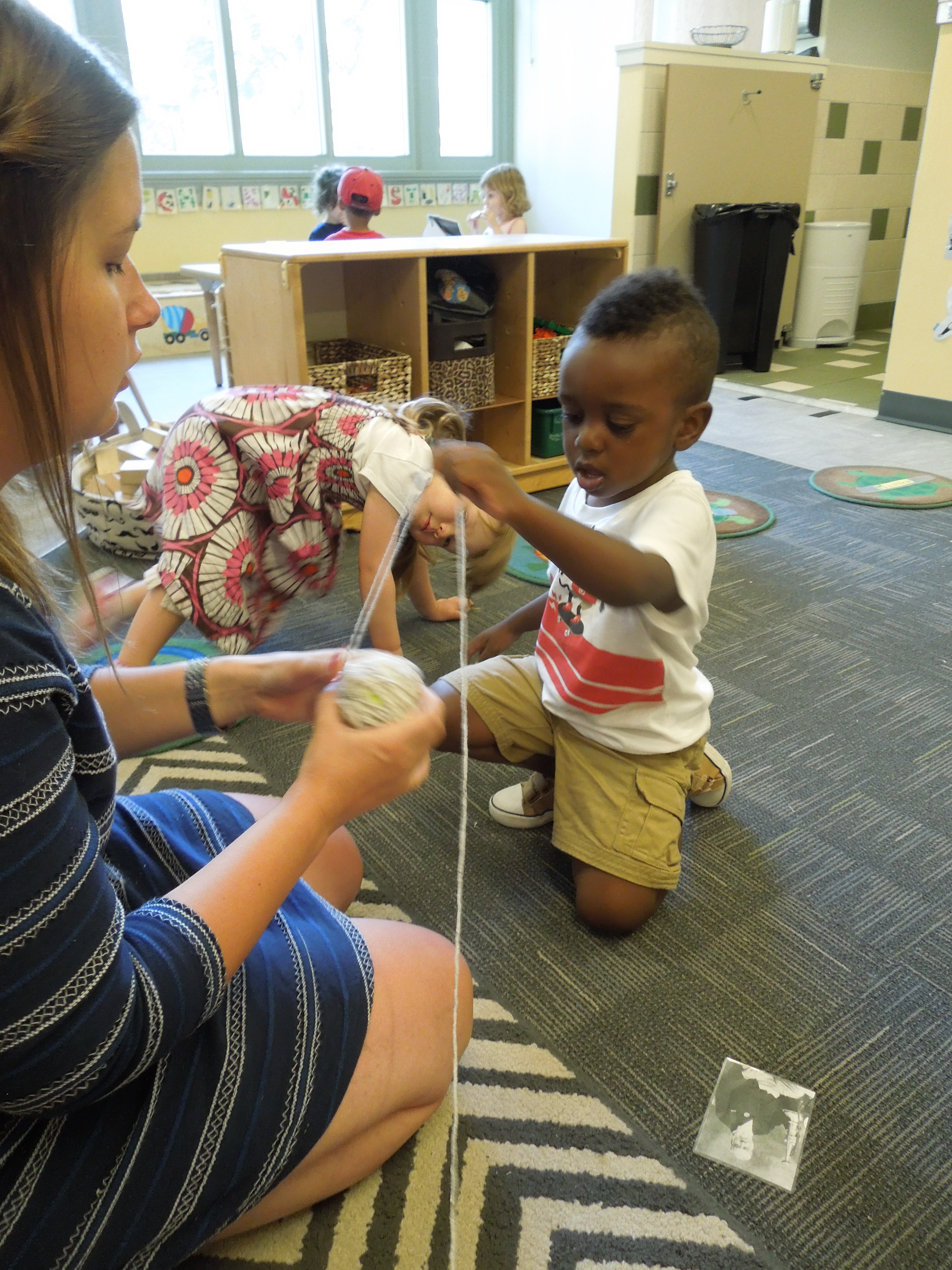
DSCN3396Ashlee then invited each child to take a turn wrapping the baseball in string.
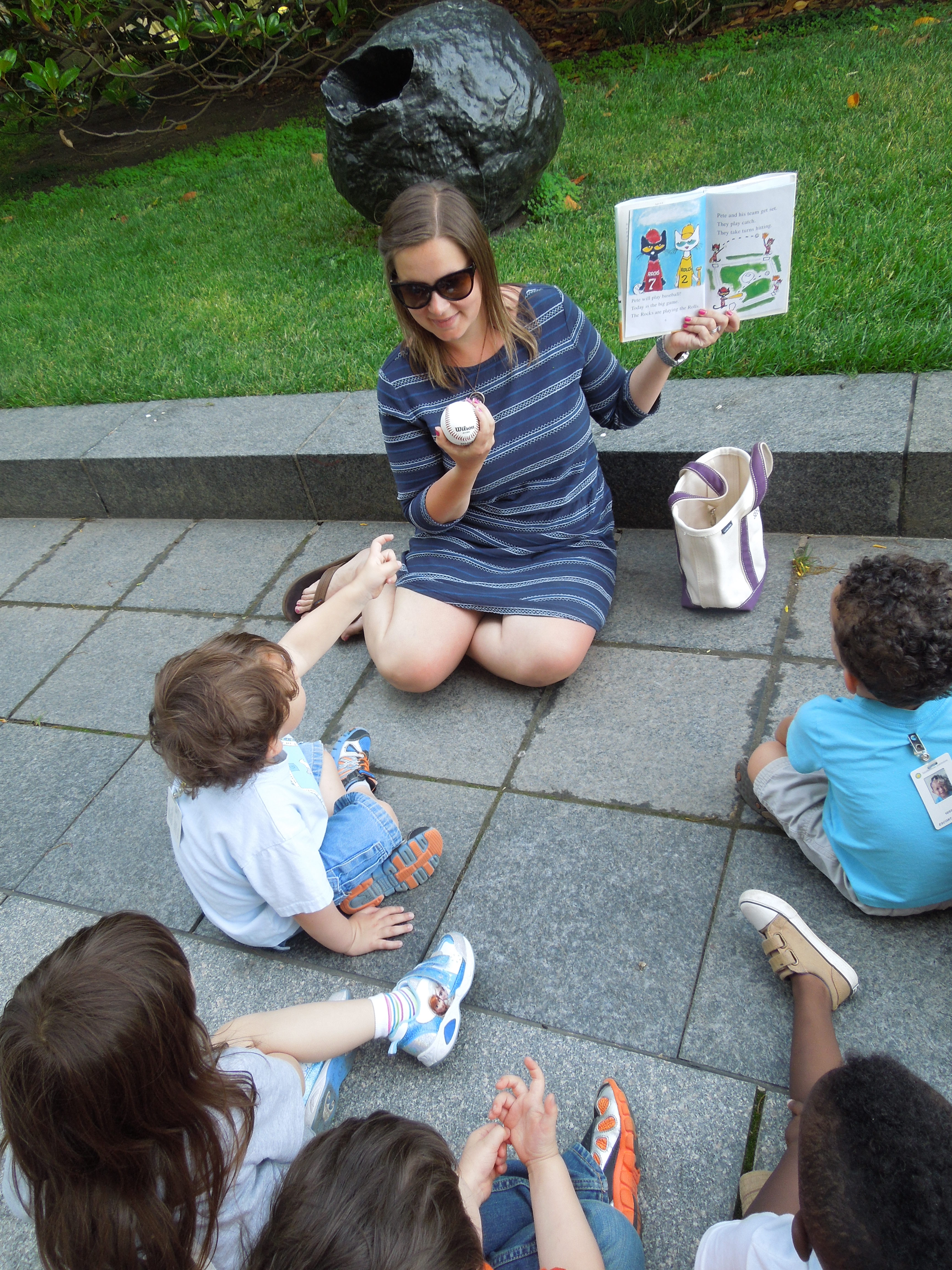
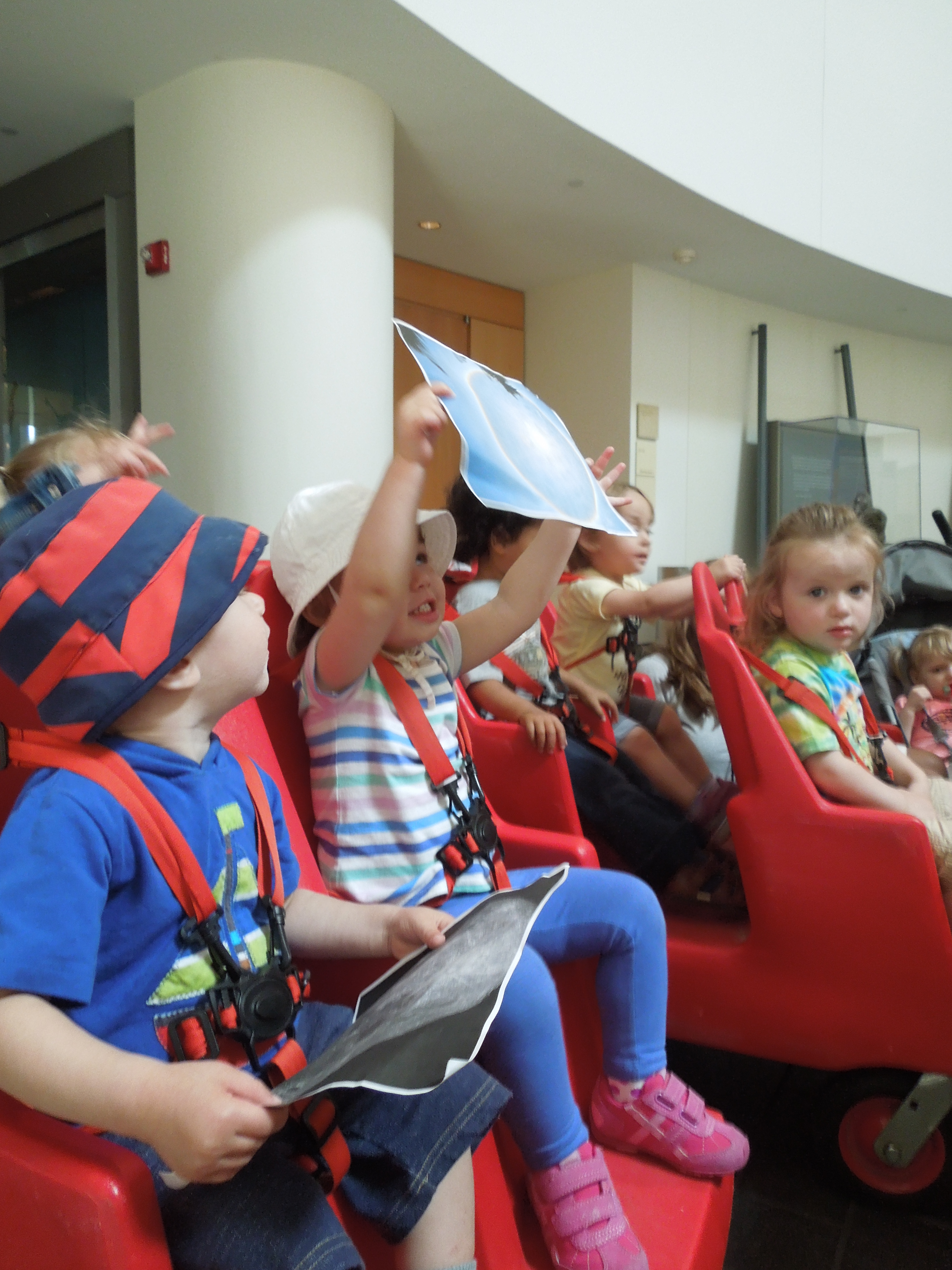
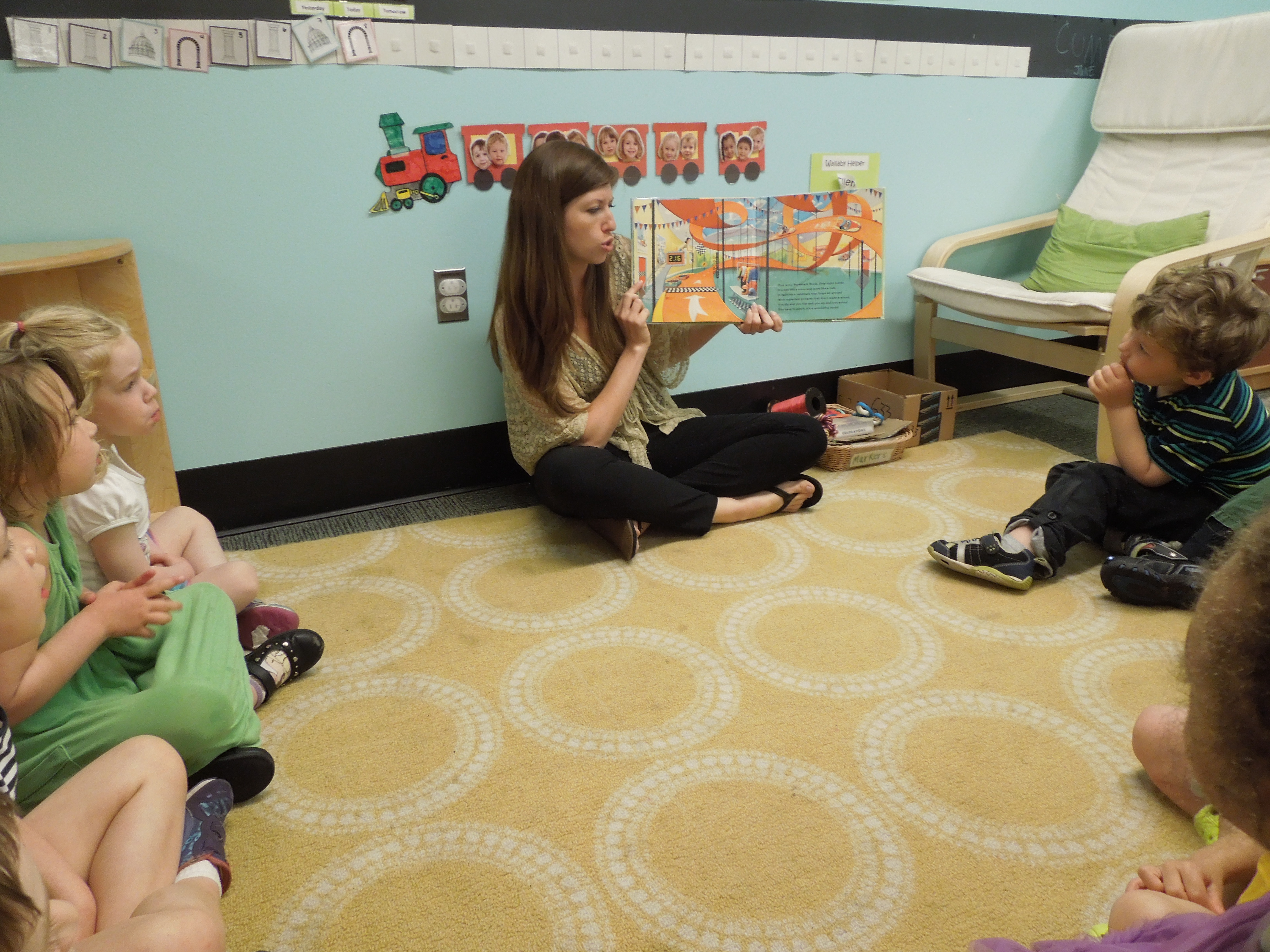
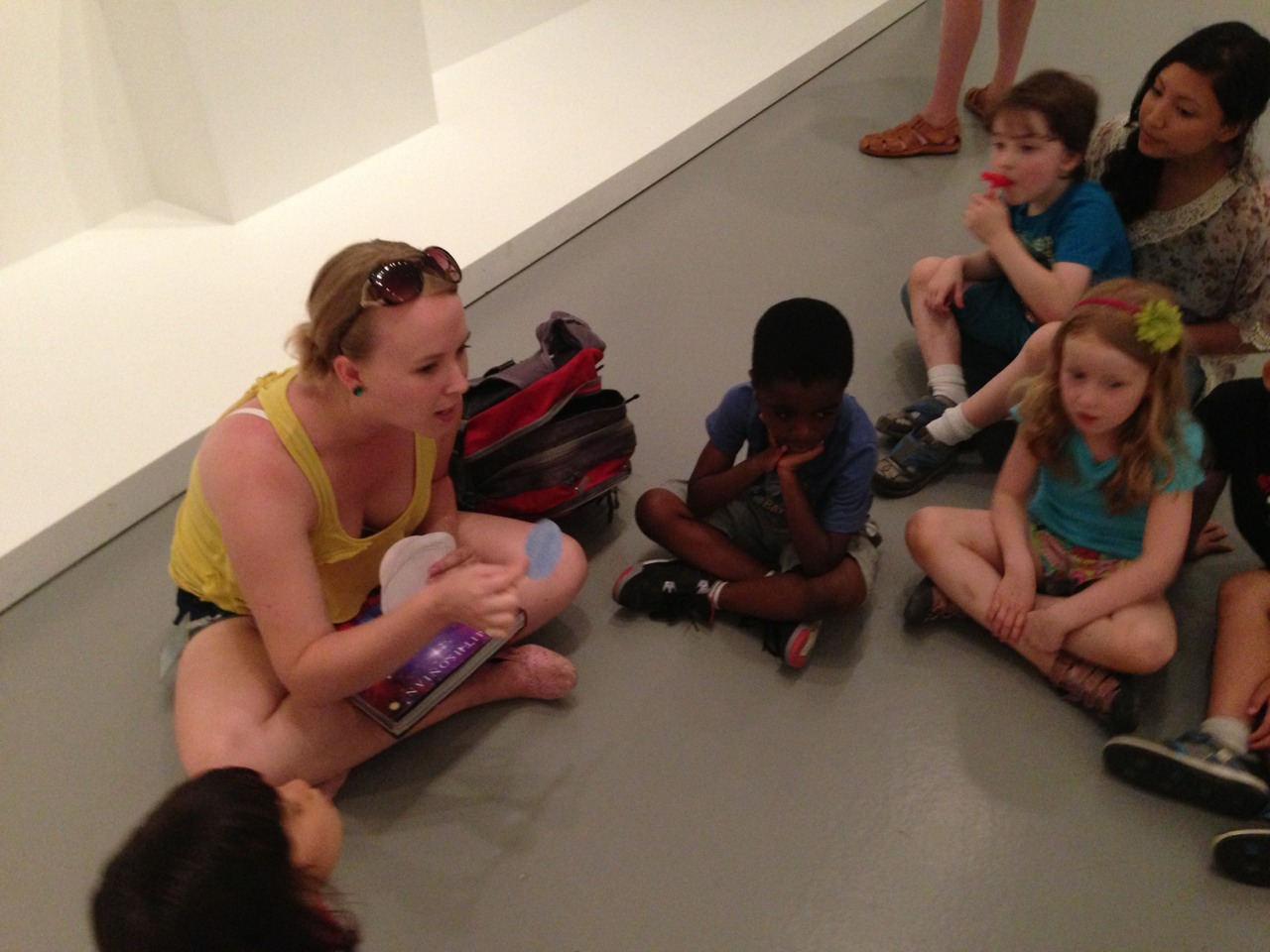
DSCN3420After a quick snack the class headed over to The Hirshhorn Museum and Sculpture Garden to see Spatial Concept Nature by Lucio Fontana. Ashlee began having the group compare the ball to the sculpture and reinforce the concept of a sphere. She then read the group Pete the Cat: Play Ball! by James Dean.
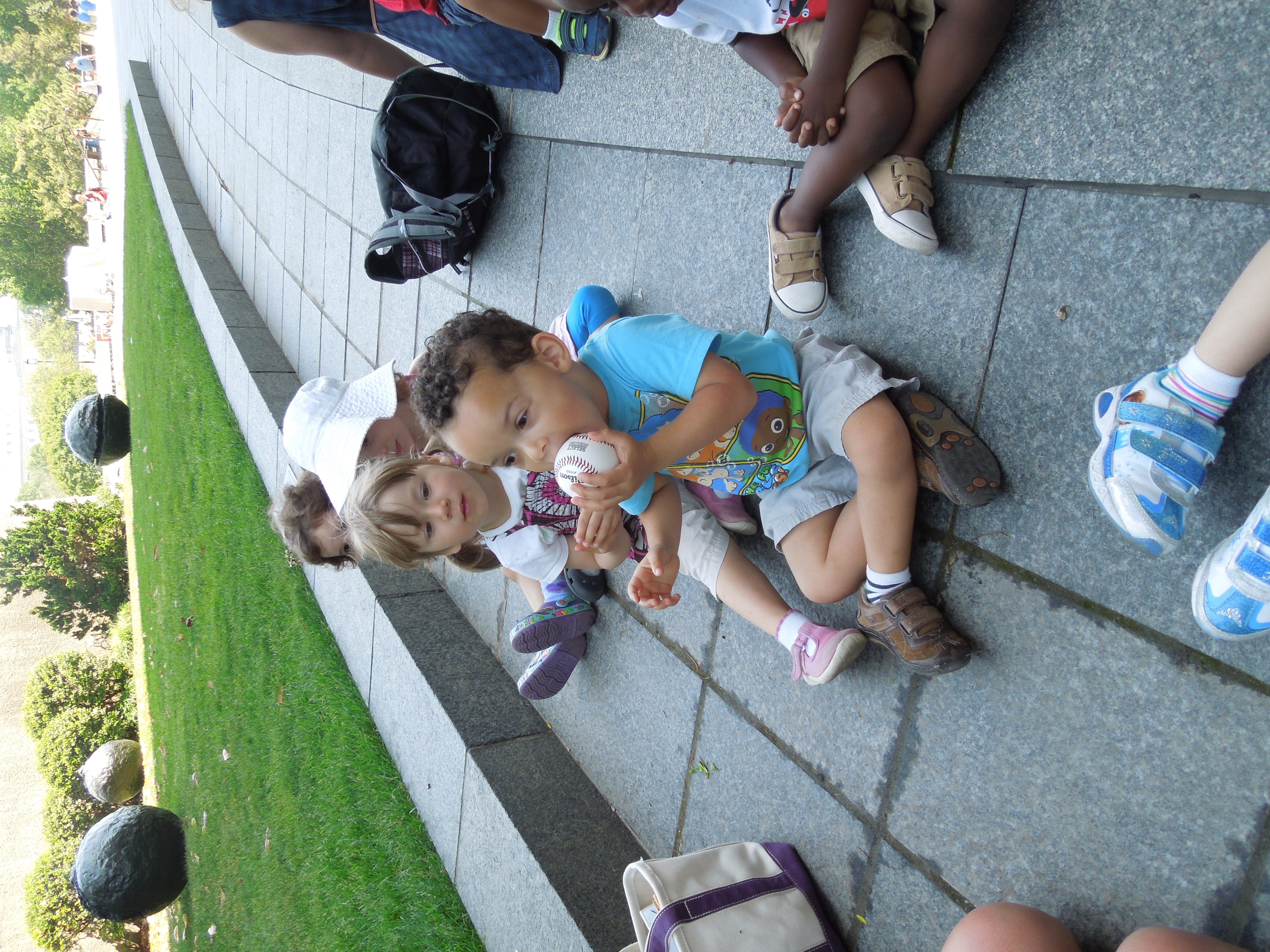
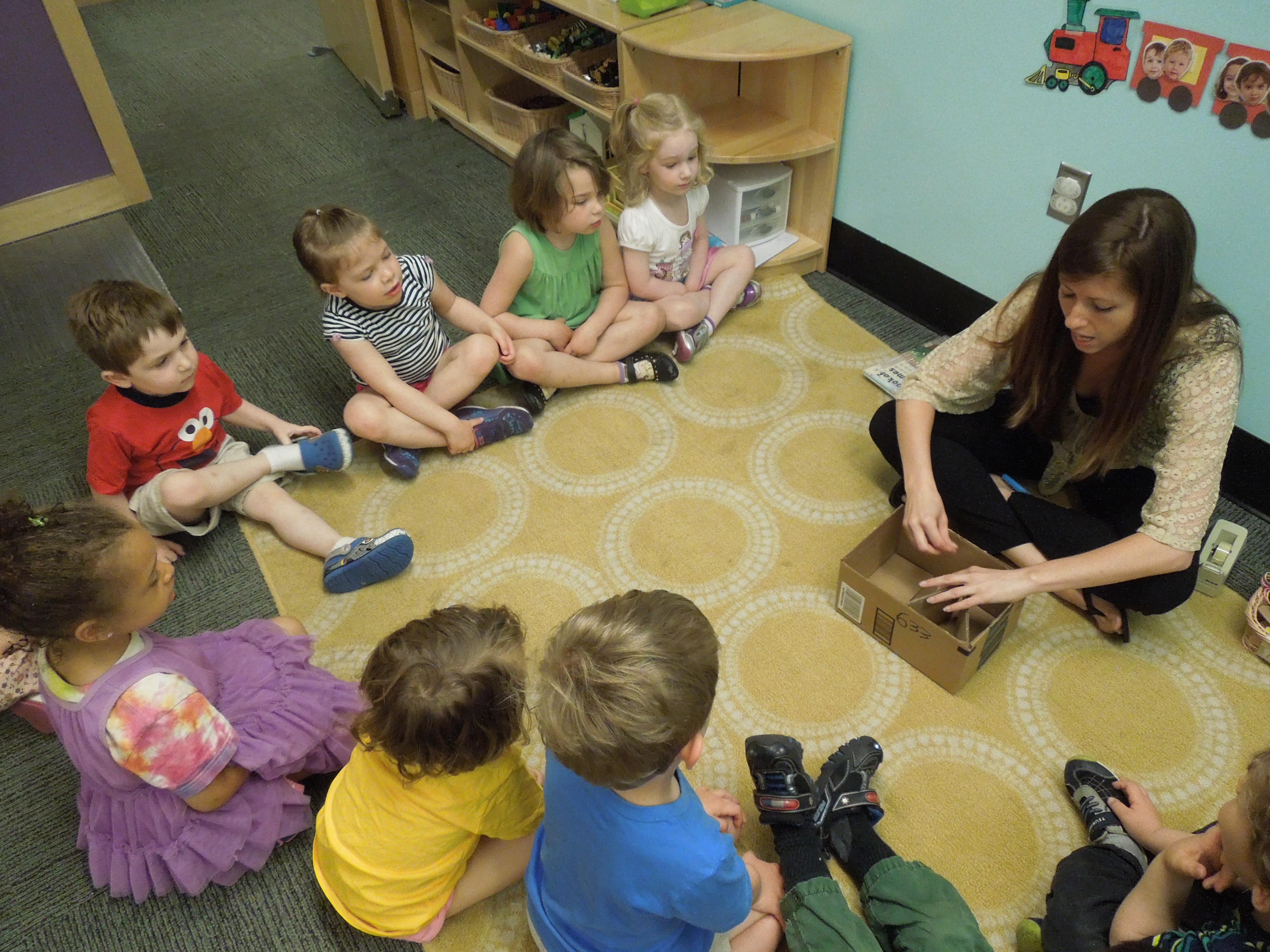
DSCN3427 DSCN3433Ashlee ended her lesson with a fun game that asked the children to use their imagination to pretend that the ball was something else. The game is called “This is What?” The child says “this is a ___” and the group responds with “a what?” You repeat this exchange three times and conclude with the group saying “ohhhh it’s ____.” The children had a fun time playing this game! One child claimed the ball was an apple and other made it a hat!

This class had a wonderful time learning about baseball! Be sure to check back for our Teacher Feature next week!
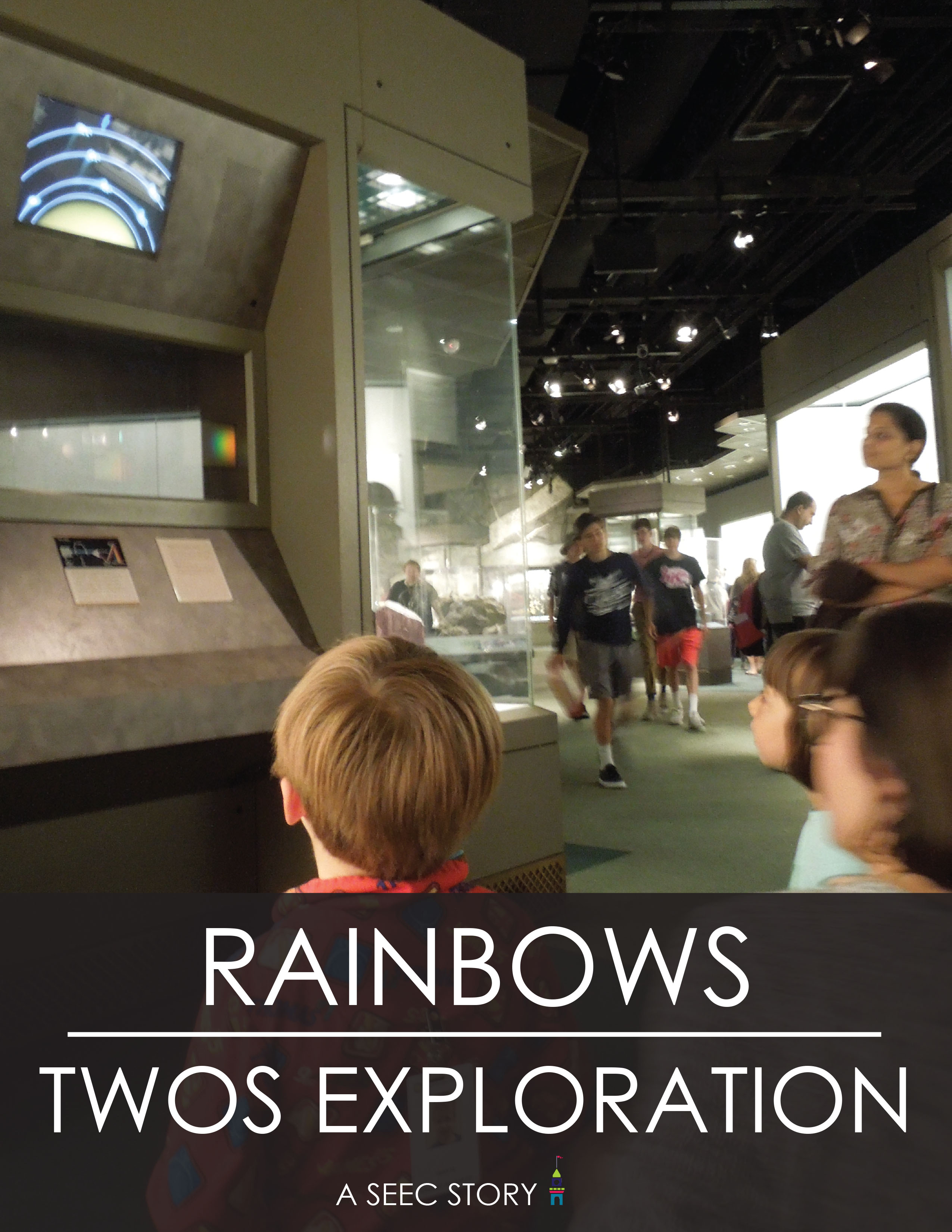
Teacher Feature: Two Year Old Classroom Explores Rainbows

It’s Teacher Feature Thursday!

This week we are featuring Camille Frere. Her classroom was exploring the alphabet and spent the day learning about the letter R. The children in her class are almost all 3 years old and beginning to show great interest in their names and recognizing letters. Based on this interest, the teachers decided to guide their exploration with the alphabet, spending a day or two exploring a topic based on the first letter of the word. Providing children with the opportunity to build early literacy skills by exposing them to words and letters through books, songs, language, and storytelling is extremely important in their development.  While there is no expectation that the children will be reading or writing at this point it is important to expose them to letters in a way that provides them with multiple examples of the same concept, especially as they continue to show interest. Below you will find a reflection from Camille and images from her lesson on the letter “r”.

Rainbows_Cover

What were your topics of exploration?

The overarching theme was the alphabet. The day of the lesson, our class was studying and exploring the letter “R”. We looked at Rain and Rainbows to build connections between letters and concepts.

What were your learning objectives? (What did you want your children to take away from the lesson?)

The basic goal was to familiarize the class with the letter “R” and offer them some words and concepts that begin with the letter so that they might recognize it in the future. Since we had been having an unusually rainy week, I thought it would be interesting to have penguins create a rain mural with tissue paper. I also wanted to explore rainbows and the different way they can be created. Since there was no chance of see a rainbow outside, we took the class to the gem hall to see some indoor “rainbows”.

What was most successful about your lesson?

I think the most successful part of the lesson was watching the kids having fun throwing tissue paper “rain” onto the mural. It was also extremely delightful to watch the class excitedly point out rainbows throughout the museum.

What could you have done differently? What recommendations would you have for another teacher trying out this lesson?

It was a busy and rainy day at SEEC. While our trip was delayed by circumstances out of my control, I believe I could have been more prepared more for the unexpected. I also would have liked to have the class create their own rainbow mural to accompany the rain collage that they made. I would recommend that a teacher create some of the materials ahead of time (pre-draw clouds and set out appropriate paints to make a smooth transition into the next art project).  It also might have been a good idea to make real “rain” from colored water and have the children use this to make their mural.

Here are a few images from their unit on rainbows:

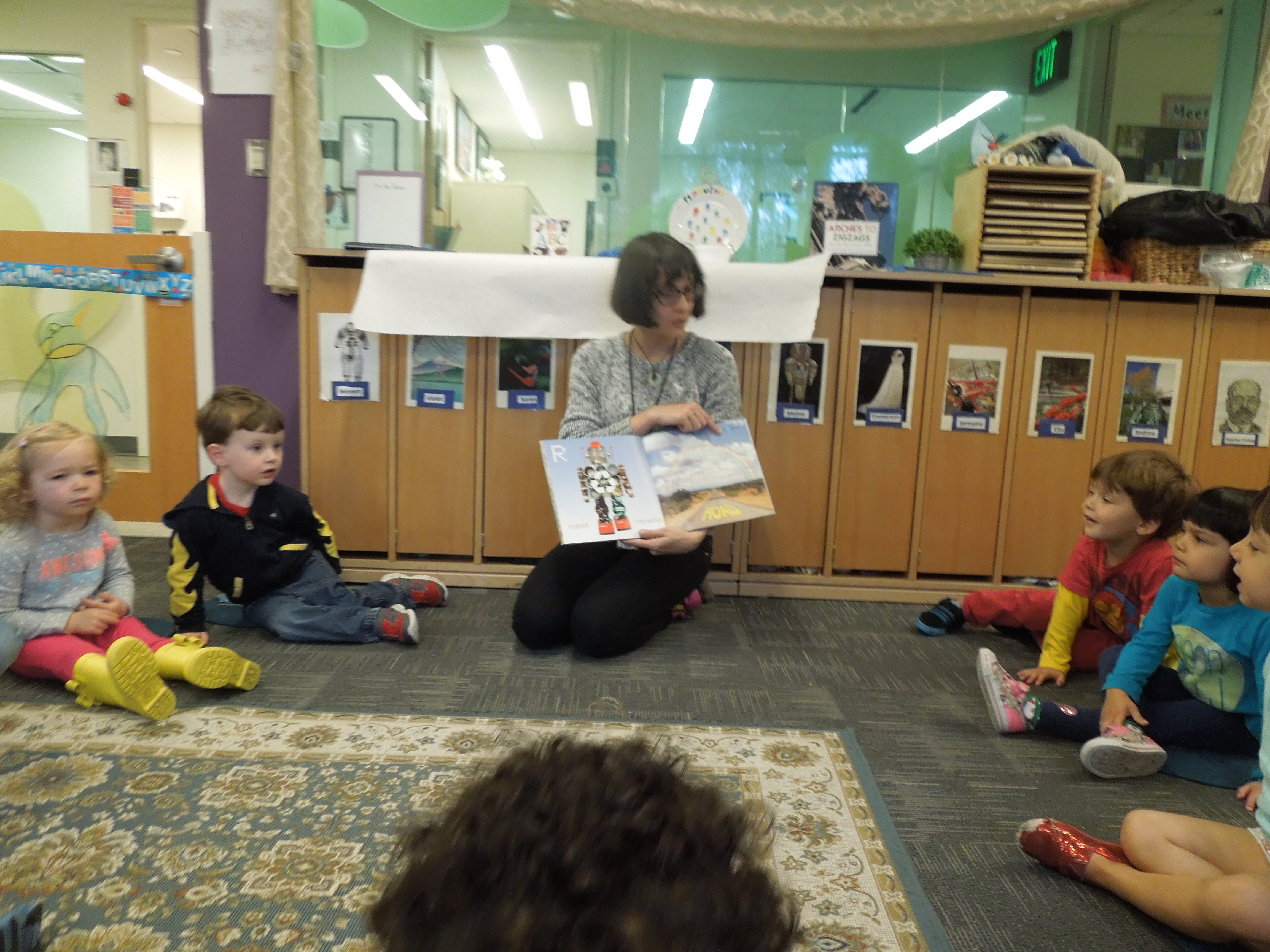
DSCN3451Camille began by reading the group A is for Artist by Ella Doran. The class had been reading it throughout the unit so they were able to help identify the images on the page and even remember which letter they started with. When they reached “r” Camille pointed out all the different words that start with “r” on the page.
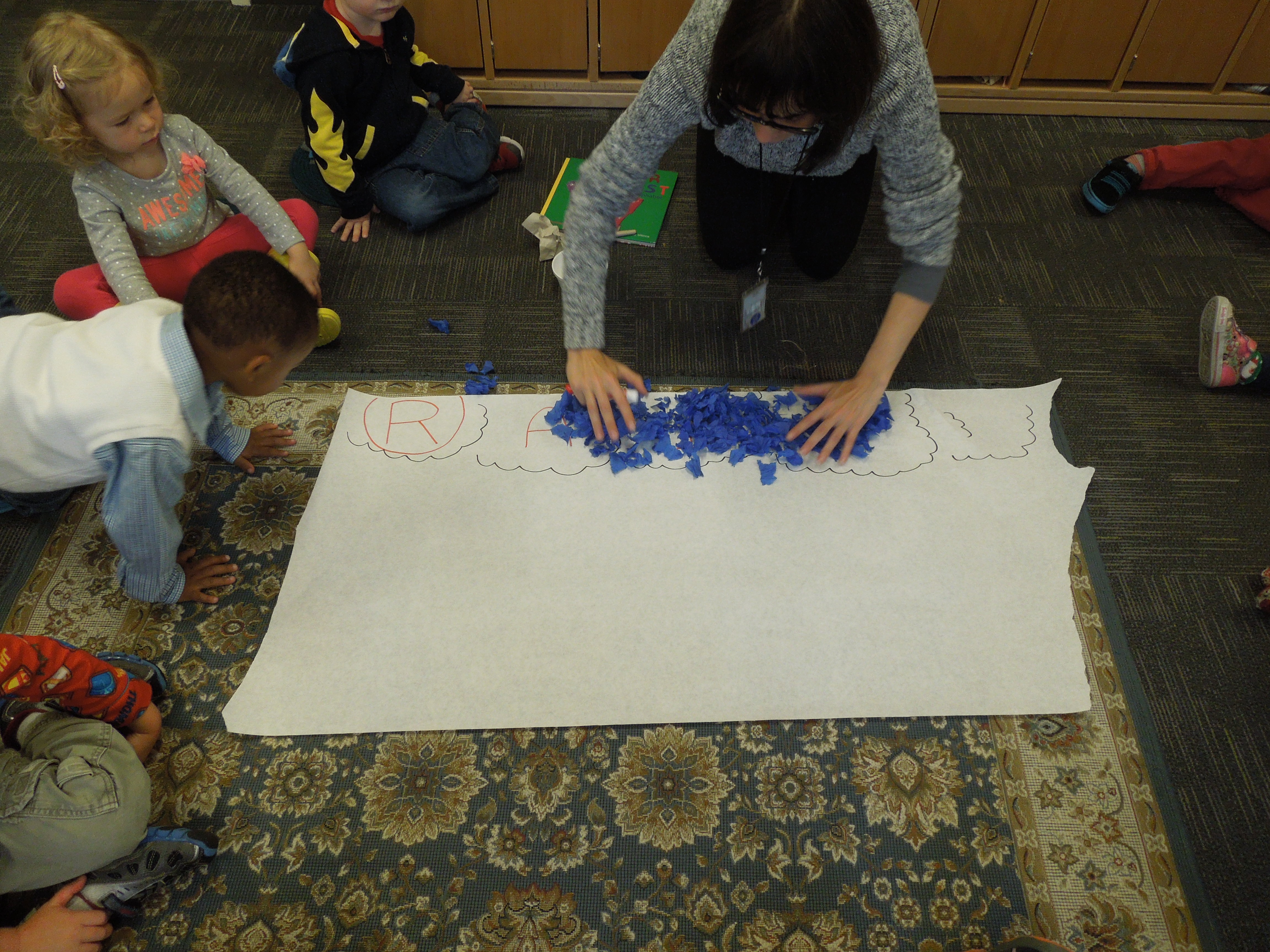
DSCN3456Camille explained that today they were going to focus on rain and rainbows. She had prepared a simple cloud illustration with the word rain. Camille put small pieces of tissue paper in the cloud to show how the moisture collects and when it gets very heavy it will start to rain.
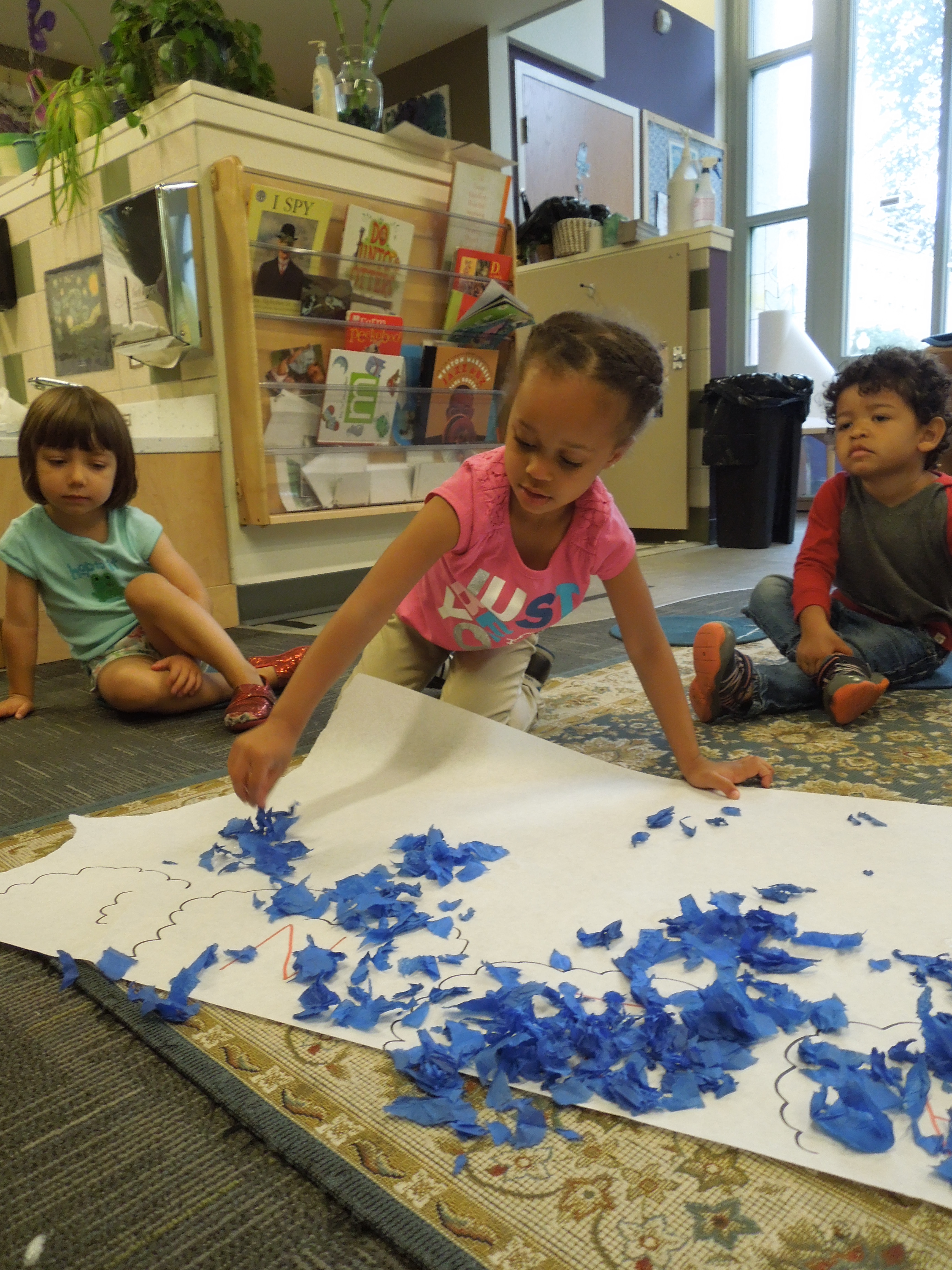
DSCN3471 DSCN3482Camille then spread liquid glue onto the paper and invited the friends to come up one at a time and spread the rain out below the cloud.
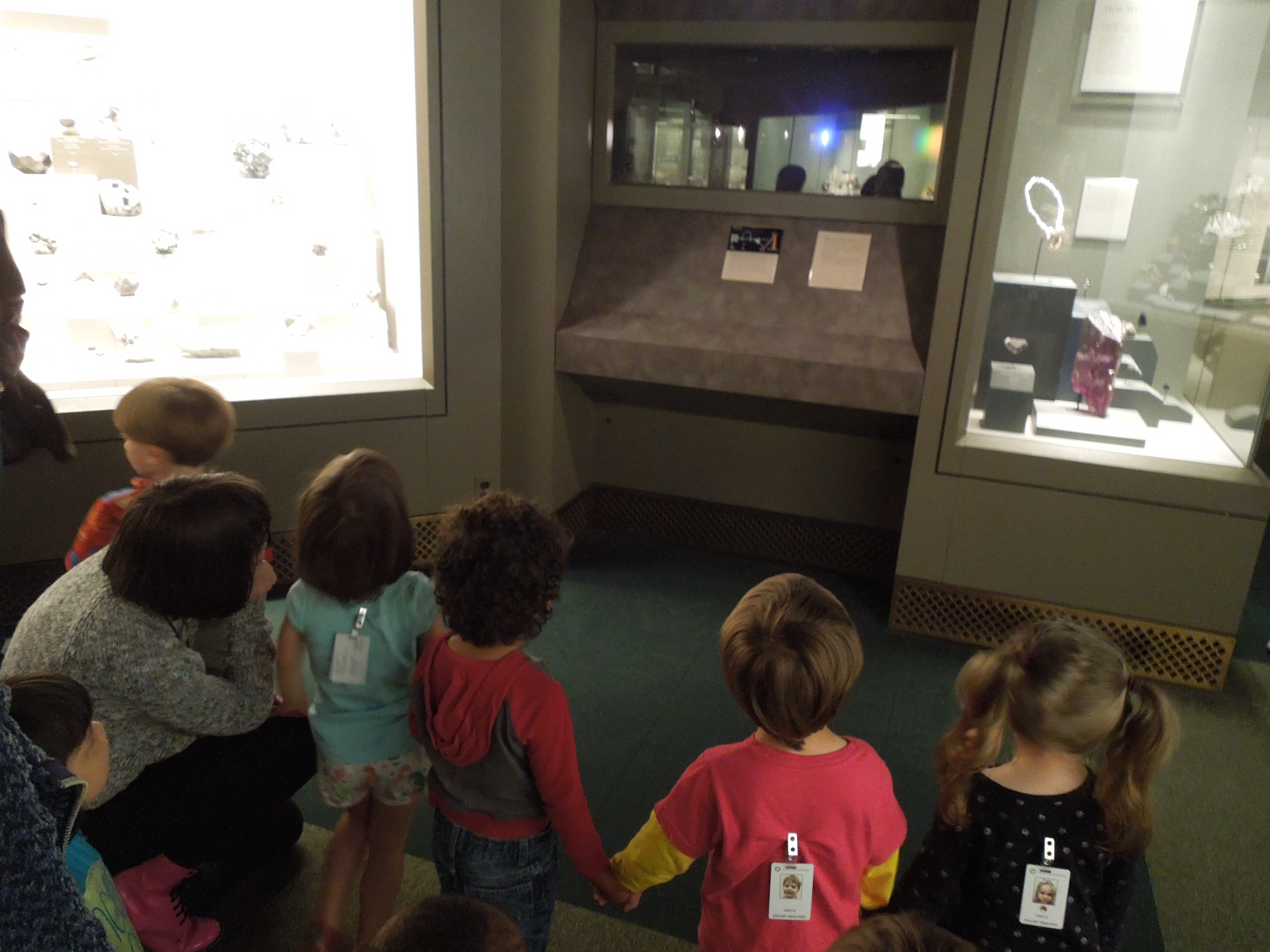
DSCN3490Since it was a rainy day the group stayed in the National Museum of Natural History in the Gem and Mineral Hall and hunted for rainbows. They spotted one created by light passing through a prism. The group talked about the different colors in a rainbow and the ones they saw on the wall.
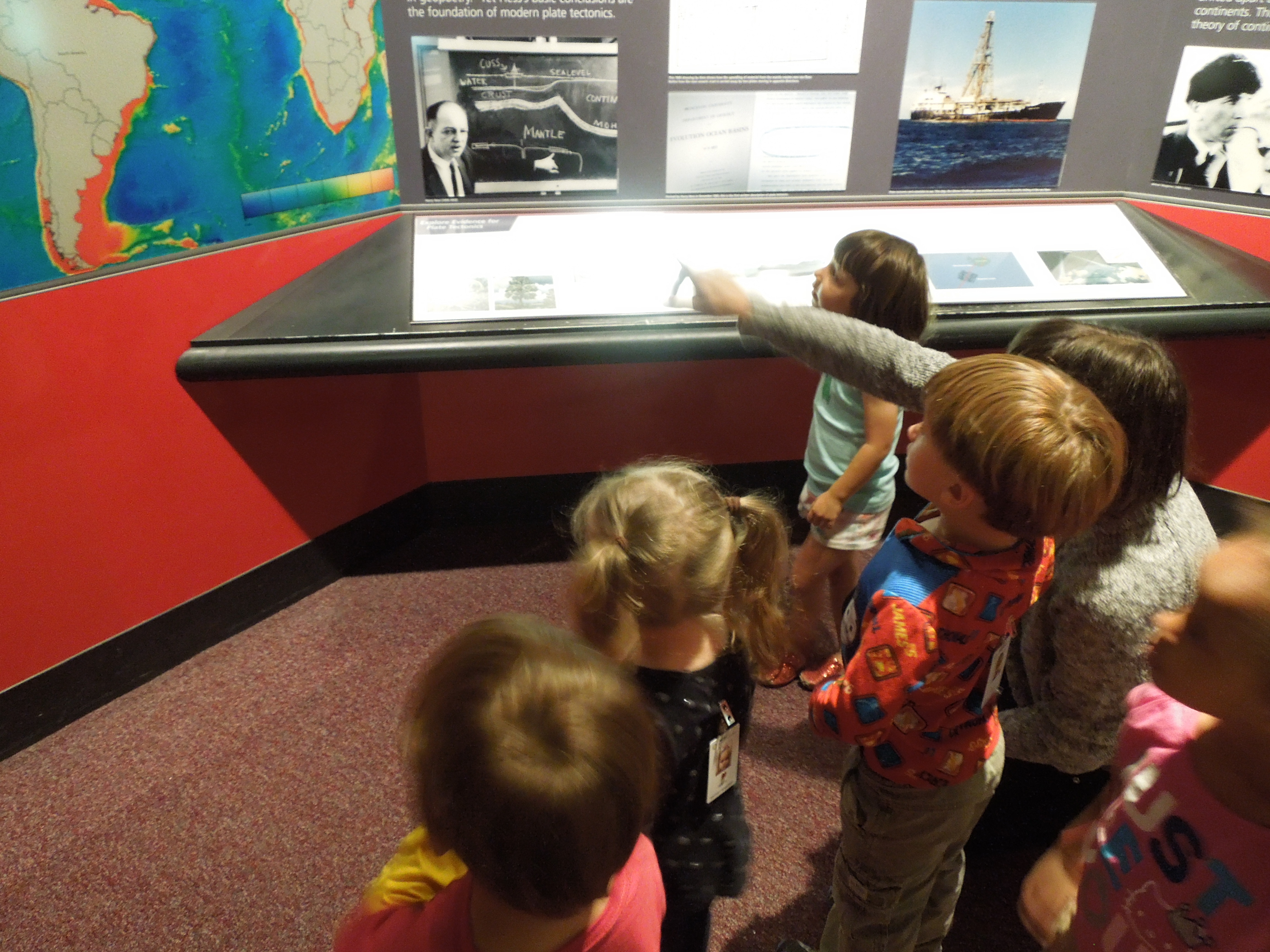
DSCN3494The children also discovered the rainbow colors on a map!

This class had a wonderful time learning about rainbows! Be sure to check back for our Teacher Feature next week!
Children are Citizens: A Collaboration with Project Zero (Part III)


Children are CitizensBook Image

On April 25, 2015 at the National Gallery of Art several DC schools, including SEEC, and Harvard’s Project Zero celebrated the launch of a book authored by over 300 students. The book was the result of a research and professional development project entitled: Children are Citizens: Children and Teachers Collaborating across Washington, D.C. The premise of this project is the belief that children are as much part of the community as their adult counterparts. They should not only be able to voice their opinions, but also participate in their community. Through their participation children will learn to see other’s points of view, work together, and understand how we are all interconnected, thus creating an informed and thoughtful citizenry who will become active participants in our democracy.  To learn more about Project Zero and this collaboration visit here.

SEEC’s Role

The first phase of the project entailed some thoughtful discovery. Children and teachers had several conversations about what they thought of their city, what they would like to change, important people and places. The second phase culminated in a book where SEEC students focused on their relationship with the museums on the National Mall.

Three classes participated in this project—PreK3, PreK4 and Kindergarten. Our final installment in this series features our Kindergarten class  and their teacher, Cathryn Prudencio.

 What made you want to participate in this project?

I thought the idea was great—getting children thinking more deeply about how they interact with both our SEEC community and the community around them.  This was a great opportunity to reinforce what we already know about the city and expand our knowledge even more.

Describe the process in your classroom. Image 3879

We used several different methods for collecting the children’s ideas. I would present a topic for the children to write about in their daily journals. We would then discuss in a morning meeting what they wrote about and I would take note of their answers. We also held discussions about our DC community and I would record their answers for further use. Once the book project became clear, we started exploring the museums more and focusing on big questions like what children visiting DC should see, why the museum was important and how to locate the museums.

Outline how this project was implemented in your classroom?

We would have small class discussions, both teacher and child led. We would brainstorm what we thought was important about the museums and what additional things children should see when coming to DC. We talked about what problems DC had, for example, traffic. The children would also talk about the issues in dramatic play and I would take notes. We would also visit the museums and discuss what to put in the book for others to learn.

How did the professional development help or change your ideas of how to teach or connect children to the city in which they live.

It was great to meet other educators from various schools around DC and have discussions about how their children responded to our study of “children as citizens.” It was interesting to see that even though we taught different age groups and came from various schools, our students had similar responses to our community. It was also great to see how children and adults share similar concerns about their community including the traffic.  Students were upset about how drivers don’t follow the laws and how long they have to wait.  We had a discussion about what could be done to improve this problem.  Being able to connect with the children on issues they feel are important was wonderful.

The project seems to emphasize collaborations and discussion, is there a conversation you had among your students that really stands out?

One that really stood out was when we were in the Smithsonian Castle talking about who the book’s audience would be. We also talked about what role the children would have in creating the book. What I found interesting was the children weren’t so much interested in being the authors or illustrators of the book, but rather more in how they could present the book to others. They wanted to make a play in the Baird Auditorium to present the book to the kids and parents. They were assigning roles and how they should also video tape the show to present to others who couldn’t come. It was also notable that they were concerned about individuals who couldn’t read or understand the book. We discussed adding pictures and translating the book into other languages, even having a braille version. It was really neat to see how they were thinking outside the box and being considerate of others.

How do you think your students views of DC changes during the course of the project?Image 3346

The children’s view of DC changed as we talked more about what our DC community is and who belongs to it. We were very excited when we collaborated with School Within a School and their first grade class for a project. SEEC kids were excited to be tour guides to SWS and show them some of their “secrets” to Natural History. We showed them places you might not have the opportunity to see on a field trip. In return, SWS showed SEEC two great paintings in NGA and did a play for us. We then worked together to create our own ideas about how a museum should look and what it should have in it. This was a great collaboration and the children were asking to be able to do it again.  The children really liked being able to connect with others in our community. They have also become more aware about what is going on around them and what they see on their everyday museum visits.

 What was one of your more challenging moments during the process?

It took a little while to figure out that we wanted to work on a book with the schools from around DC.  Until we actually chose the topic, it was a little difficult to go into the classroom and lead a discussion with the children. However, it was great to be able to talk with all the teachers and the project leaders about questions we wanted to pose to the children and about the final outcome.

What was one of the most rewarding moments during the process?

One of the most rewarding moments was our discussion in the Smithsonian Castle about who the book was for. It was great to see how the children were thinking about all children who would read the book and their general concern about how those who couldn’t read or know the language, would be able to understand the book. This discussion began with a single teacher prompt followed by almost 45 minutes of children-led discussion. The children were in the zone and excited about the book and how they were going to be a part of it. It was great to be able to share their compassion and understanding for others.

Is there anything you would like to add?

Kindergarten City

Kindergarten City

It was a fun project overall and it was nice to see what the children’s understanding of our community is. It was also fun to see how they would follow up with some of our conversations in their dramatic play, for example, making roads with big blocks and the zoo complete with roads to it and food for the animals. The children were also excited about making a tour guide book to our museum as well. Overall, the children responded well to the project and had a good time.

Teacher Feature: Infants Explore Nature

It’s Teacher Feature Thursday!

This week we are featuring Brittany Brown. Her older infant classroom decided to spend a day doing a survey exploration of nature. She wanted to introduce the group to the different aspects of nature to see what they were most interested in exploring. Below you will find a reflection from Brittany and images from her lesson on nature.

Nature_Cover

What were your topics of exploration?

We spent the day exploring nature and the environment around us.

What were your learning objectives? (What did you want your children to take away from the lesson?)

I wanted my students to have a better understanding of their environment. I noticed that the children were becoming increasingly interested in exploring the natural world they encounter every day and thought it would be an excellent topic for our group to focus on. I wanted the lesson to be as hands on as possible, and to teach them that it’s okay to interact with the different things you find (bugs, dirt, flowers, trees, grass). I tried to focus on nature in a more broad terms to start because I wanted to see which aspects in particular caught their interest. We could then move to doing a more in depth study on those topics later in the week.

What was most successful about your lesson?

I believe the most successful parts of our lesson were the hands- on materials I brought along to the museum visit. The great thing about exploring nature in the Natural History Museum is that we are able to provide the children with multiple touch points. In addition to the books and objects I brought into the gallery space, we were also able to observe real insects as well as view amazing nature photography. Seeing the children’s reaction to the variety of insects, objects, and images gave me a clear picture of their interest and provided inspiration for future lesson plans.

What could you have done differently? What recommendations would you have for another teacher trying out this lesson?

I decided to spend the entire week exploring nature. While I valued the general exploration of the topic, I think ultimately, it would have been better to break down the topic, maybe focusing on just trees, flowers, or insects. I believe the focused study would have given them a greater understanding of specific topics. Also, I would recommend using as many sensory based activities and books as possible when developing a lesson. I believe the combination really helps children better understand what’s being taught.

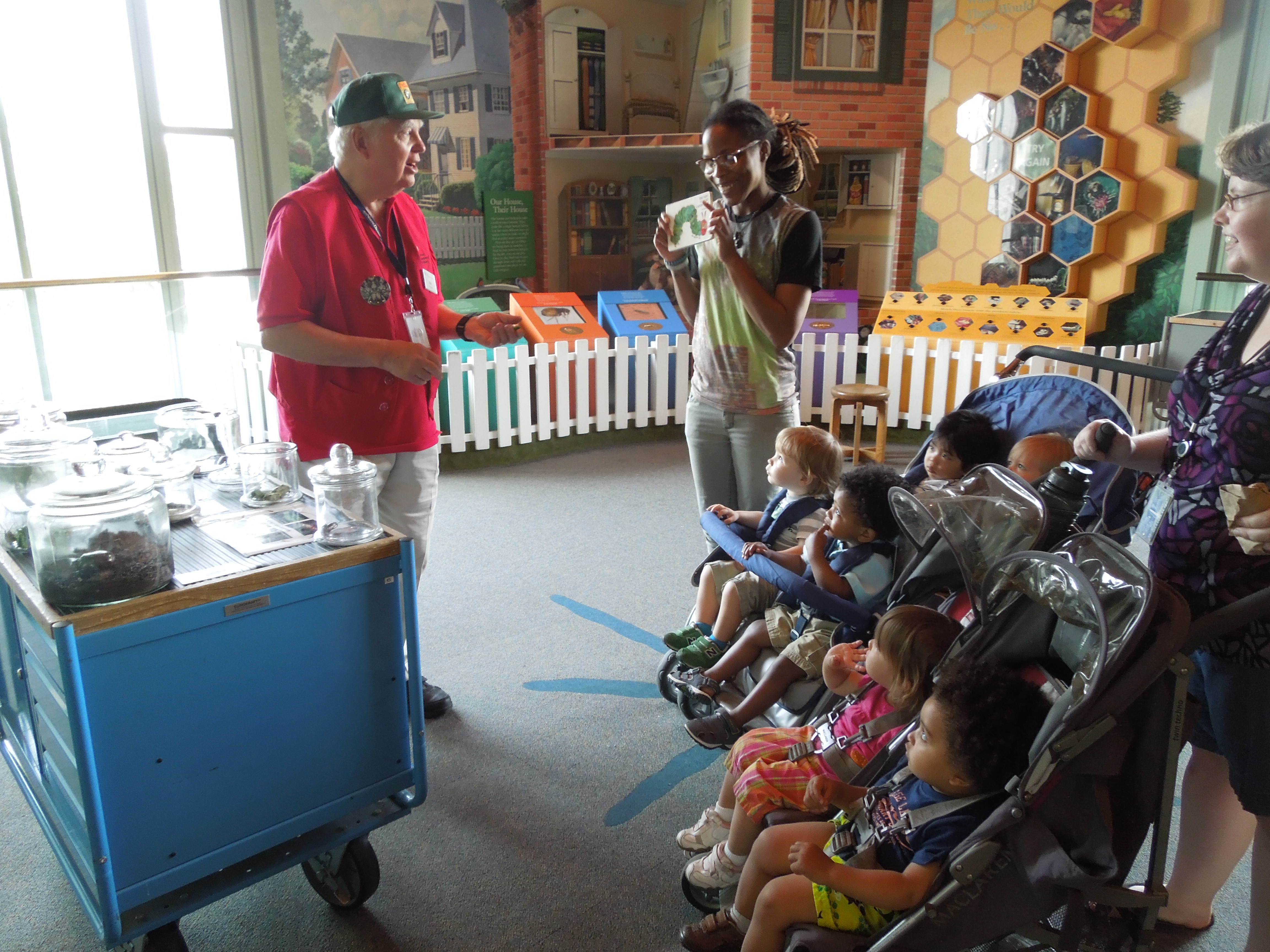
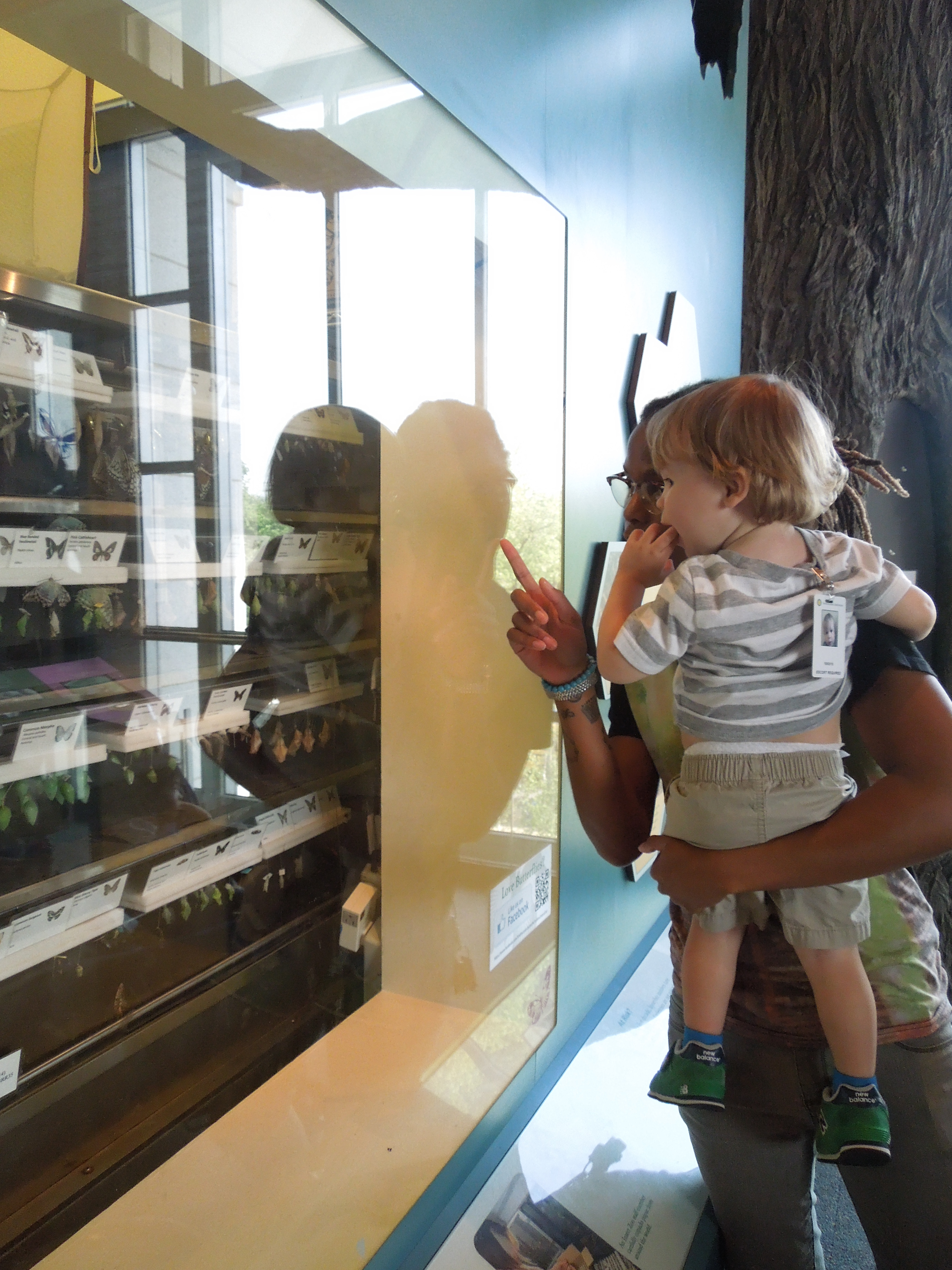
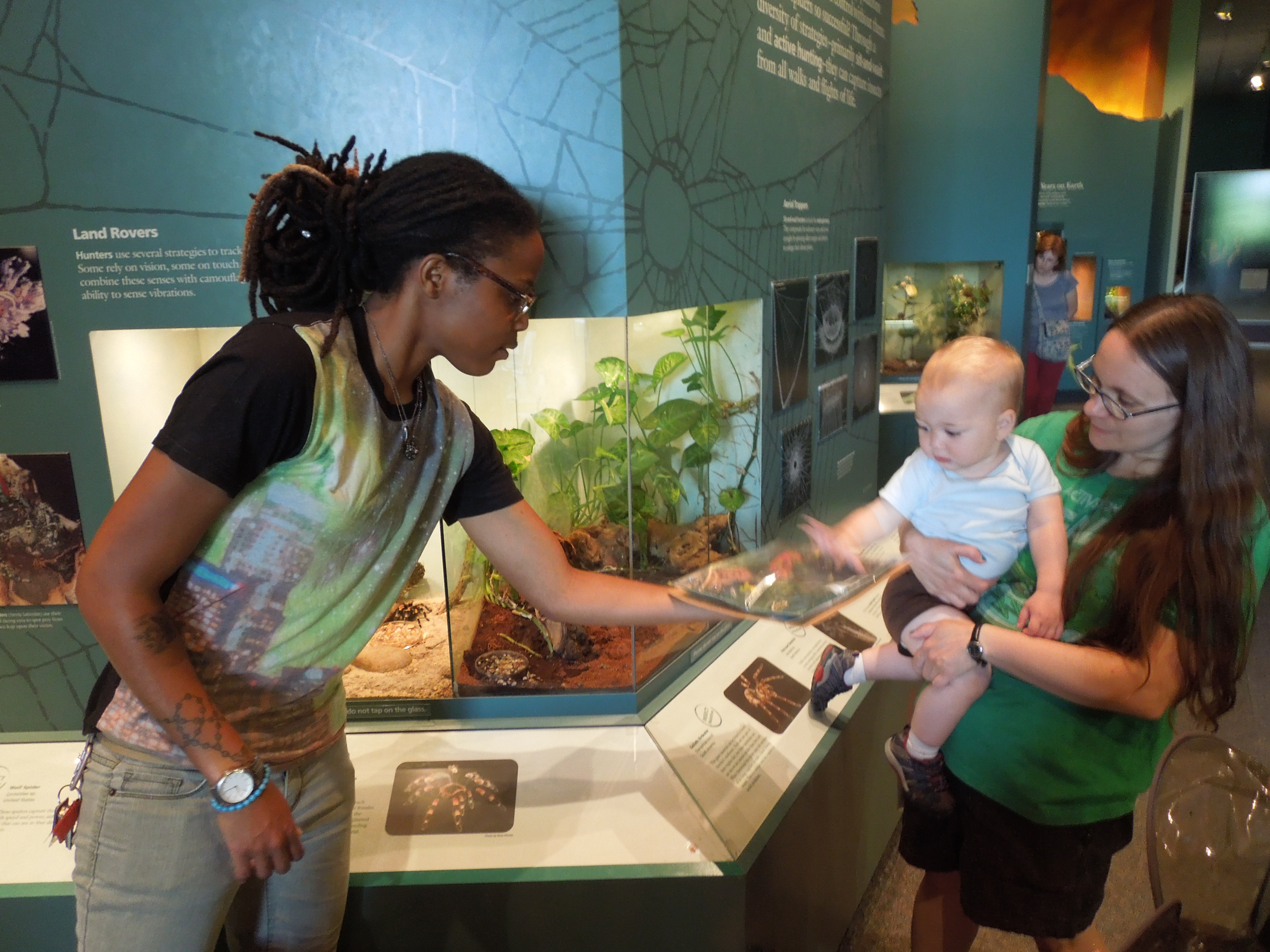
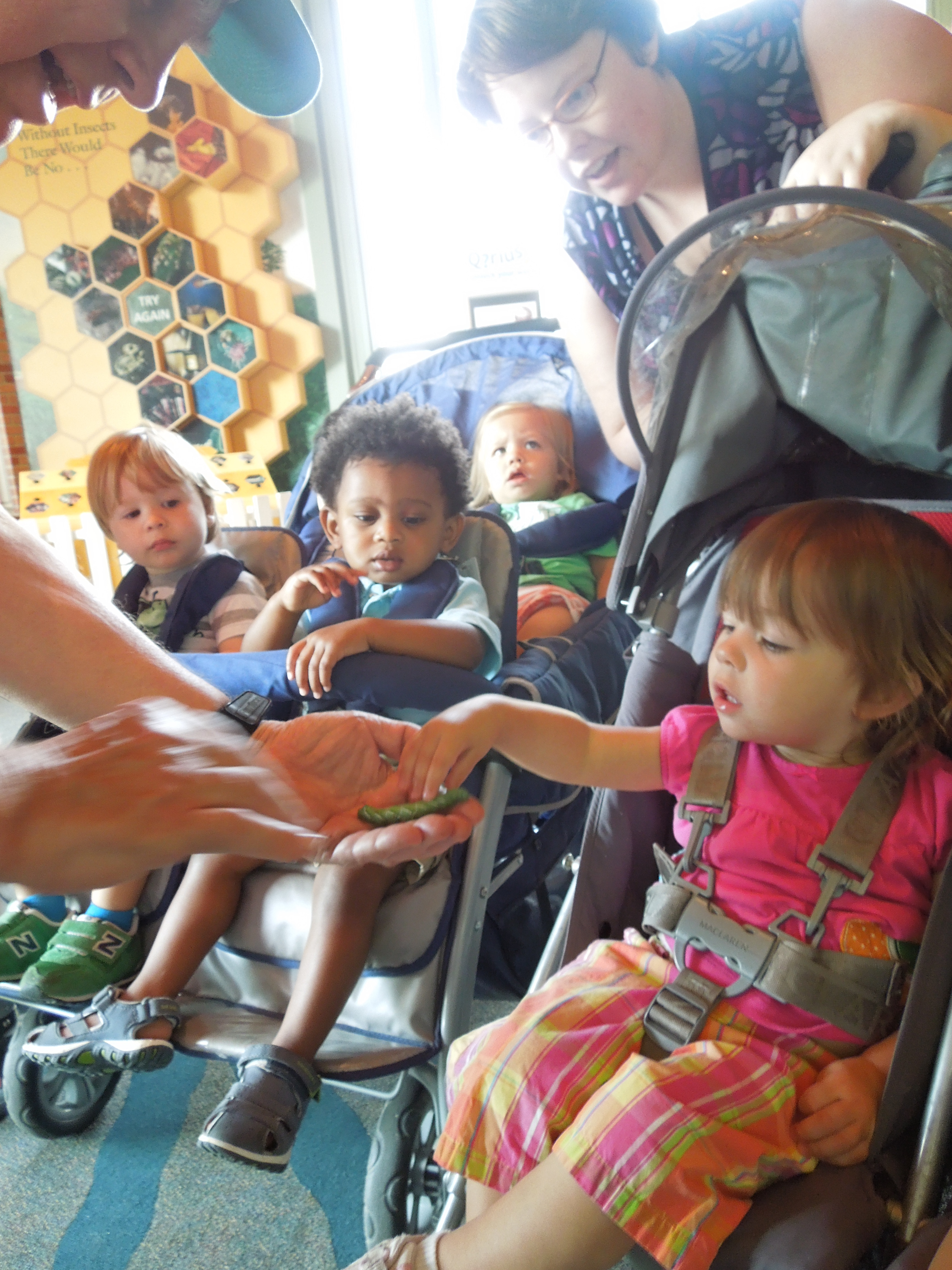
Here are a few images from their unit on nature:DSCN3140Brittany began by taking her group up to the Insect Hall at The National Museum of Natural History. On many mornings there is an interpreter in the gallery with different insects for the children to meet.  

DSCN3148
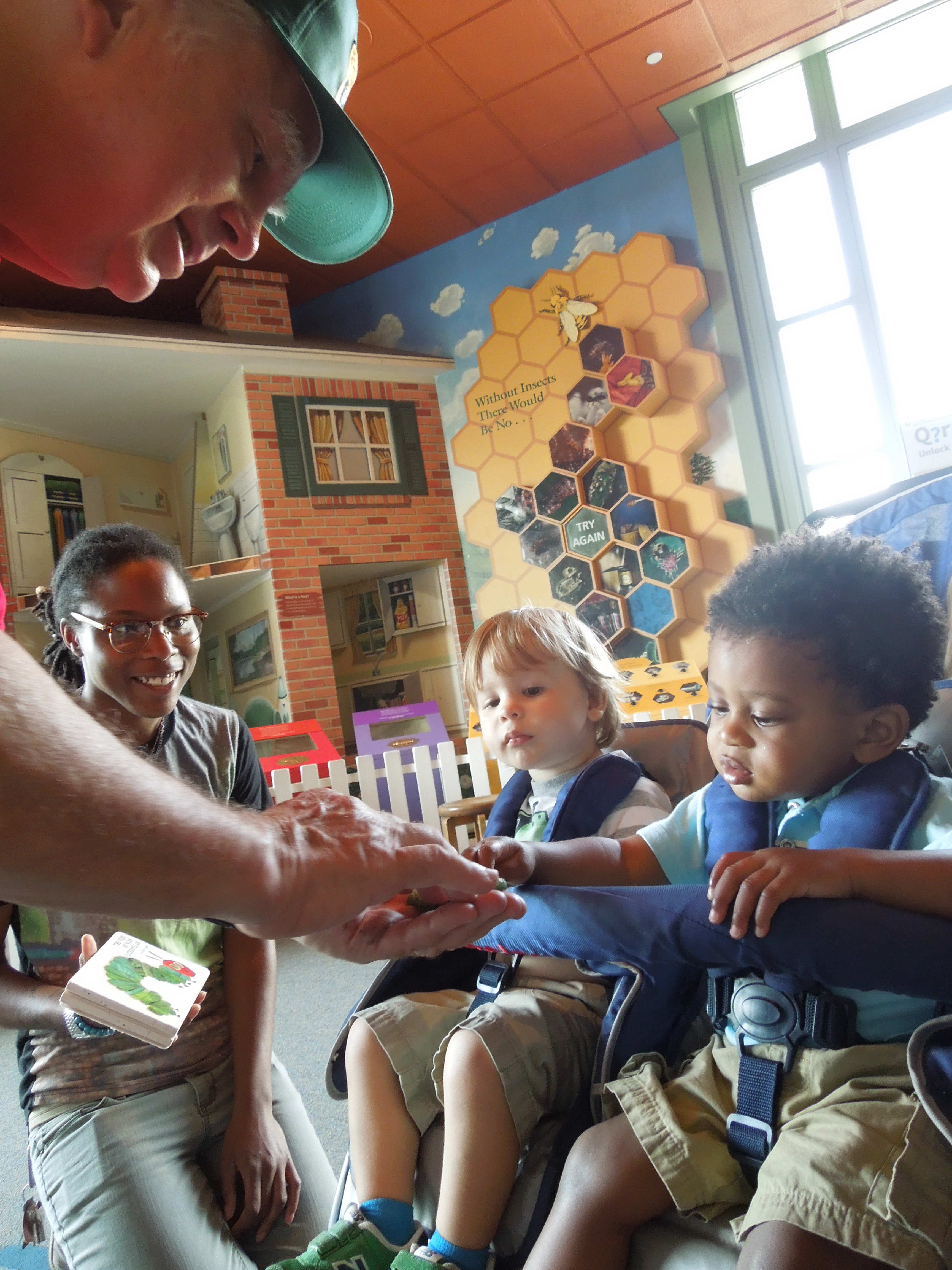
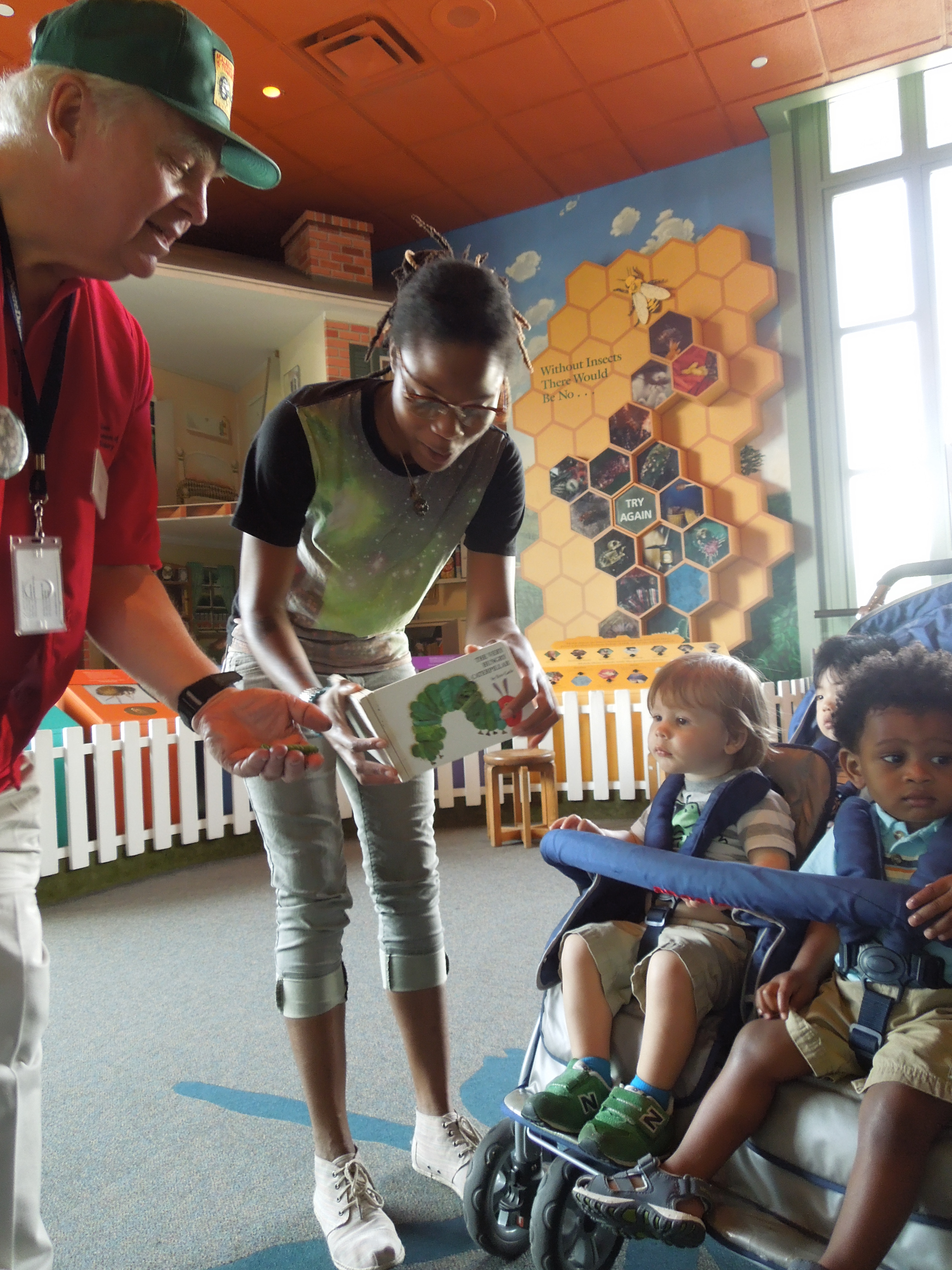
The children got to meet a live caterpillar and compare it to the Eric Carle’s The Very Hungry Caterpillar. The group practiced using gentle hands and loved exploring the texture of the caterpillar.

DSCN3157Brittany then had the group observe the display of chrysalis and butterflies. She explained that the caterpillar they just saw would eventually become a chrysalis and then a butterfly.


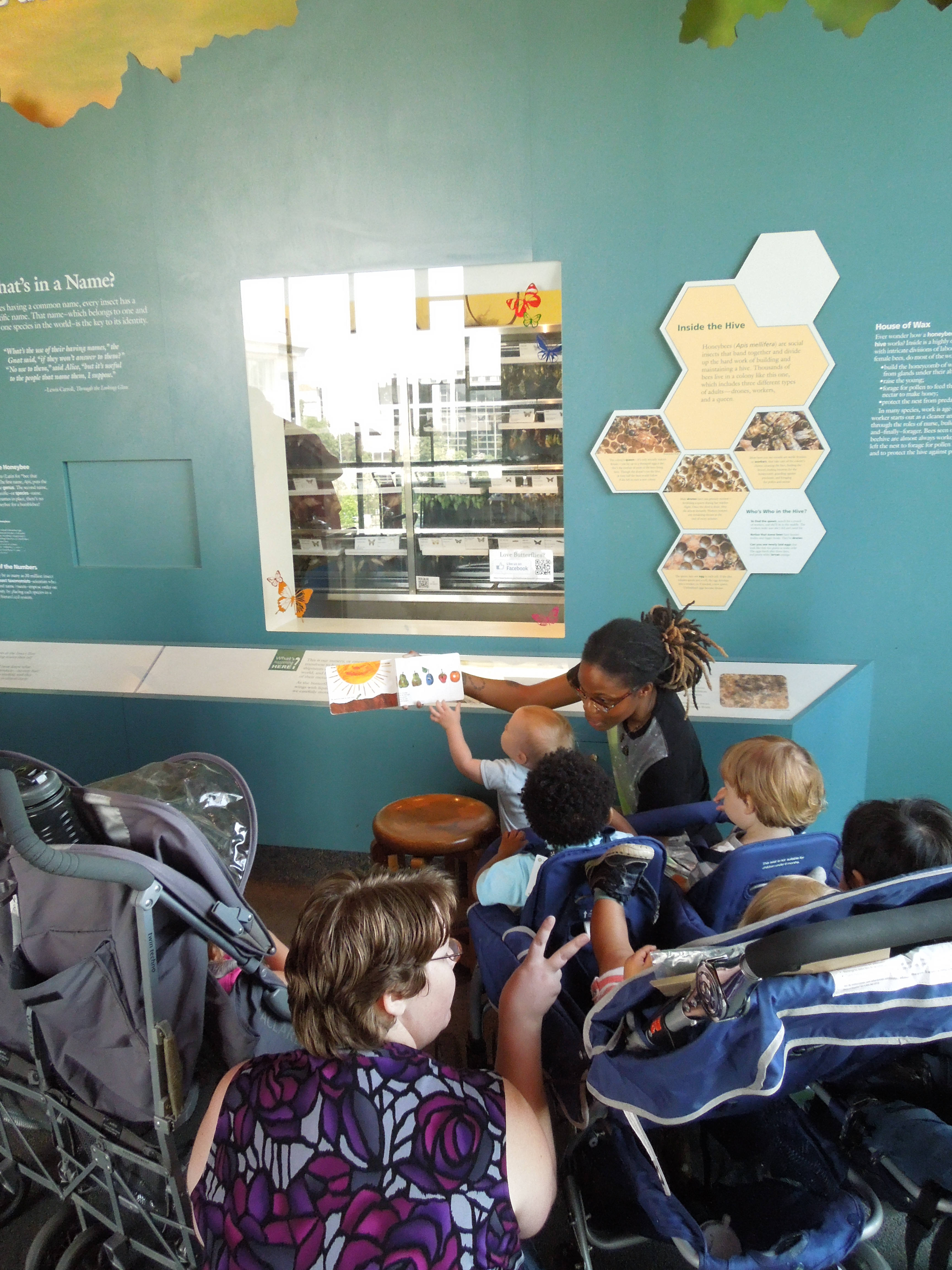
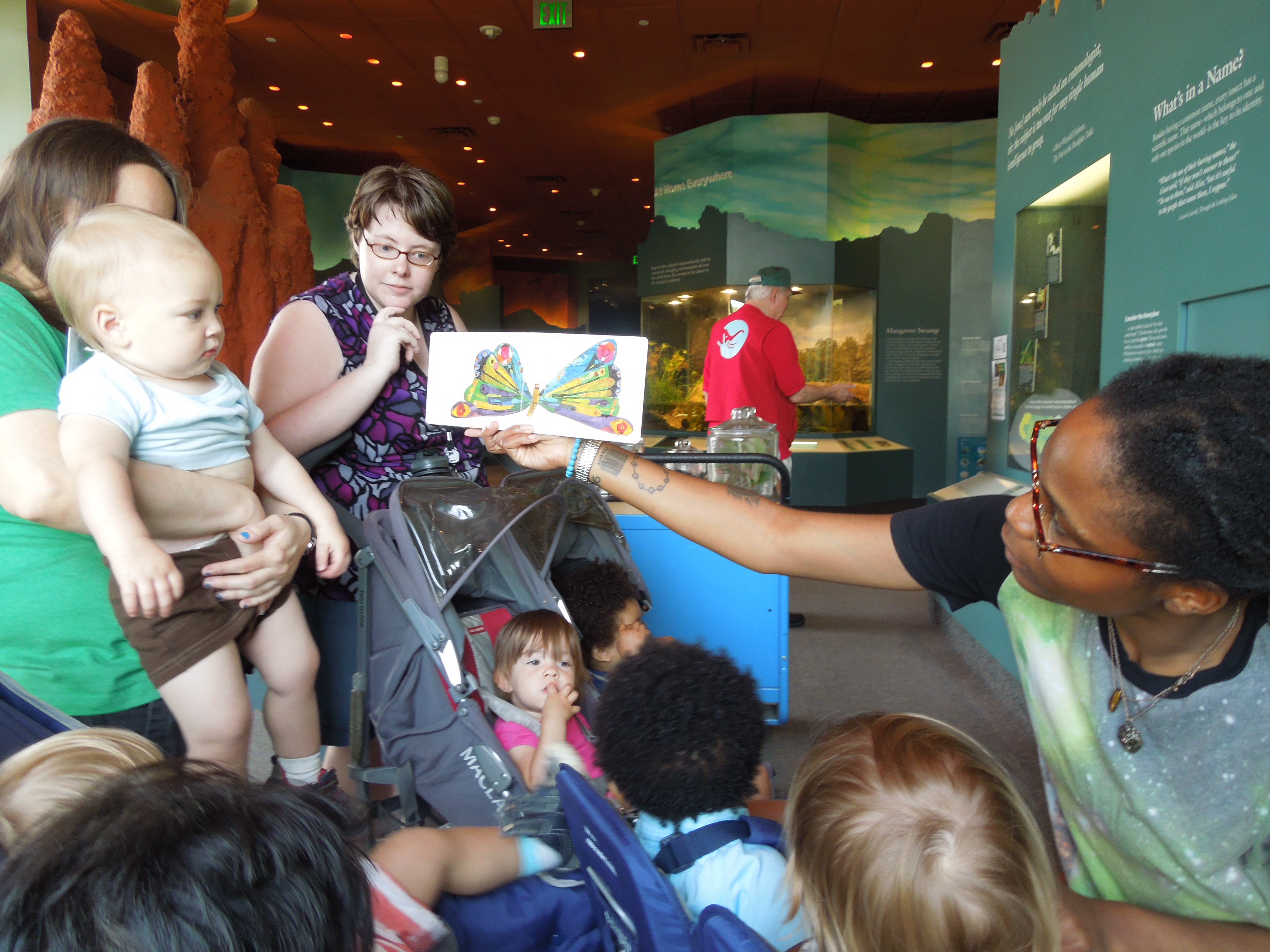
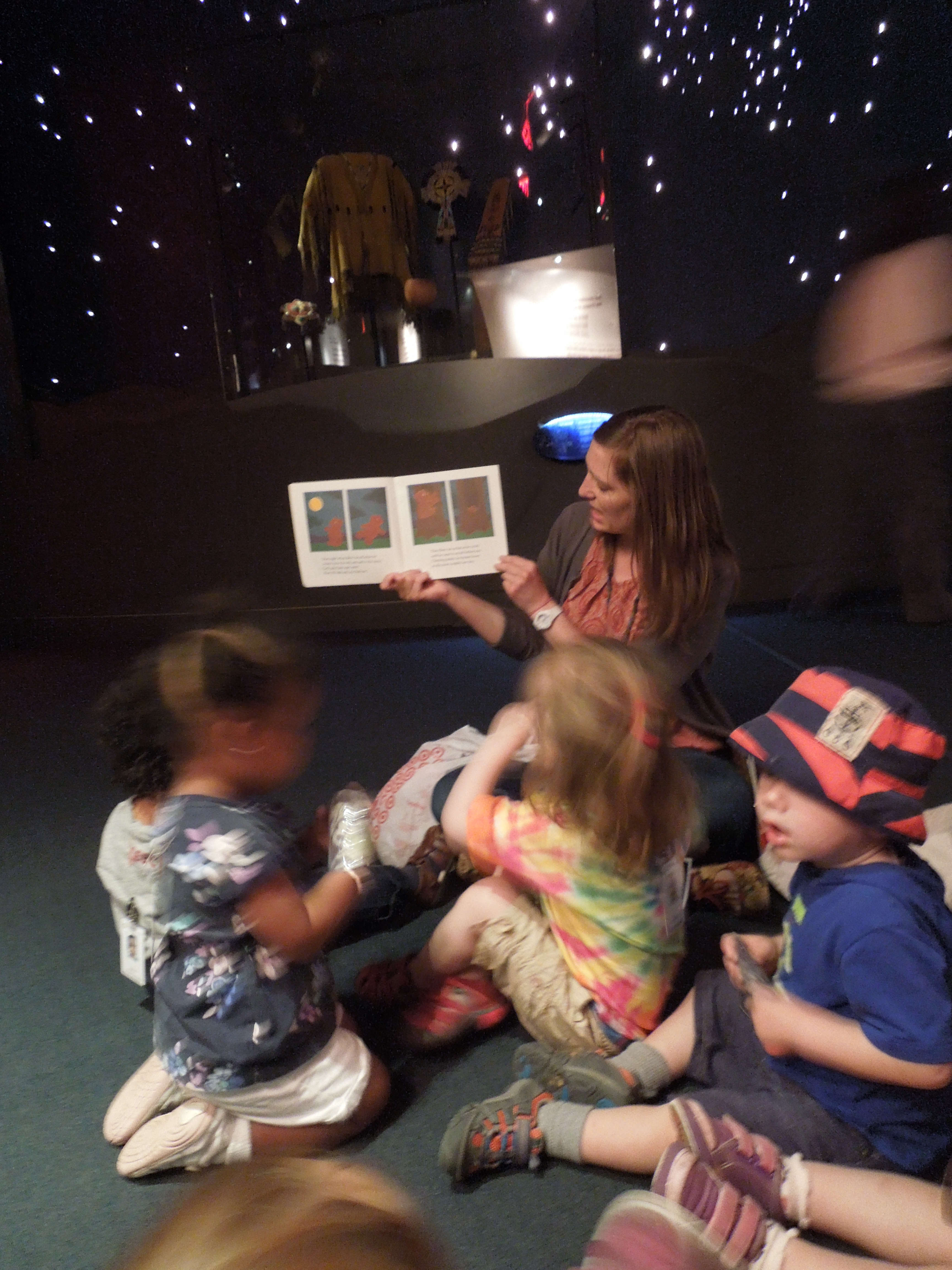
DSCN3164 DSCN3176To reinforce the information she was sharing with the group, Brittany read The Very Hungry Caterpillar. She was sure to point to the corresponding exhibits as she read.


DSCN3186
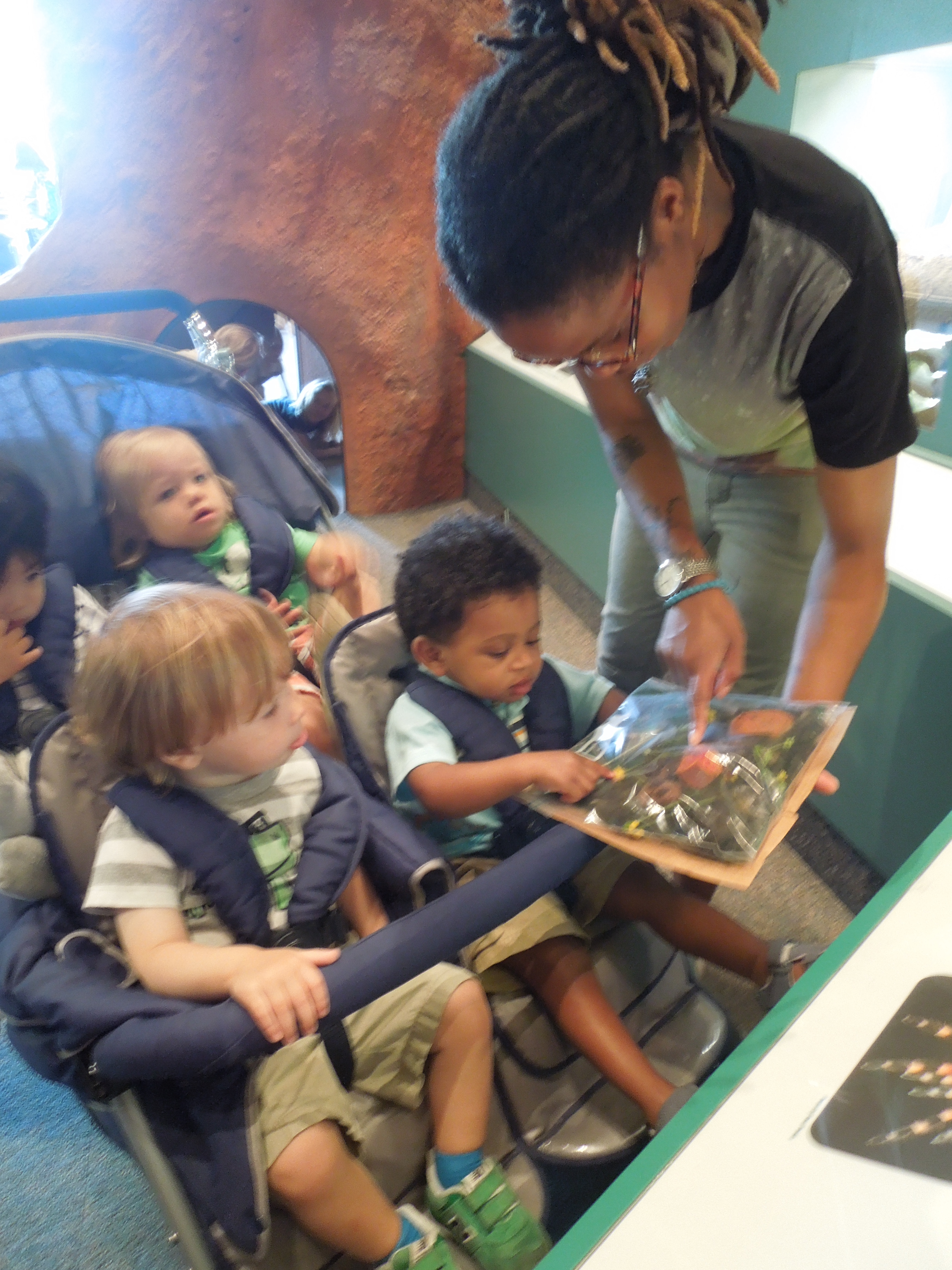
DSCN3197Brittany then led the group around the gallery to look at the other insects. She brought along a sensory bag full of dirt, small insects, and foliage for the children to touch in the exhibit.


DSCN3206
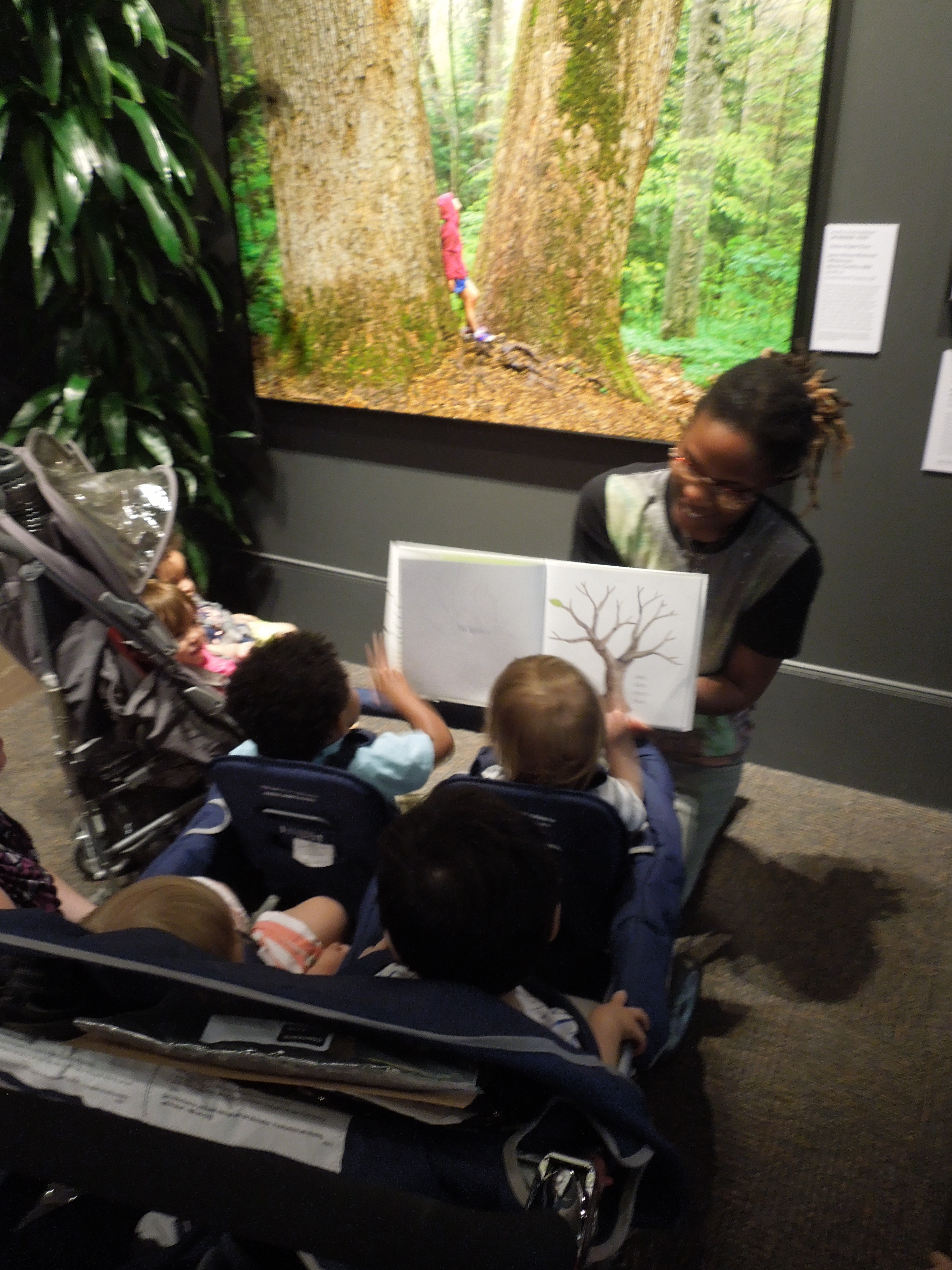
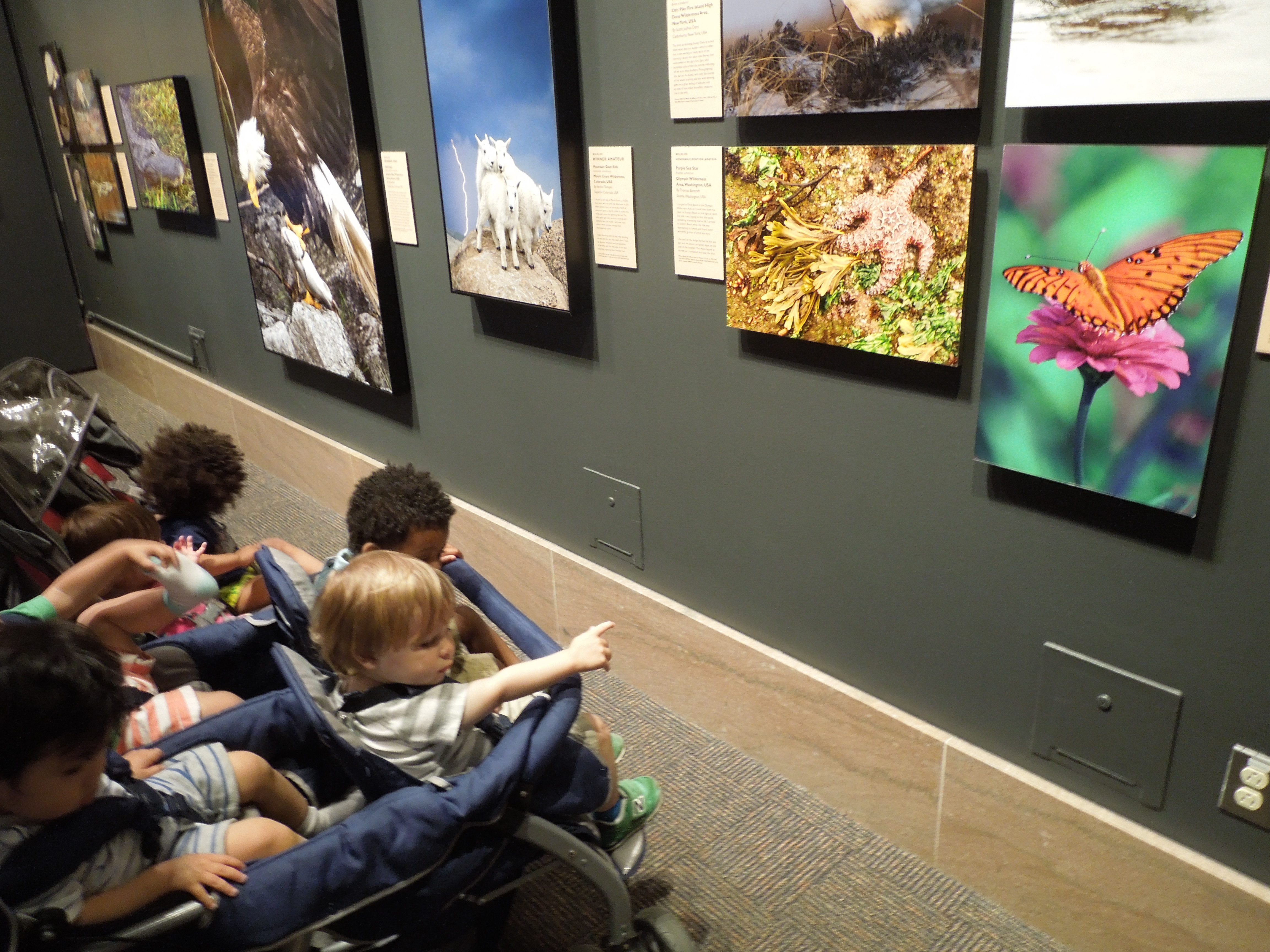
The group went up to see the Wilderness Forever: 50 Years of Protecting America’s Wild Places photography exhibit. The class had fallen in love with the book Tap the Magic Tree by Christie Matheson so Brittany read the book in front of one of the photographs in the exhibit.

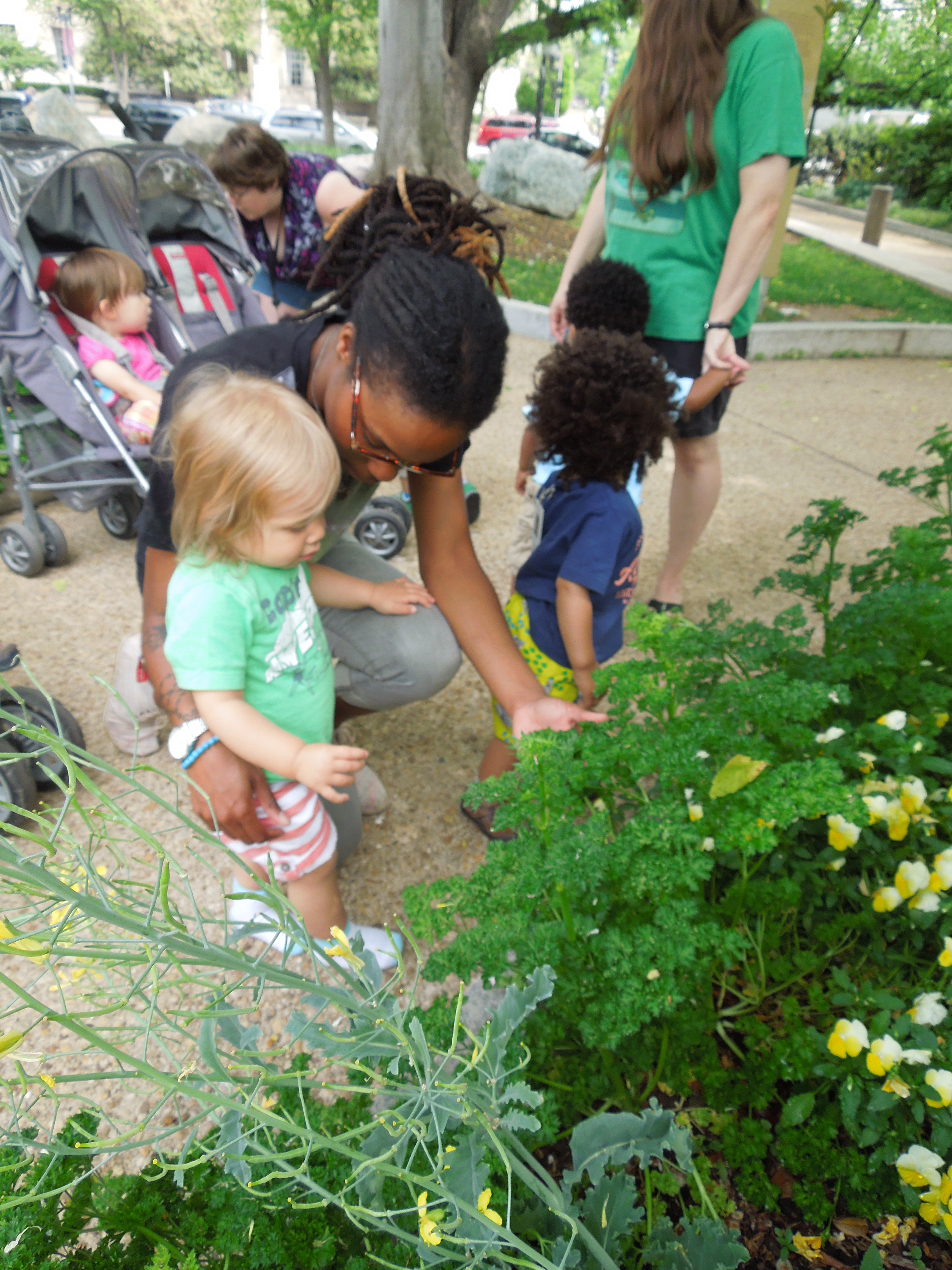
DSCN3230The last stop was to the edge of the Butterfly Garden (located outside of the Natural History Museum) to interact with plants and insects in their natural environment. Brittany encouraged the group to feel the textures and smell the different plants.

This class had a wonderful time learning about nature! Be sure to check back for our Teacher Feature next week!
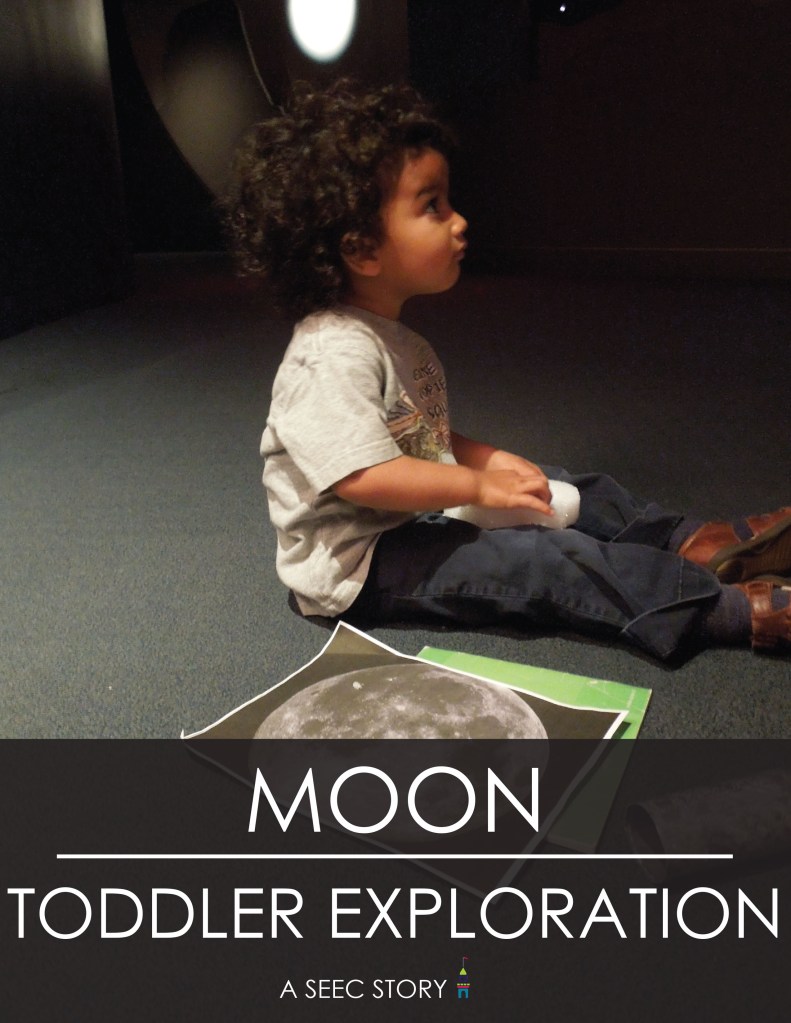
Teacher Feature: Toddler Class Explores The Moon

It’s Teacher Feature Thursday!

This week we are featuring Melinda Bernsdorf. Her toddler classroom was learning about opposites and decided to spend a week learning about the sun and the moon. Below you will find a reflection from Melinda and images from her lesson on the moon.

TeacherFeatureTemplate

What were your topics of exploration?

In our classroom, we have been talking about opposites. This week, we looked at day and night, something very familiar to the kids, and discussed the differences between these two concepts. We talked about the noticeable differences in the level of light, and the different objects we see in the sky during day and night. We started in the atrium of the National Museum of the American Indian. There is a large skylight that has metal work resembling a sun which lets sunlight shine into the space. There is also a set of prisms, and as the outside light shines through, rainbows move across the walls. We then looked at the amazing star scape on the ceiling of Our Universes in the National Museum of the American Indian. To focus our attention, we brought “telescopes” we made earlier in the week, and found shapes in the stars. To deepen our discussion on the moon, we talked about the texture of the surface, and each child was able to imprint their own Styrofoam moon with finger shaped craters. We also talked about how our actions are different in the day and night. There was lots of discussion about sleep and play.

What were your learning objectives? (What did you want your children to take away from the lesson?)

Exploring opposites is always a great way to involve our kids in scientific discovery and early math skills. I want the kids to become more familiar with the vocabulary on these subjects. We compare and contrast, and talk about observation and investigation. In this lesson, I wanted to bring the attention of the children to a more complex conversation about an everyday experience. I also wanted them to have a great immersive experience, reading about the sun and brightness in the atrium where they could see it shining through the prisms, casting rainbows on the walls, as well as talking about the moon and stars while sitting with “telescopes” under a night sky.

What was most successful about your lesson?

The kids really enjoyed the telescopes. They recognized their work from earlier in the week and felt a sense of ownership and pride as their art project became a tool. They focused on the stars and moon longer when using the telescopes, and having a tactile object that related to the lesson helped lengthen their attention span.

What could you have done differently? What recommendations would you have for another teacher trying out this lesson?

Trying to extend our lesson with the Styrofoam moon would have worked better in the classroom. I was hoping for an art activity that would lend itself well to the museum environment, however I ended up asking toddlers to sit for too long. Between the time in the atrium and then the time under the stars, we became a bit antsy. When I attempt this lesson again, I think we might talk a little more about the moon and its surface on a different day. I would also like to expand this project by having the kids paint the newly-cratered surfaces of their Styrofoam moons with a mud or clay based liquid, and decorate the other side of the Styrofoam with orange and yellow tissue paper. This will give them a tactile object that represents both the moon and the sun. Like the telescopes, these could be made ahead, and brought with us to the museum to bring both aspects of the lesson together.

Here are a few images from their unit on opposites:

DSCN3274Melinda took the group straight to the National Museum of the American Indian for their lesson. When they first pulled into the museum she had the group stop and observe the light coming from the ceiling portal.
DSCN3277Melinda then showed the group an image of the sun and asked them to compare it to the light that was coming out of the portal. They talked about the shape and the amount of light they could see.
DSCN3282Melinda gave each child the chance to look closely at the image.
DSCN3284She also referenced a book they had read earlier in the week about the sun.

DSCN3300They then headed up to the Our Universes exhibit. The ceiling of the exhibit has a moon and is covered in stars. Melinda passed out telescopes that the children had made to help them look closely at the night sky. While the children were looking, Melinda read them Moon Game by Frank Asch.
DSCN3298The group loved looking closely at the book through their telescopes. 

DSCN3317Melinda then shared with the group an image of the moon and styrafoam circle. She talked about how the moon is covered in craters and that they were going to use their fingers to squish the foam and make their own craters.
DSCN3313They enjoyed the sensation of the foam squish beneath their fingers.
DSCN3324One little girl especially liked comparing her circle to the moon.
DSCN3329Melinda also had the group look at the House Post from the Dís hít (Moonhouse) of the Kwac’kwan Clan. She pointed out the circle shape and how the carved image on each post could reflect the different phases of the moon.

DSCN3335 DSCN3337They took one final look at the sun coming through the portal and compared the two images of the sun and moon before heading back to the classroom.

This class had a wonderful time learning about opposites! Be sure to check back for our Teacher Feature next week!

Teacher Feature: Preschool Classroom Explores Architecture

It’s Teacher Feature Thursday!

This week we are featuring Jessie Miller. Her three year old classroom was learning about architecture and decided to spend a day creating models. Below you will find a reflection from Jessie and images from her lesson on architecture.

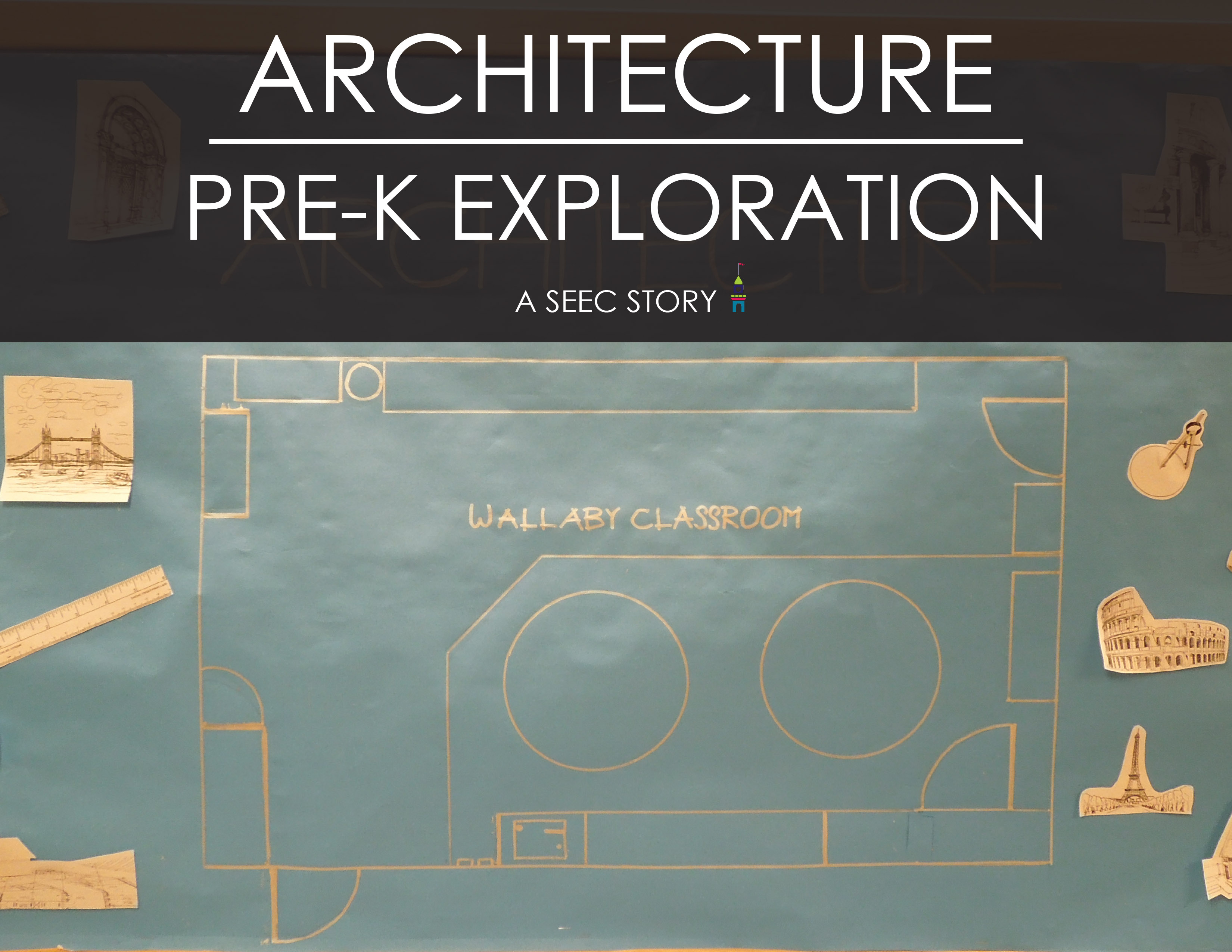
Architecture_Cover_1

What were your topics of exploration?

During our exploration of architecture, we talked about the process architects and builders go through to create houses. With the help of Chris Van Dusen’s book If I Built a House, we discussed what kinds of things we would want to include in our own dream house. After the architects make blueprints they often create models of what they want to build. The students used their previous knowledge of architecture and their new ideas from the story we read to create their own model of a house. Each child was given a shoe box as a starting point and they used materials such as cardboard, paper, ribbon, tape, markers, scissors, etc. to build their model homes. During this activity, we talked about making sure the houses have a solid foundation on which to build and what kinds of essential elements they needed to function as a home. It was also a way to show them how models are created to help architects visualize what they want something to look like before they actually begin building it.

What were your learning objectives? (What did you want your children to take away from the lesson?)

The class had been studying architecture for a few weeks prior to this lesson and I wanted them to have a hands on experience related to this topic. We had read countless books on architecture, created our own blueprints, observed the architecture around us, learned about building materials and tools, and even met with some real architects! I wanted the children to use all this knowledge they had learned and apply it to this project. After this lesson, they should understand the concept of what a model is and why they are an important tool for architects. I also wanted the class to take on the role of the architect and see how they can use their own ideas to create something. They should also be able to compare the things they were putting in their model to real life. For example, if they added cardboard to the top of their shoe box it could represent a roof or if they cut a hole in the side it may be a door.

What was most successful about your lesson?

This lesson was a great way to have the class express themselves in a creative way without many restrictions. They were given a lot of space and a range of materials to work with, which allowed them to all work on a project at the same time but at their own pace. There were three adults and twelve children so there were extra hands when the children needed help with something. I think the most successful part of the lesson was that the children were able to create something of their own and have fun with it. The lesson was structured in a way that allowed them to move around a lot and not be confined to sitting in one place or having to wait long periods of time to get a turn. The Wallabies really impressed me with all of the conversations they were having about what they were building and how they were able to take their ideas and turn them into something real. This lesson also leaves the children with a final product they can keep and be proud of.

What could you have done differently? What recommendations would you have for another teacher trying out this lesson?

This was a fun activity for the Wallabies but it takes some time and effort to complete. We were able to do the activity on the floor of a large art space which was much more conducive then tables in the classroom. However, because of the amount of children and materials it could get a bit cluttered at times and the clean up is a process as well. One issue that arose was how much tape the children needed. Because they still needed help from teachers to get tape, it was hard for me to pass it out as quickly as they needed it. Therefore, I would have more of that ready for them beforehand. Doing this activity with smaller groups could be helpful as well so the teachers can work with more children one on one. It is also important to either have a set time when everyone stops or have something for them to do once they begin finishing the activity. Some children get really detailed with their models, while others may rush through it quickly so it is important to be mindful of this difference.

Here are a few images from their unit on the architecture:

DSCN3089

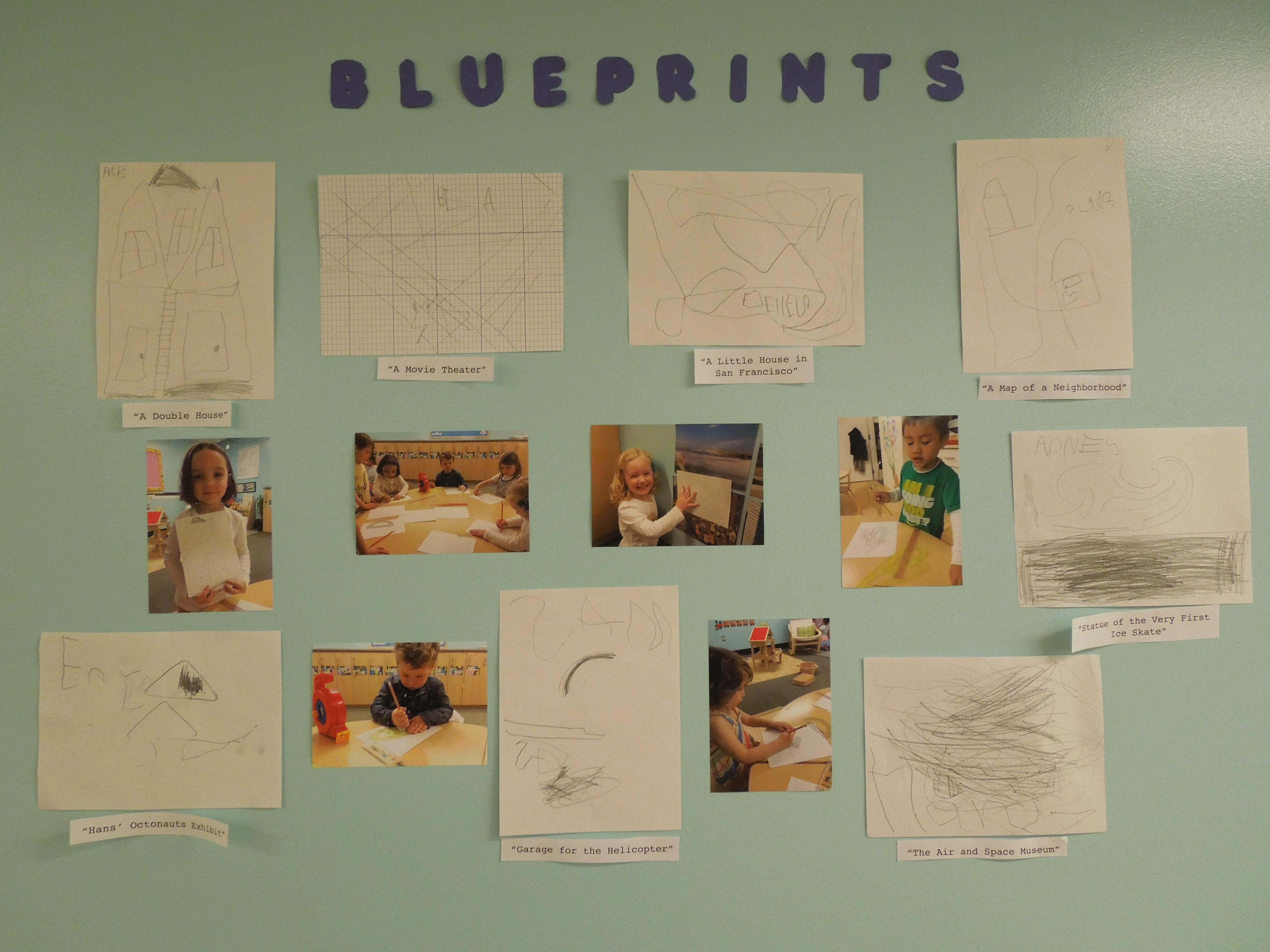
Throughout the week the group studied blueprints and worked on their own sketches.

architect

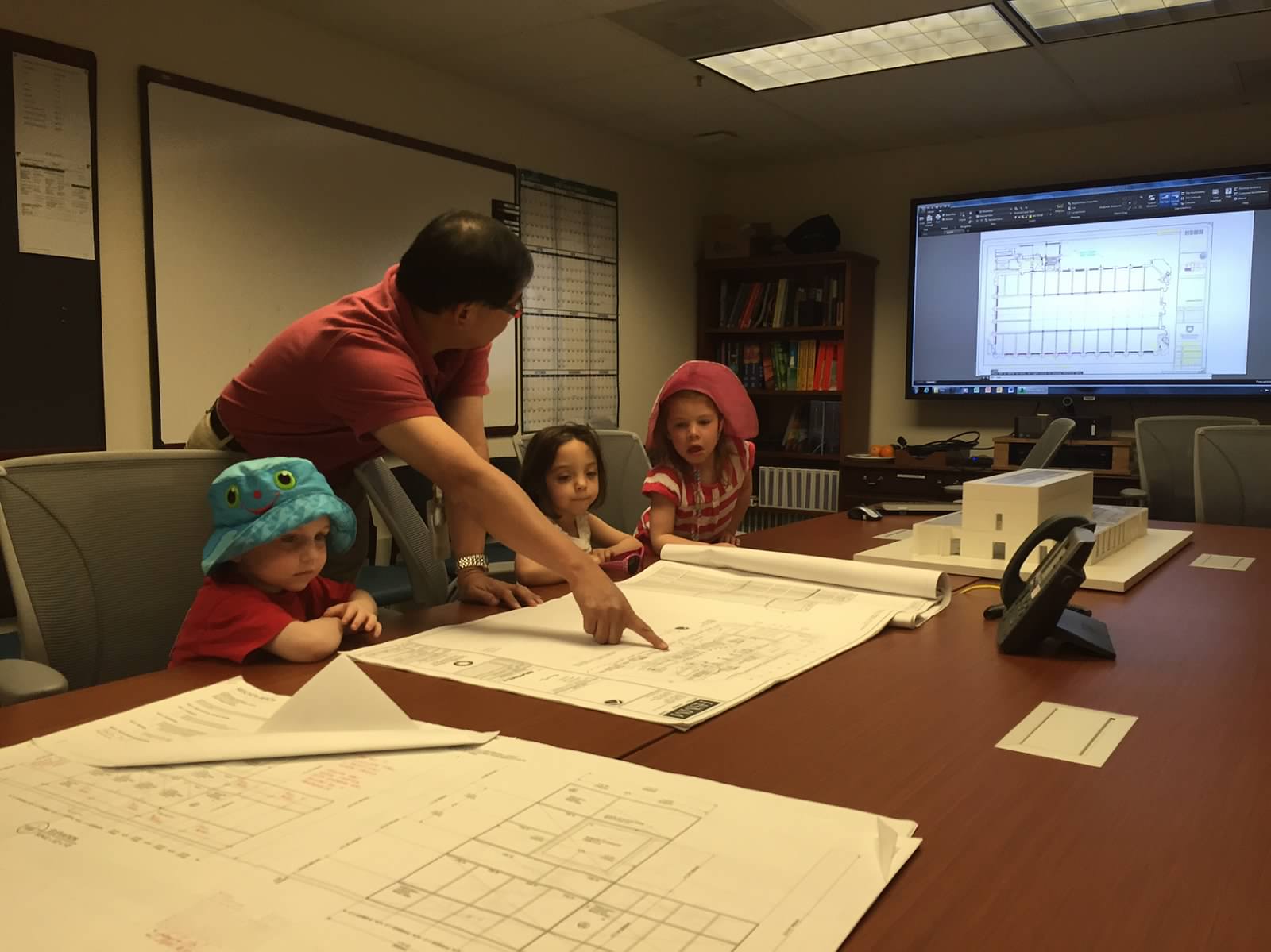
The group even visited with Natural History Museum’s building manager to look at blueprints for the museum and learn about the role of an architect.

DSCN3091

For this lesson, Jessie wanted to focus on the children creating models of a house of their own design. She read the group If I Built a House to inspire them to think creatively about what their dream house might include.

DSCN3097

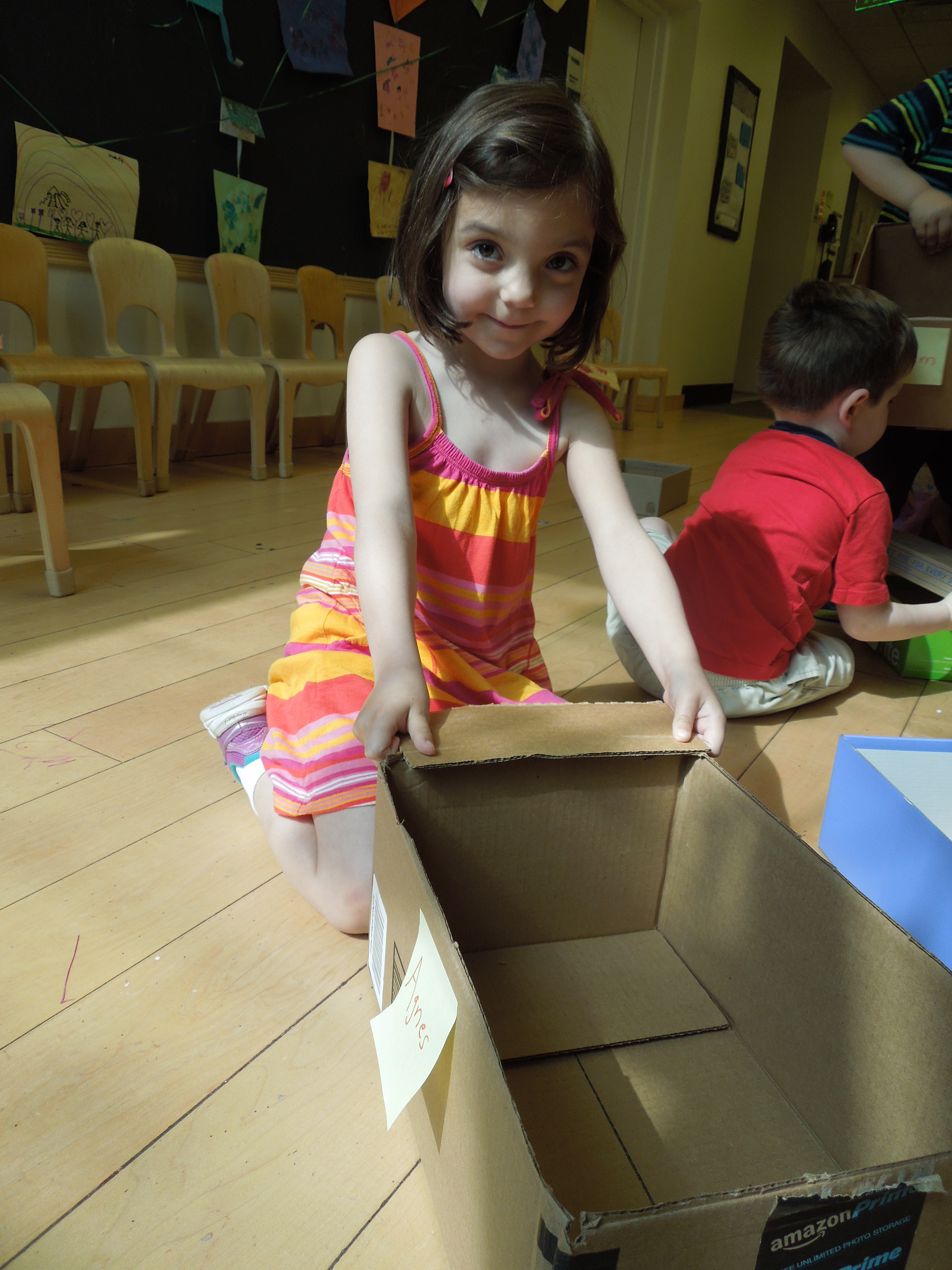
Jessie then explained that each child was going to get a box and could use any of the materials she collected (string, ribbon, cardboard pieces, dot paint, straws, etc) to create their model. Jessie had the group work together to help build her model before beginning to work on their own.

DSCN3108 DSCN3114

The children were able to get lots of fine motor and problem solving practice during their construction.

DSCN3133

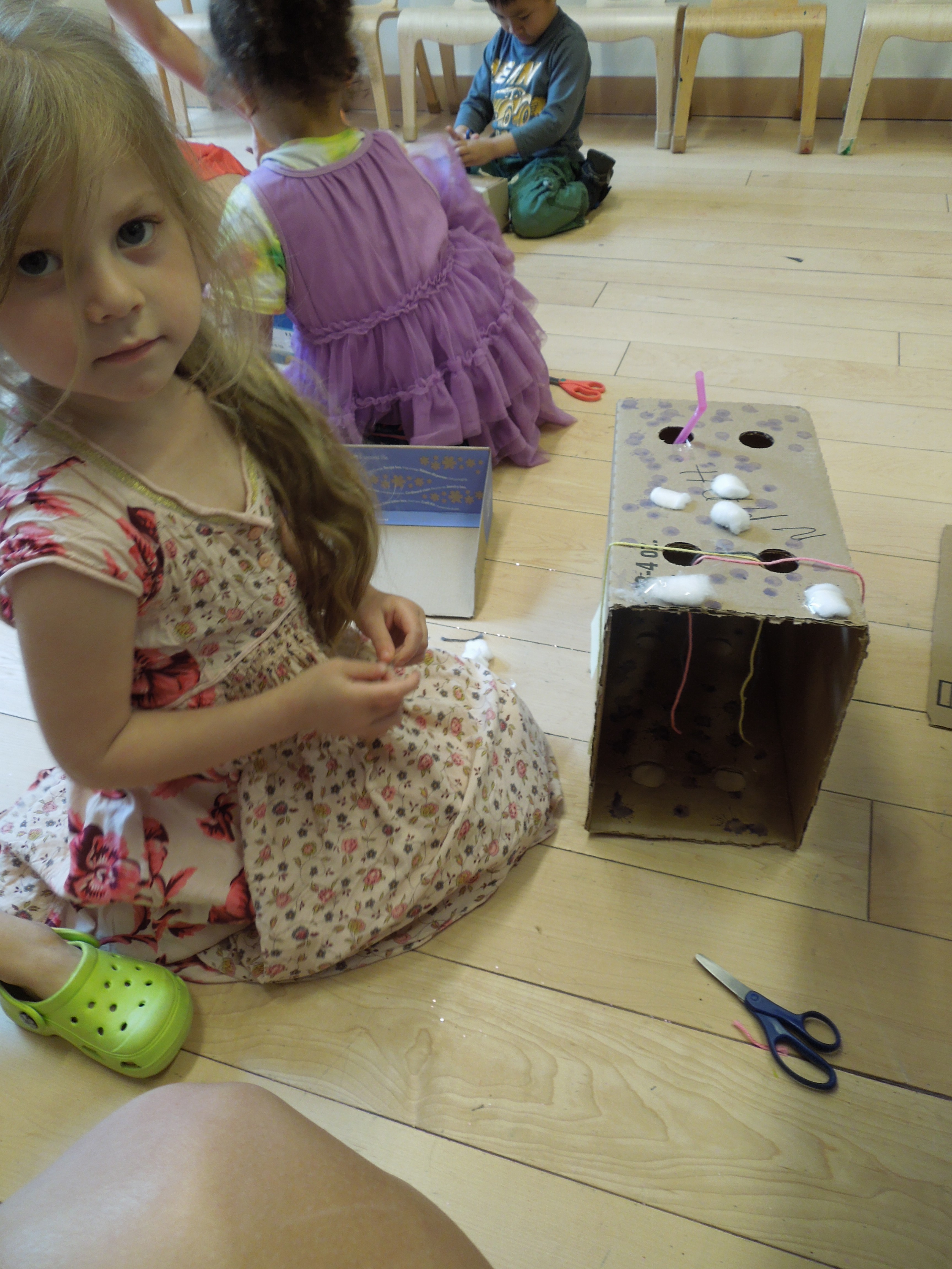
When the children were finished, they would describe their house to one of their teachers. This little girl explained: “I love the house. The strings are woggly and there are dots on the bottoms and dots on the top. The cotton balls are windows up top.”

This class had a wonderful time learning about architecture! Be sure to check back for our Teacher Feature next week!
 

Teacher Feature: Infant Classroom Explores Flowers

It’s Teacher Feature Thursday!

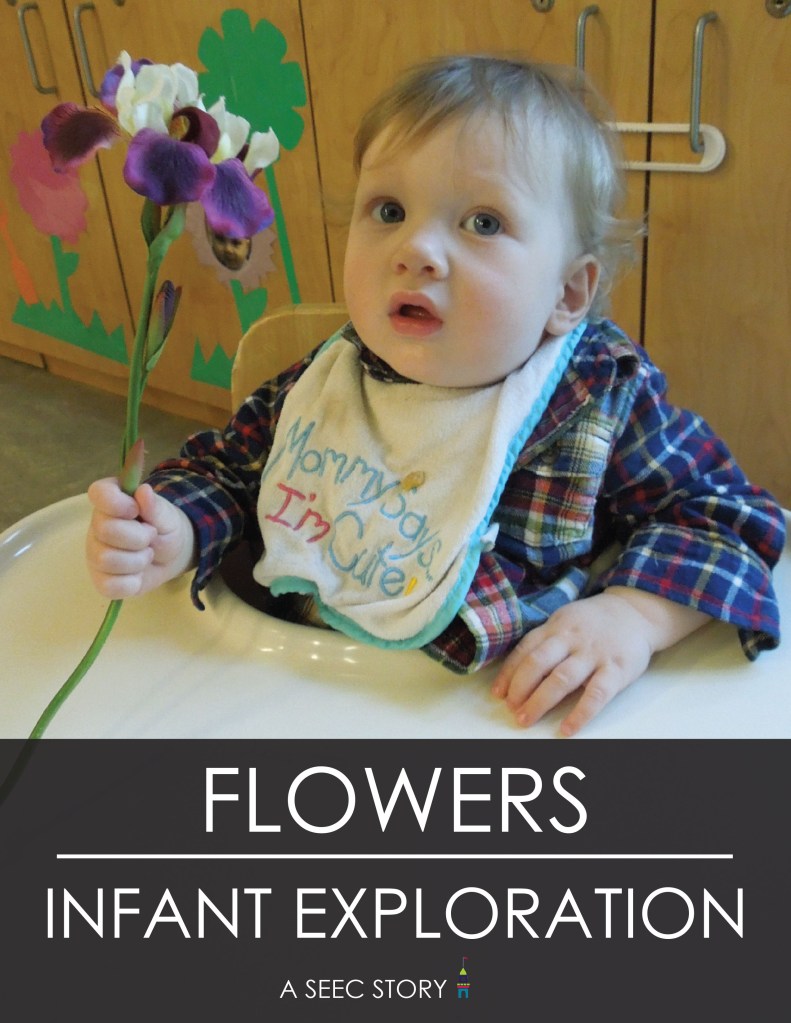
This week we are featuring Noel Ulmer, Nessa Moghadam, and Katy Martins. Inspired by the spring weather and blooms, their infant class decided to paint with flowers.  Below you will find images from their painting experiences with flowers.

Flowers_Cover


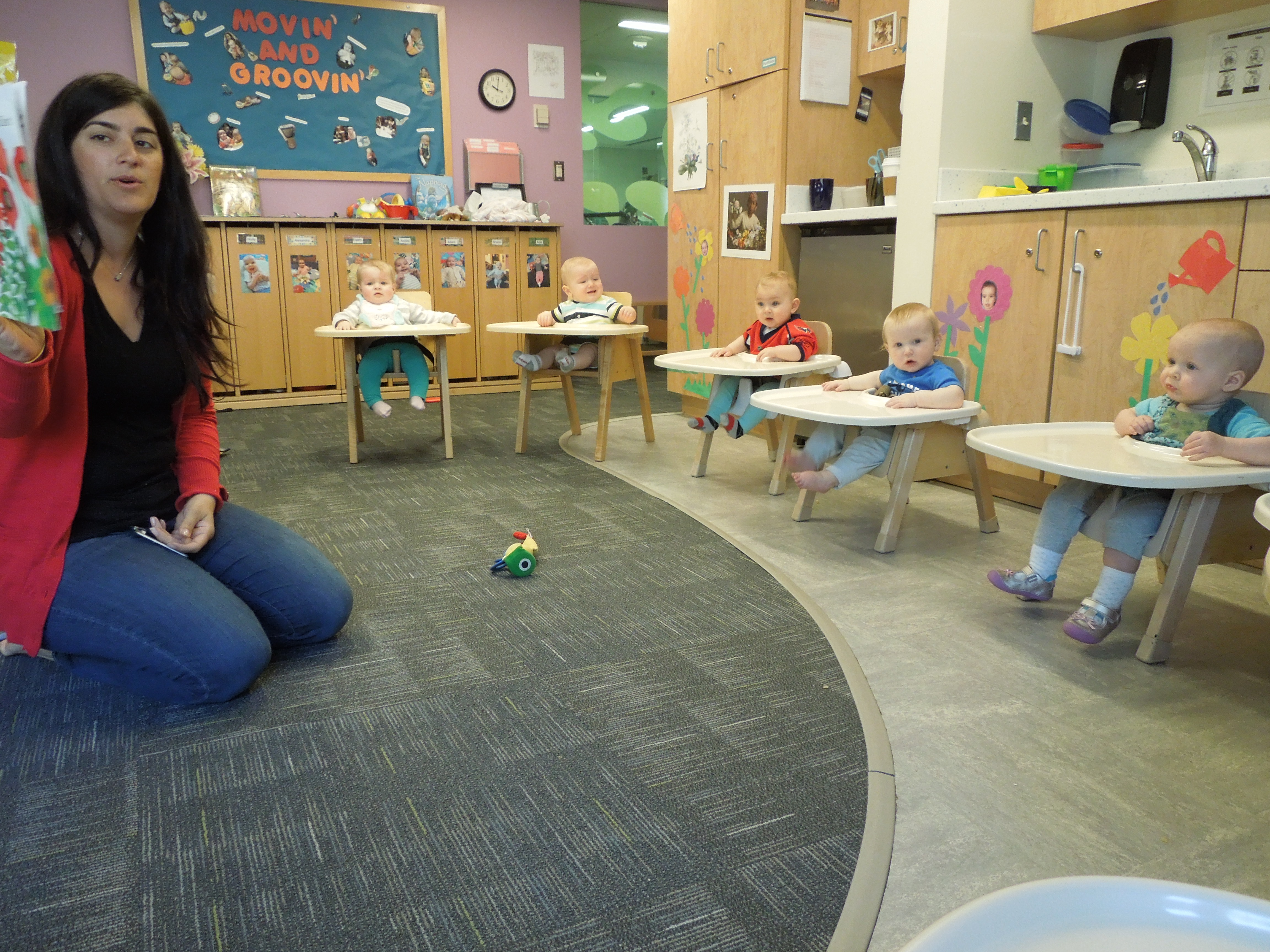
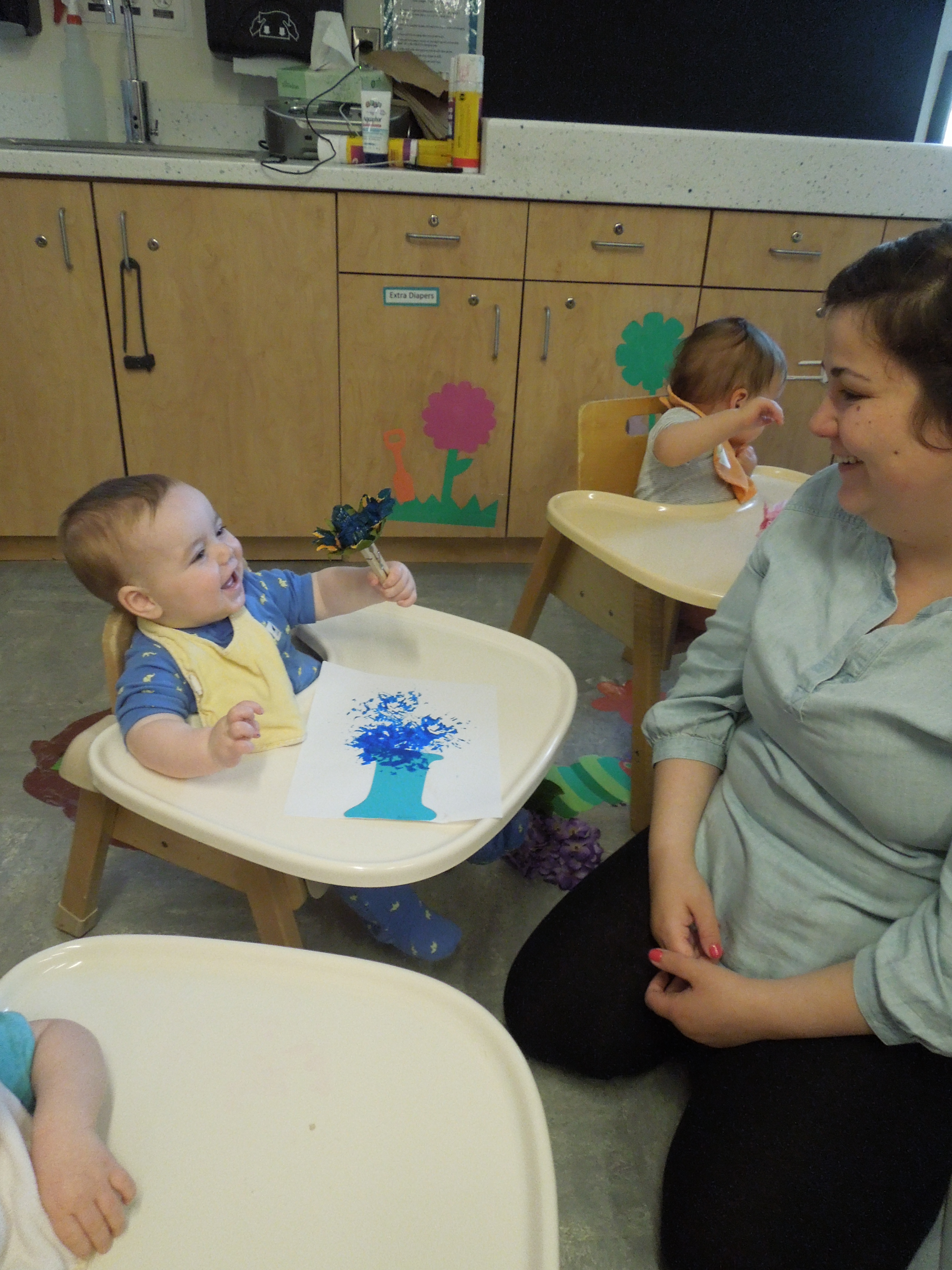
Here are a few images from their unit on the flowers:DSCN2973Nessa began the lesson by reading Planting a Rainbow by Lois Ehlert. The team had the children sit in high chairs so they could have a nice flat and accessible surface to do their painting.

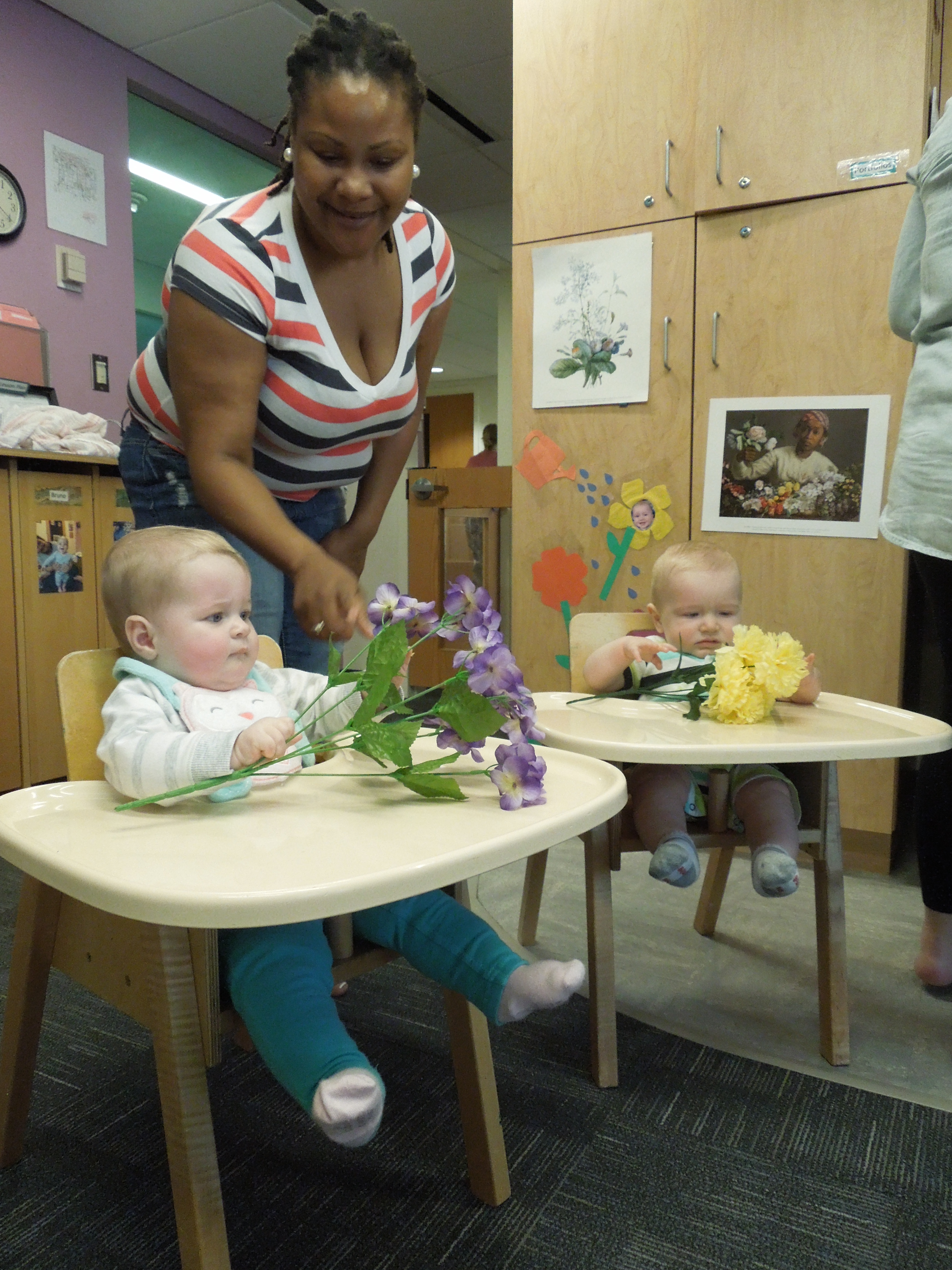
DSCN2977The children were first provided with silk flowers to touch and explore.

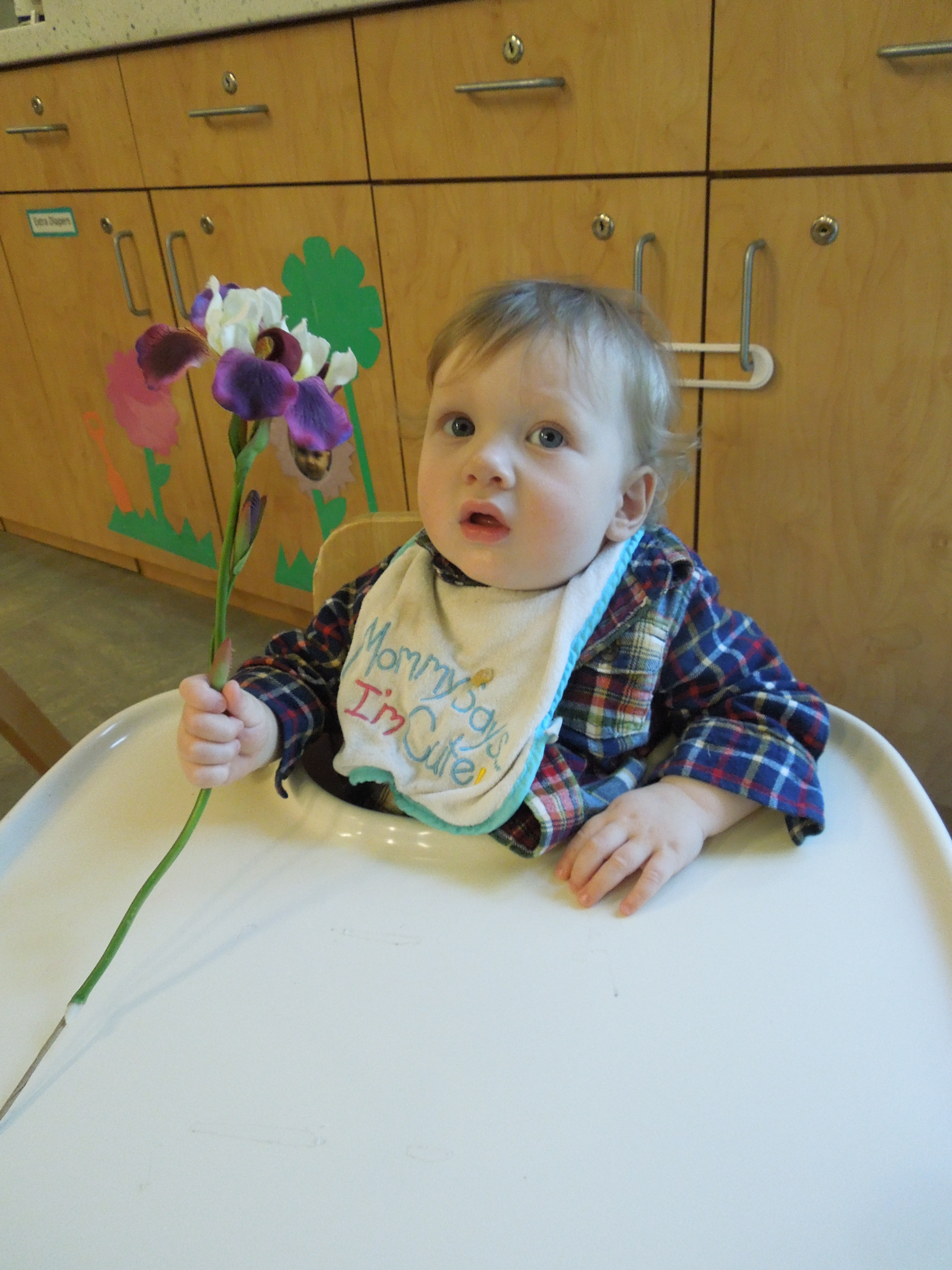
DSCN3003The children used all their senses!

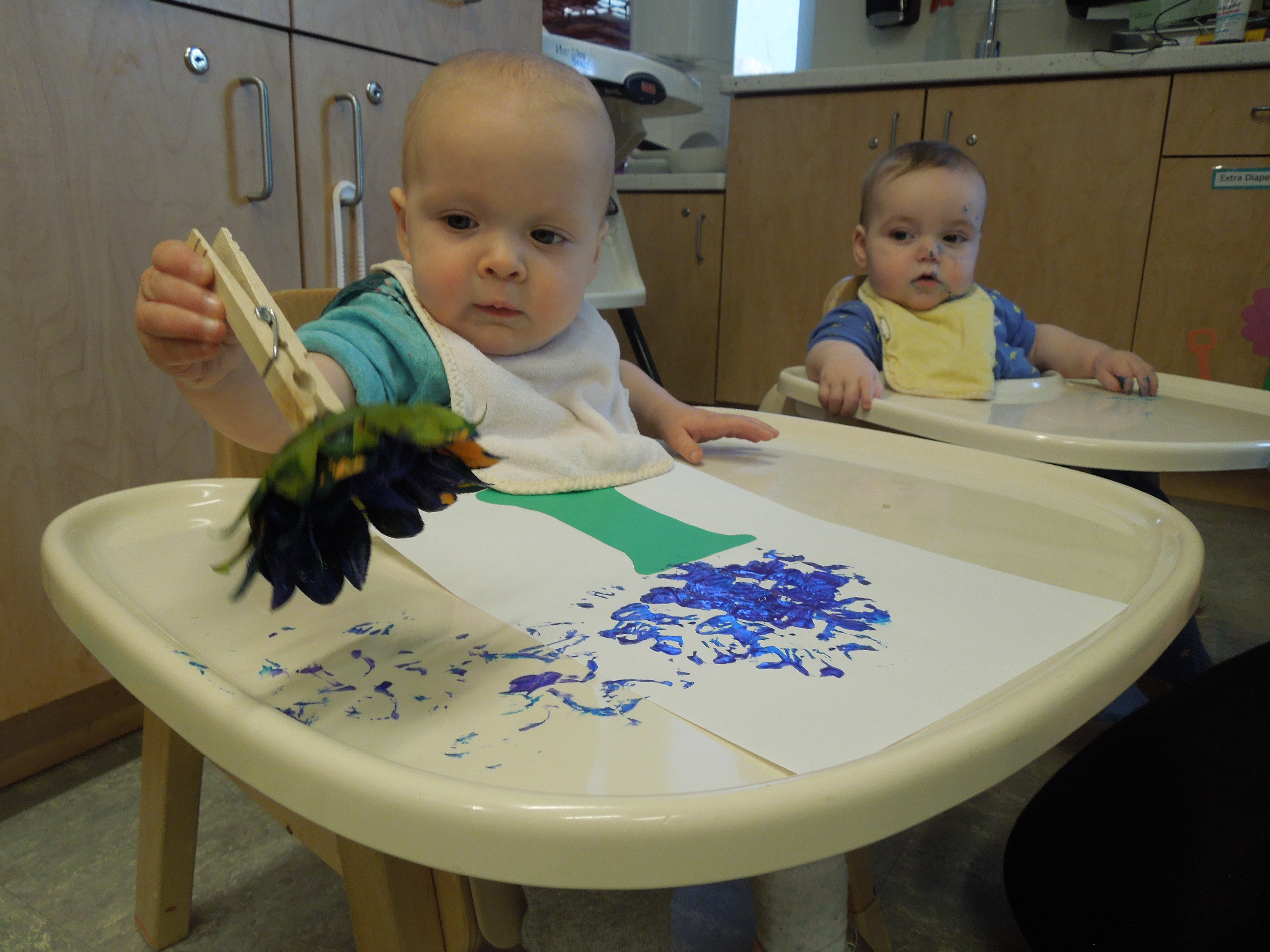
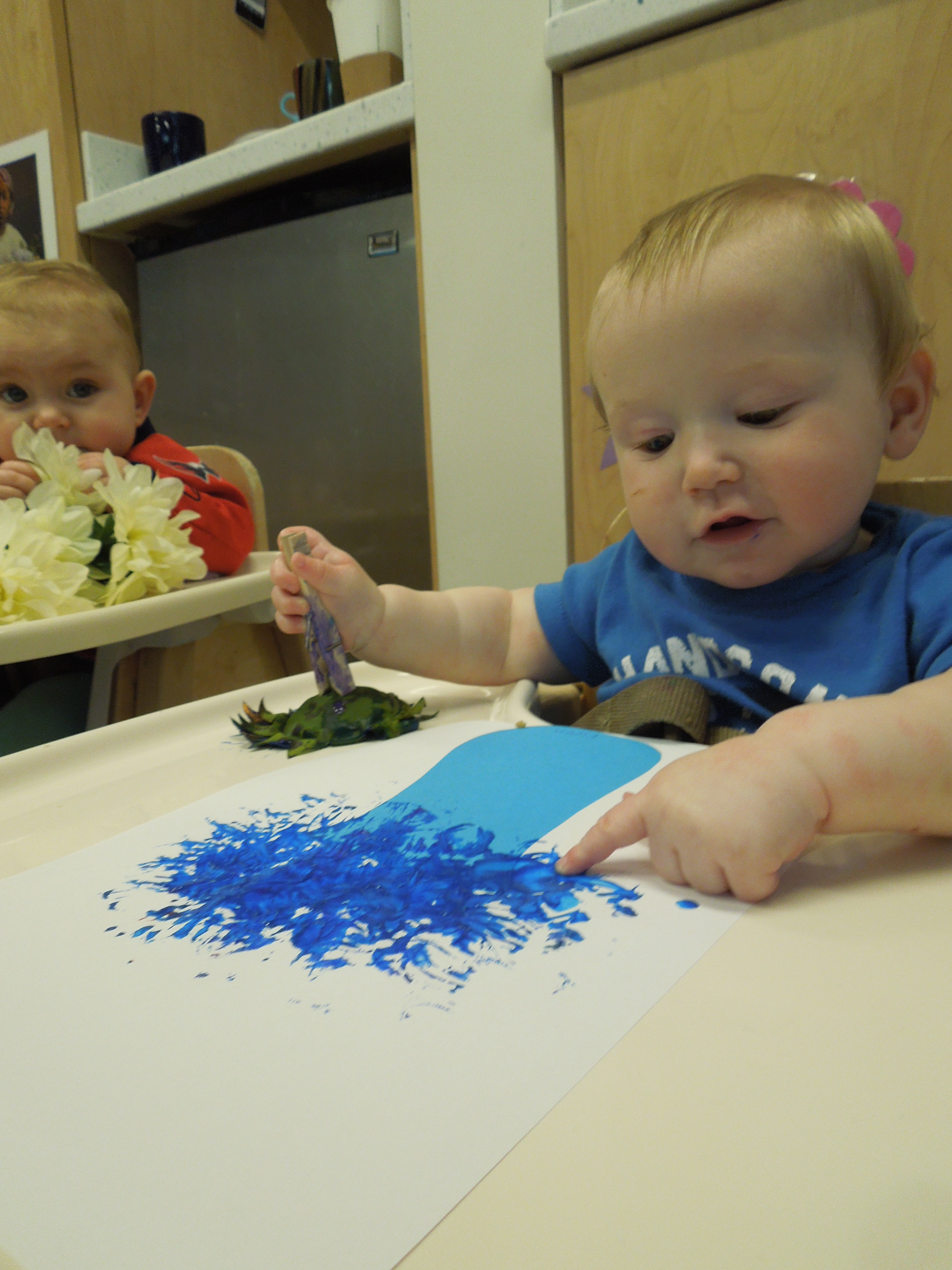
DSCN2999Then it was time to try out painting with the flowers.  The teachers had pre-made sheets with a vase for the children to add their flower prints.

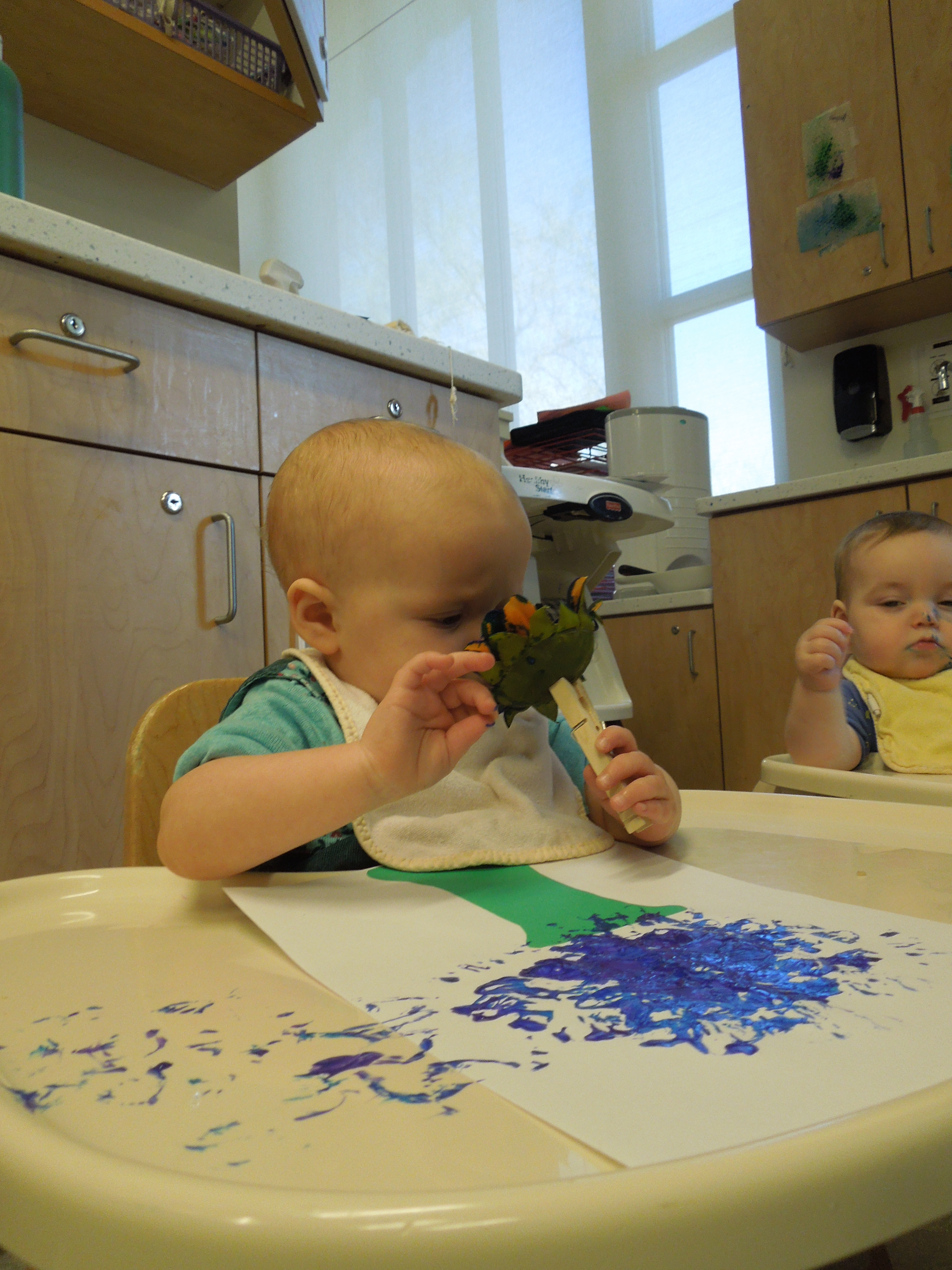
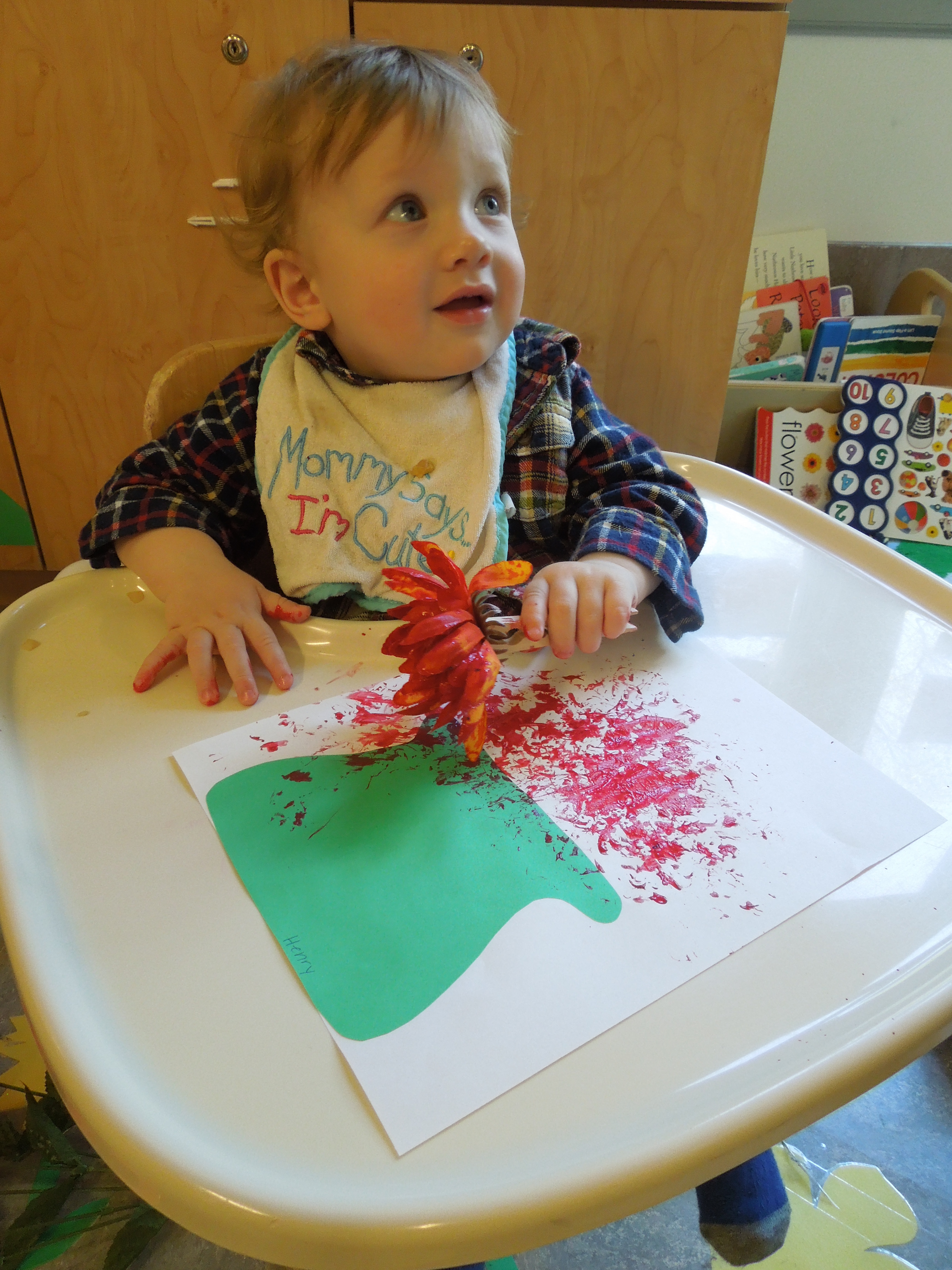
DSCN3008The teachers added a clothes pin to the shortened stem of the silk flower so they would be able to get a better grip. This was great activity for them to work on their fine motor skills. In addition, the babies began to notice that the painted blossom leaves marks where ever it lands.

DSCN3012DSCN3030The children were interested in exploring the painted flower in many different ways, including smelling and touching the wet paint.

DSCN3023They had a great time!


DSCN3045The teachers decorated their room with images of flowers, art prints, and images of the children. After painting, this little girl came over to check out the paper flowers on the wall.

This class had a wonderful time learning about flowers! Be sure to check back for our Teacher Feature next week!
Children are Citizens: A Collaboration with Project Zero (Part II)

Book ImageChildren are Citizens

On April 25, 2015 at the National Gallery of Art several DC schools, including SEEC, and Harvard’s Project Zero celebrated the launch of a book authored by over 300 students. The book was the result of a research and professional development project entitled: Children are Citizens: Children and Teachers Collaborating across Washington, D.C. The premise of this project is the belief that children are as much part of the community as their adult counterparts. They should not only be able to voice their opinions, but also participate in their community. Through their participation children will learn to see other’s points of view, work together, and understand how we are all interconnected, thus creating an informed and thoughtful citizenry who will become active participants in our democracy.  To learn more about Project Zero and this collaboration visit here.

SEEC’s Role

The first phase of the project entailed some thoughtful discovery. Children and teachers had several conversations about what they thought of their city, what they would like to change, important people and places. The second phase culminated in a book where SEEC students focused on their relationship with the museums on the National Mall.

Three classes participated in this project—PreK3, PreK4 and Kindergarten. Our first installment in this series featured our PreK4 class (insert link) and this installment will explore our PreK3 class, the Wallabies. Their section of the book focused on their favorite parts of the Air and Space Museum, the Hirshhorn Museum and the National Museum of American History.

This interview was conducted with, Erin Pruckno, Wallaby teacher.

Erin Pruckno with her PreK3 Wallaby Class

Erin Pruckno with her PreK3 Wallaby Class

What made you want to participate in this project?

I wanted to participate in this project because the concept of citizenship and education is something I’m very interested in and was a major part of my master’s degree in International Education. In my studies, I encountered a lot of scholarship about citizenship education—how we educate students to be citizens, how students are citizens, the definitions of citizenship—however, not many touched upon citizenship and young children. This always irked me because, as an early childhood educator, I believe wholeheartedly that education at this age matters so much and that young children should be treated as citizens who have a vital role in our communities and our futures. So, I jumped at the opportunity to put to action these ideas.

Could you describe the process through which your class participated in the project?

We began by going on investigatory visits to the museums we were covering for our contribution to the book the project published. The Wallabies contributed pages on the Hirshhorn Museum, the National Museum of American History, and the National Air and Space Museum. During these visits, I looked for clues to what the students were interested in, as well as documenting their experiences in these spaces. Later in our classroom, we followed up with conversations on our visits; asking them about what was important about our museums, what other children should know about them, our favorite things there. I really wanted to encourage a sense of ownership from our children and to convey their passion and expertise to the book’s audience. We would then go on follow-up visits to the museums, continuing our conversations, and then later illustrating some of the things they saw or described.

Visiting the Air & Space Museum

Visiting the Air & Space Museum

Can you outline how this project was implemented in your classroom?

We tried to integrate the project into our already existing courses of exploration. For example, when we were learning about space, a trip to NASM was easy to do since it aligned with our topic and we could have a museum visit as well as research trip for the project. Other times, we set aside days to visit the museums and document our learning just for the purpose of the project.

How did the professional development portion of this project help or change your ideas of how to teach or connect children to the city in which they live?

As a professional development opportunity, the project really challenged me to think more about how I document student learning and also how I engage them in conversations. The method I’ve often relied upon with my class is to pose a question, then let students take turns to respond. However, when doing this, we have less of a dialogue among

the class and more of a back-and-forth between me and individual students. This project encouraged me to take a step back during classroom conversations and listen more—allowing students to talk to each other instead of directly to me.

file (1)

Making maps of the museums

The project seems to emphasize collaborations and discussion, is there a conversation you had among your students that really stands out?

Some of our most interesting conversations started when I would ask the Wallabies to share the most important thing to know about the museums and the students began talking about things you can’t do in museums. As I sat back and listened, letting them guide the conversation (which was, as I said, a challenge and learning experience for me), dramas would unfold about why we couldn’t touch exhibits or the planetarium screen. They came up with elaborate stories about how touching the screen would make a hole, creating a problem, workers would have to fix it, and the president and other people coming to the museum would feel sad that it was broken.

How do you think your students views of DC changes during the course of the project?

My hope was that my students expanded their understanding of other children in D.C. They already have a strong understanding of their families’ communities (coming from neighborhoods all over D.C., Virginia, and Maryland) and of our SEEC community, but I wanted them to think more about other students in D.C.  By asking them to think of what other children need to know about the museums, I think they became more aware of how there are children outside our community who do not know the museums as intimately as they do, and that these other students might have different perspectives on D.C. that we can both learn from and share our knowledge with.

What was one of your more challenging moments during the process?

As I mentioned, facilitating conversations in a way that encouraged students to have a dialogue among them was a challenge, but a good learning experience for us. Initially, some questions were difficult for students to answer such as those that asked them to think about D.C. broadly, but over the course of the project it became easier to provoke conversation as we broke down things into more manageable pieces, like discussions about individual museums.

Visiting the Hirshhorn as part of their study of light and dark.

Visiting the Hirshhorn as part of their study of light and dark.

What was one of the most rewarding moments during the process?

During one conversation, a student exclaimed to the class, “Guys! I know something!” I loved her enthusiasm, eagerness, and confidence in sharing her knowledge. This moment also summed up the project for me. I wanted to help my students show that even though they are young, they know something, many things in fact, about their community and Washington, D.C and that their contributions to our understanding of our city are to be valued and heard.

Teacher Feature: Toddler Class Explores Liquid

It’s Teacher Feature Thursday!

This week we are featuring Logan Crowley. His two year old classroom was learning about the senses and decided to spend a week learning about how a liquid, solid, and a gas feel. Below you will find a reflection from Logan and images from his lesson on liquid.Liquid_Cover

What were your topics of exploration?

We were learning about the five senses. During the week of this lesson, we were exploring the sense of touch and learning how to describe how things feel. We also wanted to compare the textures and properties of various things. I chose to focus on the three different states of matter (solid, liquid, gas) and for liquid, water seemed like a great choice.

What were your learning objectives? (What did you want your children to take away from the lesson?)

I didn’t expect my toddlers to necessarily be able to identify and define the states of matter, but I wanted to get their brains firing and thinking about how things felt when they touched them and what words they could use to describe what they’d felt. I also wanted to engage their sense of touch in general and give them an opportunity to experiment with water.

What was most successful about your lesson?

Even though a lot of them just ended up pouring the water on the ground rather than into the empty cup, I think I was definitely on the right track in that they loved to practice pouring and it let me know that they’d probably enjoy more opportunities to pour in the future. I was also surprised with how engaged they were with the book. Finally, even though we ran into some trouble with our original plan (we were told the kids could not walk barefoot in the water feature), the kids were great about it and still had a fantastic time playing with the water.

What could you have done differently? What recommendations would you have for another teacher trying out this lesson?

I would have organized the pouring activity a little better, perhaps demonstrating first or having them come up one at a time. I also would have had a backup plan ready for them to be able to play in the water (having them bring sandals or water shoes, perhaps), since I found myself having to improvise when they could not go barefoot.

Here are a few images from their unit on liquid:

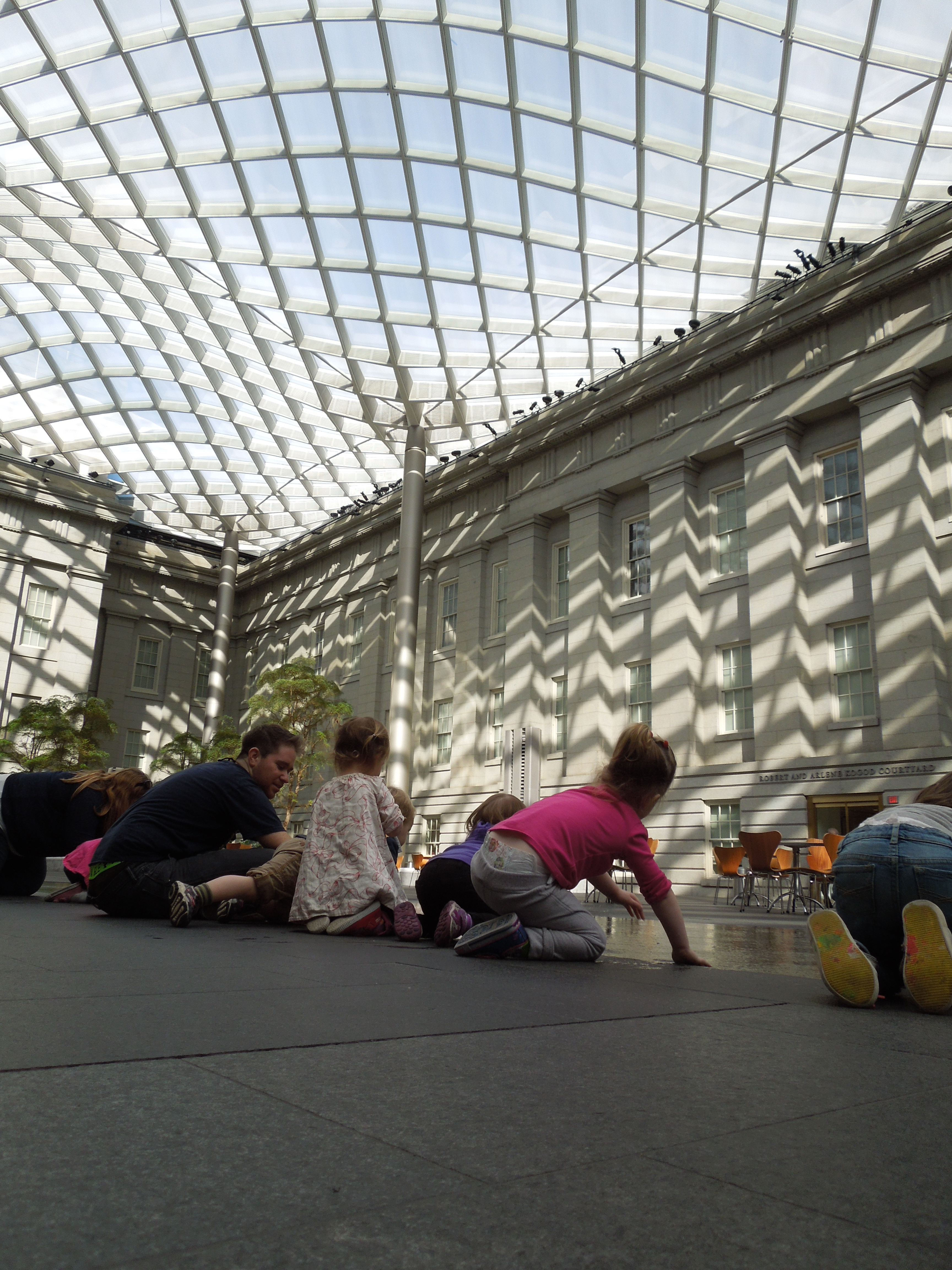
DSCN2670It was a cold day but that didn’t keep this class from learning and playing with water. Logan bundled up his group and walked up to the courtyard of the National Portrait Gallery/Smithsonian American Art. This in door space is large and equipped with a beautiful glass ceiling. It makes for a wonderful environment to be in when the weather is not ideal.

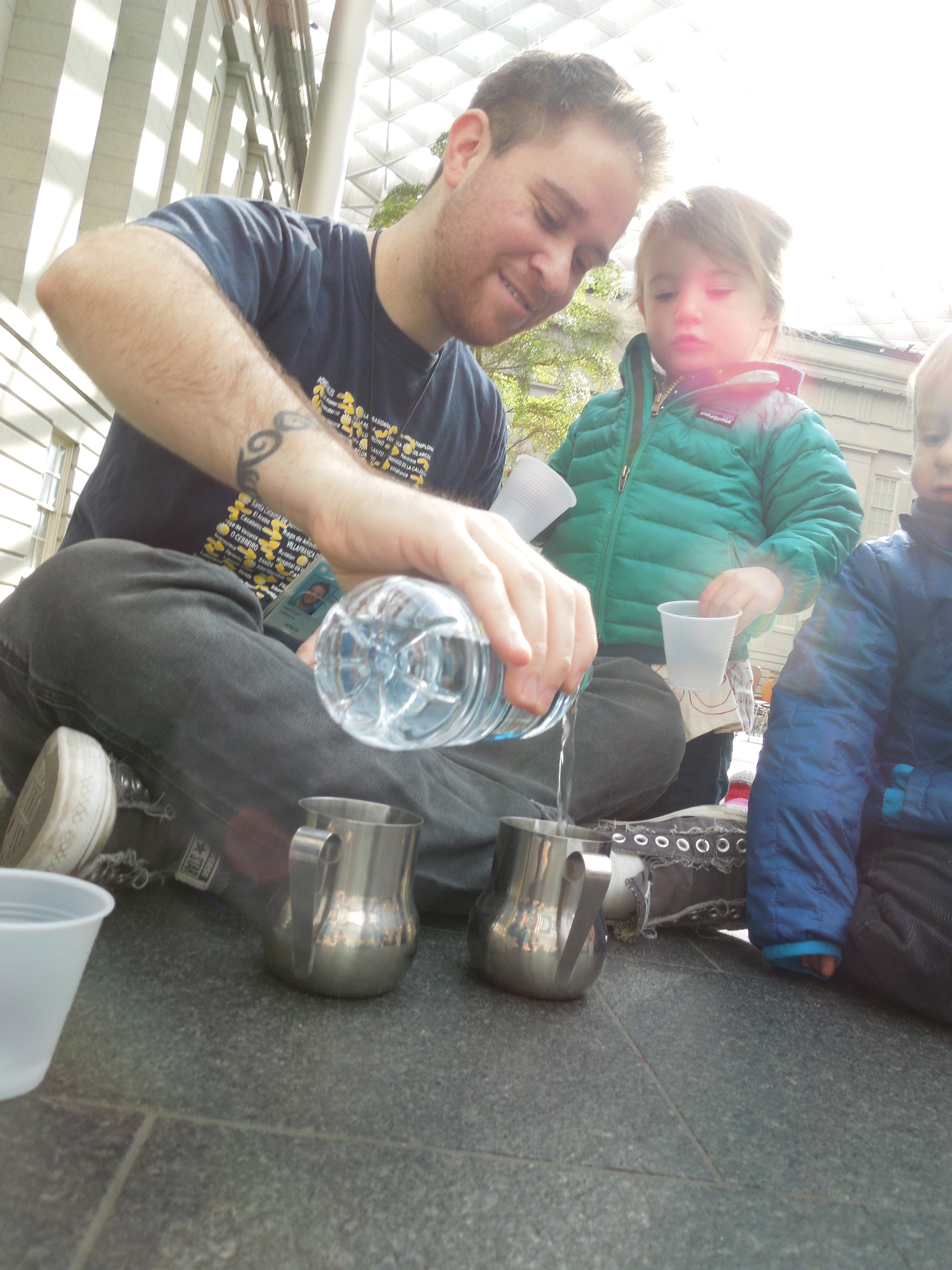
DSCN2678DSCN2696Logan began his lesson by providing each child with a pitcher of water and a cup. He invited the children to pour the water and watch as the liquid moved from one container to the next. A number of the children touched the water with their fingers and also sampled it from their glass.

DSCN2683He then read a story Water by Frank Asch. The story explains the different states of water and Logan explained that today they were experiencing water as a liquid.


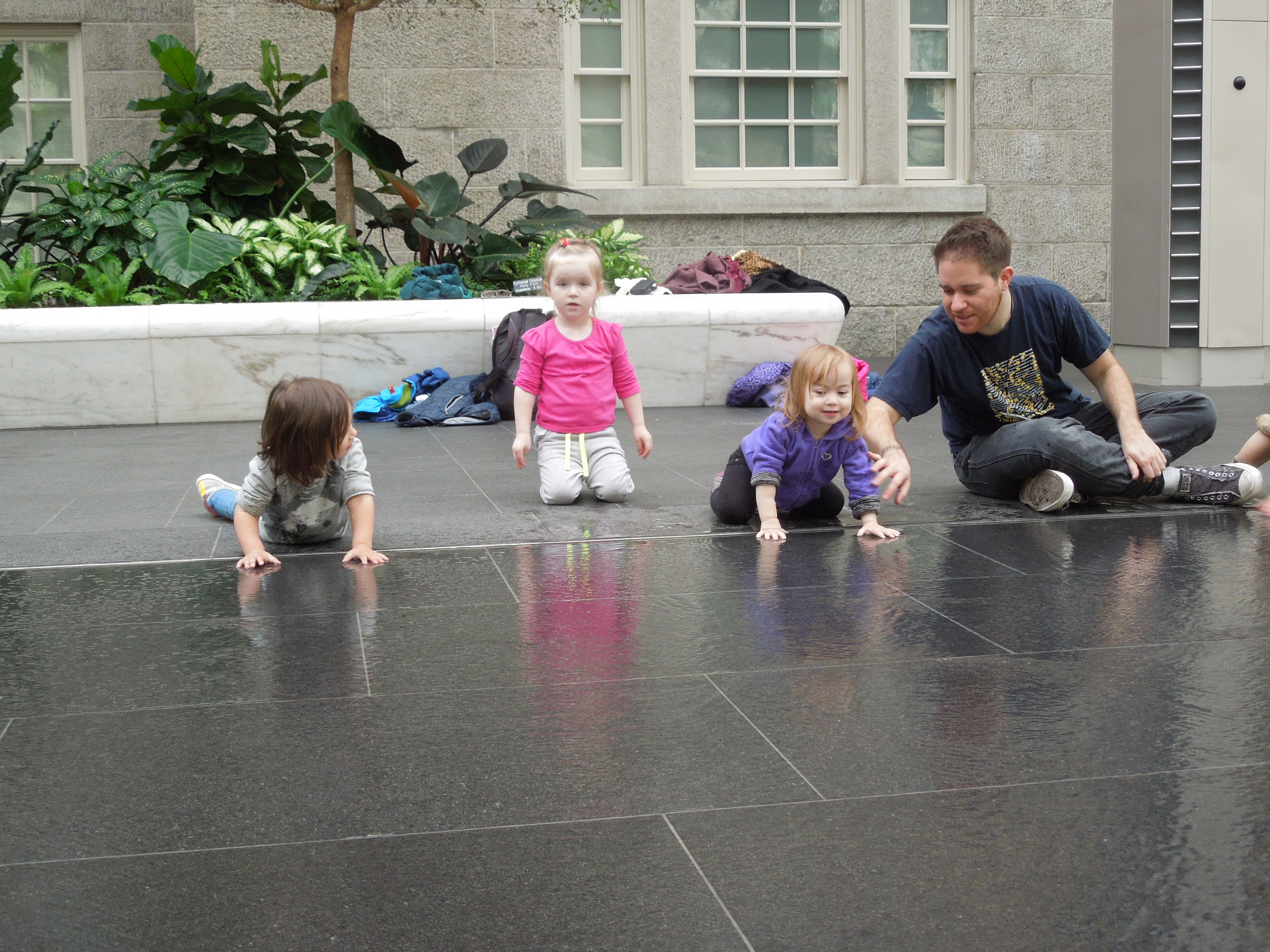
DSCN2717Logan picked this space because there is large fountain that produces a very thin film of liquid on the floor. Guests are encouraged to interact with the fountain by walking through (with shoes on) and touching it. The children really loved being able to interact with this liquid in so many different ways.

This class had a wonderful time learning about liquids! Be sure to check back for our Teacher Feature next week!
Children are Citizens: A Collaboration with Project Zero (Part I)

Children are Citizens

Visiting the Smithsonian Castle

Visiting the Smithsonian Castle

On April 25, 2015 at the National Gallery of Art several DC schools, including SEEC, and Harvard’s Project Zero celebrated the launch of a book authored by over 300 students. The book was the result of a research and professional development project entitled: Children are Citizens: Children and Teachers Collaborating across Washington, D.C. The premise of this project is the belief that children are as much part of the community as their adult counterparts. They should not only be able to voice their opinions, but also participate in their community. Through their participation children will learn to see other’s points of view, work together, and understand how we are all interconnected, thus creating an informed and thoughtful citizenry who will become active participants in our democracy. To learn more about Project Zero and this collaboration visit here.

SEEC’s Role
The first phase of the project entailed some thoughtful discovery. Children and teachers had several conversations about what they thought of their city, what they would like to change, important people and places. The second phase culminated in a book where SEEC students focused on their relationship with the museums on the National Mall.

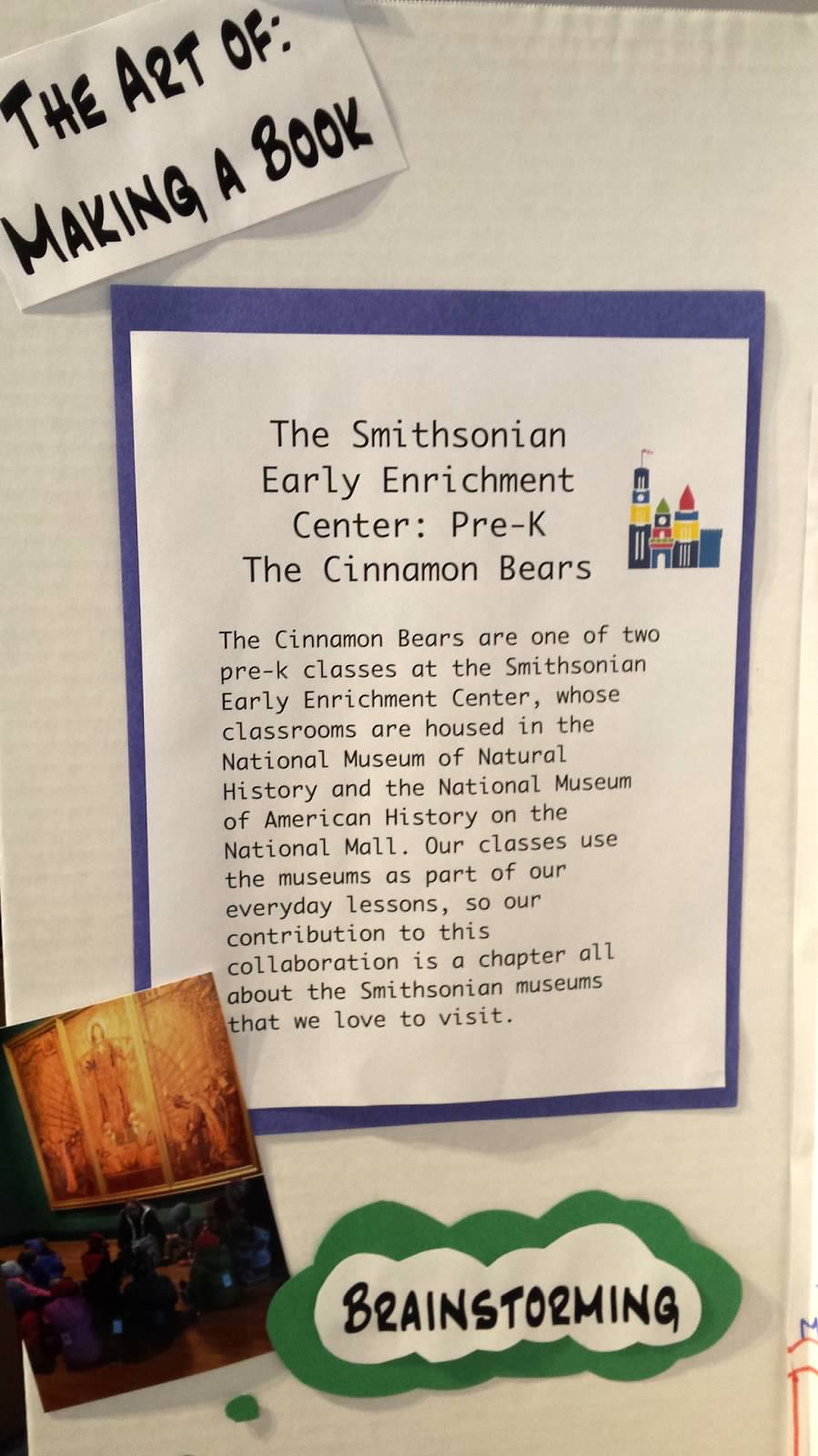
Three classes participated in this project—PreK3, PreK4 and Kindergarten. We will begin with the PreK4 class, also known as the Cinnamon Bears. Their section of the book focused on their favorite parts of the National Museum of African Art and the Smithsonian Castle and some insider tips, including that the Smithsonian Castle is not a real castle! It also featured a list of their favorite objects in the museums, a story entitled The Story of How the Security Officers Own the Museums and photos of museum collections taken by the children.

Below you will find the interview with Cinnamon Bear teacher, Carrie Heflin about her experience with the Children are Citizens project.

Carrie teaching

Carrie Heflin

What made you want to participate in this project?

Project Zero is such an influential presence in the Early Childhood community and I feel so strongly about encouraging children to be active citizens that when we were asked to participate in this project, my commitment was a no-brainer. I couldn’t have dreamed up a better idea for a worthwhile endeavor than to show the DC community and my students how capable and powerful they can be.

Could you describe the process through which your class participated in the project?

We spent a lot of time talking together as a class about our ideas for this project. Much like the process for the adult facilitators, at least the first fifty percent of the project was all planning and bouncing ideas around. We didn’t get to the actual field work—researching and putting together the data for the book until around February. I loved the sense of respect and community that I felt in the classroom when we had these discussions. It was so nice to take time to just talk about our feelings and opinions and to truly listen to each other.

Can you outline how this project was implemented in your classroom?

The teachers did most of the facilitation for this project. We started out with some casual discussions about the city and about the project and then moved on to talking about the book, how books are made, and what information we wanted to contribute to the final product. A member of the coordinating team, Ben Mardell, would stop by occasionally to check in on our progress and to talk with the students about their ideas and opinions on the project thus far. The last phase was the most active. We went to all the different museums we had chosen to showcase in our portion of the book and took pictures and gathered information in small groups.

How did the professional development portion of this project help or change your ideas of how to teach or connect children to the city in which they live?

I really enjoyed getting to know and hear ideas from educators at other schools. We got together about five different times over the course of the project and it was lovely to share our experiences and learn how other classrooms explore the city. I always left our meetings feeling so inspired about all of the wonderful ways other educators were making the city accessible to their students and it helped challenge me to reexamine the way I looked at the city and how I talked about it with my class.

20150425_110313

Bears Display at the NGA

The project seems to emphasize collaborations and discussion, is there a conversation you had among your students that really stands out?

One of my favorite conversations I had with the class happened after one of Ben Mardell’s visits. He had talked to a small group of students about the museums and they ended up starting a story about where the museums came from. Ben sent me the script of the conversation in an email and, when I read the story back to the class they all had something to add. Before long it had morphed into this origin story of how the museums came into being. I learned so much about my students and how they view our community. They had these wonderful ideas about how the security officers are the real owners of the museums and they protect them from all the “bad guys.” I was so taken with the story and the children were so invested in it that it ended up hedging out some other material that we had originally intended to include in the book and it is still my favorite part of our section.

How do you think your students views of DC changes during the course of the project?

I don’t know that their views changed so much as my views widened to include more of theirs. I don’t have any hard evidence of any of my students budging even an iota on their original convictions, but the sense of understanding we gained from each other and from all of our conversations and collaborations in the classroom strikes me as very profound- even if it wasn’t the original intent.

What was one of your more challenging moments during the process?

I was often challenged by trying to balance working on the project and teaching lessons on our current topic of study. I know some of the other schools that participated made the project their main focus rather than trying to add it on to their curriculum. I think I might try that track if I had it to do over again.

What was one of the most rewarding moments during the process?20150425_105806

The absolute most rewarding moment was at the book release event at the National Gallery of Art when I saw all of the students walking around wearing big red badges that said “Author” on them. The sense of pride, accomplishment and empowerment was palpable and I think that really was the point of the whole thing.