Teacher Feature: Preschool Classroom Explores Architecture

It’s Teacher Feature Thursday!

This week we are featuring Jessie Miller. Her three year old classroom was learning about architecture and decided to spend a day creating models. Below you will find a reflection from Jessie and images from her lesson on architecture.

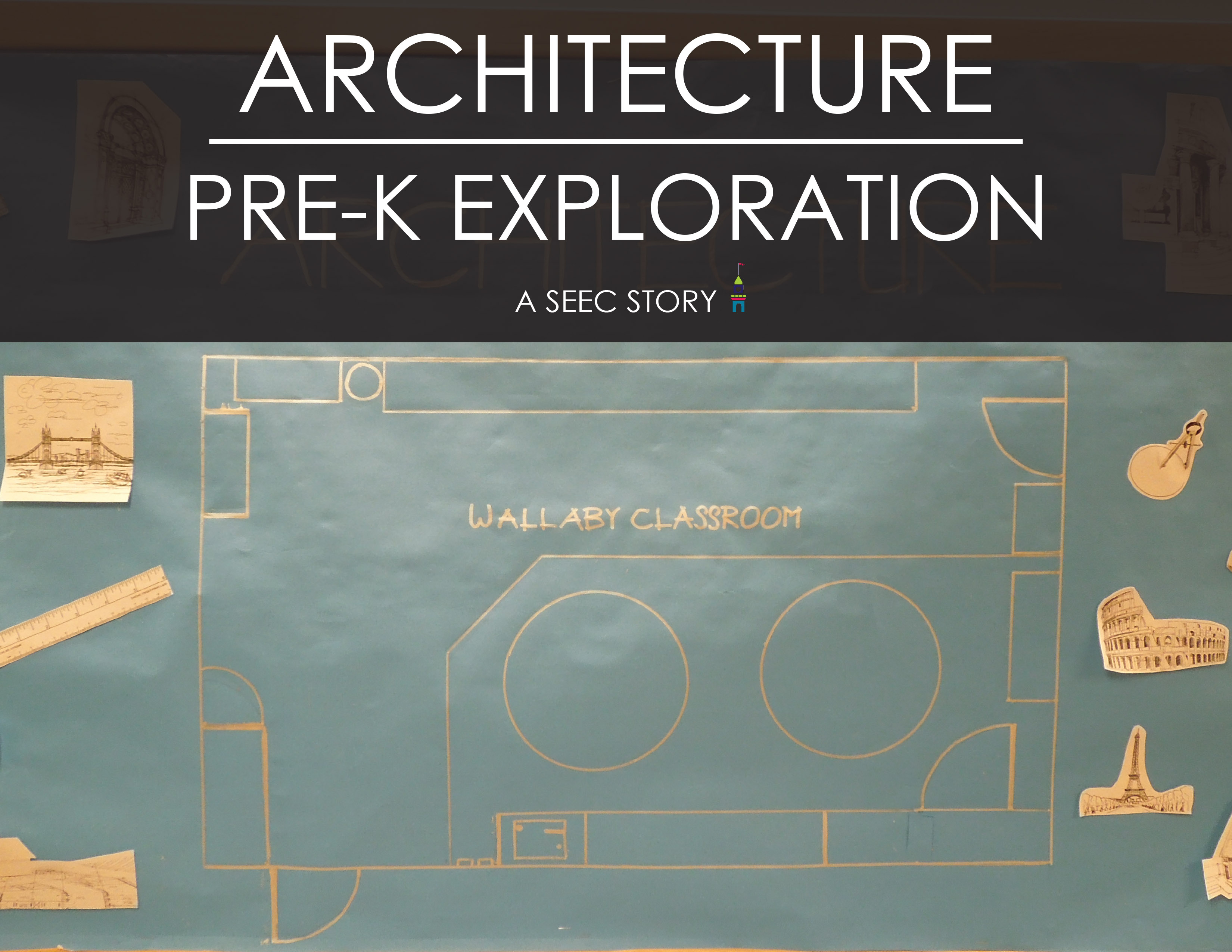
Architecture_Cover_1

What were your topics of exploration?

During our exploration of architecture, we talked about the process architects and builders go through to create houses. With the help of Chris Van Dusen’s book If I Built a House, we discussed what kinds of things we would want to include in our own dream house. After the architects make blueprints they often create models of what they want to build. The students used their previous knowledge of architecture and their new ideas from the story we read to create their own model of a house. Each child was given a shoe box as a starting point and they used materials such as cardboard, paper, ribbon, tape, markers, scissors, etc. to build their model homes. During this activity, we talked about making sure the houses have a solid foundation on which to build and what kinds of essential elements they needed to function as a home. It was also a way to show them how models are created to help architects visualize what they want something to look like before they actually begin building it.

What were your learning objectives? (What did you want your children to take away from the lesson?)

The class had been studying architecture for a few weeks prior to this lesson and I wanted them to have a hands on experience related to this topic. We had read countless books on architecture, created our own blueprints, observed the architecture around us, learned about building materials and tools, and even met with some real architects! I wanted the children to use all this knowledge they had learned and apply it to this project. After this lesson, they should understand the concept of what a model is and why they are an important tool for architects. I also wanted the class to take on the role of the architect and see how they can use their own ideas to create something. They should also be able to compare the things they were putting in their model to real life. For example, if they added cardboard to the top of their shoe box it could represent a roof or if they cut a hole in the side it may be a door.

What was most successful about your lesson?

This lesson was a great way to have the class express themselves in a creative way without many restrictions. They were given a lot of space and a range of materials to work with, which allowed them to all work on a project at the same time but at their own pace. There were three adults and twelve children so there were extra hands when the children needed help with something. I think the most successful part of the lesson was that the children were able to create something of their own and have fun with it. The lesson was structured in a way that allowed them to move around a lot and not be confined to sitting in one place or having to wait long periods of time to get a turn. The Wallabies really impressed me with all of the conversations they were having about what they were building and how they were able to take their ideas and turn them into something real. This lesson also leaves the children with a final product they can keep and be proud of.

What could you have done differently? What recommendations would you have for another teacher trying out this lesson?

This was a fun activity for the Wallabies but it takes some time and effort to complete. We were able to do the activity on the floor of a large art space which was much more conducive then tables in the classroom. However, because of the amount of children and materials it could get a bit cluttered at times and the clean up is a process as well. One issue that arose was how much tape the children needed. Because they still needed help from teachers to get tape, it was hard for me to pass it out as quickly as they needed it. Therefore, I would have more of that ready for them beforehand. Doing this activity with smaller groups could be helpful as well so the teachers can work with more children one on one. It is also important to either have a set time when everyone stops or have something for them to do once they begin finishing the activity. Some children get really detailed with their models, while others may rush through it quickly so it is important to be mindful of this difference.

Here are a few images from their unit on the architecture:

DSCN3089

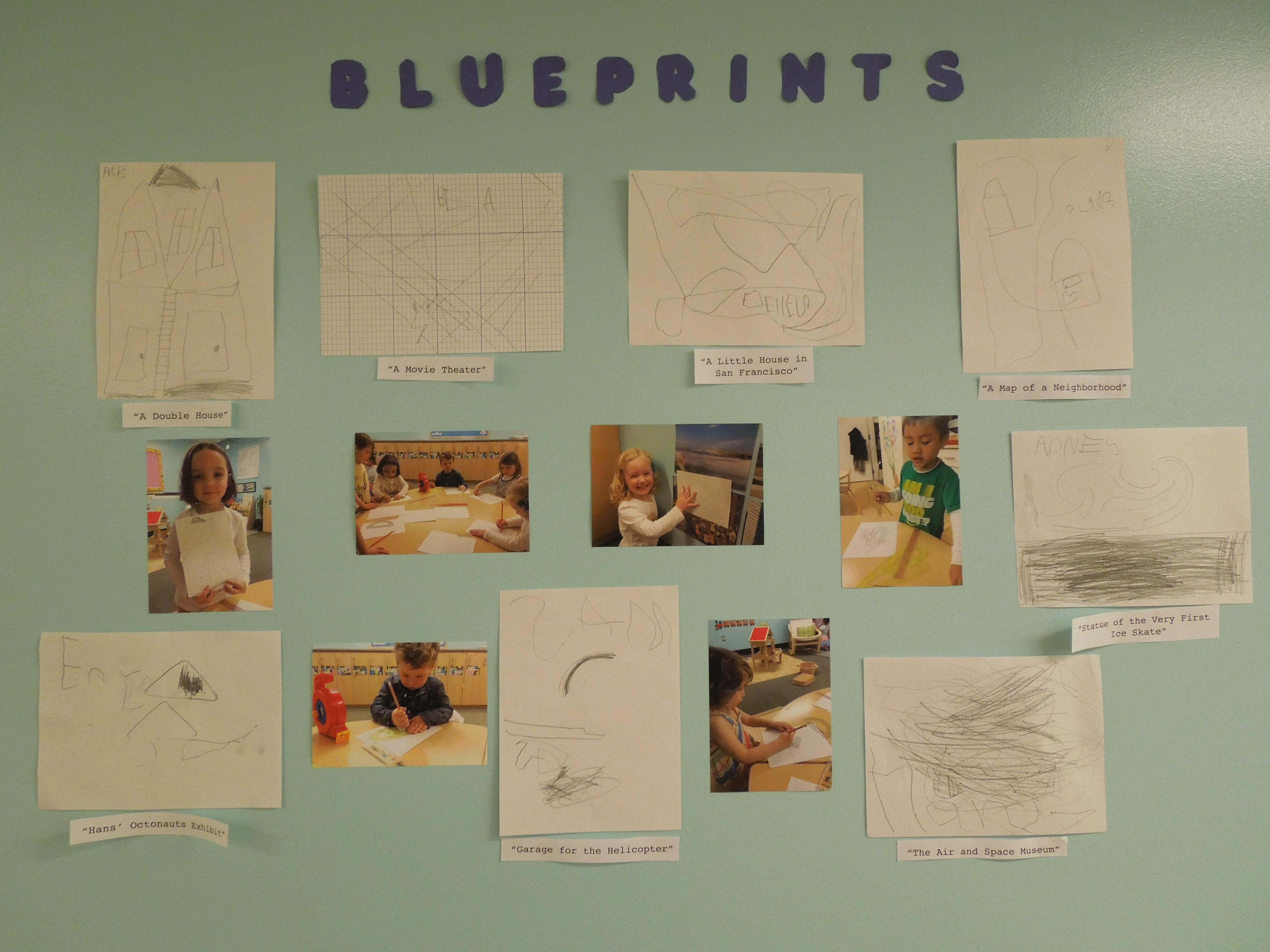
Throughout the week the group studied blueprints and worked on their own sketches.

architect

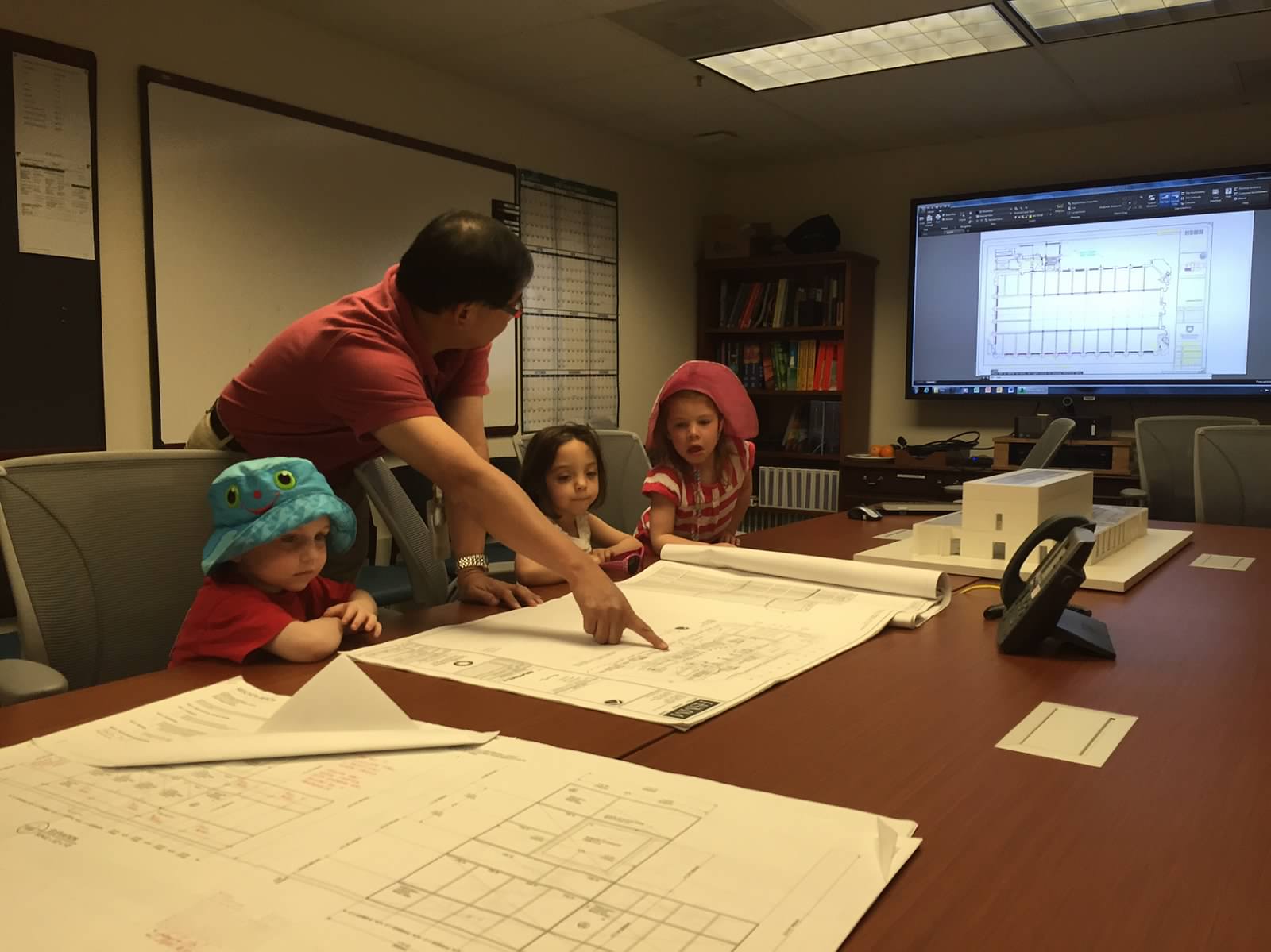
The group even visited with Natural History Museum’s building manager to look at blueprints for the museum and learn about the role of an architect.

DSCN3091

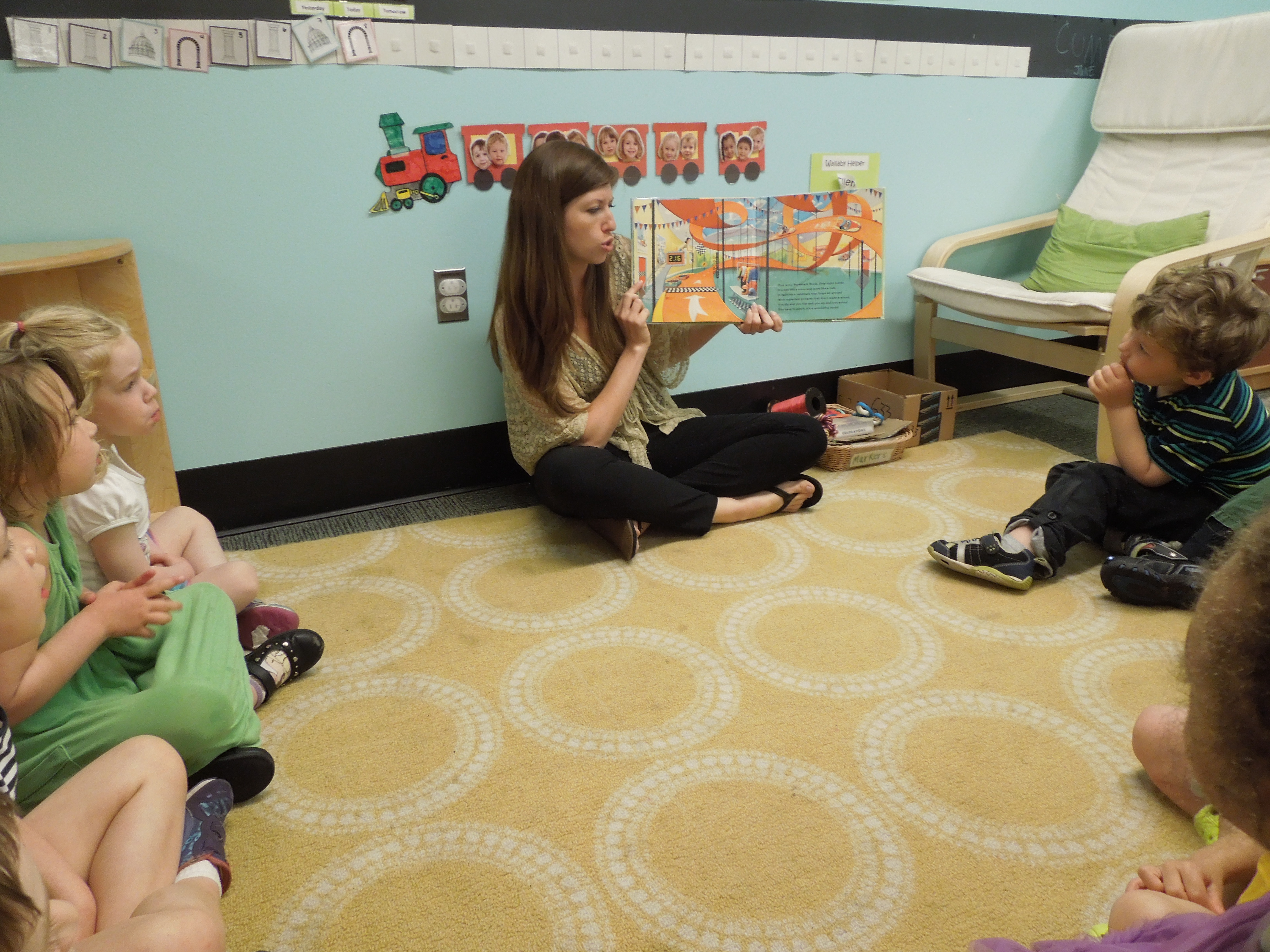
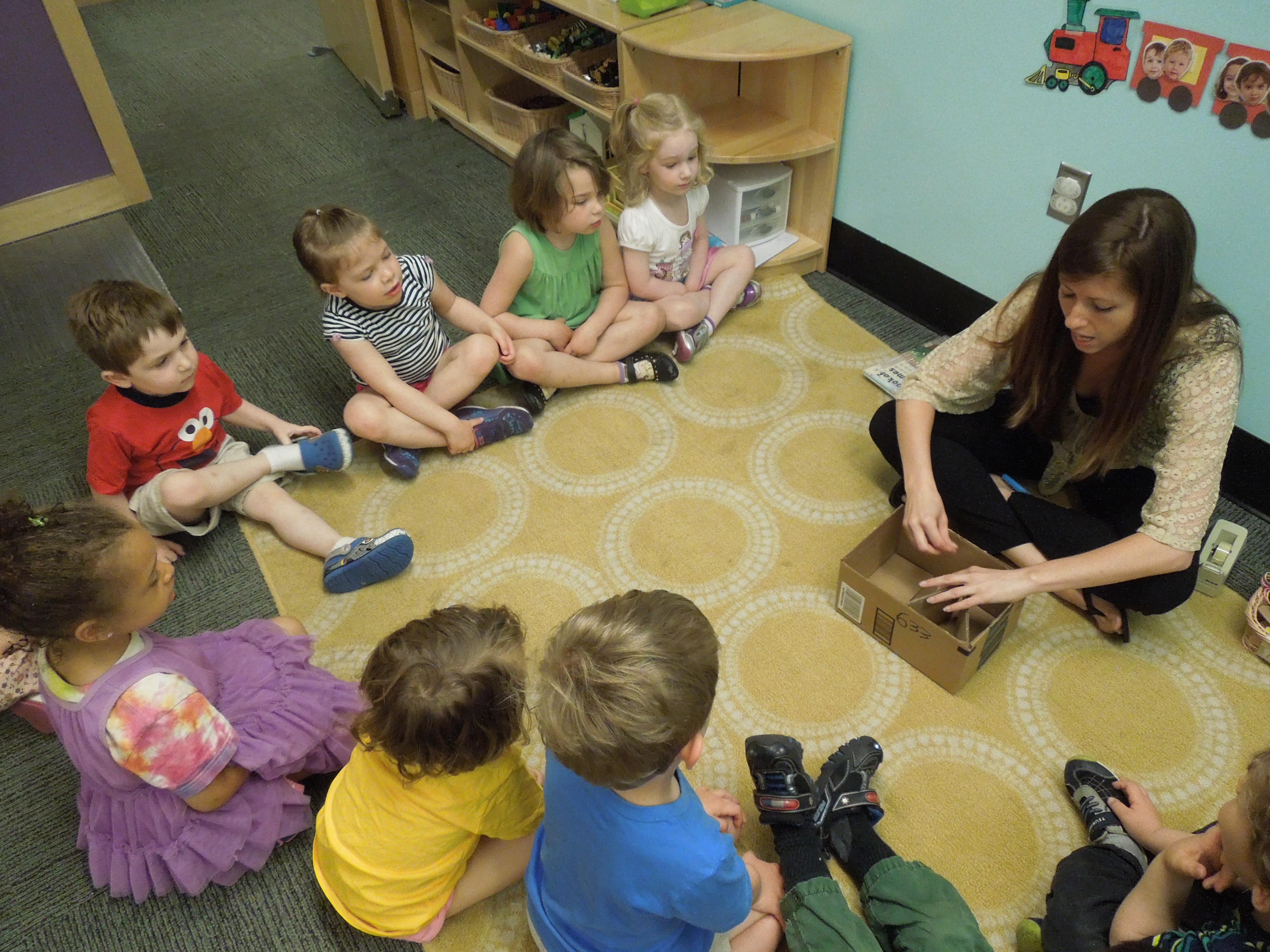
For this lesson, Jessie wanted to focus on the children creating models of a house of their own design. She read the group If I Built a House to inspire them to think creatively about what their dream house might include.

DSCN3097

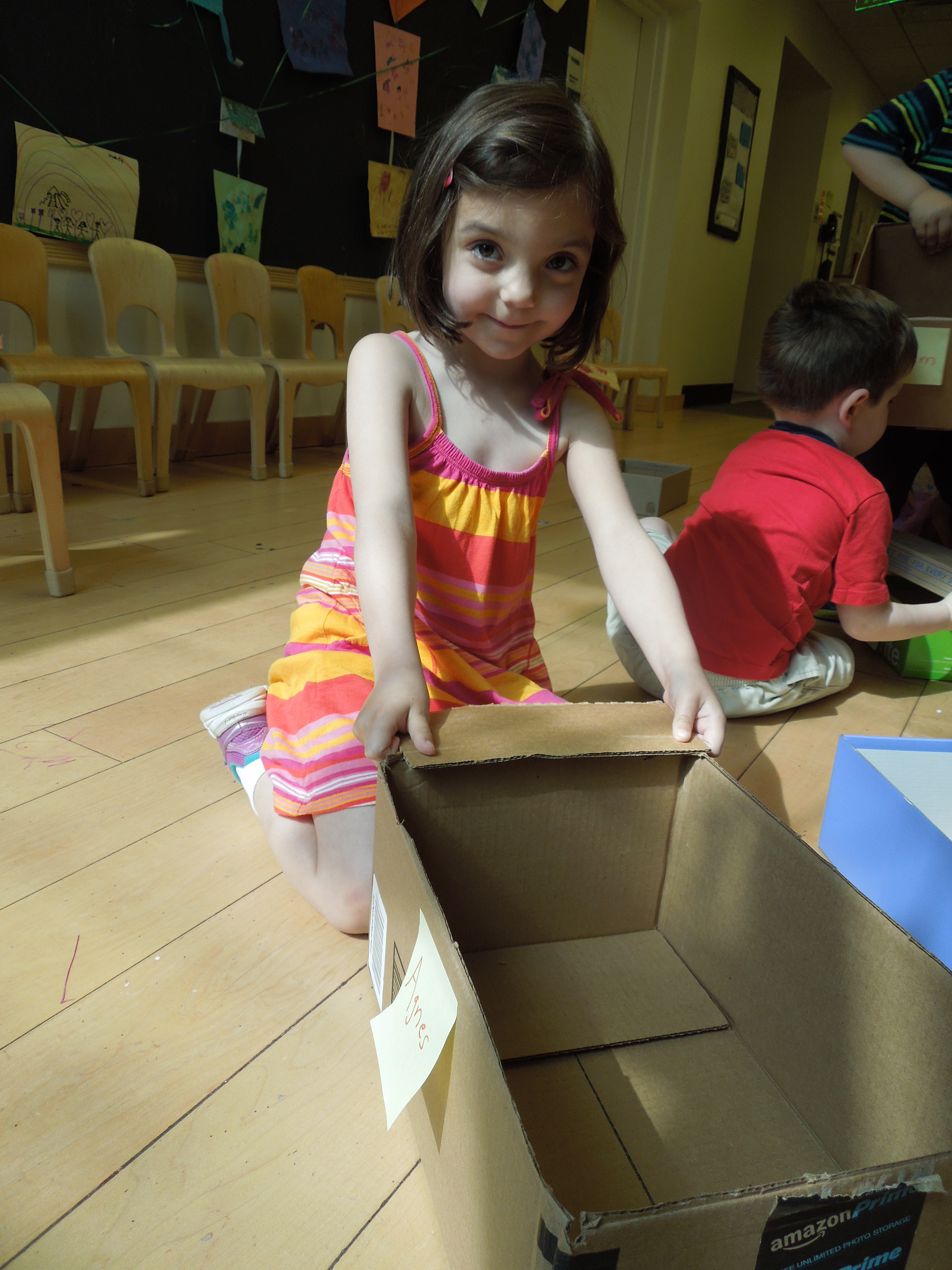
Jessie then explained that each child was going to get a box and could use any of the materials she collected (string, ribbon, cardboard pieces, dot paint, straws, etc) to create their model. Jessie had the group work together to help build her model before beginning to work on their own.

DSCN3108 DSCN3114

The children were able to get lots of fine motor and problem solving practice during their construction.

DSCN3133

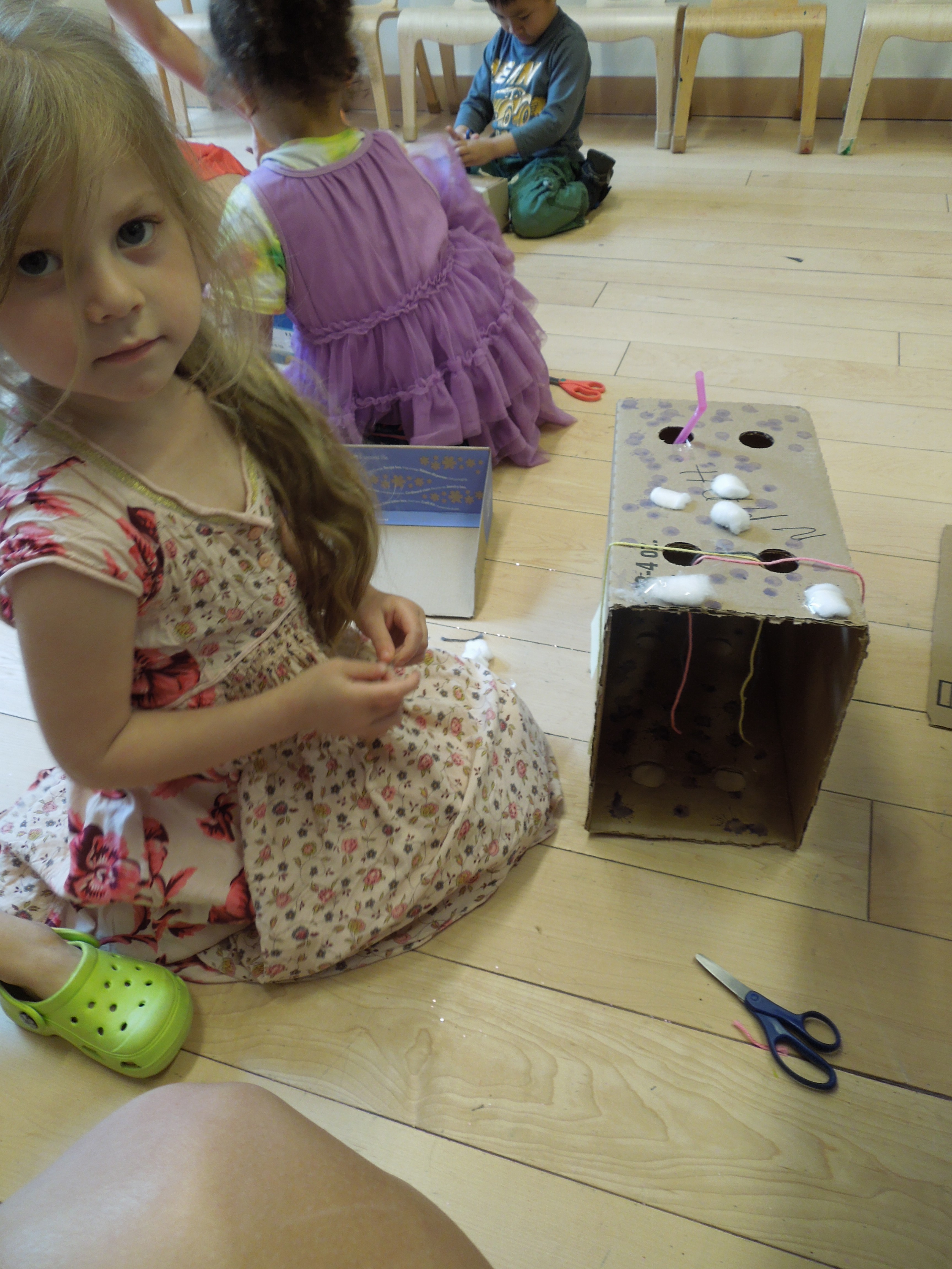
When the children were finished, they would describe their house to one of their teachers. This little girl explained: “I love the house. The strings are woggly and there are dots on the bottoms and dots on the top. The cotton balls are windows up top.”

This class had a wonderful time learning about architecture! Be sure to check back for our Teacher Feature next week!


Children are Citizens: A Collaboration with Project Zero (Part I)

Children are Citizens

Visiting the Smithsonian Castle

Visiting the Smithsonian Castle

On April 25, 2015 at the National Gallery of Art several DC schools, including SEEC, and Harvard’s Project Zero celebrated the launch of a book authored by over 300 students. The book was the result of a research and professional development project entitled: Children are Citizens: Children and Teachers Collaborating across Washington, D.C. The premise of this project is the belief that children are as much part of the community as their adult counterparts. They should not only be able to voice their opinions, but also participate in their community. Through their participation children will learn to see other’s points of view, work together, and understand how we are all interconnected, thus creating an informed and thoughtful citizenry who will become active participants in our democracy. To learn more about Project Zero and this collaboration visit here.

SEEC’s Role
The first phase of the project entailed some thoughtful discovery. Children and teachers had several conversations about what they thought of their city, what they would like to change, important people and places. The second phase culminated in a book where SEEC students focused on their relationship with the museums on the National Mall.

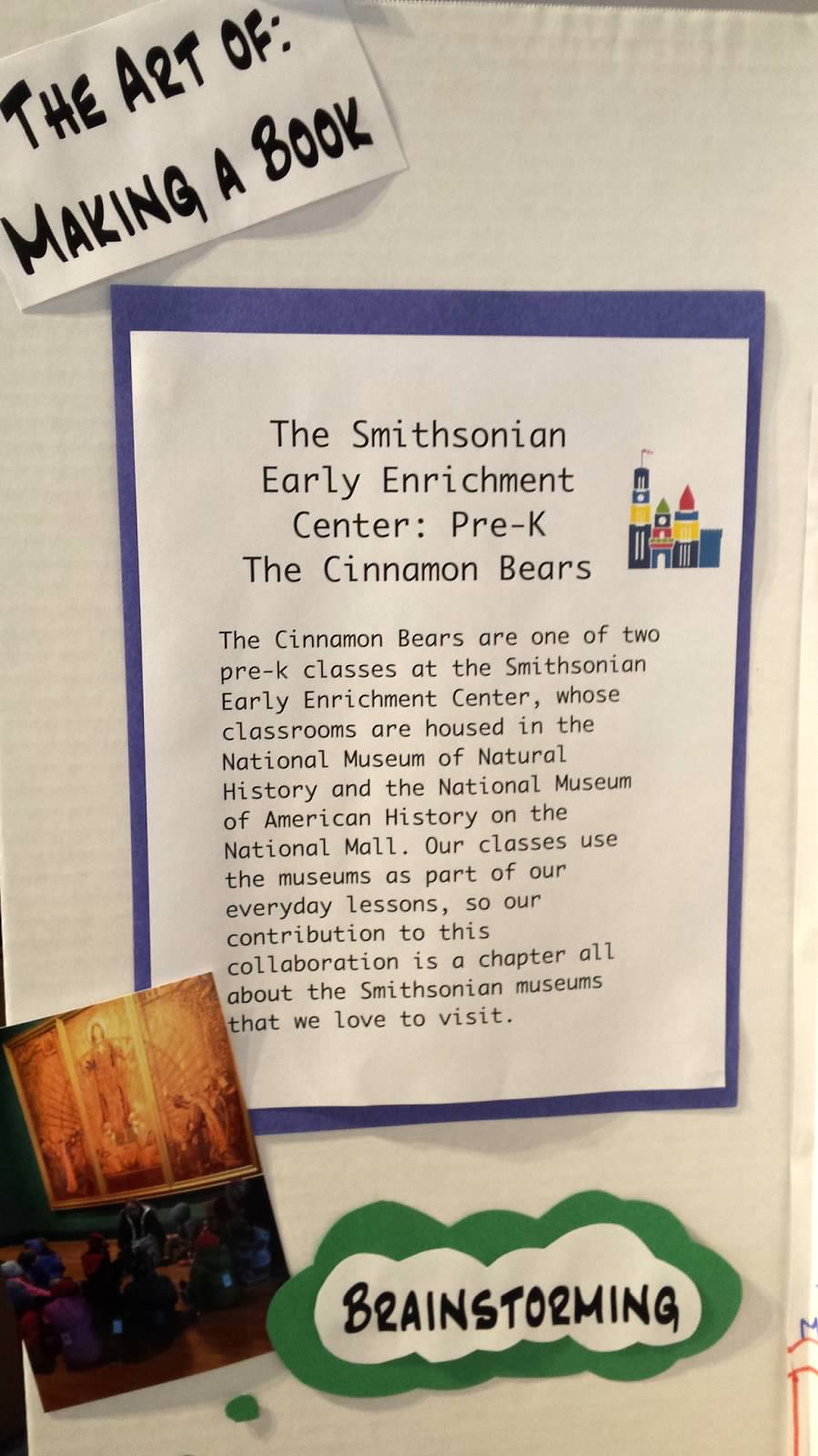
Three classes participated in this project—PreK3, PreK4 and Kindergarten. We will begin with the PreK4 class, also known as the Cinnamon Bears. Their section of the book focused on their favorite parts of the National Museum of African Art and the Smithsonian Castle and some insider tips, including that the Smithsonian Castle is not a real castle! It also featured a list of their favorite objects in the museums, a story entitled The Story of How the Security Officers Own the Museums and photos of museum collections taken by the children.

Below you will find the interview with Cinnamon Bear teacher, Carrie Heflin about her experience with the Children are Citizens project.

Carrie teaching

Carrie Heflin

What made you want to participate in this project?

Project Zero is such an influential presence in the Early Childhood community and I feel so strongly about encouraging children to be active citizens that when we were asked to participate in this project, my commitment was a no-brainer. I couldn’t have dreamed up a better idea for a worthwhile endeavor than to show the DC community and my students how capable and powerful they can be.

Could you describe the process through which your class participated in the project?

We spent a lot of time talking together as a class about our ideas for this project. Much like the process for the adult facilitators, at least the first fifty percent of the project was all planning and bouncing ideas around. We didn’t get to the actual field work—researching and putting together the data for the book until around February. I loved the sense of respect and community that I felt in the classroom when we had these discussions. It was so nice to take time to just talk about our feelings and opinions and to truly listen to each other.

Can you outline how this project was implemented in your classroom?

The teachers did most of the facilitation for this project. We started out with some casual discussions about the city and about the project and then moved on to talking about the book, how books are made, and what information we wanted to contribute to the final product. A member of the coordinating team, Ben Mardell, would stop by occasionally to check in on our progress and to talk with the students about their ideas and opinions on the project thus far. The last phase was the most active. We went to all the different museums we had chosen to showcase in our portion of the book and took pictures and gathered information in small groups.

How did the professional development portion of this project help or change your ideas of how to teach or connect children to the city in which they live?

I really enjoyed getting to know and hear ideas from educators at other schools. We got together about five different times over the course of the project and it was lovely to share our experiences and learn how other classrooms explore the city. I always left our meetings feeling so inspired about all of the wonderful ways other educators were making the city accessible to their students and it helped challenge me to reexamine the way I looked at the city and how I talked about it with my class.

20150425_110313

Bears Display at the NGA

The project seems to emphasize collaborations and discussion, is there a conversation you had among your students that really stands out?

One of my favorite conversations I had with the class happened after one of Ben Mardell’s visits. He had talked to a small group of students about the museums and they ended up starting a story about where the museums came from. Ben sent me the script of the conversation in an email and, when I read the story back to the class they all had something to add. Before long it had morphed into this origin story of how the museums came into being. I learned so much about my students and how they view our community. They had these wonderful ideas about how the security officers are the real owners of the museums and they protect them from all the “bad guys.” I was so taken with the story and the children were so invested in it that it ended up hedging out some other material that we had originally intended to include in the book and it is still my favorite part of our section.

How do you think your students views of DC changes during the course of the project?

I don’t know that their views changed so much as my views widened to include more of theirs. I don’t have any hard evidence of any of my students budging even an iota on their original convictions, but the sense of understanding we gained from each other and from all of our conversations and collaborations in the classroom strikes me as very profound- even if it wasn’t the original intent.

What was one of your more challenging moments during the process?

I was often challenged by trying to balance working on the project and teaching lessons on our current topic of study. I know some of the other schools that participated made the project their main focus rather than trying to add it on to their curriculum. I think I might try that track if I had it to do over again.

What was one of the most rewarding moments during the process?20150425_105806
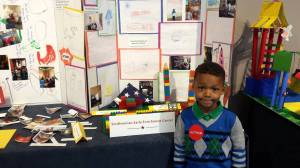
The absolute most rewarding moment was at the book release event at the National Gallery of Art when I saw all of the students walking around wearing big red badges that said “Author” on them. The sense of pride, accomplishment and empowerment was palpable and I think that really was the point of the whole thing.

Teacher Feature: Infant Classroom Explores Mail

It’s Teacher Feature Thursday!

This week we are featuring Jill Manasco. Her infant class was learning about communication and decided to spend time learning about mail. Below you will find a reflection from Jill and images from her lesson.

Mail_Cover

What were your topics of exploration?:

Our topic of exploration was mail/communication/writing letters. We looked at the different types of mail like magazines, letters, bills etc. We also talked about where our mail comes from and how it gets from place to place.

What were your learning objectives? (What did you want your children to take away from the lesson?):

I wanted them to see where our mail comes from and how it gets to other people. Also, I wanted them to see what kinds of things are sent and received through the mail.

What was most successful about your lesson?:

Our trips to the post office and NH mail room were the most successful things about our lesson. They enjoyed mailing a letter to our friend Emerson and also picking mail up for the school.

What could you have done differently? What recommendations would you have for another teacher trying out this lesson?:

The entrances to the post office were tricky for us since we are in buggies. The doors were not automatic and they were really hard to open but with an older group that would not be a problem.

Here are a few images from their unit on mail:

DSCN2721The group got all bundled up and headed straight to the post office for their lesson!

DSCN2725Earlier in the week the group worked together to write a letter to a friend who had moved. Jill showed the class the mailbox where they were going to drop off the letter but explained that they needed stamps to make sure it got all the way to their friend in a different state!
DSCN2731In the post office, they stopped to check out some of the boxes where people get mail.

DSCN2737Jill showed and re-read the note to the group.

DSCN2742

DSCN2748She invited each child to help participate in the mailing process. Above a child is adding the letter to the envelope and below he is helping to seal it up!

DSCN2755Then it was time for Jill to weigh the letter and purchase the postage. Jill narrated the whole process to the friends.

DSCN2761Last step was the postage! This little boy loved how sticky it was!

DSCN2767Then it was time to mail the letter! When the letter arrived at its location the group was able to Skype with the recipient and see how their letter had traveled all the way to her.

This class had a wonderful time learning about communication! Be sure to check back for our Teacher Feature next week!

Early Learning in Museums: A Thoughtful Process at DAM

Denver Art Museum
Denver Art Museum

We’ve noticed that more and more museums are thinking about how to create effective programming for children under the age of 6 years old. Why do you think that is? I know we have some ideas but would be curious to know what you all are thinking.

Just last month, SEEC had the opportunity to work with one such museum.  It was inspiring to see how thoughtful they are being about the process. Over the next year, the Denver Art Museum (DAM) will systematically develop programs for early childhood programs in their area. Implementation of these programs is scheduled to start next year.

Mud Woman by Roxanne Swentzell at the Denver Art Museum
Mud Woman by Roxanne S Wentzell at the Denver Art Museum

To get this effort off the ground, the education department has created a case statement that articulates why this initiative is important and how it ties to the mission and vision of the larger organization. In addition, they have brought together a team of stakeholders that will contribute to the development of concepts, monitor progress, communicate considerations and keep the process moving forward. They have considered external factors and internal implications and are working together in new ways to better accommodate the unique of early childhood audiences – whether they arrive in school groups or with a family.

In addition, they engaged the local teacher community. On a Classroom Shotbeautiful October morning in Denver, Colorado, over 20 early childhood educators devoted their time to talking to the Denver Art Museum about what their idea of an ideal early childhood program would include. The teachers were extremely enthusiastic about the possibilities and informed the museum educators that they would like to see everything from museum experiences led by visiting artists to workshop spaces that encouraged young children in “messy” but meaningful play.

We know that many museums are doing interesting programming for young children. If you have stories to share or lessons learned, we would love to hear from you!

Denver Art Museum

Denver Art Museum

Classroom Snapshot: All that Jazz

Our four’s camp was in full swing with their study of jazz this past month. Even though it is summer, our SEEC teachers are still thinking of innovative and creative ways to bring our museum objects to life. As a museum educator who spends a lot more time behind the computer than in front of the classroom these days, I was very jealous of all the fun the four’s were having.

JAZZ 1

The week begins with a study of jazz instruments at the National Museum of American History.

JAZZ 2

The whole class made it up to the National Portrait Gallery where they learned about Duke Ellington and made some jazz gumbo!

Next up: Billie Holiday. The class explored the voice as an instrument.

Next up: Billie Holiday. The class explored the voice as an instrument.


After all that learning, the kids played with some instruments of their own and created their own jazz ensemble.

The kids played with some instruments and created their own jazz ensemble.

These lessons take place over a period of time and typically take shape as teachers discover and nurture the interests of their students. If you have questions or comments, please let us know. We see our teaching practice as constantly evolving.

Educators: Want to learn more about working with museums and early childhood audiences, please visit our list of professional development offerings.

Parents: These snapshots  can give you some great ideas of how to use museums with your children. You can also enroll in one of our weekend classes  or  our 2-day/week program for toddlers and experience it firsthand!


What is a Smithsonian Early Explorer?

Recently SEEC and the National Museum of Natural History formed a new partnership. We are already lucky enough to have two spaces inside this amazing museum and now, we will be offering a very special program in NMNH’s Q?rius jr. Discovery Room. This brand new early learning initiative, Smithsonian Early Explorers (SEE), builds on SEEC’s 25 years of success combining the best in early learning practice and the rich environments of the Smithsonian Institution. A small cohort of young learners, together with their caregivers, will have access to the best of the Smithsonian Institution and a curriculum focused on STEAM: science, technology, engineering, art and math.

Here’s a small taste of what to expect.

Museum

Classroom

Free Play

Learn More

Smithsonian Early Explorers FAQ’s
Registration
Cynthia Raso: rasoc@si.edu or 202-633-0121

Fountain Fun

DSCN3881Pools, beaches, lakes, sprinklers…it’s that time again! Children all over the US are enjoying summer-time to its fullest and likewise, parents are looking for water-inspired activities. Here in DC, we are lucky enough to have a number of public fountains that are both beautiful and refreshing. Fountains capture the imagination of children, so why not take this opportunity to create a learning experience?

Duckling FountainInfants
Infants often have mixed feelings about water, it can be both scary and exhilarating. Why not introduce them to water through their senses, especially sight, sound and touch. Simply draw their attention to different aspects of the fountain.

  • Do they hear that sound? Mimic the roar of the fountain.
  • Describe the color of the water.
  • Connect the fountain to the actual feeling of water by getting their hands wet.
  • At home, identify other places where you might find water and remind them of their visit to the fountain.

Toddlers

Toddlers are excited by new things and fountains are no exception. Take the time to explore the fountain and ask simple questions about its design:

  • What direction is the water moving?
  • Is there water that is still, where?
  • From where do you think the water is coming?
  • What else do you see besides water?
  • Do you see any pictures or decorations?
  • Try making your own fountain at home with a hose and baby pool.

Preschool and UpFirefly Fountains

By now your child has seen a few fountains and you can begin to investigate the concept further. Here are some fun multidisciplinary ideas:
  • Rainbows, light and water. This blog has some nice experiments you can easily duplicate.
  • Experiment with force and getting water to move in a certain direction. You can even perform this experiment at home if you are feeling adventurous.
  • Discuss why fountains are used: are they pretty, do they help us remember something, are they for cooling off, do people seem to like them?
  • Ask them to choose a location in your community and design their own fountain.

Favorite DC Fountains

Fountain at the Hirshhorn

Fountain at the Hirshhorn

  • Hirshhorn Museum and Sculpture Garden
  • National Museum of American History (Constitution Ave. Entrance)
  • US Navy Memorial Plaza
  • National Gallery of Art
  • National Museum of the American Indian
  • Senate Fountain
  • WWII Memorial Rainbow Pool
  • Bartholdi Fountain
  • What is your favorite community fountain? Leave us a message!

    Summer Fun: Building Collections with Your Child

    If you have a child in elementary school, they have probably come home with some sort of summer packet. I’ve seen the “packet” take various forms: from a list of innovative ways to encourage reading to a dull packet of worksheets. Either way, parents and educators alike want to encourage learning outside of school and during a time that has been characterized as the “summer slide.”  I hope some of the ideas on how to build a collection will inspire your family to engage in playful learning this summer. Adjust as you see fit for age and your schedule.
    table
    household objects
    Flower Parts
    Looking at flowers
    1. Choose a topic in which your child is interested and then find a space in your home where you can place a table and don’t mind hanging things on the wall.
    2. Begin building your collection by visiting your local library and selecting several books.
    3. Find other toys and household items that you don’t mind donating to the cause.
    4. Use these items in a way that they can explore them with their senses, i.e. what does the flower smell like or what sound do seeds make in a bottle. Also allow them to manipulate the toys or objects so they are using they are able to discover how things work and practice their fine motor skills.
    5. Build a model, draw pictures and display.
    6. Add vocabulary words.
    7. Take it outside of the home and “experience” the topic, i.e. pick flowers or keep a journal of flowers you see during your day.
    8. Take to the community and visit a museum, local store, etc. Take pictures and post in the collection area.

    Helpful Hints

    • Collect, create and display together!
    • Keep the collection at their height.
    • When they are ready, change it up or expand on the topic, i.e. flowers – gardening – water cycle.
    • Let them come and go on their own and edit along the way.
    • Have fun!


    Perfect Spring Break Family Museum Visit

    signSpring and summer break are just around the corner and I know a lot of our parents are looking for some local, inexpensive family outings. Well, look no further than the Museum of Natural History. I am sure a lot of families have done it’s most popular features but, for this visit we are headed up to the top floor to  Beyond Bollywood: Indian Americans Shape the Nation. This jem has a lot to offer the younger child in your family.

    First, it’s spacious, colorful and inviting. Read our recent blog on environment – it makes a difference.

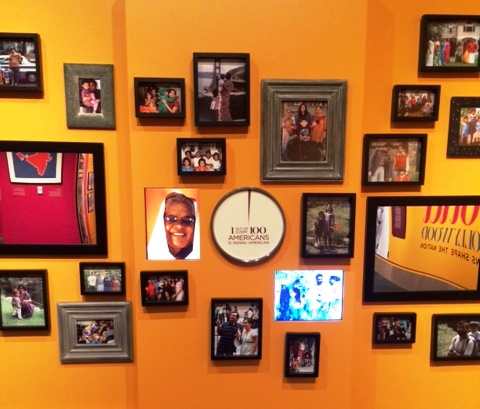
    Second, there are a lot of mirrors.  From infants to preschoolers, mirrors are fascinating portals to understanding more about themselves and how their bodies work.

    Image 280

    One of SEEC’s classes practices their yoga.

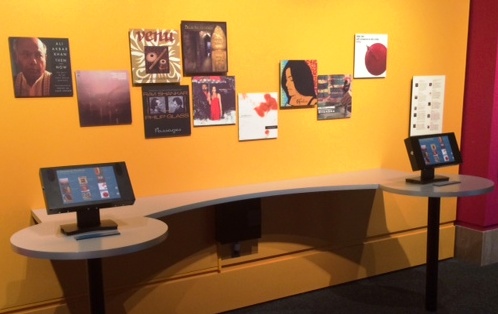
    Finally, there are interactive sections where you can listen to music, watch a video and sit at a table set with Indian food. This will give your child different types of sensory input and provide a chance for some dramatic play.

    Depending on the age of your children, you can choose to approach the exhibit from several perspectives, here are some ideas:

     families6 months – 18 months: Babies are learning to recognize themselves and their families. Take the time to look in a mirror and identify baby and yourself. Describe your features and talk about your similarities and differences. Head over to the family photos and pull up a family photo on your phone. Compare it to the families on the exhibit wall. At home, share a book about families or sit down and make a toy family. This is a great opportunity to begin talking about how not all families are the same. Even at such a young age, you can begin to lay a foundation for understanding and respecting diversity.

    listening station19 months – 3.5 years: Toddlers love music and dancing, so it is great that this exhibit features a listening station. Pick a couple of tracks and see if you can compare their tempo or guess the instruments. You might simply ask which their favorite was. Give them a chance to dance to the music and then go to the outer hallway and see the images of Indian dancers. Notice how the dancers are moving their body and what they are wearing. Build on the experience at home by listening to more Indian music or discovering that of another country. Look up a few videos highlighting different Indian dances and watch them together on a tablet or computer. Similar to the infant experience, introducing your toddler to the arts of other countries will help them gain an appreciation of their culture and, those of others.

    photo (5)Preschoolers – Early Elementary:  A great way to connect with young children is to begin with their personal experiences. Since food is universal, the table would be a great place to begin a conversation about the foods we eat at home or at our favorite restaurants. The exhibit can teach children about food from India AND about the many cultures that contribute to the food we eat in the United States. If food doesn’t interest your child, consider talking about some of the notable Indian Americans like football player, Brandon Chillar or fashion designer, Naeem Khan.

    Finally, consider going to visit the Freer and Sackler’s collection of Indian art on another visit or grabbing a bite of Indian food at the Natural History’s café.

    Like with any visit, keep in mind some of these helpful tips for visiting a museum with your kiddos and enjoy!!

    Pondering Play

    NMAH PG

    When museum folks think of “play,” the “go to” place that comes to mind is often one of the many amazing children’s museums found across the country. For many, when used together, the words “play” and “museum” conjure images of boisterous children engaged in hands-on learning experiences in an interactive museum play space or exhibit. On the other hand, early childhood educators are inclined to think about play in the context of their classroom. A carefully structured environment supports literacy development in the dramatic play area, pre-math concepts in block building and social emotional growth during “free choice” time. Whether working in a museum setting or classroom environment, educators that work with young children recognize the power of play in developing skills essential to one’s future success in school.Transportation line up

    What does “play” look like for young children in a traditional object centered museum setting? Is it possible to help early learners embrace the “free choice learning” aspect of museums in a constructive and meaningful way? On RapidIn early May, SEEC will launch a new two day professional seminar called, “Play: Engaging Young Learners in Object Rich Environments.” Museum professionals and early childhood educators will collaboratively explore potential intersections between play and traditional object centered museums. The workshop will feature new approaches to museum learning used by SEEC educators as they determine how to best connect children’s emerging interests to museum exploration. This pilot program makes use of the Smithsonian Institution’s collection and enlists the perspective and expertise of participants as workshop content takes shape over the course of the two day Smithsonian based seminar. No doubt you have some questions, considerations, or examples of your own that come to mind as we post these thought provoking questions about play in museums. Please share!

    Through SEEC’s flagship seminar, “Learning Through Objects,” we have had an opportunity to present ideas about using objects and museums to build critical thinking skills in young children to hundreds of museum and classroom educators. SEEC’s latest “Play” workshop takes this foundational information to the next level as we challenge ourselves to consider how to support positive learning experiences for young children through the use of play, objects and museums. Participants will consider the role that storytelling and question asking takes in play and museums as we encourage children to become curious explorers, creative thinkers, inquisitive learners and 21st century problem solvers.

    Checking Out the Car