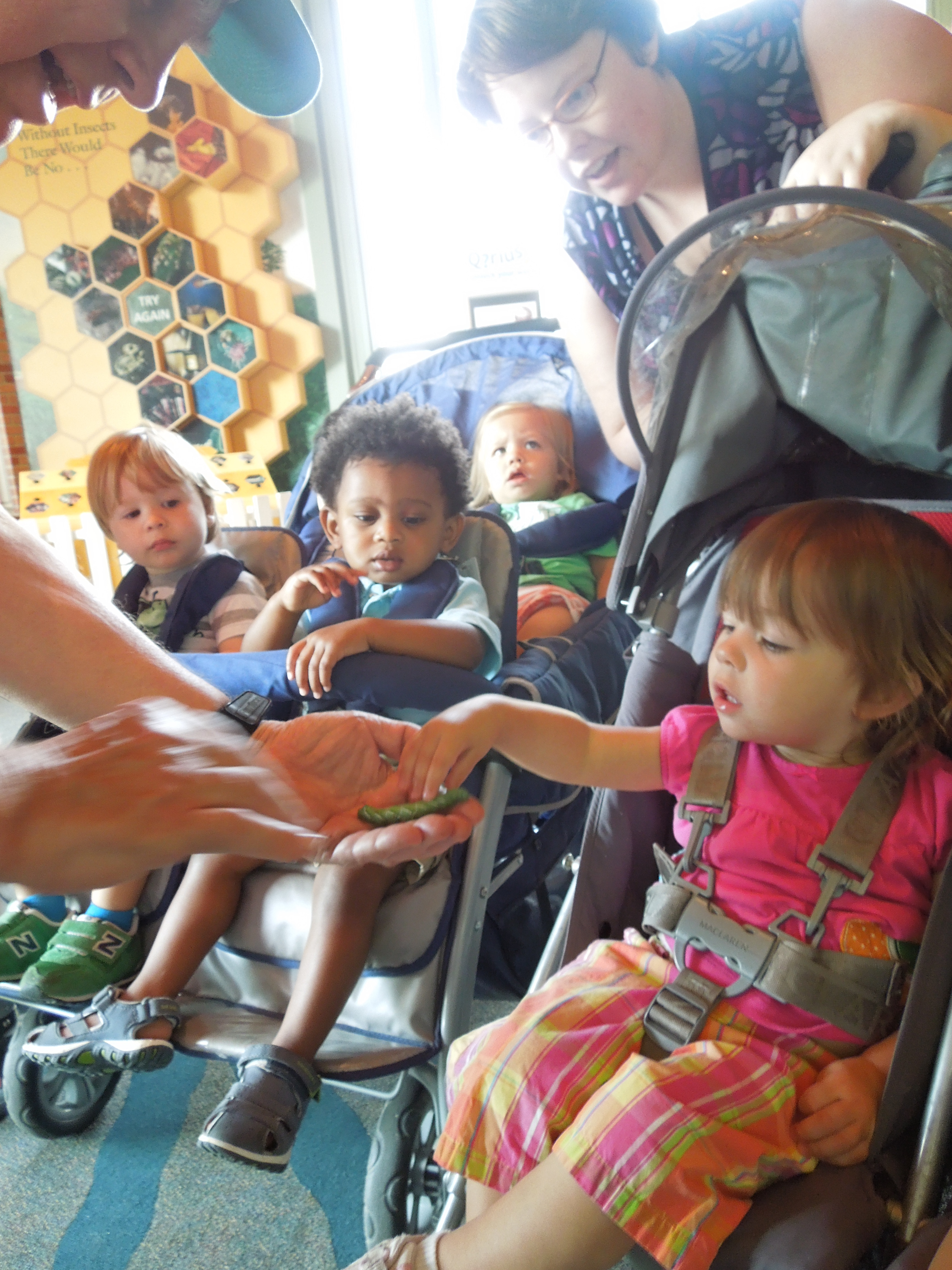
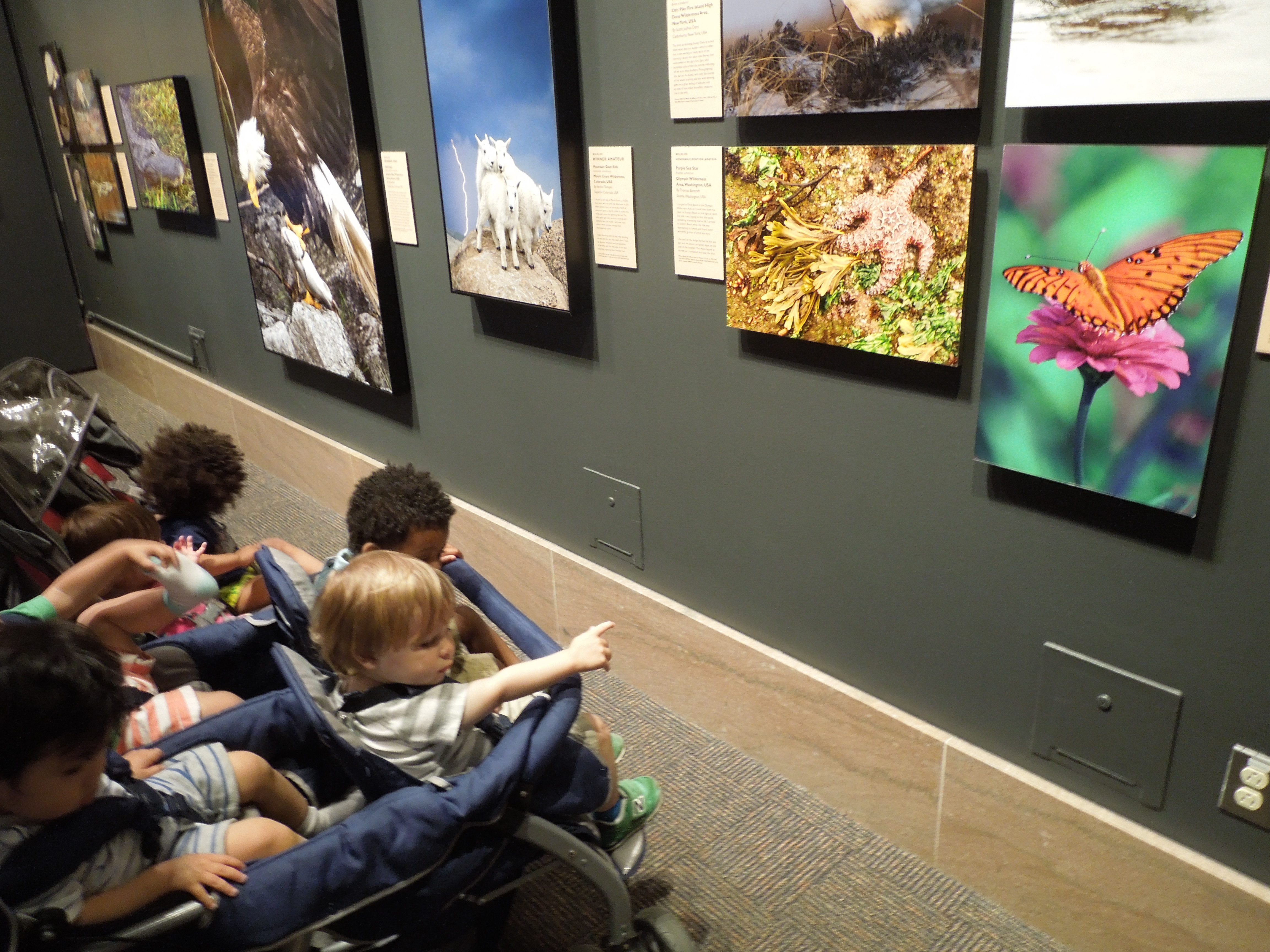
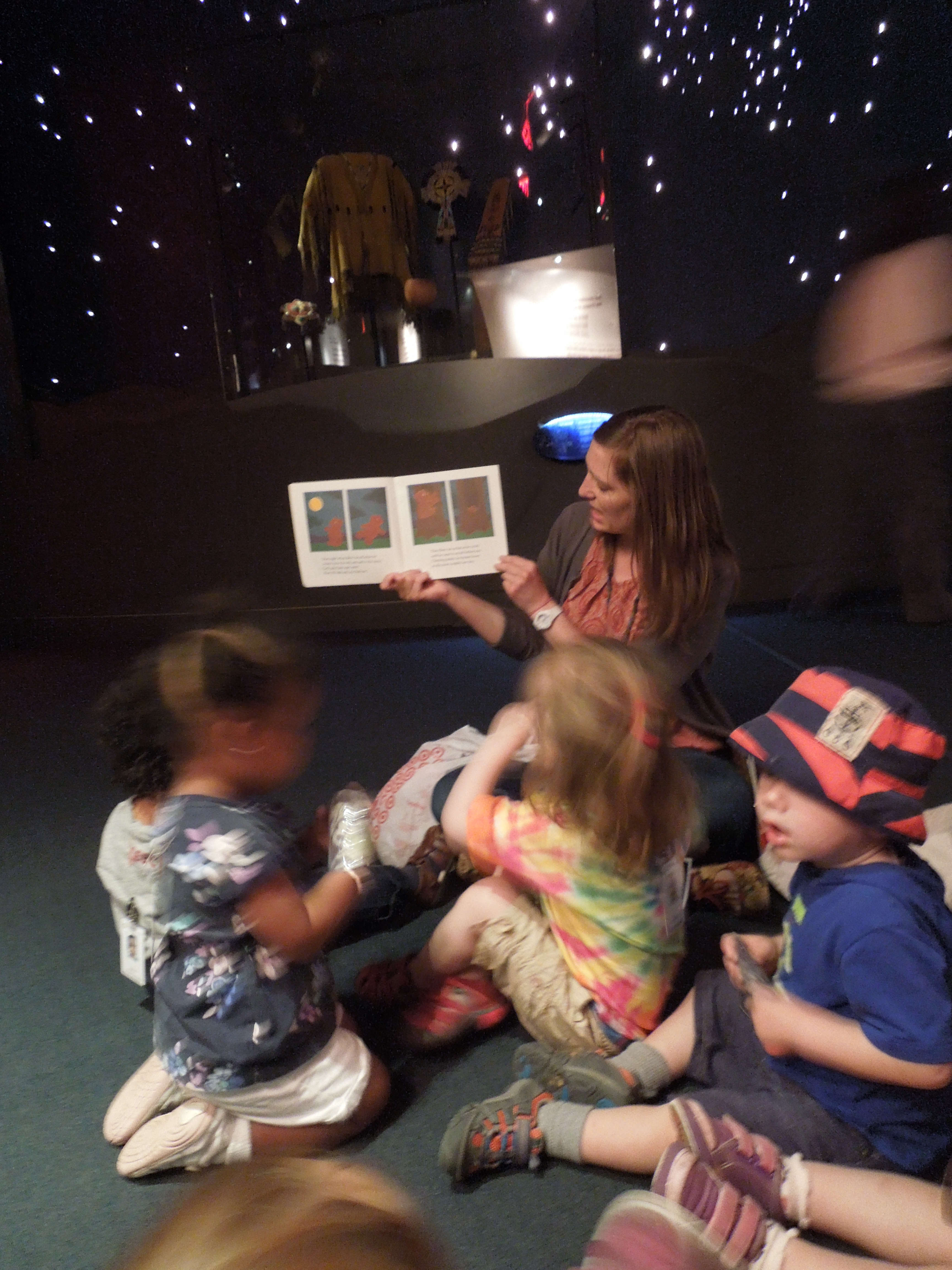
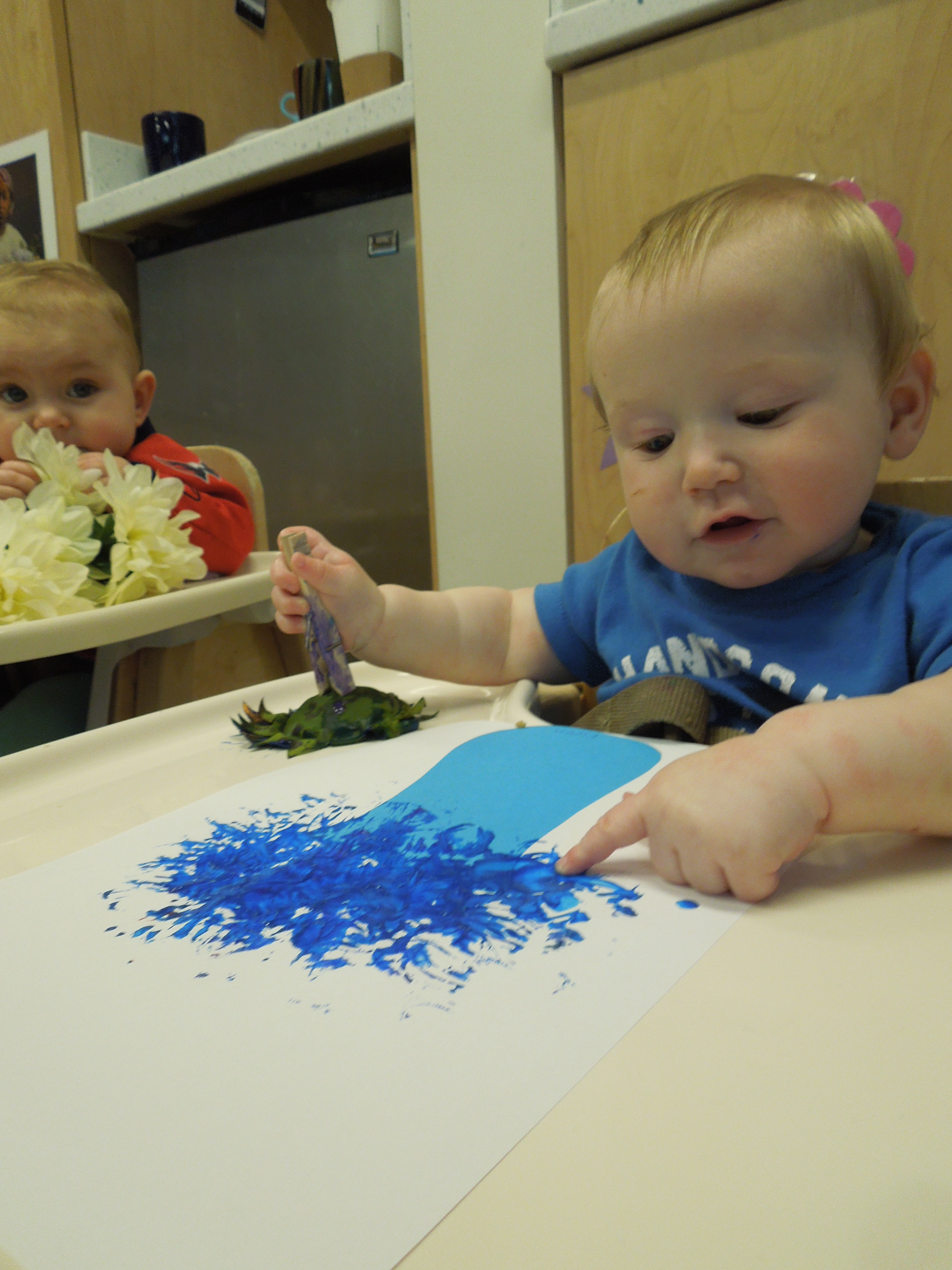
Community Visits During the Government Shutdown

The closure of the federal government, beginning October 1st, 2025, impacted much of Washington, D.C. and SEEC was not immune to the ripple effects.  SEEC educators began preparing for the possibility of a federal government shutdown by re-evaluating how we utilized our community spaces. Taking our classes into our community on a regular basis is an integral part of our object-based and inquiry-based learning philosophy.  What do our days look like when one of the key pillars of our community, the Smithsonian museums our classes call home, is closed for an indeterminate amount of time? 

While the Smithsonian museums are a major resource and source of inspiration for our educators, SEEC teachers are also well versed in using other parts of our community to inform their lessons. At SEEC, we believe that learning can happen everywhere, not just in a classroom or a museum gallery. Educators routinely host lessons on the National Mall, utilize local businesses, and tap into creative explorations of places they’ve been before.  

From explorations of architecture to farm animals to fairytales, SEEC educators rose to the challenge of using our community spaces during a government shutdown. 

Toddlers Explore The Built Environment 

Our youngest toddler class, the Toucans, took the government shutdown as an opportunity to switch topics and begin a multi-week investigation of the built environment. These little learners, ranging from 12-18 months old, started their architecture unit exploring various building materials in their classroom.  

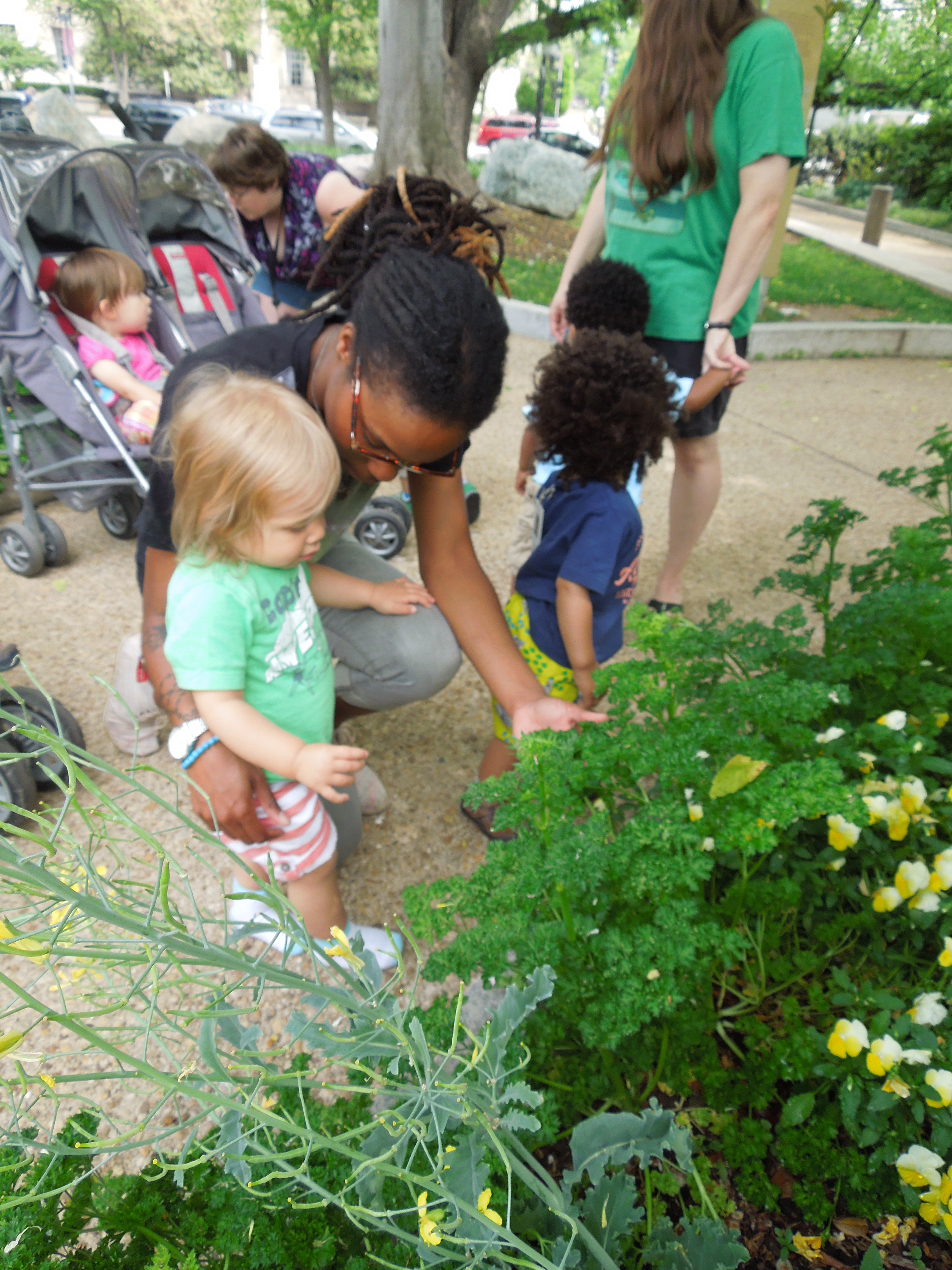
After looking at wood, brick, and stone, the class went on a walk to MLK Library and made a stop at St. Patrick’s Catholic Church to discuss the materials they could see and take turns touching the rougher stone of the building facade and the carved stone of the archway. The toddler teachers realized that building materials were all around them and that each city block offered a new and exciting learning opportunity for the class.  

The Toucans continued their study of buildings and architecture by visiting the construction site at the Hirshhorn Sculpture Garden. The students were so excited to see some of the tools and construction vehicles they had been reading about in their classroom. Through a lot of pointing and excited sounds, the teachers could tell the students were making connections between objects they were seeing on their community visits and the toy versions they had been playing with.

 Caption: Toucan Toddler class explores the stone walls of St. Patrick’s Catholic Cathedral and the carved stone of the columns.

Twos Bring the Farm to the National Mall 

Prior to the government shutdown, one of our two-year-old classes, the Penguins, began a unit on farm animals. What started as an exploration of horses soon transformed into a deep dive into life on a farm. When the federal government shut down, the Penguins took their classroom outside and enjoyed a nice long walk over to the National Park Services Stables. They compared the barns they had in their classroom to what they could see at the stables. As the shutdown progressed, they continued their investigation of farm animals by discussing pigs and cows. 

During their week on cows, the class learned where milk comes from and how milk is turned into butter. The Penguins took their learning back outside to practice ‘milking’ a cow using a plastic glove, water and a bucket. Each student had the opportunity to squeeze the makeshift udder and watch as the ‘milk’ came out and collected in the bucket below. They culminated their week on cows by creating their own butter. Using heavy cream and small, tightly sealed, containers, the Penguins were able to shake the cream until it turned into soft butter. They could see the change happening before their own eyes! This progression of farm animals to food allowed the class to transition into a lesson other foods are found on farms.  

Caption: Penguin Twos Class takes turns squeezing milk out of a plastic glove ‘udder’ during their week on cows (left). Students look at horses at the National Park Service Stables (right).

Fours Imagine Fairytale Creatures in DC 

SEEC’s four-year-old class, the Honey Bears, expressed interest in storytelling right before the government shutdown began. While they couldn’t visit the National Gallery of Art to look at Rogier van der Weyden’s Saint George and the Dragon, they could pretend to be giants towering about the city on the rooftop of MLK Library. The outdoor rooftop garden was the perfect place to use their imagination and see the world through a giant’s eyes. Four stories up, the Honey Bears read Jack and the Bean Stalk and discussed how different the city looked so high up.  

Later that same week, the Honey Bears went over to the water feature outside of the National Museum of the American Indian (NMAI) to talk about what they need to trap a mermaid. The water feature became their mermaid lagoon and using their nets, the Honey Bears searched for mermaids and sunken treasure. These outdoor visits enabled the students to really use their imaginations and practice their dramatic play skills.  

Caption: Honey Bear Fours class prepares their net to catch a mermaid (left). Students investigate the mermaid’s treasure outside NMAI (right).

While the government shutdown, and the subsequent closure of many museums, offered challenges for SEEC educators, they were able to make the pivots they did because of the foundational understanding that our community is more than just museums. For teachers at SEEC, the classroom extends beyond the museum galleries and out into the world around us. Our classrooms can be the local library, outdoor fountain, stable, and the exterior of a church. It is less about where children learn, and more about how they learn. 

Teachers were able to seamlessly continue the learning happening in their classrooms because they are confident in their ability to teach using real life objects and experiences. While pictures and books are a vital part of early learning, SEEC believes that children learn best through exposure to tangible objects and concepts. This hands-on approach allows students to make connections for themselves and helps bridge the gap between the familiar and the unfamiliar. It is possible to explain to a toddler how cream turns into butter but allowing them to shake a jar until the butter separates from the milk offers a deeper understanding of the process. The hands-on experience moves the learning from conceptual to tangible.  

These hands-on experiences and community visits won’t disappear with the re-opening of the federal government. Classes will still take trips to MLK library, explore the architecture of the buildings around SEEC, and visit horse stables. Those kinds of visits will be in conjunction with visits to museum galleries, just like SEEC has done since our founding. We are so excited to bring our classes into all parts of our community and to continue to share how the learning extends beyond the classroom.  

Teacher Feature: Penguins and Alma Thomas   

What was the topic of exploration?  

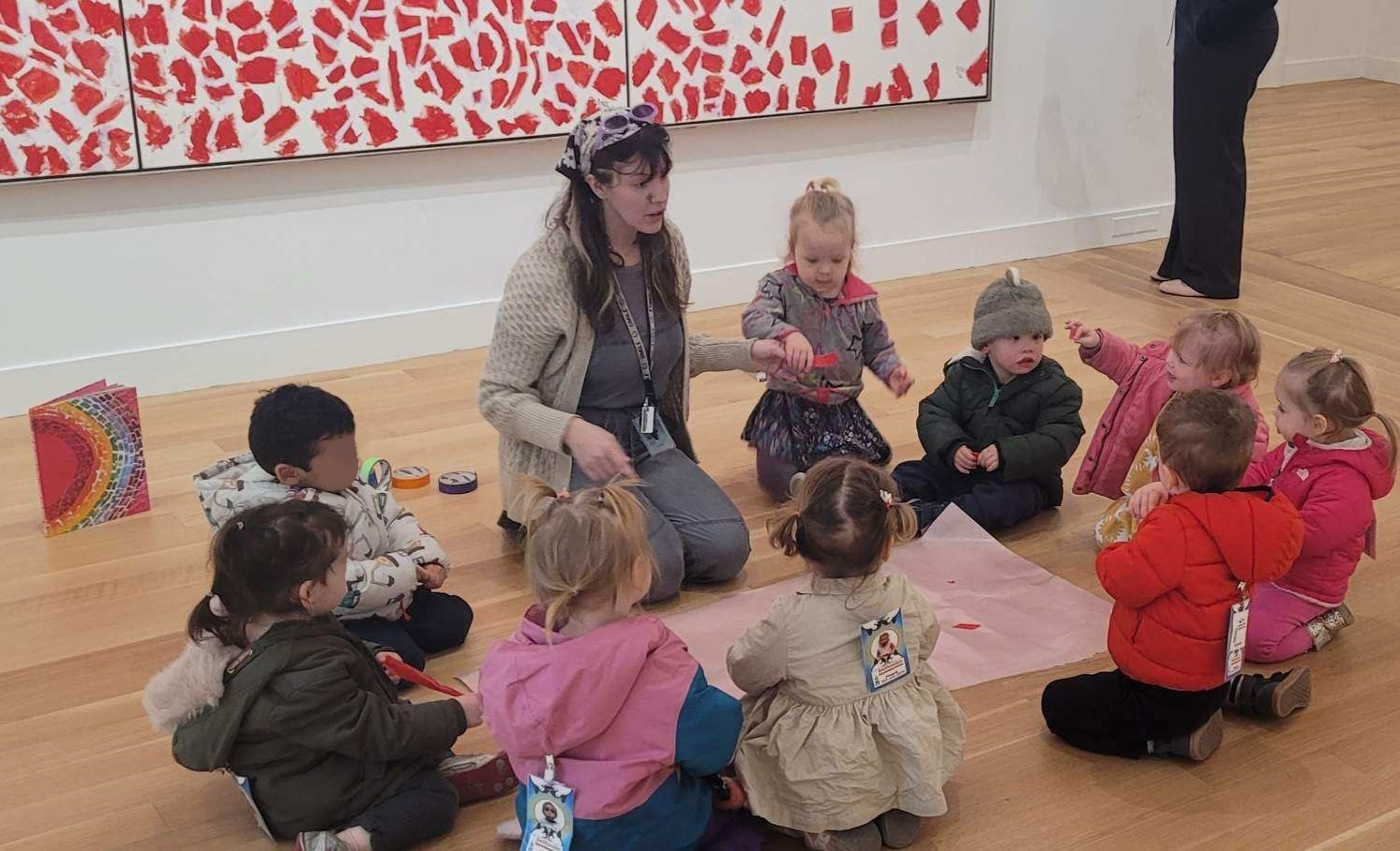
Our Twos class recently spent some time talking about colors. On this day, the focus was on the vibrant color red and its name. To make the learning experience even more engaging, this Twos class drew inspiration from Alma Thomas’ stunning artwork, Red Azaleas Singing and Dancing Rock and Roll Music, at the Smithsonian American Art Museum @americanart.  

One of our Twos educators began this lesson with the story Ablaze With Color by Jeanne Walker Harvey to capture the attention of the children and introduce them to Alma Thomas. 

What were the learning objectives? (What did you want the children to take away from the lesson?)  

This visit was an opportunity for our young learners to begin recognizing and appreciating colors in a real-world context. The bright and lively hues of Thomas’ painting captivated their attention and sparked their curiosity, making the concept of color recognition both fun and memorable. 

The educator passed out pieces of red tape to each child for the ‘Doing” portion of their visit at the Smithsonian American Art Museum. The background features Alma Thomas’ Red Azaleas Singing and Dancing Rock and Roll Music 

What was most successful about the lesson?  

How did the lesson reach your objectives to expand the topic?  

The most successful aspect of the lesson was the Twos educator reading “Ablaze with Color” by Jeanne Walker Harvey, a captivating story about Alma Thomas’ journey as an artist and her love for vibrant colors and the collaborative art created by the children. This beautiful story naturally facilitated the children’s exploration and appreciation of colors, sparking a conversation about the small red pieces in Thomas’ paintings. The lesson reached its objectives by expanding the topic through this engaging story, which encouraged the children to delve deeper into the world of colors and art. 

What was successful in terms of preparation and logistics? 

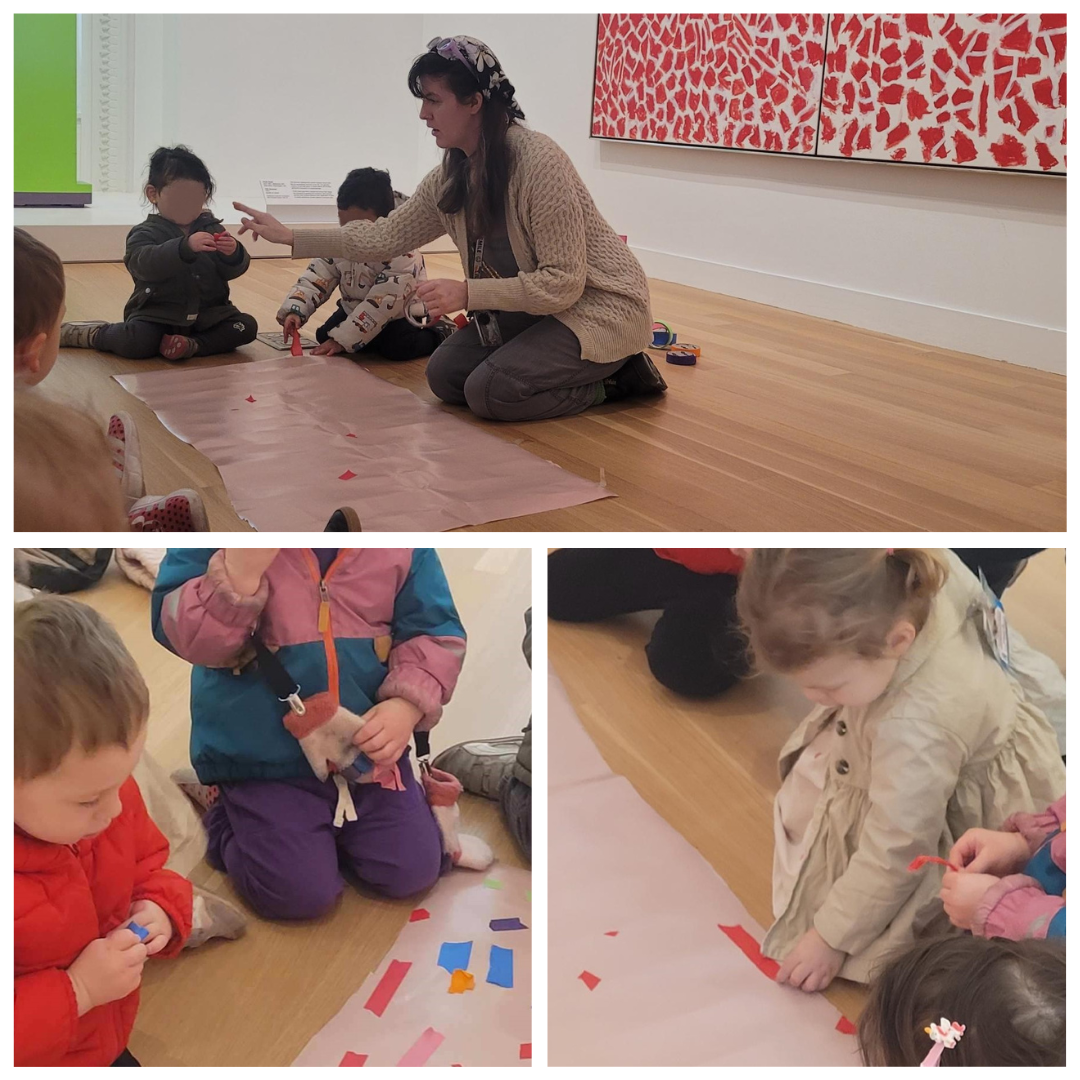
The children were inspired by the story and discussion, which led to a wonderful opportunity for them to create a collaborative piece of art in the gallery. By emulating Alma Thomas’ unique style, they used small pieces of colored tape on contact paper to craft their own vibrant masterpiece. This hands-on activity not only deepened their understanding of colors but also allowed them to express their creativity in a fun and engaging way. 

The educator gave each child the opportunity to place the pieces of tape onto a larger piece of contact paper for a collaborative art piece inspired by Red Azaleas Singing and Dancing Rock and Roll Music 

What could have been done differently to better achieve the learning objectives and expand the topic? 

To enhance their connection with Alma Thomas’s work, bring along multiple small prints of her pieces (you can find examples of her colorful abstract art in books or online). Having a print for each child allows them to hold and closely observe the details while viewing a larger piece, fostering a more personal engagement with the artwork. 

You could also bring along color words paired with their corresponding colors to encourage early literacy. For example, having “red” written on a red card or “blue” on a blue card can help young learners associate written words with visual cues. It’s a simple and fun way to integrate literacy skills into an art-themed adventure! 

Additionally, introduce the tools Alma Thomas used to create her masterpieces—such as a canvas, paintbrush, or any other materials. This hands-on approach offers insight into how artists work and inspires creativity. 

What was challenging regarding logistics?  

The Smithsonian American Art Museum (SAAM) opens its doors at 11:30 AM, which is not ideal timing for our young learners. We’re so grateful to have the option to request tours before the museum officially opens, making visits more accessible for our group. If visiting at 11:30 doesn’t work for your schedule, you can also see Alma Thomas’s vibrant Watusi (Hard Edge) on display at the Hirshhorn Museum—another fantastic option to explore her incredible artistry! 

What recommendations would you have for another teacher trying out this lesson? 

If you’re inspired to explore the work of Alma Thomas like our Twos class, here’s an idea to create a meaningful and engaging experience. Start by defining the space for each child and ensuring a respectful distance from the artwork. A small blanket or portable morning meeting circles can help provide a clear boundary between the class and the art, creating a cozy yet organized setting. 

To extend this experience into an art-making activity, colorful tape is a great way to replicate Thomas’s unique style. If colorful tape isn’t accessible, don’t worry! You can use vibrant pieces of construction paper in combination with contact paper to mimic her bold, textured patterns. 

This setup not only helps children appreciate art but also encourages exploration and creativity—just like Alma Thomas’s work inspires all of us. 

Teacher Feature: Infants Explore Flowers

An educator wearing a mask looks at a baby she is holding while the baby looks at a large display of pink azealas inside a museum.

Preparation:  

What were your topics of exploration? Why did you choose them? Where did they come from? 

During our walks outside, we noticed the Cottontails (infant class) seemed to enjoy when we pointed out the budding flowers to them. It is always exciting when the cherry blossoms reach peak bloom, so we decided to get into flower fever! 

Why and how did you choose the visit? 

As followers of @smithsoniangardens on Instagram, we were able to see when the various trees and garden displays were blossoming. Because our kids were on differentiated schedules, we needed to choose easily accessible locations so we could easily return to the classroom when our bottles and naps beckoned.  

Grouping of three photos. 1) A baby sits on a rug holding a gourd with a teach sitting behind. 2) Three babies sitting a large blue stroller look at a small pumpkin in their teacher's hand while at a farmer's market. 3) A baby is supported by their teacher while they finger paint and create art.

This class had previously learned about nature and plants through visits, art making and exploring objects. 

What were your learning objectives? What did you want your children to take away from the lesson?

Sensory exploration is a great entry point for our age group, so our goal was for our kids to get familiar with the sights, smells, and textures of spring. We paid attention to their reactions to see where their curiosities were leading them. 

Implementation:  

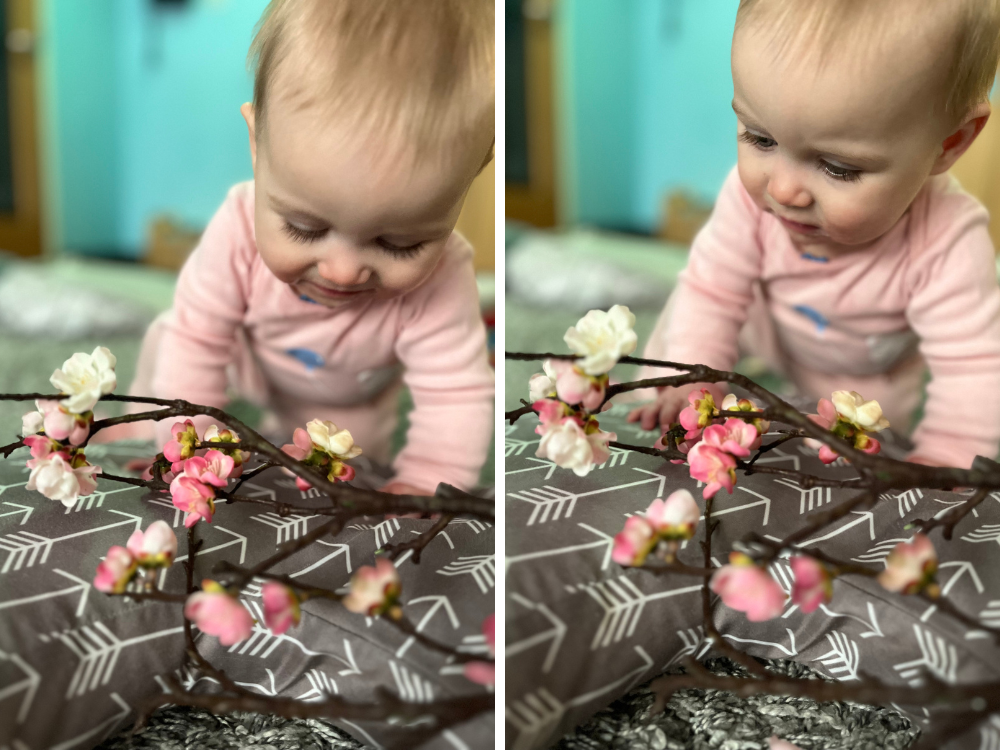
A baby crawling on the ground looks a branch with cherry blossoms and starts to smile.

 An infant child investigates a faux cherry blossom branch.

What activities did you use to engage the children in in the classroom?   

We placed several new materials in the classroom to connect to our outdoor explorations. We brought in live cherry blossoms to decorate our counters and offered faux blossoms to the children for more in-depth investigation and pretend play. We gently fluttered the fake branches and blew on them so that it seemed like the branches were moving in the wind. The children enjoyed trying to imitate blowing the branches – this was also good practice for calming ourselves with deep breaths! 

We also brought in baskets of soft, crocheted, cherry blossoms and placed them in baskets. The children practiced filling and dumping the baskets of blossoms and covering their bodies with them. 

Grouping of three photos. 1) A baby sits ontop of a tray of pink tea and explores the wetness with his hands 2) Standing baby reaches down with a paint brush in each hand to dip the brush into a tray of pink tea. 3) A standing baby reaches up to try to touch completed pink art hanging from a window.

The class created ”flower petals” by dipping coffee filters in hibiscus and rose petal tea. The warm, yummy-smelling, tea provided a soothing sensory experience that the kids really seemed to enjoy. 

Finally, we did a process art activity using hibiscus and rose petal tea to paint on coffee filters. The scent of the tea was delicious, and it created a lovely pink hue on the filters. After the project was dry, we laminated the pieces and hung them in the window for the children to continue to admire. 

Group of three photos. 1) A baby reaches out to try to touch azaelas on display in a musuem. 2) A baby who is bundled up for cold weather is outside touching a magnolia petal which is held in their teacher's hand. 3) A baby is held by their teach and points at white azealas on display inside a museum.

The infants look closely at and reach out to touch different flower petals including azaleas at the National Gallery of Art and the Saucer Magnolia flowers at the Haupt Garden.

What was it like taking the children out of the classroom to see various flower displays? How did you keep them engaged?   

Outings with young infants can be tricky to schedule, especially in the chillier months when everyone has multiple layers to bundle up in! We found success by choosing our destinations strategically and paying attention to our children’s cues. We kept the Cottontails engaged by talking to them about the sights and sounds around us and lifted them out of the stroller to help get them closer to the flower displays. Connecting our adventures with song is another winning tactic – our Cottontails loved playing “Ring around the Roses” next to the azalea display in the National Gallery of Art! 

How did you tailor your lessons to meet the learning needs of your age group?  

Babies are always taking in information from the environment around them, so we do our best to let them explore freely and notice where their curiosities are leading them. While they aren’t able to communicate with language, we can understand so much by paying attention to what they are looking at or reaching towards. 

Reflection:  

What was most successful about your lesson?  

We were proud of how active and engaged the group was throughout our explorations! By offering plenty of time and support for them to observe and interact freely with the materials and flowers, we were able to build on their natural curiosity and sense of focus.  

A group of two photos. 1) An educator in a mask holds child while they both look at a display of azealas in a museum. 2) An educator and child walk in a circle around a large display of azealas in a museum.

When the children got a little restless in the stroller the educators helped them take walk (or dance) break and held them closer to get a better look at the flowers.

How did the lesson reach your objectives to expand the topic?  

We tried to think creatively about how to offer a variety of sensory experiences that would help our Cottontails get familiar with the sights, smells, and feel of springtime blossoms. We later laminated the art project we made using hibiscus and rose petal tea and displayed it in our classroom window. Even after we had ended the unit, the children could look at the artwork and we would remind them of our springtime explorations.  

What recommendations would you have for another teacher trying out this lesson? 

Pay attention to the non-verbal cues of your students and offer as much free exploration as possible! Kids put everything in their mouths, so have a plan to discourage snacking on flowers while still acknowledging that appropriate developmental need.  

5 Books on Families

We thought it might be helpful for us to share some books that we read in our classes that focus on families. These books highlight the ideas that everyone’s family is unique and different (and that is a good thing) while making sure to draw that connection that families are defined by love. Here is our top five list of books on families:

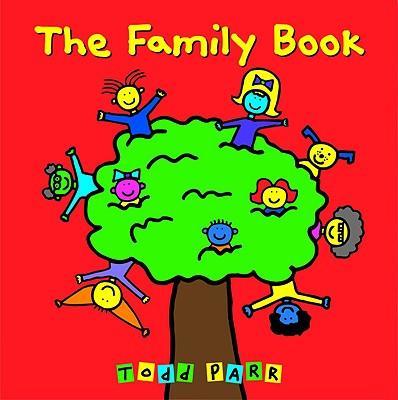
The Family Book by Todd Parr

9780316738965

The Family Book by Todd Parr provides a lovely overview of families. Its clear and simple prose along with its vibrant colors makes it appealing to even the youngest children. The phrases that are written in the book can almost become mantras for children. After reading it several times, you may hear children saying, “Some families are big” or “Some families are small”. It also touches upon more complex ideas surrounding families including death, adoption, and single parents. The Family Book ends with a message that helps children embrace their unique family.

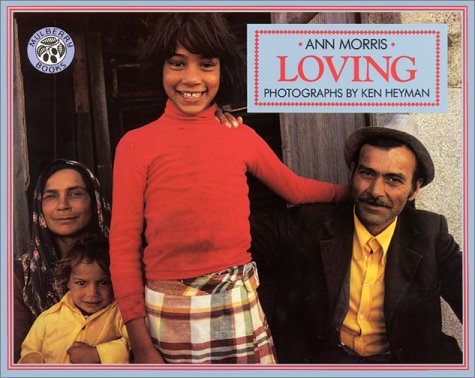
Loving by Ann Morris

51NRT5Q9VBL

This book shows images of families from around the world who are taking care of each other. The  photographs highlight families from around the globe that are highly relatable to young children. For example, it depicts children shopping in San Francisco’s Chinatown, eating dinner at a table in Harlem, and a mother nursing a baby in Kenya. The photos not only speak to family, but other universals like adults caring for children and food. The love between the adults and children is clear on each page and the index  provides additional context for each photograph.

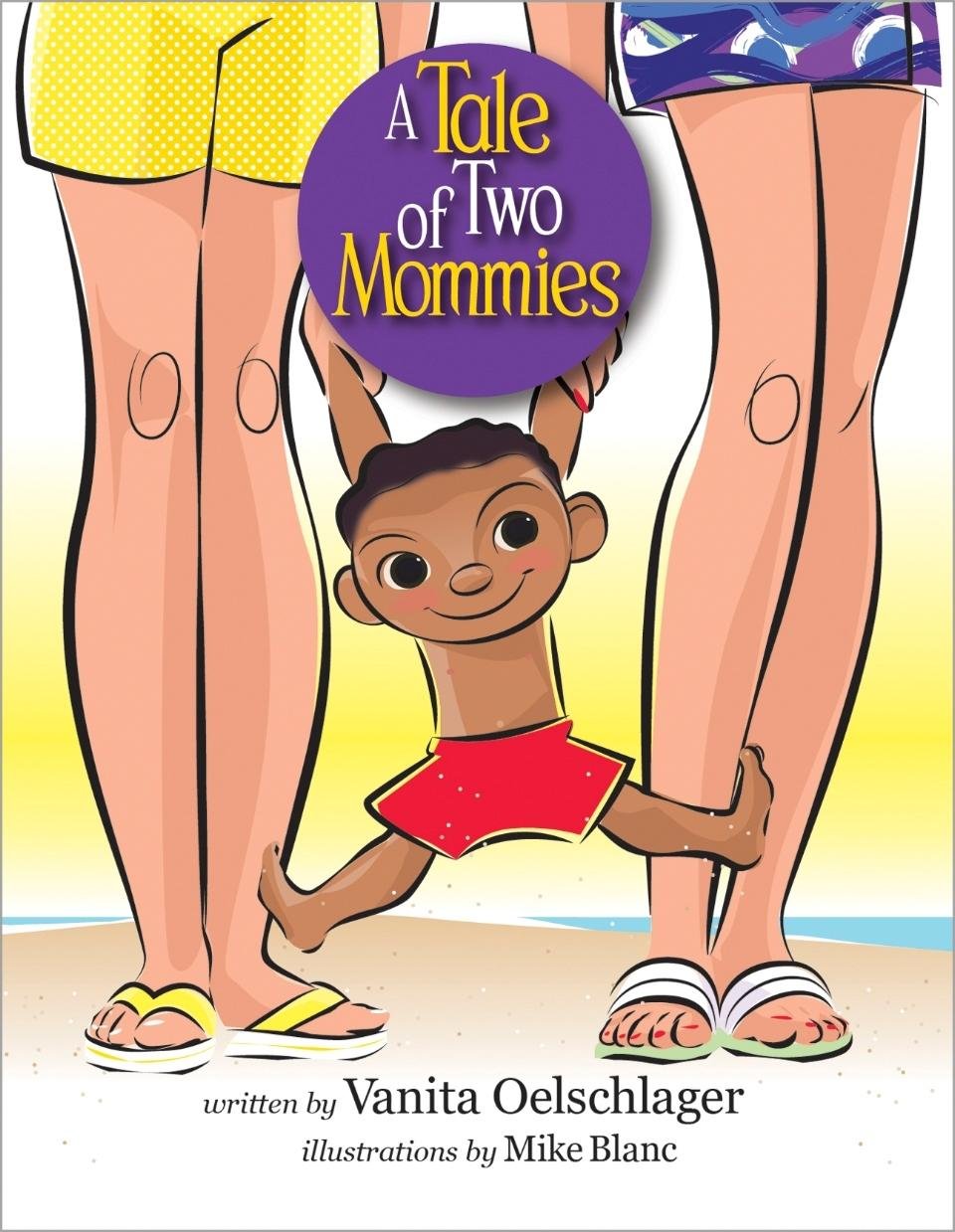
A Tale of Two Mommies by Vanita Oelschlager

71Oi2qMiCGL

This books features three children playing on a beach. Two of the children ask the other child questions about having two mommies. Both the questions and the answers to the questions appeal to young children and have a wide variety. As the child answers, it becomes clear that both mommies take care of and love the child. This books helps children to discover answers to questions about different families that they might be pondering without ostracizing others.

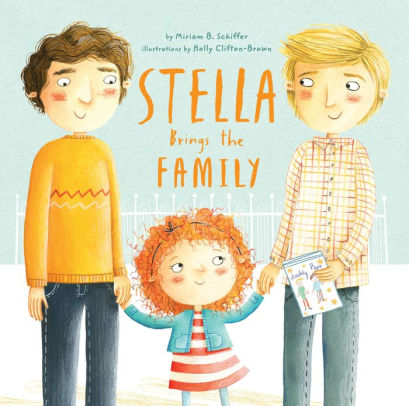
Stella Brings the Family by Miriam B. Schiffer

9781452111902_p0_v1_s550x406

Stella Brings the Family is about a child whose class is celebrating Mother’s Day. Stella, however, is worried because she has two dads and doesn’t know who she should bring to the Mother’s Day celebration. She discovers that she has a family that includes Daddy and Papa and also includes Nonna, Aunt Gloria, Uncle Bruno, and Cousin Lucy. She decides to invite them all to the celebration since they all help to take care of her.

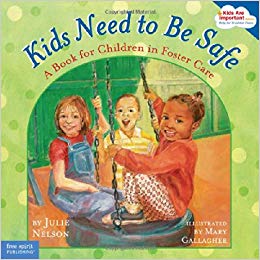
Kids Need to Be Safe: A Book for Children in Foster Care by Julie Nelson

51hd1co3tIL._SX258_BO1,204,203,200_

This book addresses a more complicated topic –  that not all children have a traditional family to take care of them. The text is simple and repeats the idea that, “Kids are important. Kids need to be safe.” Children can see this theme supported by illustrations of children being cared for by foster parents and other adults. These illustrations can allow for deeper conversations and potentially provide children who have experienced foster care the opportunity to share their experiences.

These are examples of books on families that we have read to children. Do you have any books that you would like to add to this list? Please let us know!

Changes: Talking with Young Children about Death

This blog is authored by our Director of Infant and Toddler Programs, Melody Passemante Powell. Melody graduated from James Madison University with a BS in Early Childhood Education and earned her MEd in Education Management from Strayer University. She has been working with and for young children for nearly two decades in a variety of roles. In her down time, she enjoys having fun with her two-year-old daughter, wife, and dog Jack.

TRIGGER WARNING: This blog explores the ways in which young children process death and how adults can support them through such a difficult time. The author reflects on her own experience with the death of her mother at a young age and may be triggering to some.


As the philosopher Heraclitus so aptly stated, change is the only constant. Some changes are simple and easy to adapt to, while others might be more complex and can evoke mixed emotions. As our previous blog explored, moving to a new house, welcoming a new sibling, or starting at a new school are changes that would likely cause feelings of nervousness mixed with excitement. Then there are other changes that are incredibly hard and complicated to adapt to, like death. Unlike many other changes in life, death is one change that is often very hard to talk about because it is such a big and complex concept that even many adults have a hard time processing. It can be even more daunting to be tasked with talking to children about death, especially when we ourselves may be dealing with the situation, and potentially grieving at the same time.

SEECstories.com (4).png

I have always felt drawn to this topic because I have a unique perspective as I lost someone very close to me when I was a young child. I went back and forth about sharing my personal experience, not because I have trouble sharing, but because I worried about making others uncomfortable. As I processed these feelings, I realized they were connected to a norm in my culture: to avoid making others feel sad and uncomfortable. I decided that sharing my experience felt relevant and important. Although like most stories associated with death, it may be hard to read.

SEECstories.com (5)

When I was three, my mother died. The situation was even more complicated by the fact that my mother died by suicide. On the day that it happened I had been to play therapy in the morning, where my therapist had told me my mother might try to kill herself again. Unfortunately my mother had tried before and I was aware since I was in the house. On the day my mother died, my Grandma had been tasked with telling me what had happened. After school my Grandma held me on her lap and asked if I had remembered my therapist telling me my mother might try to kill herself again. She let me know that sadly she did today and she died. My Grandma told me that my mother loved me very much, but that she was very sick. She stressed that she had needed grownup help but sadly even that wasn’t enough. My Grandma answered all my questions succinctly without elaboration and took her lead from me.

Later at home in a room of adults I said something to the effect of, “I am sad that mommy killed herself.” My family replied that they were all sad too. I was given space to process and while I do recall being sad, I also remember having a pretty solid understanding that this was permanent and I would not be seeing my mother anymore, likely because this is what I was told. I wasn’t confused because even though it was a very complex concept to grasp, I was given honest, age-appropriate answers about what was going on. My questions were welcomed and I was given a safe space to talk through anything I was feeling or wondering about.

I recognize that my experience is not the same as any other child going through the difficult change of losing someone close to them. Death and grief are deeply personal topics, often connected to our cultures and belief systems. Even within cultures, no two people experience death and grief in the exact same ways. So how do you talk to children about death? Of course it will depend on your personal beliefs, but here are some tips based on my experience, what we know about child development and how young children understand the world around them.

Be honest

Although it can be incredibly hard, being honest with children helps to avoid any confusion. Often what children think about in their own heads may be worse than the actual situation. It is hard to know exactly what to say because every child and situation is different, but here are a few examples of wording you could use in various situations:

Death of an older person or pet: “Sometimes very old living things, people and animals, die because they are very old and their bodies have worn out.”

Sudden death due to illness: “Sometimes people who seem healthy get sick very suddenly. It doesn’t happen very often, but it does happen sometimes.”

Sudden death due to accident: “Our bodies are very strong but there are some things that can hurt our bodies so badly that we die.”

These phrases would be used within a larger, ongoing conversation, but might be helpful as a starting point for honest, age appropriate communication. Young children are better able to understand complex topics when they are able to make personal connections to things in their life. It can be helpful to reference something they are already familiar with to make a comparison such as a plant that was old and died, a pet that died, or a character in a book or movie.

Welcome questions and follow the child’s lead

2

Children are curious by nature, working to understand the world around them. Young children think in concrete terms, so it is best to use clear language and avoid euphemisms that may cause confusion. Phrases like “her body stopped working” or for a child a little older, “her heart stopped pumping blood through her body to keep her alive” are concrete and honest. Phrases like “he is sleeping forever” and “he is up in the clouds now” can cause confusion for children because they will take these literally. Children might worry they may never wake up if they go to sleep. It is normal that children might become nervous or fearful in general when learning about and processing a complex topic like death. When answering questions, be honest, but avoid elaborating unnecessarily. We might think that children need lots of information or we are being dishonest by withholding, but in this case sometime less is more.

Talk about how you are feeling

Everyone grieves in different ways, and talking about your feelings when you are grieving may not be the way you process your emotions, but talking with young children about our feelings is critical for young children. A good rule of thumb is to find times to simply narrate out loud about your feelings. For example, “I am feeling sad about our dog Francis dying. Sometimes when I feel sad, I cry with someone. Other times I just want to be alone.” Mentioning that people grieve in different ways, and even the same person can work through grief in a variety of ways helps children feel safe to feel whatever it is they might be feeling, and safe to talk about those feelings if they wish to. Although it can be difficult at times, not saying anything sends a powerful message to young children that these topics are taboo, and not to be discussed.  over time children begin to make their own assumptions about death and grieving, which may or may not be true. Children as young as infants use social referencing, looking to those they trust in uncertain situations to decide how to act and feel. Showing children that having feelings is a normal, human process, is incredibly important. Some cultures are often taught to suppress emotions, and many children think that crying or feeling sad is not okay, when actually these feelings and expressions are completely normal and healthy ways of coping.

Validate the child’s feelings

www.SEECstories.com (6).png

Validation goes hand in hand with talking about our own feelings. When a child has been sent the message from the important adults in his or her life that grieving, and expressing feelings is okay, they will likely feel safe to express their own feelings. There are no right or wrong feelings and there are no right or wrong ways to process complex situations like death. Remind yourself and your child that grief is a non-linear process. Some days we might feel okay, even happy, and other days we might find it unmanageable to get out of bed.

None of this is easy, especially if you have to talk with a young child when you yourself might be grieving. My personal silver lining from my experience with my mother’s death, is that I am able to remember how I felt when I was younger, and to be able to say that when given honest information, and a safe supportive space to work through their feelings, young children can be quite capable of processing big changes like death. Of course as an adult dealing with these topics when we ourselves are stricken with grief is easier said than done. Remember that you are not alone in dealing with this and there are lots of resources out there to use as support.

Resources:

Related Articles & Book Reviews:

Dealing with Death from the Fred Rogers Company

How to Talk to Kids about Death from the Child Development Institute

Saying Goodbye: Talking to Kids about Death by Christina Frank 

5 Books to Help Kids Understand Death by Heather Feldstein

Top 10 children’s books on death and bereavement by Holly Webb

64 Children’s Book to Talk about Death and Grief from What’s Your Grief?

Books to Help You Explain Death to Children from Aha! Parenting

Books:

1.png

In a Nutshell by Joseph Anthony – This book is about the life of a tree, and the ways it changes, grows and impacts the nature and earth around it, even after it grows old and dies. This book is more abstract and does not deal with the death of a person or a pet. It is a good conversation starter, and a good reference point to look back to when the time comes that you do need to talk about the death of someone or something close to you and your child. The images are beautiful and very eye catching.

A Mama for Owen by Marion Dane Bauer – Luckily, I have not had to talk with my two year old about the loss of someone we know yet, but I know the time will eventually come. We have a lovely book called “A Mama for Owen” and in the story a baby hippo, Owen, is separated from his mother during a tsunami and he is understandably sad. Eventually he is rescued by humans who take him to a zoo, and he bonds with a very old turtle named Mzee, who basically takes Owen in as his own. My daughter talks frequently about this book. “Owen no Mama” she says in a sad tone, “Owen sad”. I will ask her what happens next, and she enthusiastically says, “Finds turtle Mama! Owen happy!”

No Matter What by Debi Mori – My daughter loves this book as well. This is great book to reinforce that our love for our children persists, no matter what. Dealing with death and loss is hard, and it is important that children are sent the message that they are safe and loved even when things are sad, scary, and confusing.

Teacher Feature: Toddler Classroom Explores Safari

It’s Teacher Feature Thursday!

This week we are featuring Meg McDonald. Her toddler classroom was learning about safari’s and decided to go on one in the museum. Below you will find a reflection from Meg and images from her lesson.

Safari_Cover

What were your topics of exploration?

We had been studying jungle animals and this week we focused on going on a safari. We began by discussing the items we might need to have a successful safari. We decided on binoculars, safari hats and vests. Throughout the week we spent time creating these items so everyone could have them for our safari. The day of the lesson each child was decked out in the vest, hat, and binoculars and given a wooden puzzle piece of a jungle animal.  It provided the children with something tangible to hold while we read Rumble in the Jungle by Giles Andeae and took our safari through the exhibit.

What were your learning objectives? (What did you want your children to take away from the lesson?)

I wanted the children to gain some understanding of the natural habitat of some of their favorite animals and how we can observe them during a safari. Many books and movies mis-represent the habitats of these animals and I wanted to provide them with authentic information and exploration. I also wanted to provide them with authentic and exploration. I also wanted them to have practice with matching through the puzzle pieces and photographs.

What was most successful about your lesson?

I feel that the most important measure of success is if the children enjoyed what they were experiencing and in this case they definitely did. They got very excited when they found their specific animals and as well as all the animals that we had been learning about previously. They also really liked the photographs and even asked to go back and see them again.

What could you have done differently? What recommendations would you have for another teacher trying out this lesson?

Instead of giving them the wooden animals I would have given them a small photo that had a more realistic representation of the animal. I think that would have made a more concrete connection to the photo exhibit.

Here are a few images from their safari:DSCN3497DSCN3506Earlier in the week the group discussed the type of gear they might need for a safari and worked on making their own for the museum safari. The group got all dressed up and then headed straight to the Into Africa  exhibit at National Museum of Natural History. DSCN3545Meg had the group gather at the front of the exhibit. She passed out different animals found in Africa and invited the children to let her know when they saw the same animal in her book: Rumble in the Jungle by Giles Andeae.
DSCN3526DSCN3554They stayed very focused and attentive through the book, carefully watching for their animal to reveal itself. Some of the children worked together to help identify the animals of the different group. 
DSCN3569DSCN3570 DSCN3578Then it was time to head out on their safari. The binocular encourage lots of careful looking and sparked many conversations about the different animals.

This class had a wonderful time learning about safaris! Be sure to check back for our Teacher Feature next week!

Teacher Feature: Two Year Old Classroom Explores Baseball

It’s Teacher Feature Thursday!

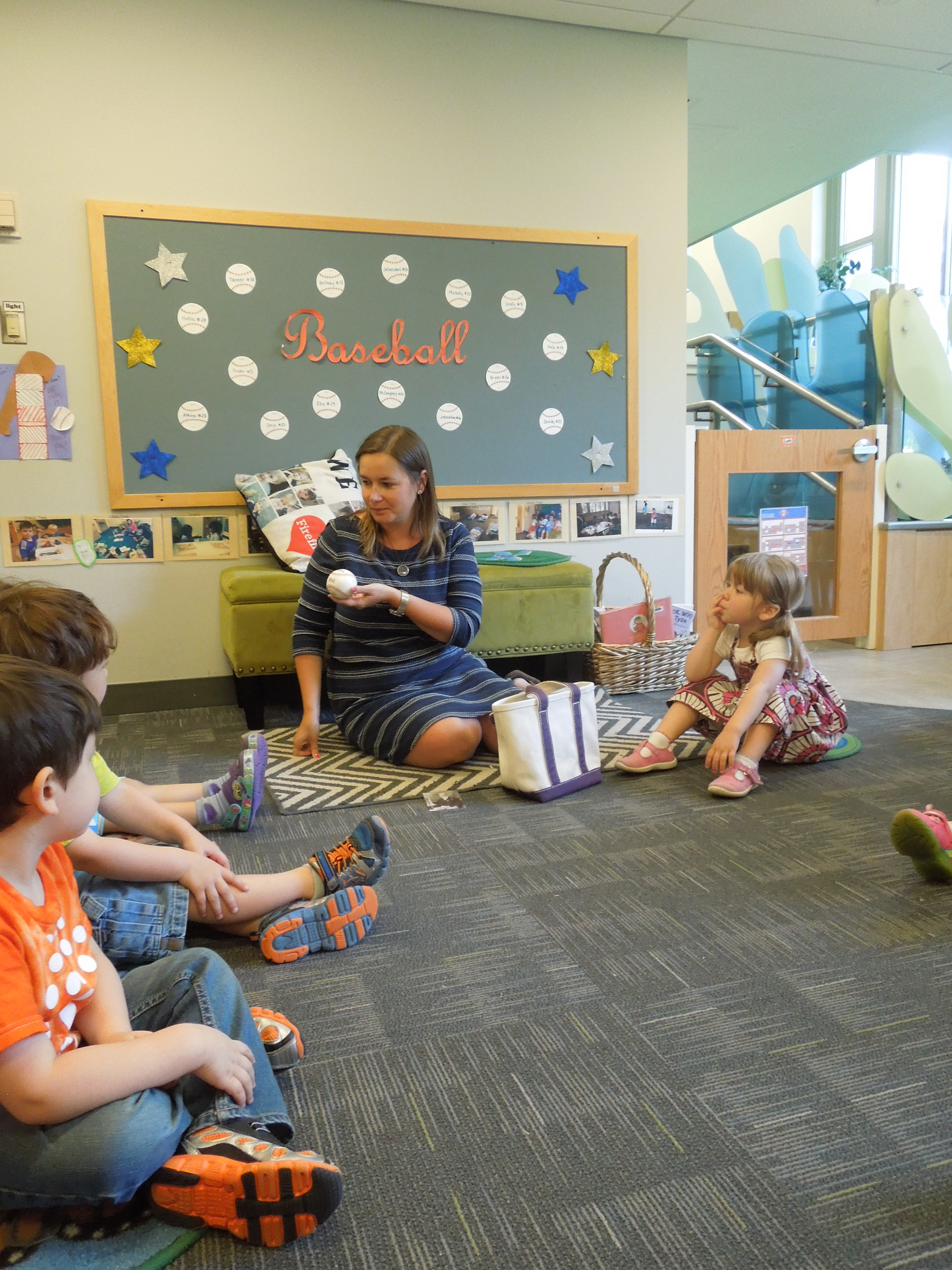
This week we are featuring Ashlee Smith. Her two year old classroom was learning about baseball and decided to spend the day learning about what’s inside the ball. Below you will find a reflection from Ashlee and images from her lesson on baseball.

Baseball_Cover

What were your topics of exploration?

The Fireflies have been exploring baseball all summer. During this week, we talked about the baseball itself. We explored what a baseball looks like from the inside out and how it is made. We talked about how all baseballs (MLB) have to be the same size and weight and that baseballs are still hand-stitched.

What were your learning objectives? (What did you want your children to take away from the lesson?)

I wanted the group to understand the materials used to make baseballs and provide them with the opportunity to explore textures of the materials found inside (yarn, string, and cork). I also wanted them to think critically about the shape and weight of the ball, exploring questions such as: “what other known objects are spheres?” and “why is the baseball the weight that it is?” Through the baseball lesson, I was also able to introduce the group to Alexander Cartwright (the proclaimed father of baseball).

What was most successful about your lesson?

I invited each child to help me create our own baseball with a cork, yarn and rubber. They really enjoyed the experience of using the materials to create a ball of our own.  We also ventured to the Hirshhorn Museum after circle time and they were happy to find the spheres that we just learned about!

What could you have done differently? What recommendations would you have for another teacher trying out this lesson?

The children in my class seemed to really enjoy exploring what makes up a baseball. If I could recommend something to another educator, it would be to have more materials to explore. I had materials for the kids to touch, but splitting into small groups with more materials may help them relate to the objects a little more!

Here are a few images from their unit on the baseball:

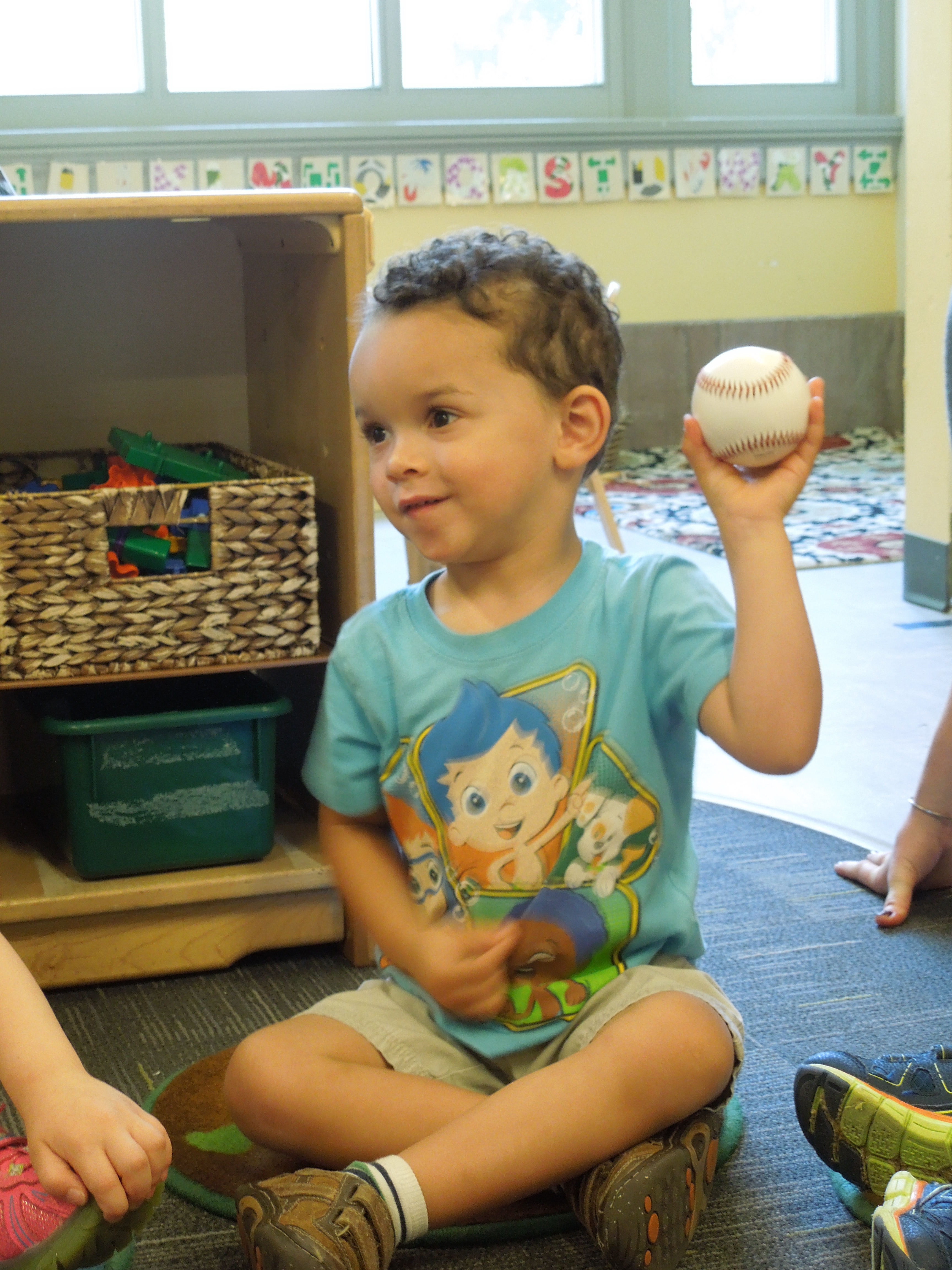
DSCN3343Ashlee began by asking the group to look closely at the ball and think about its characteristics. The group was able to describe the ball as round and Ashlee introduce the group to the term sphere. She then had the group try to guess what might be inside.

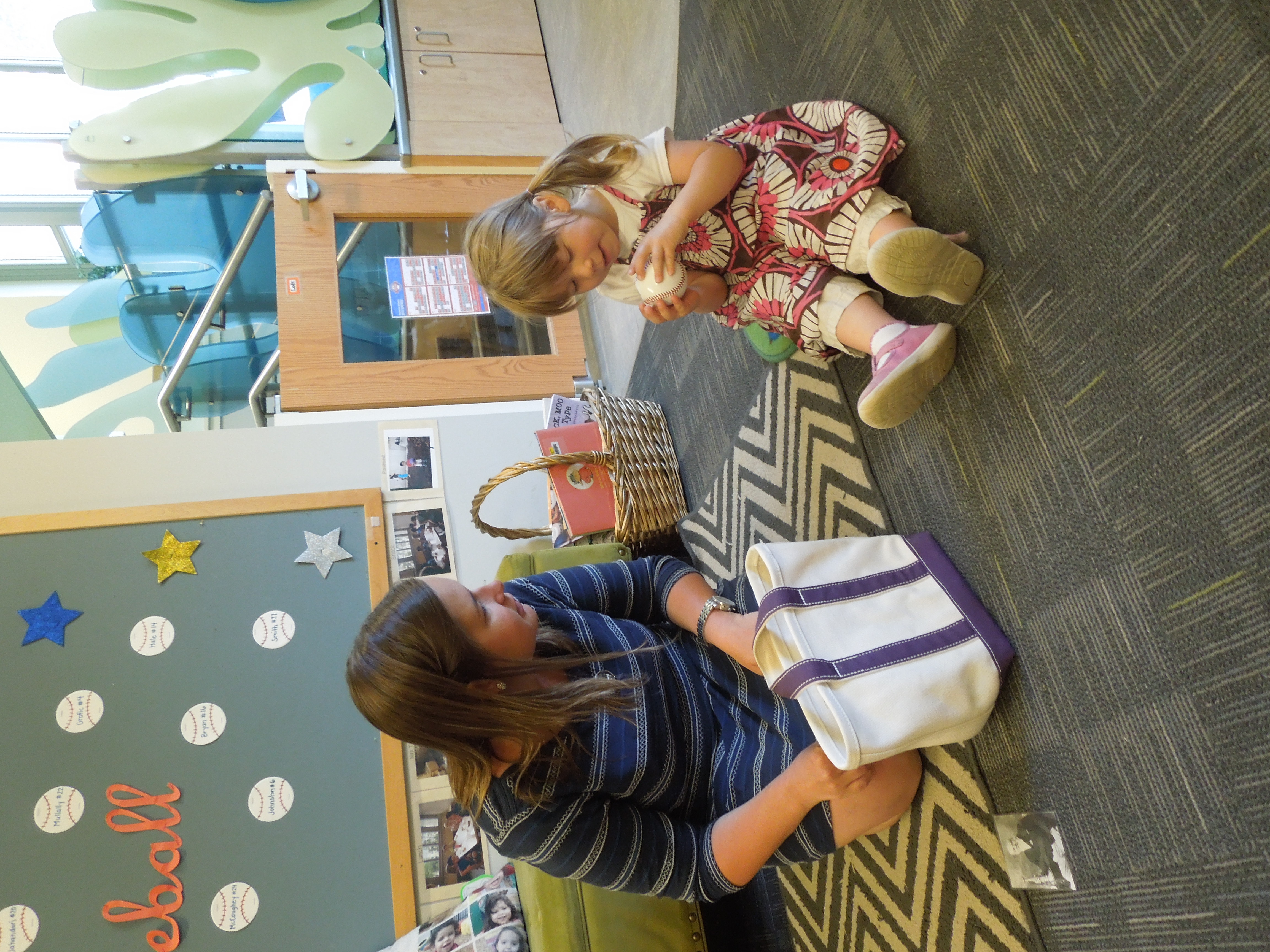
DSCN3357Each child had a chance to touch and explore the ball before making their predictions. One child exclaimed, “a tiny crocodile!” and another said, “a rock!”
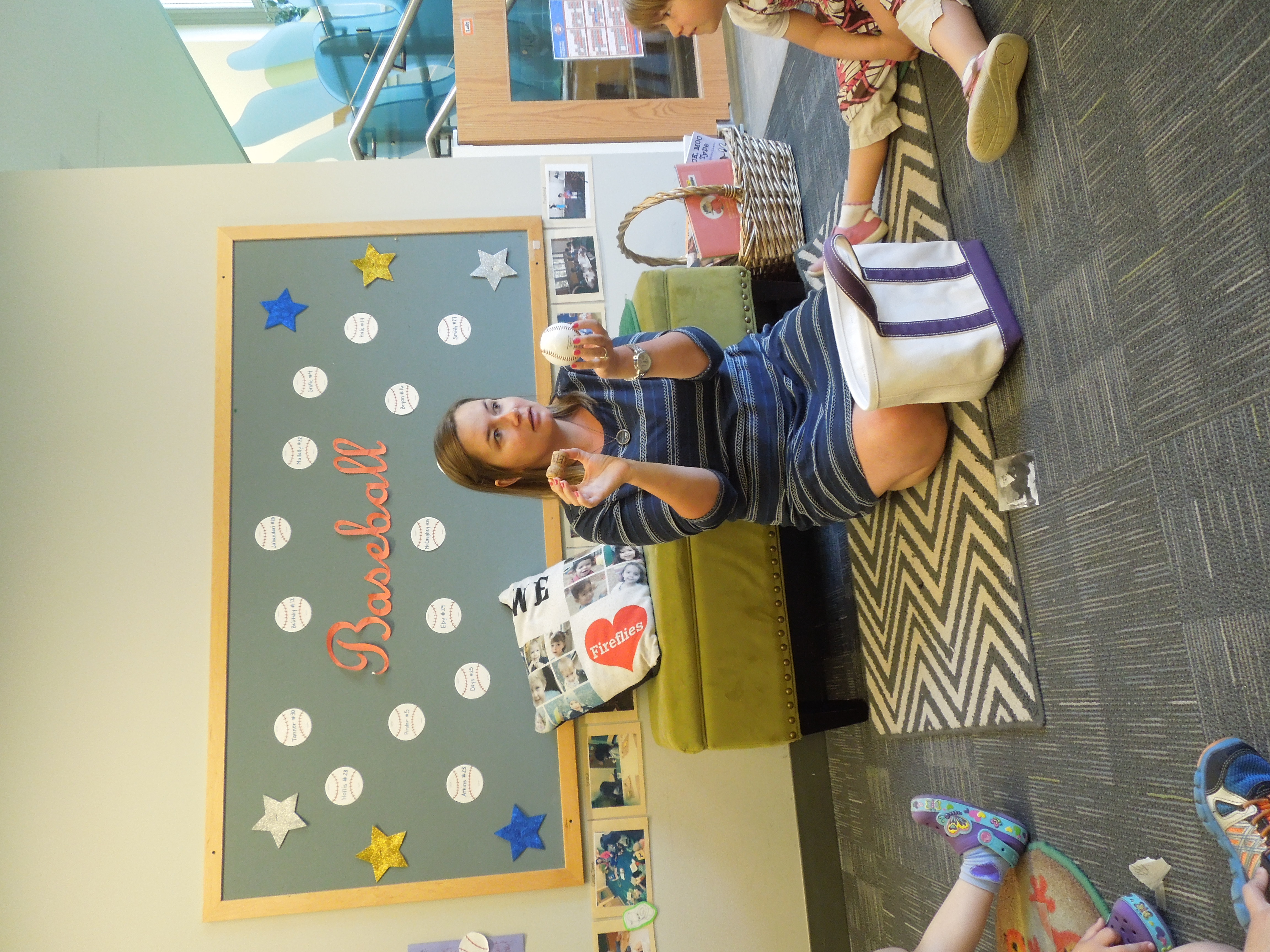
DSCN3365The class was very surprised to learn that baseballs have many different layers and at the very center is cork.
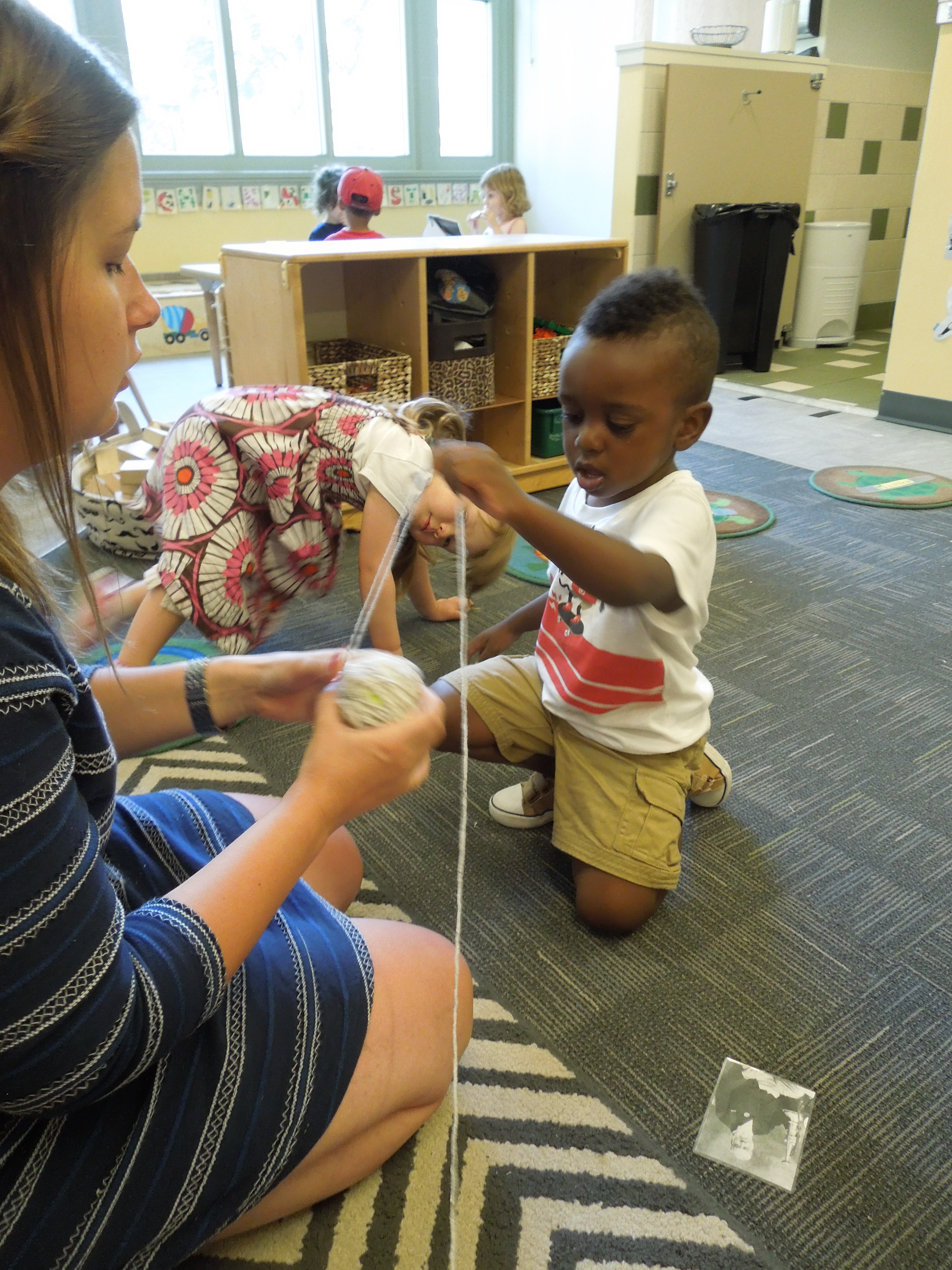
DSCN3378After explaining that the next layer of the baseball is rubber she then began demonstrating how the rubber is then wrapped in string and lastly covered in leather.
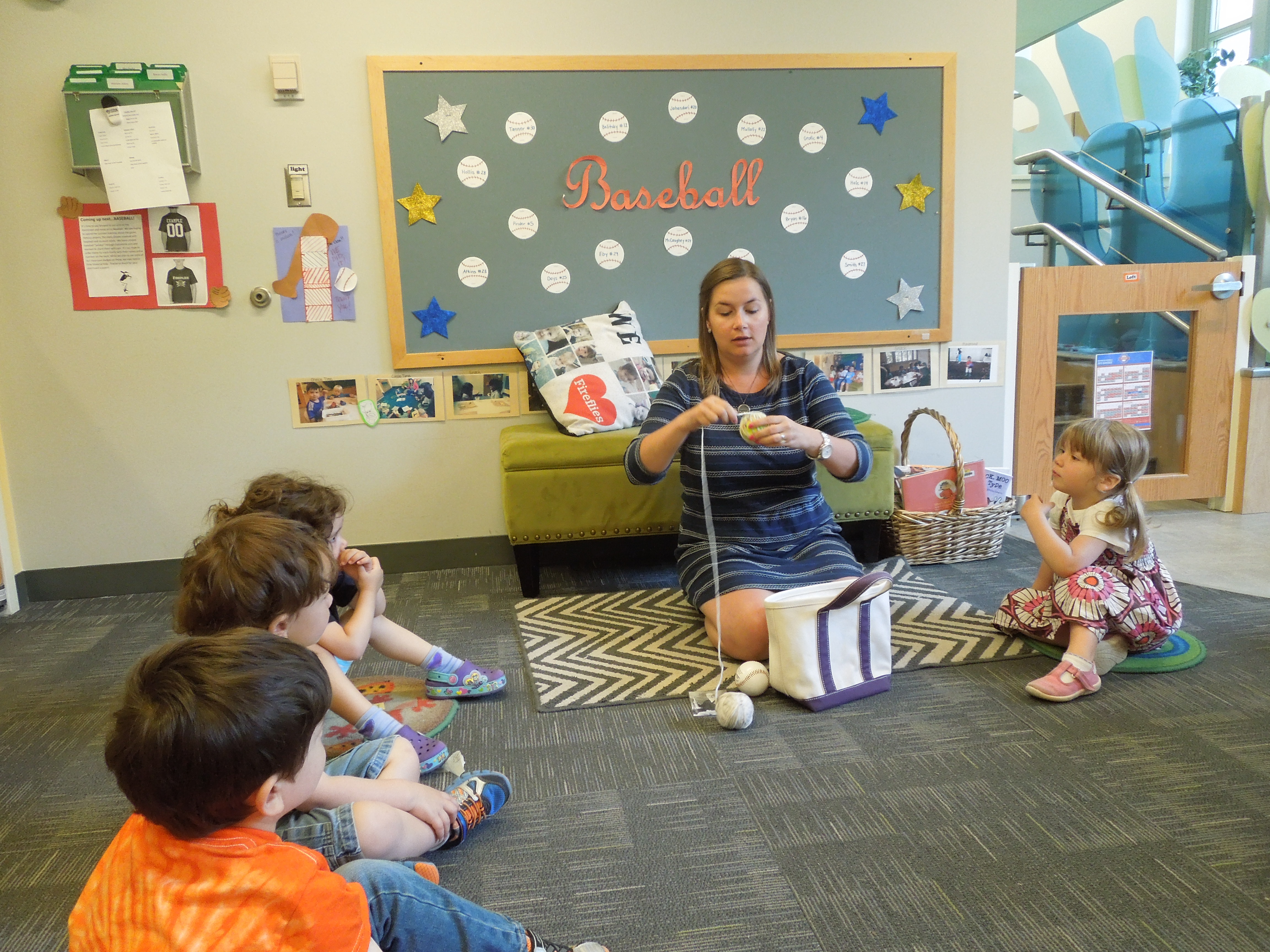
DSCN3396Ashlee then invited each child to take a turn wrapping the baseball in string.
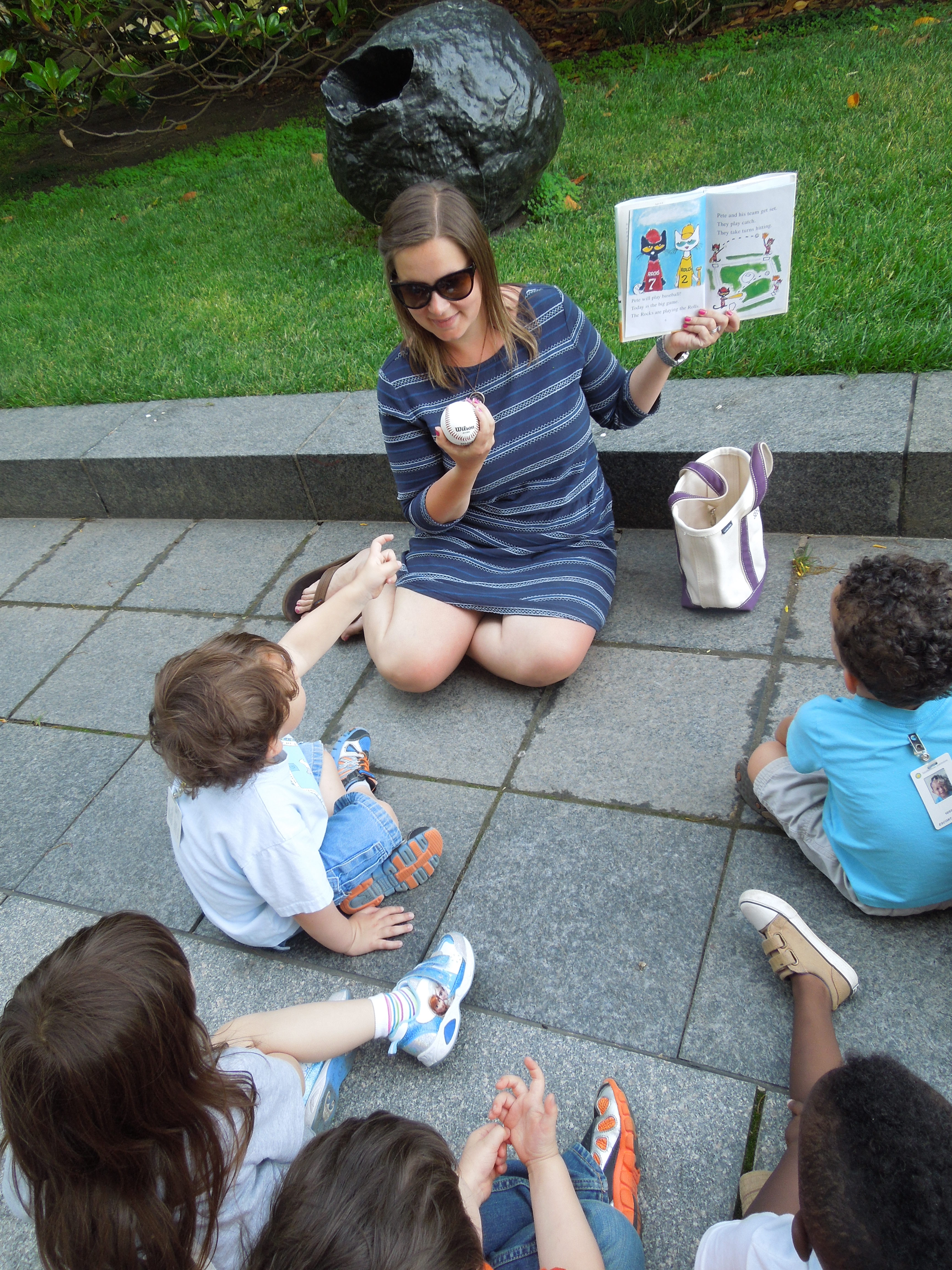
DSCN3420After a quick snack the class headed over to The Hirshhorn Museum and Sculpture Garden to see Spatial Concept Nature by Lucio Fontana. Ashlee began having the group compare the ball to the sculpture and reinforce the concept of a sphere. She then read the group Pete the Cat: Play Ball! by James Dean.
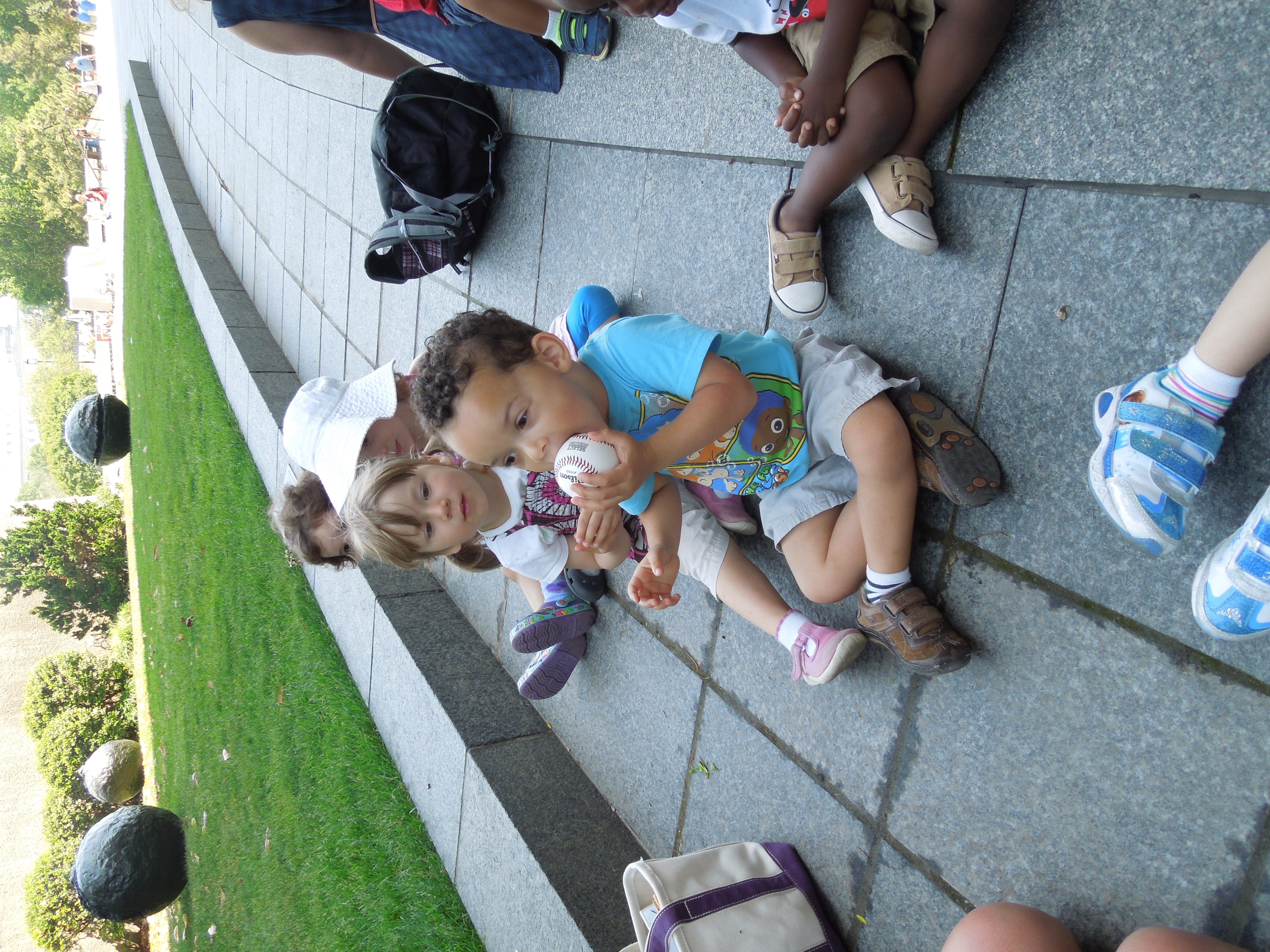
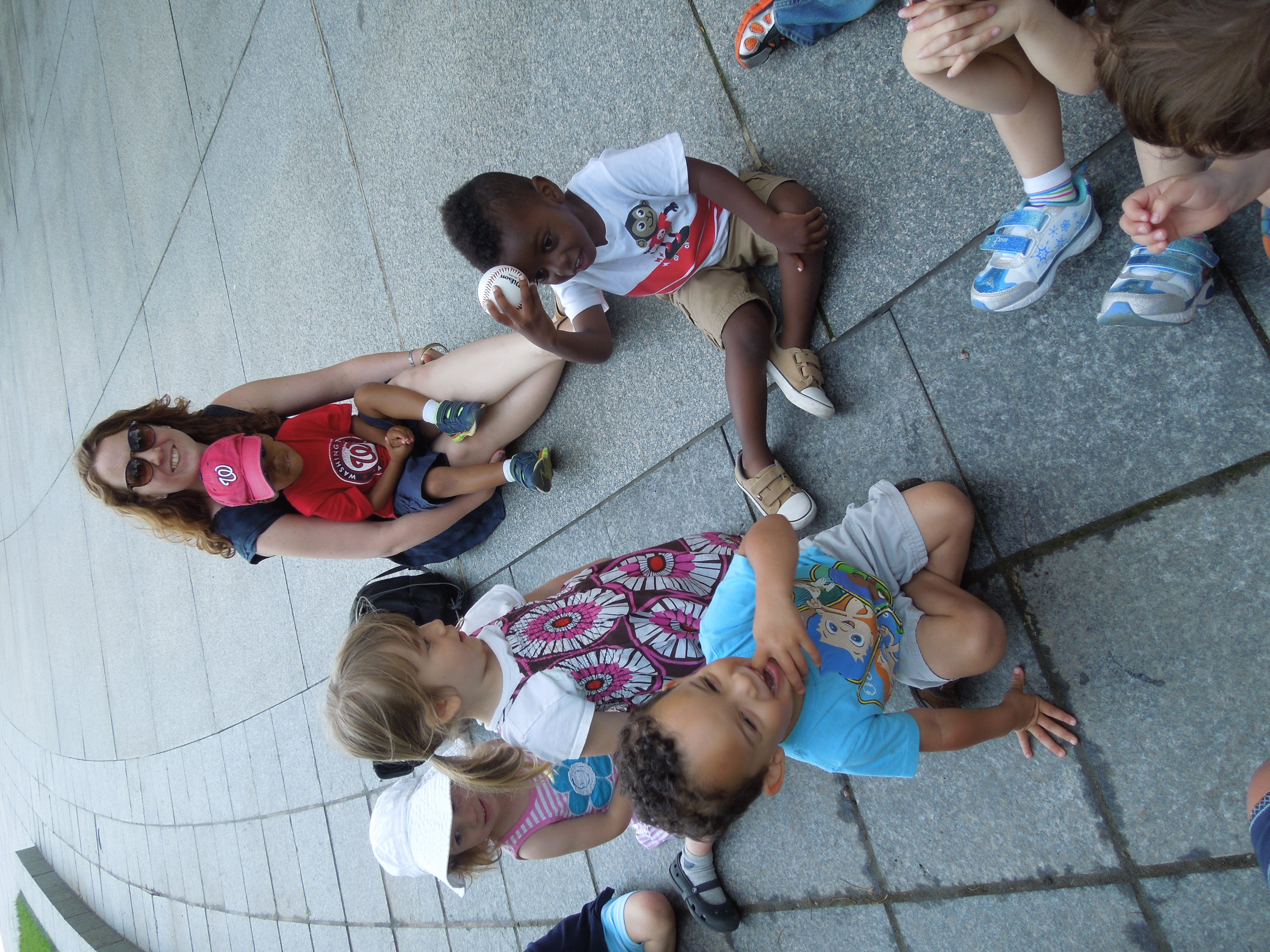
DSCN3427 DSCN3433Ashlee ended her lesson with a fun game that asked the children to use their imagination to pretend that the ball was something else. The game is called “This is What?” The child says “this is a ___” and the group responds with “a what?” You repeat this exchange three times and conclude with the group saying “ohhhh it’s ____.” The children had a fun time playing this game! One child claimed the ball was an apple and other made it a hat!

This class had a wonderful time learning about baseball! Be sure to check back for our Teacher Feature next week!

Teacher Feature: Infants Explore Nature

It’s Teacher Feature Thursday!

This week we are featuring Brittany Brown. Her older infant classroom decided to spend a day doing a survey exploration of nature. She wanted to introduce the group to the different aspects of nature to see what they were most interested in exploring. Below you will find a reflection from Brittany and images from her lesson on nature.

Nature_Cover

What were your topics of exploration?

We spent the day exploring nature and the environment around us.

What were your learning objectives? (What did you want your children to take away from the lesson?)

I wanted my students to have a better understanding of their environment. I noticed that the children were becoming increasingly interested in exploring the natural world they encounter every day and thought it would be an excellent topic for our group to focus on. I wanted the lesson to be as hands on as possible, and to teach them that it’s okay to interact with the different things you find (bugs, dirt, flowers, trees, grass). I tried to focus on nature in a more broad terms to start because I wanted to see which aspects in particular caught their interest. We could then move to doing a more in depth study on those topics later in the week.

What was most successful about your lesson?

I believe the most successful parts of our lesson were the hands- on materials I brought along to the museum visit. The great thing about exploring nature in the Natural History Museum is that we are able to provide the children with multiple touch points. In addition to the books and objects I brought into the gallery space, we were also able to observe real insects as well as view amazing nature photography. Seeing the children’s reaction to the variety of insects, objects, and images gave me a clear picture of their interest and provided inspiration for future lesson plans.

What could you have done differently? What recommendations would you have for another teacher trying out this lesson?

I decided to spend the entire week exploring nature. While I valued the general exploration of the topic, I think ultimately, it would have been better to break down the topic, maybe focusing on just trees, flowers, or insects. I believe the focused study would have given them a greater understanding of specific topics. Also, I would recommend using as many sensory based activities and books as possible when developing a lesson. I believe the combination really helps children better understand what’s being taught.

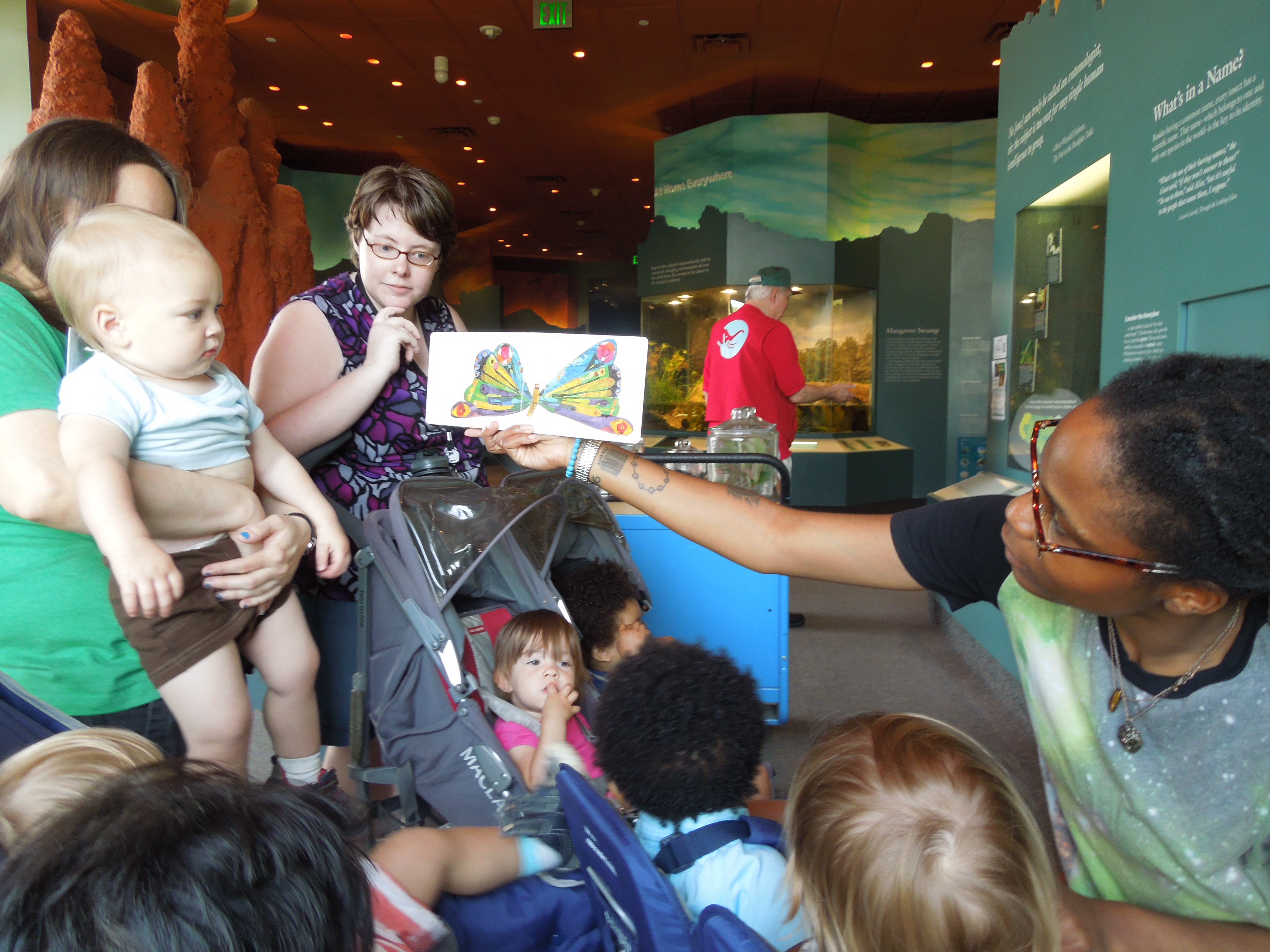
Here are a few images from their unit on nature:DSCN3140Brittany began by taking her group up to the Insect Hall at The National Museum of Natural History. On many mornings there is an interpreter in the gallery with different insects for the children to meet.  

DSCN3148
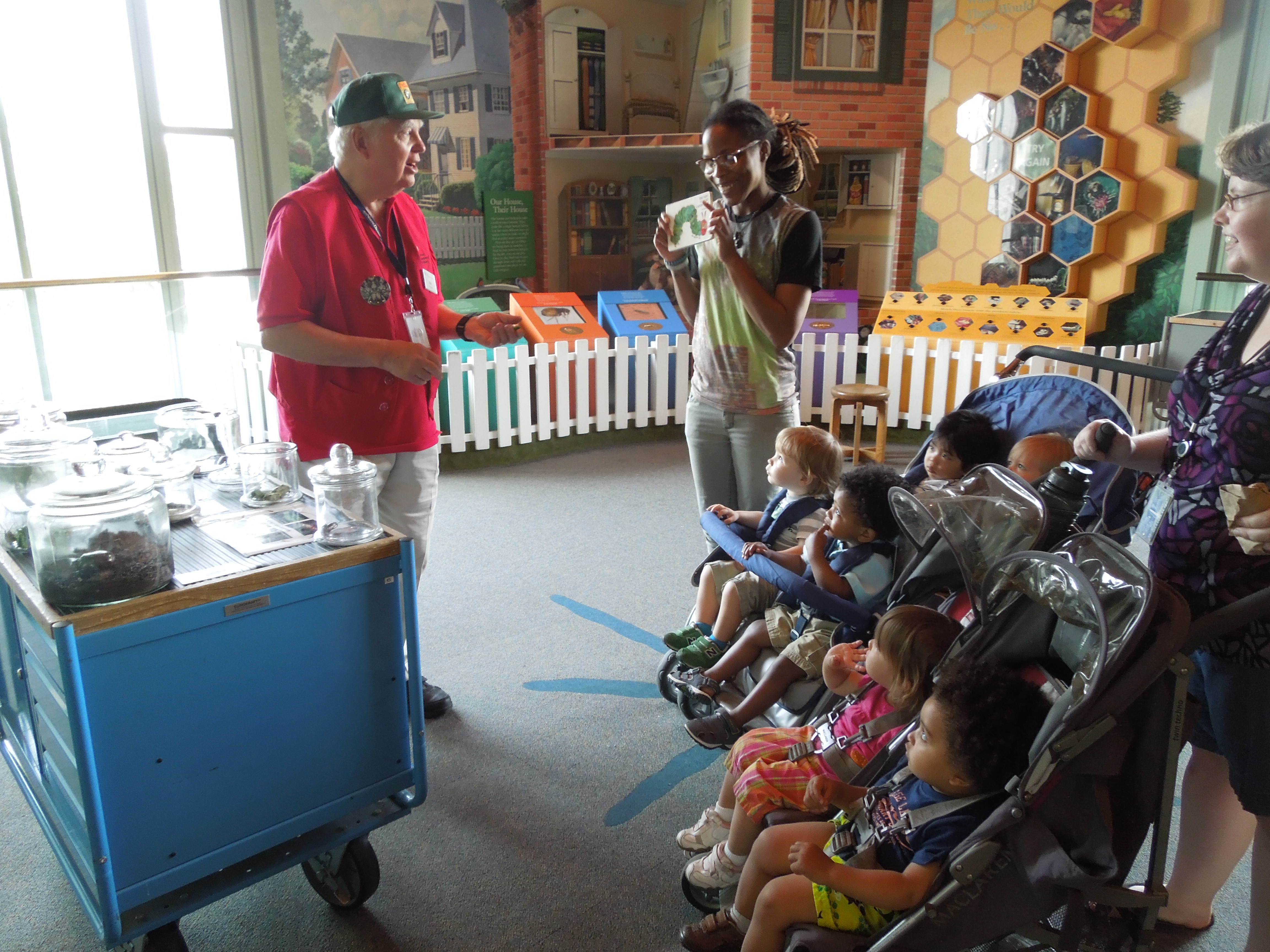
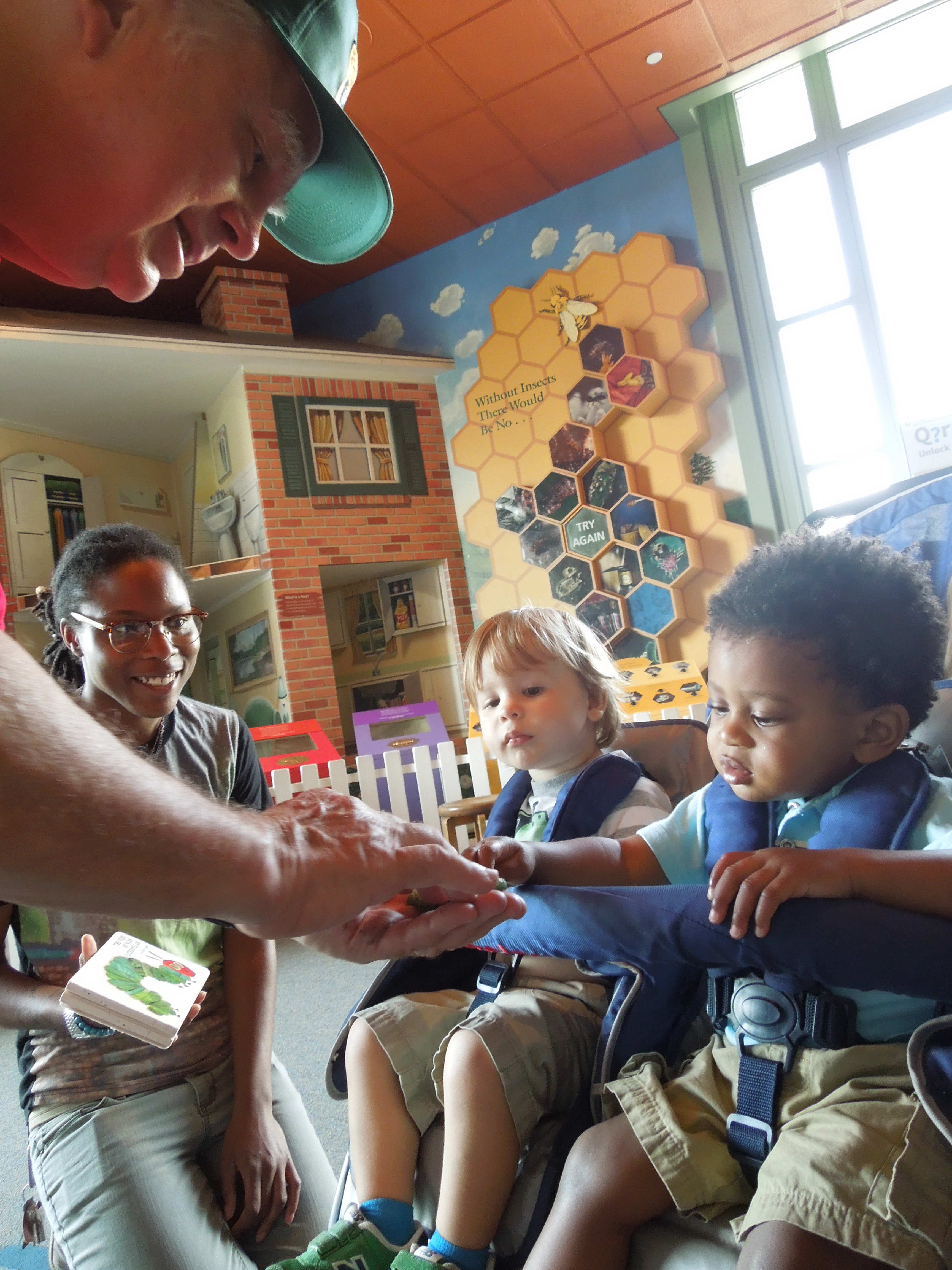
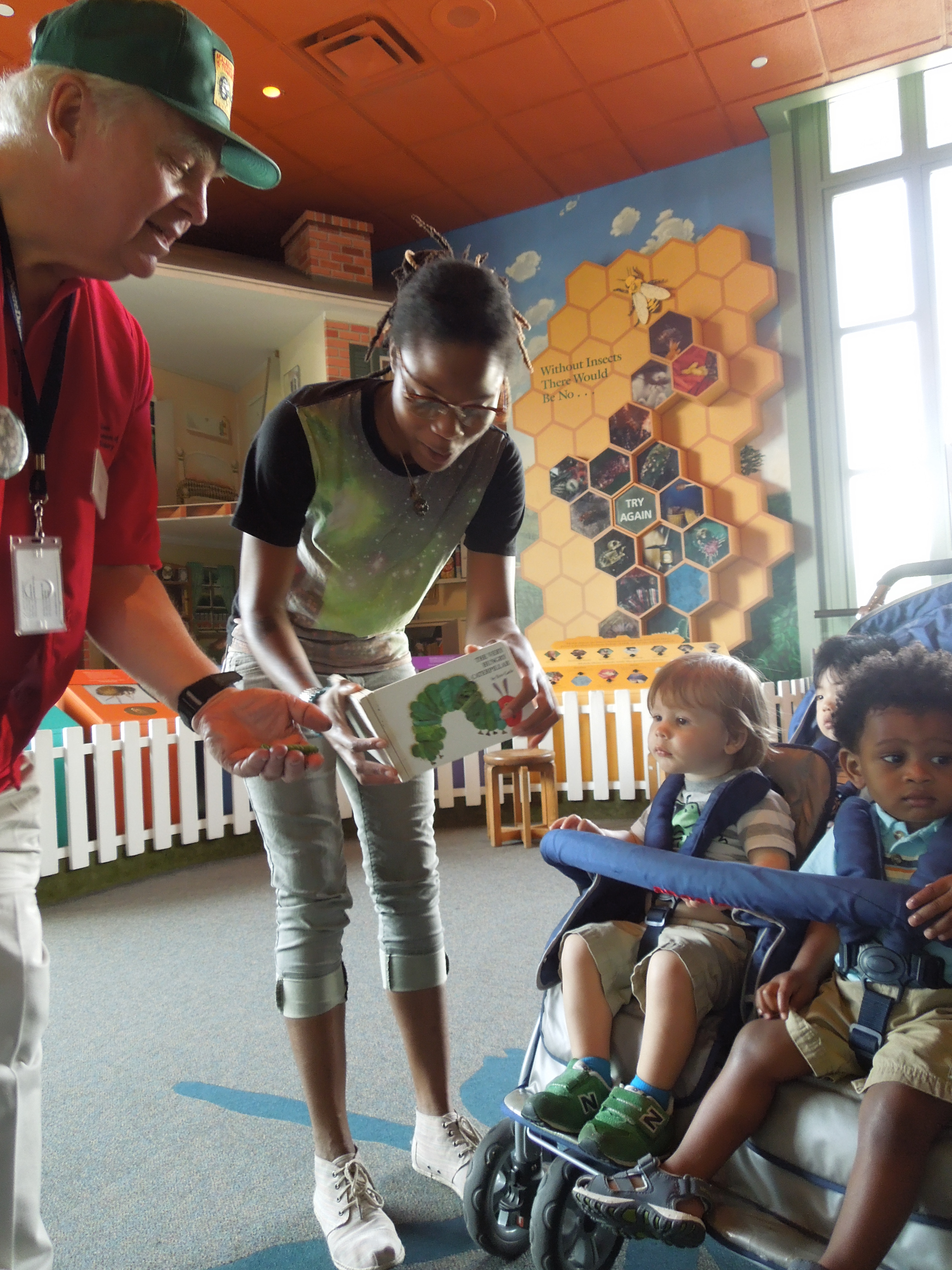
The children got to meet a live caterpillar and compare it to the Eric Carle’s The Very Hungry Caterpillar. The group practiced using gentle hands and loved exploring the texture of the caterpillar.

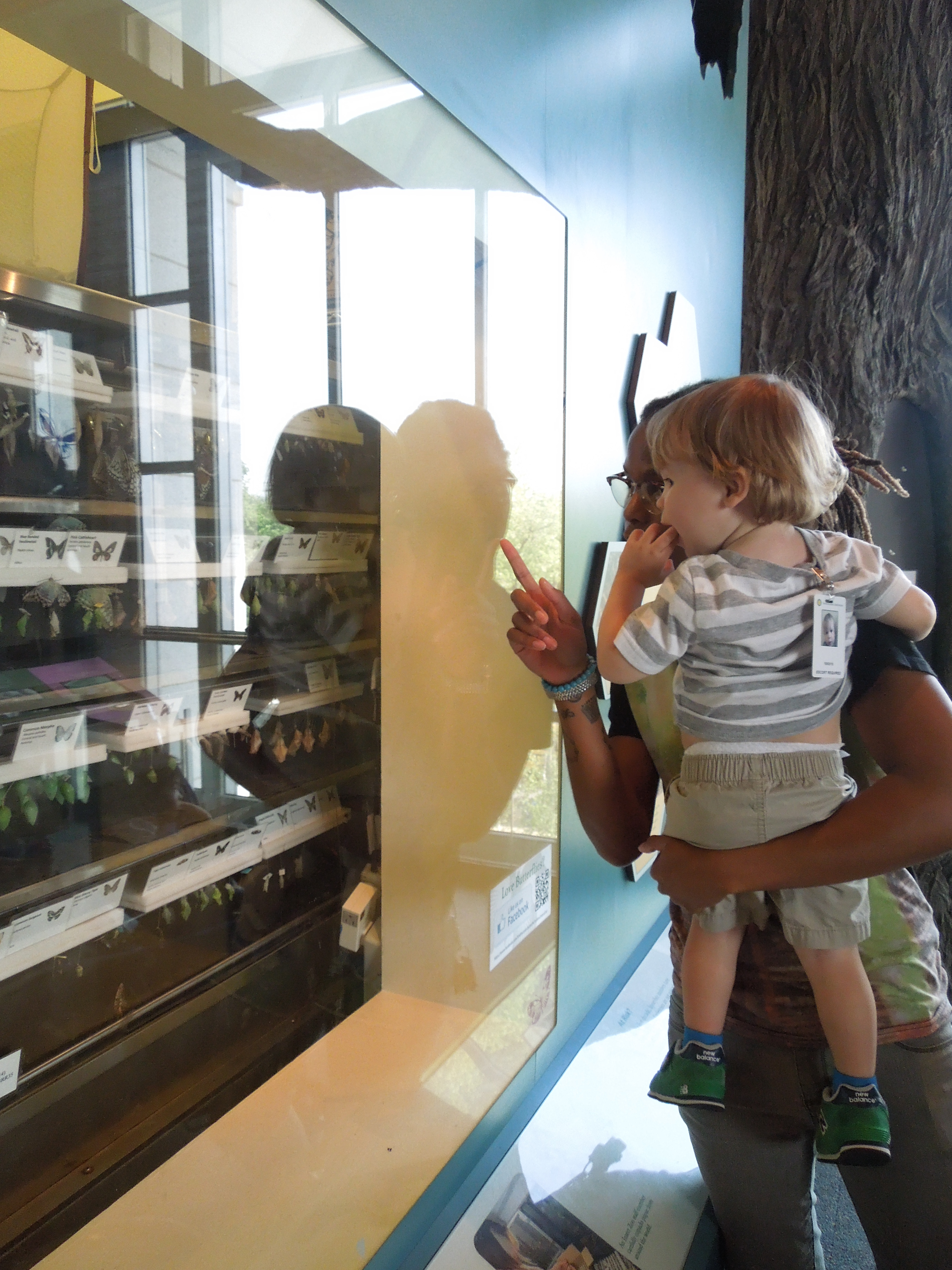
DSCN3157Brittany then had the group observe the display of chrysalis and butterflies. She explained that the caterpillar they just saw would eventually become a chrysalis and then a butterfly.


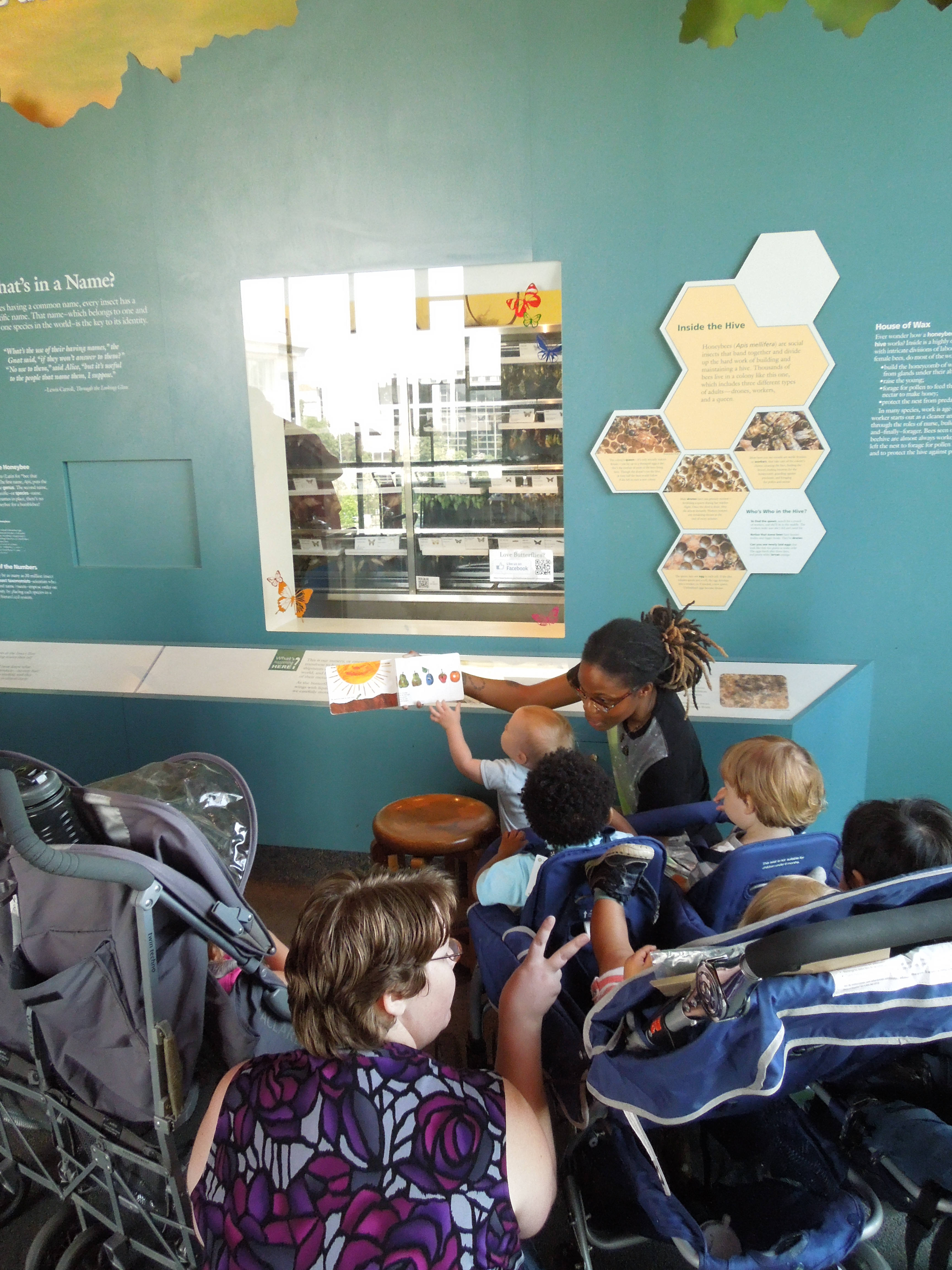
DSCN3164 DSCN3176To reinforce the information she was sharing with the group, Brittany read The Very Hungry Caterpillar. She was sure to point to the corresponding exhibits as she read.


DSCN3186
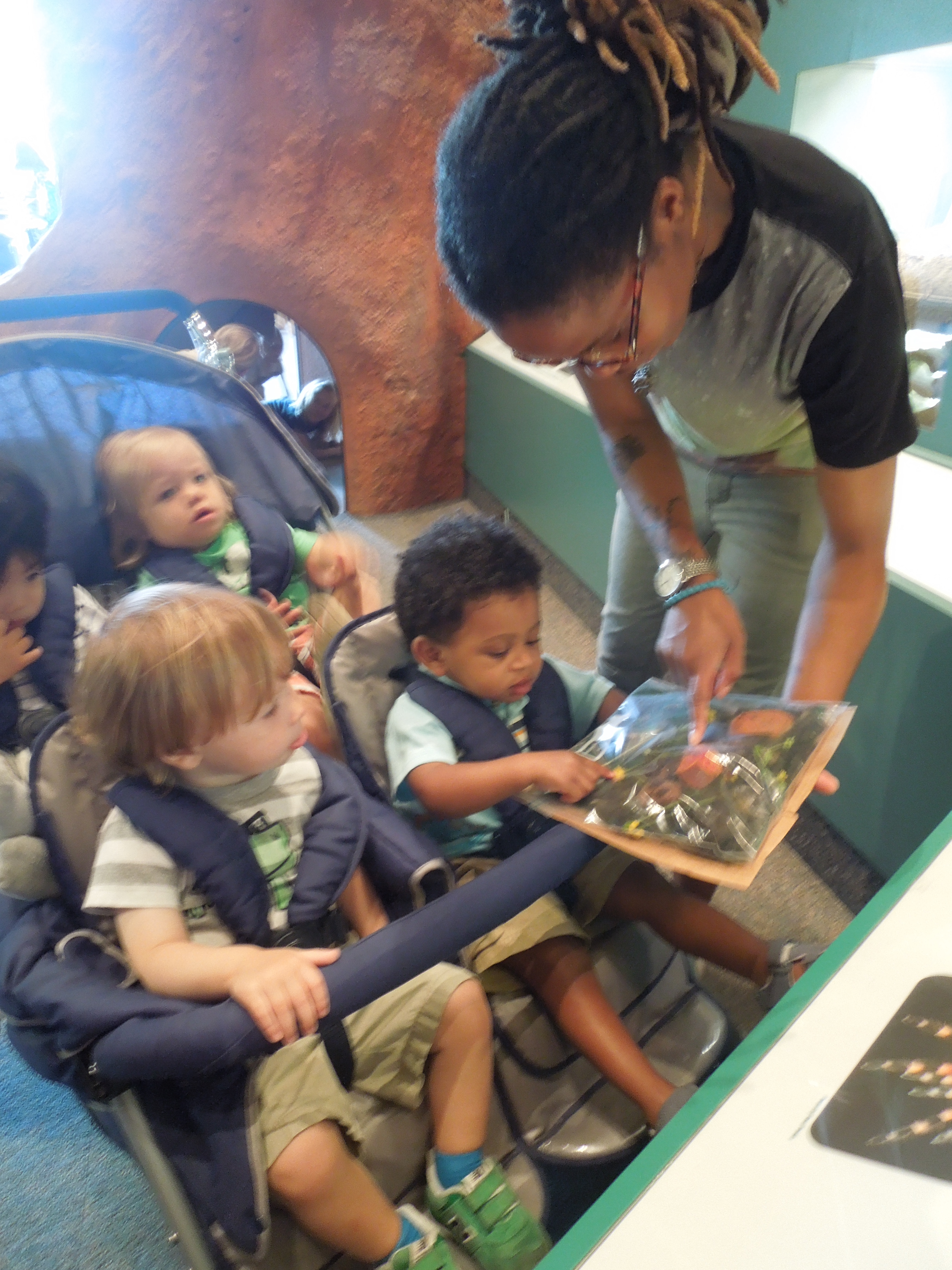
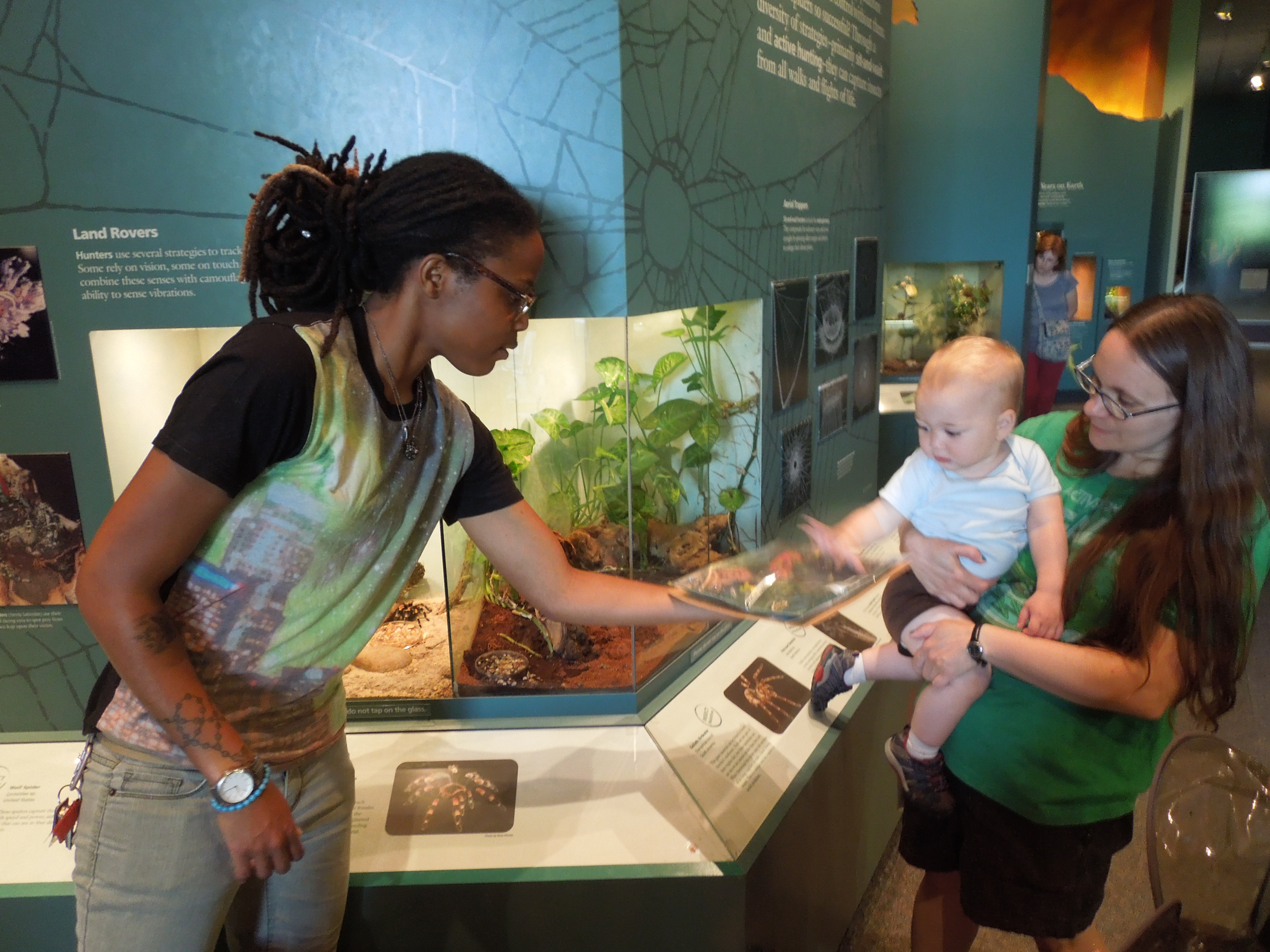
DSCN3197Brittany then led the group around the gallery to look at the other insects. She brought along a sensory bag full of dirt, small insects, and foliage for the children to touch in the exhibit.


DSCN3206
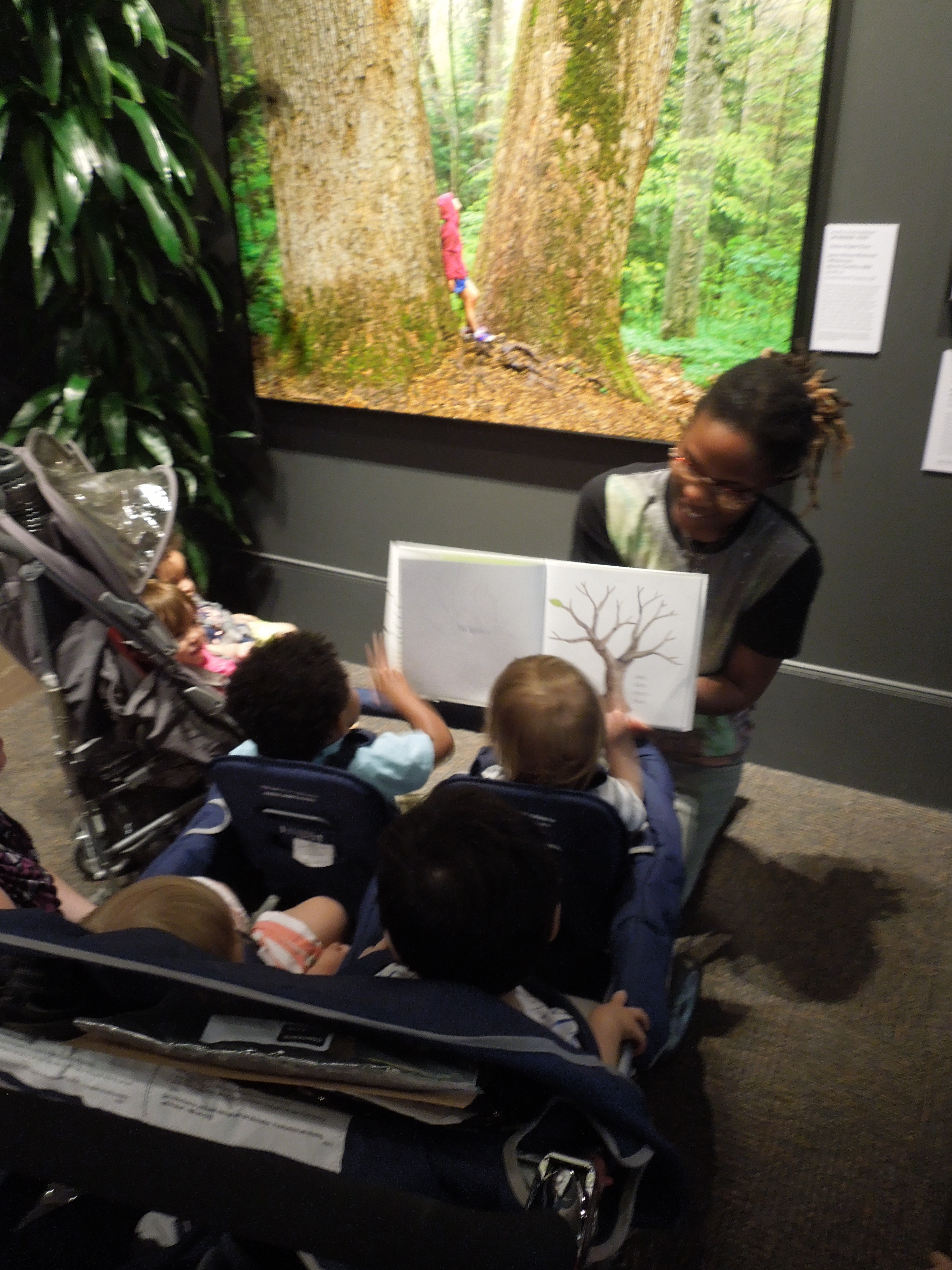
The group went up to see the Wilderness Forever: 50 Years of Protecting America’s Wild Places photography exhibit. The class had fallen in love with the book Tap the Magic Tree by Christie Matheson so Brittany read the book in front of one of the photographs in the exhibit.

DSCN3230The last stop was to the edge of the Butterfly Garden (located outside of the Natural History Museum) to interact with plants and insects in their natural environment. Brittany encouraged the group to feel the textures and smell the different plants.

This class had a wonderful time learning about nature! Be sure to check back for our Teacher Feature next week!

Teacher Feature: Toddler Class Explores The Moon

It’s Teacher Feature Thursday!

This week we are featuring Melinda Bernsdorf. Her toddler classroom was learning about opposites and decided to spend a week learning about the sun and the moon. Below you will find a reflection from Melinda and images from her lesson on the moon.

TeacherFeatureTemplate

What were your topics of exploration?

In our classroom, we have been talking about opposites. This week, we looked at day and night, something very familiar to the kids, and discussed the differences between these two concepts. We talked about the noticeable differences in the level of light, and the different objects we see in the sky during day and night. We started in the atrium of the National Museum of the American Indian. There is a large skylight that has metal work resembling a sun which lets sunlight shine into the space. There is also a set of prisms, and as the outside light shines through, rainbows move across the walls. We then looked at the amazing star scape on the ceiling of Our Universes in the National Museum of the American Indian. To focus our attention, we brought “telescopes” we made earlier in the week, and found shapes in the stars. To deepen our discussion on the moon, we talked about the texture of the surface, and each child was able to imprint their own Styrofoam moon with finger shaped craters. We also talked about how our actions are different in the day and night. There was lots of discussion about sleep and play.

What were your learning objectives? (What did you want your children to take away from the lesson?)

Exploring opposites is always a great way to involve our kids in scientific discovery and early math skills. I want the kids to become more familiar with the vocabulary on these subjects. We compare and contrast, and talk about observation and investigation. In this lesson, I wanted to bring the attention of the children to a more complex conversation about an everyday experience. I also wanted them to have a great immersive experience, reading about the sun and brightness in the atrium where they could see it shining through the prisms, casting rainbows on the walls, as well as talking about the moon and stars while sitting with “telescopes” under a night sky.

What was most successful about your lesson?

The kids really enjoyed the telescopes. They recognized their work from earlier in the week and felt a sense of ownership and pride as their art project became a tool. They focused on the stars and moon longer when using the telescopes, and having a tactile object that related to the lesson helped lengthen their attention span.

What could you have done differently? What recommendations would you have for another teacher trying out this lesson?

Trying to extend our lesson with the Styrofoam moon would have worked better in the classroom. I was hoping for an art activity that would lend itself well to the museum environment, however I ended up asking toddlers to sit for too long. Between the time in the atrium and then the time under the stars, we became a bit antsy. When I attempt this lesson again, I think we might talk a little more about the moon and its surface on a different day. I would also like to expand this project by having the kids paint the newly-cratered surfaces of their Styrofoam moons with a mud or clay based liquid, and decorate the other side of the Styrofoam with orange and yellow tissue paper. This will give them a tactile object that represents both the moon and the sun. Like the telescopes, these could be made ahead, and brought with us to the museum to bring both aspects of the lesson together.

Here are a few images from their unit on opposites:

DSCN3274Melinda took the group straight to the National Museum of the American Indian for their lesson. When they first pulled into the museum she had the group stop and observe the light coming from the ceiling portal.
DSCN3277Melinda then showed the group an image of the sun and asked them to compare it to the light that was coming out of the portal. They talked about the shape and the amount of light they could see.
DSCN3282Melinda gave each child the chance to look closely at the image.
DSCN3284She also referenced a book they had read earlier in the week about the sun.

DSCN3300They then headed up to the Our Universes exhibit. The ceiling of the exhibit has a moon and is covered in stars. Melinda passed out telescopes that the children had made to help them look closely at the night sky. While the children were looking, Melinda read them Moon Game by Frank Asch.
DSCN3298The group loved looking closely at the book through their telescopes. 

DSCN3317Melinda then shared with the group an image of the moon and styrafoam circle. She talked about how the moon is covered in craters and that they were going to use their fingers to squish the foam and make their own craters.
DSCN3313They enjoyed the sensation of the foam squish beneath their fingers.
DSCN3324One little girl especially liked comparing her circle to the moon.
DSCN3329Melinda also had the group look at the House Post from the Dís hít (Moonhouse) of the Kwac’kwan Clan. She pointed out the circle shape and how the carved image on each post could reflect the different phases of the moon.

DSCN3335 DSCN3337They took one final look at the sun coming through the portal and compared the two images of the sun and moon before heading back to the classroom.

This class had a wonderful time learning about opposites! Be sure to check back for our Teacher Feature next week!

Teacher Feature: Infant Classroom Explores Flowers

It’s Teacher Feature Thursday!

This week we are featuring Noel Ulmer, Nessa Moghadam, and Katy Martins. Inspired by the spring weather and blooms, their infant class decided to paint with flowers.  Below you will find images from their painting experiences with flowers.

Flowers_Cover


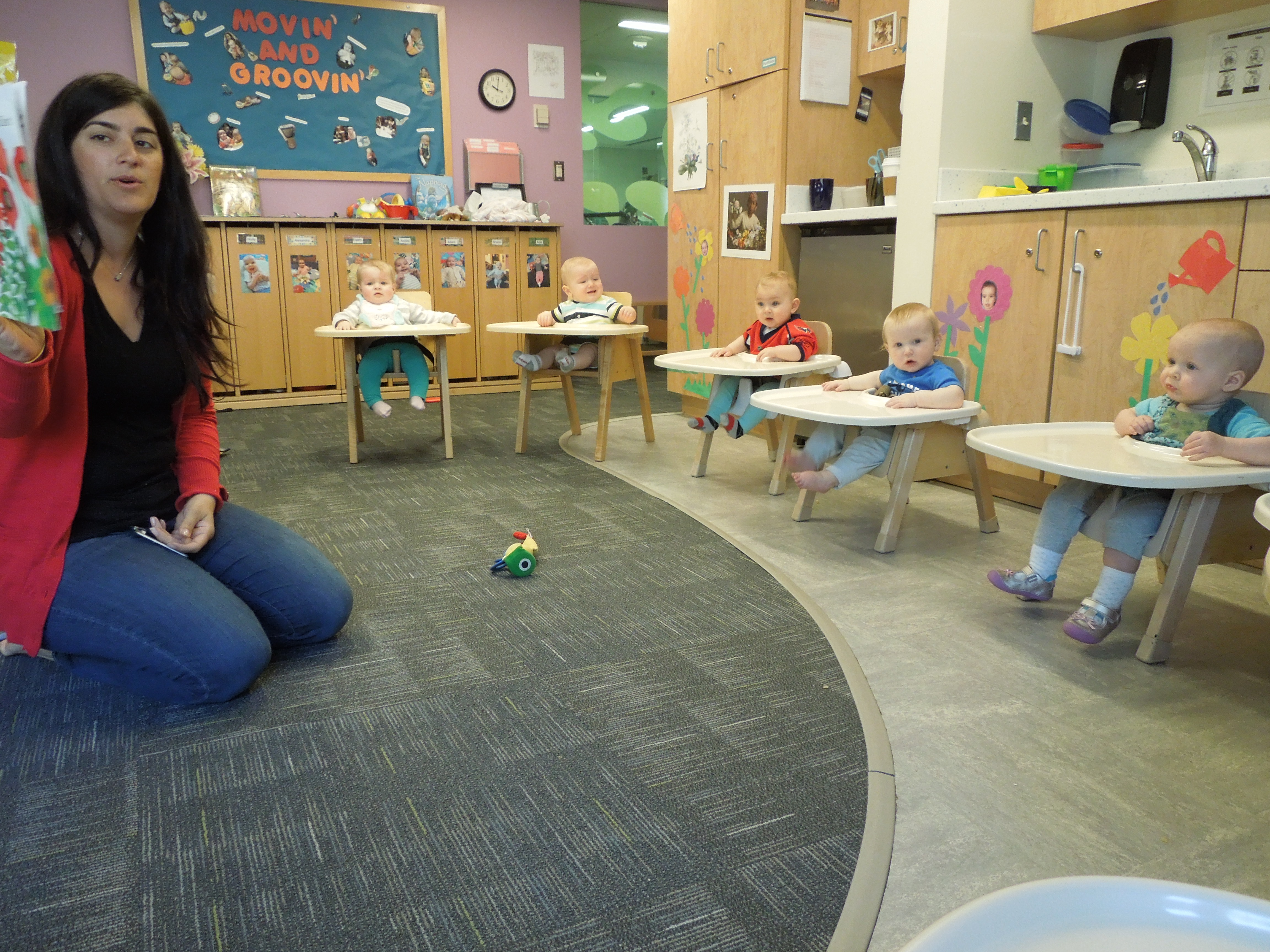
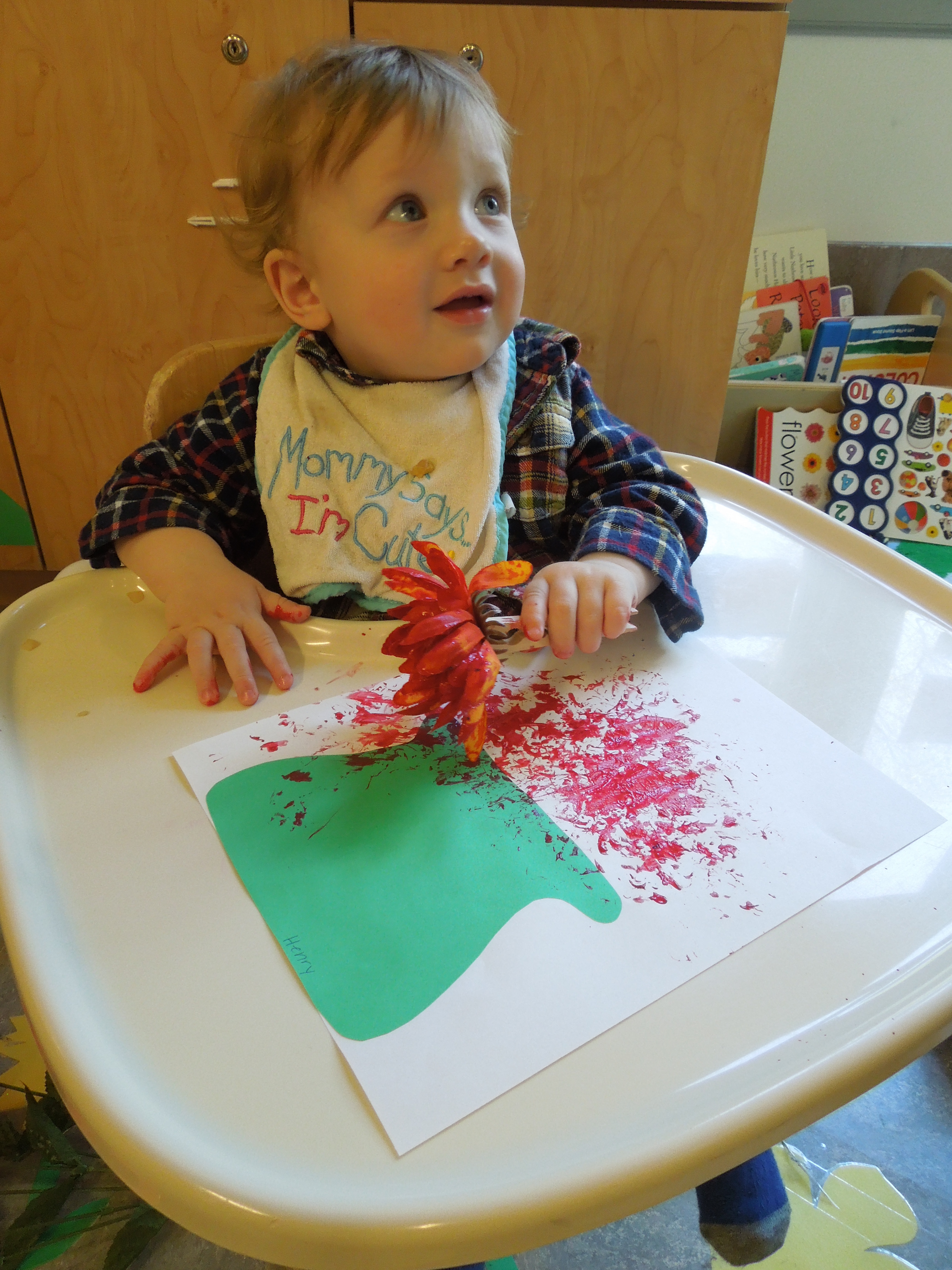
Here are a few images from their unit on the flowers:DSCN2973Nessa began the lesson by reading Planting a Rainbow by Lois Ehlert. The team had the children sit in high chairs so they could have a nice flat and accessible surface to do their painting.

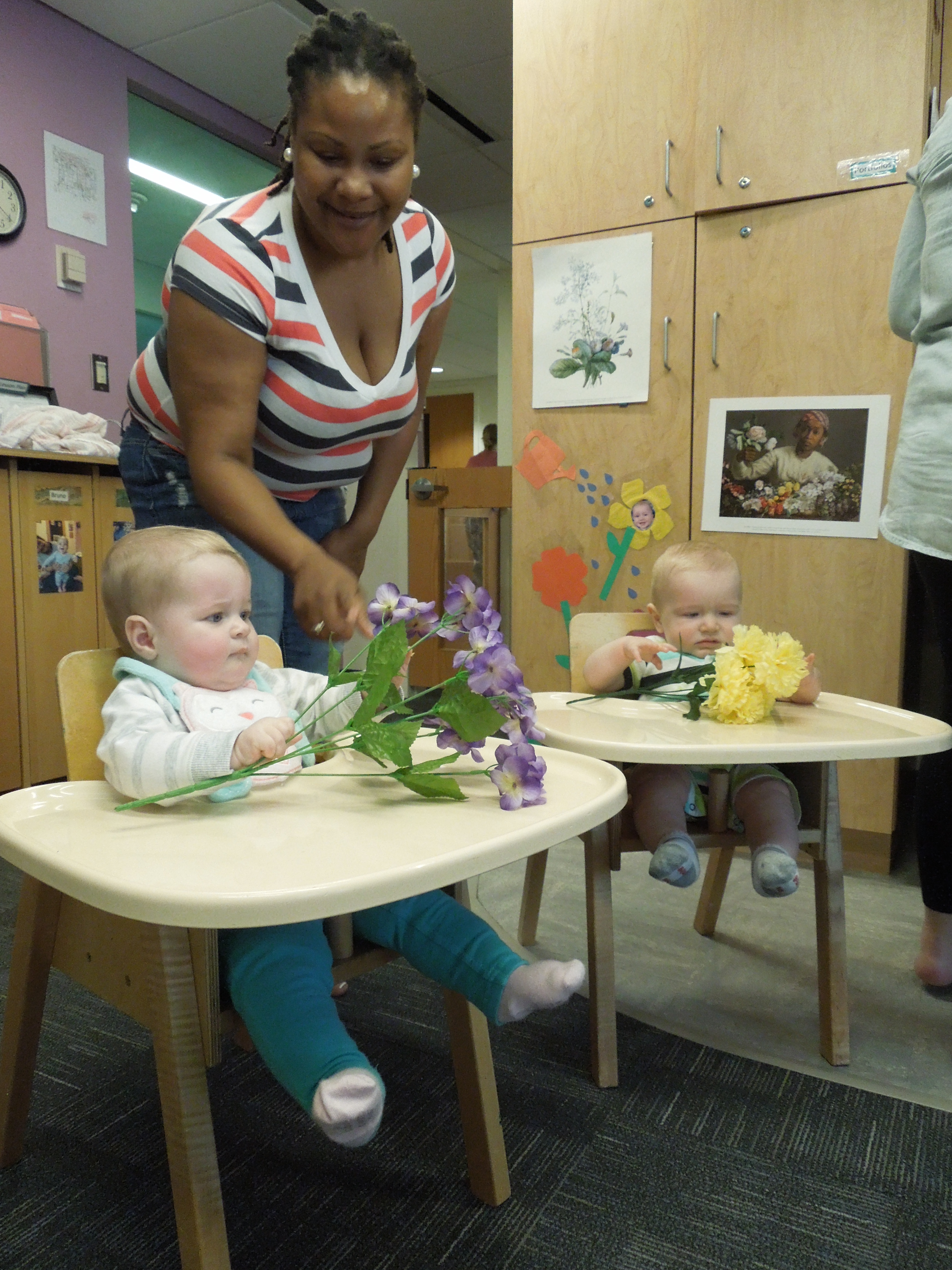
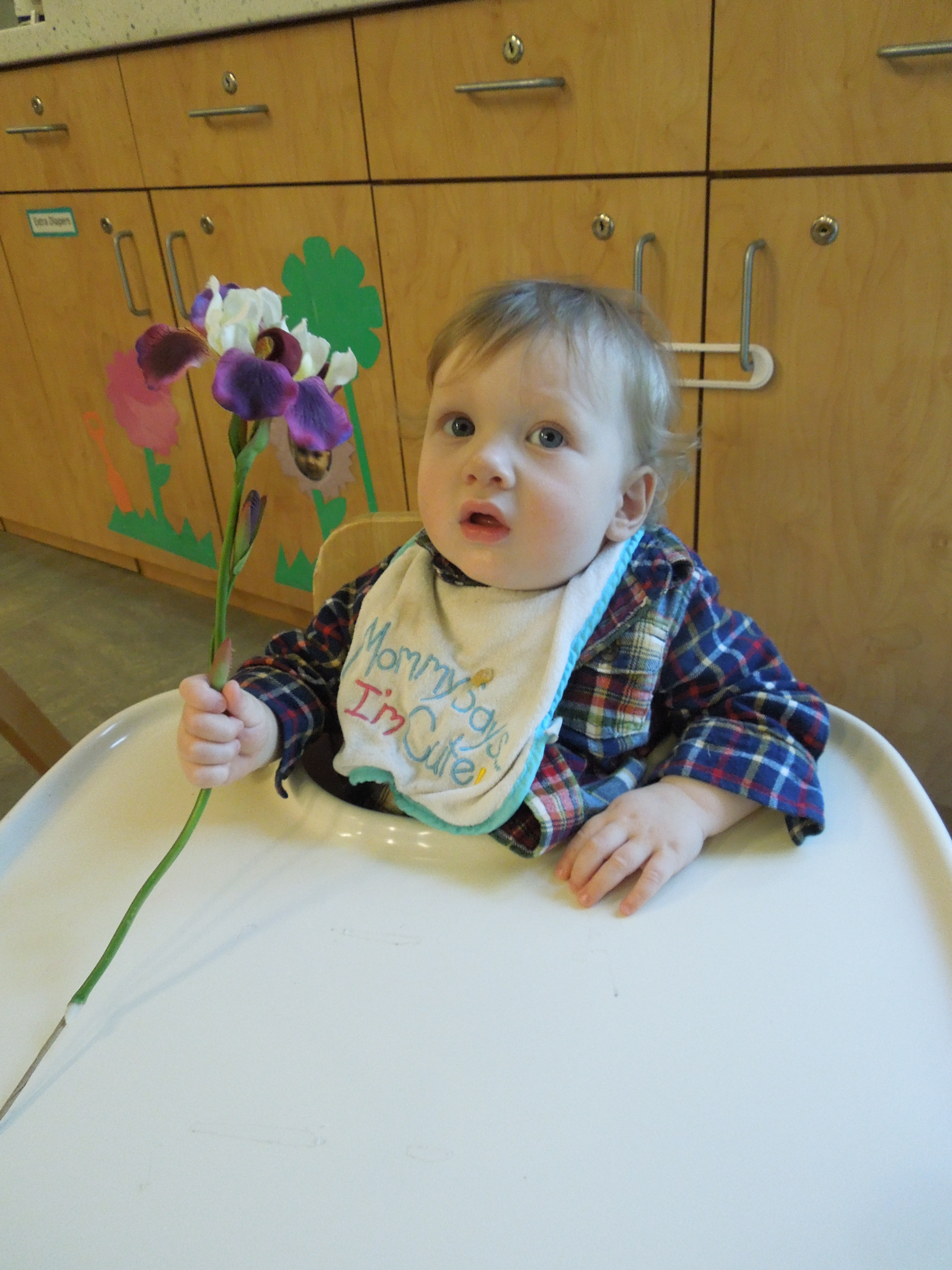
DSCN2977The children were first provided with silk flowers to touch and explore.

DSCN3003The children used all their senses!

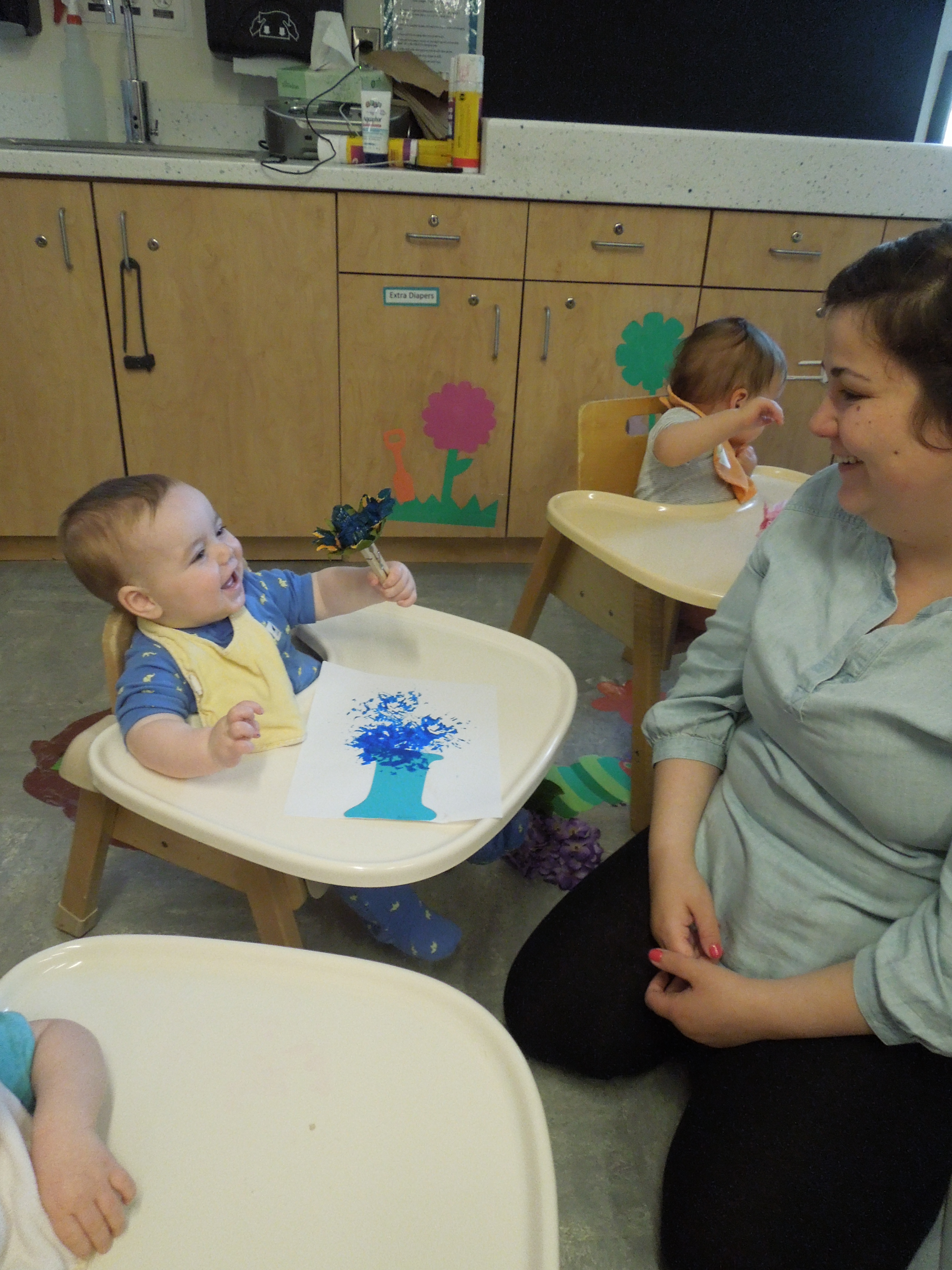
DSCN2999Then it was time to try out painting with the flowers.  The teachers had pre-made sheets with a vase for the children to add their flower prints.

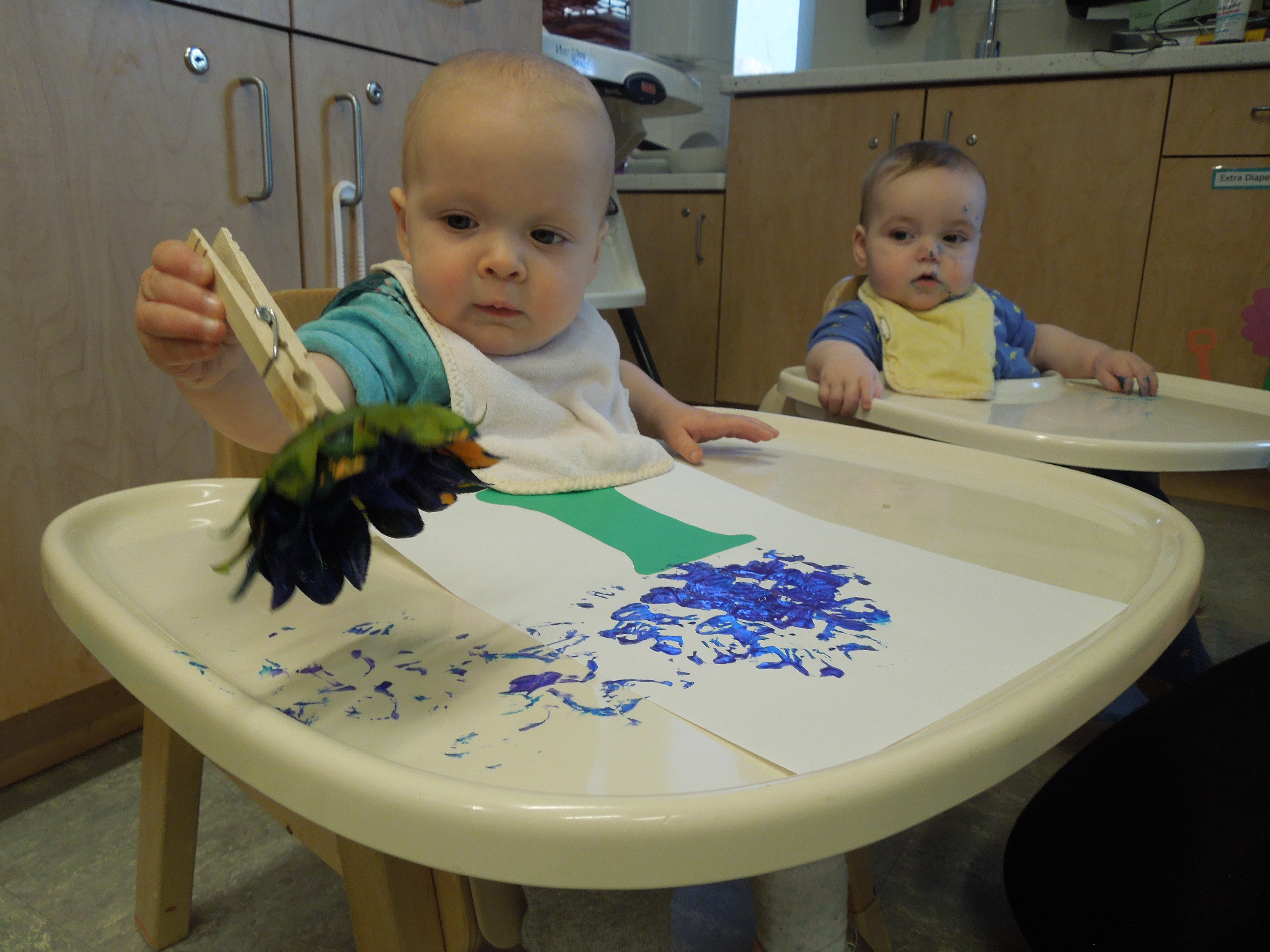
DSCN3008The teachers added a clothes pin to the shortened stem of the silk flower so they would be able to get a better grip. This was great activity for them to work on their fine motor skills. In addition, the babies began to notice that the painted blossom leaves marks where ever it lands.

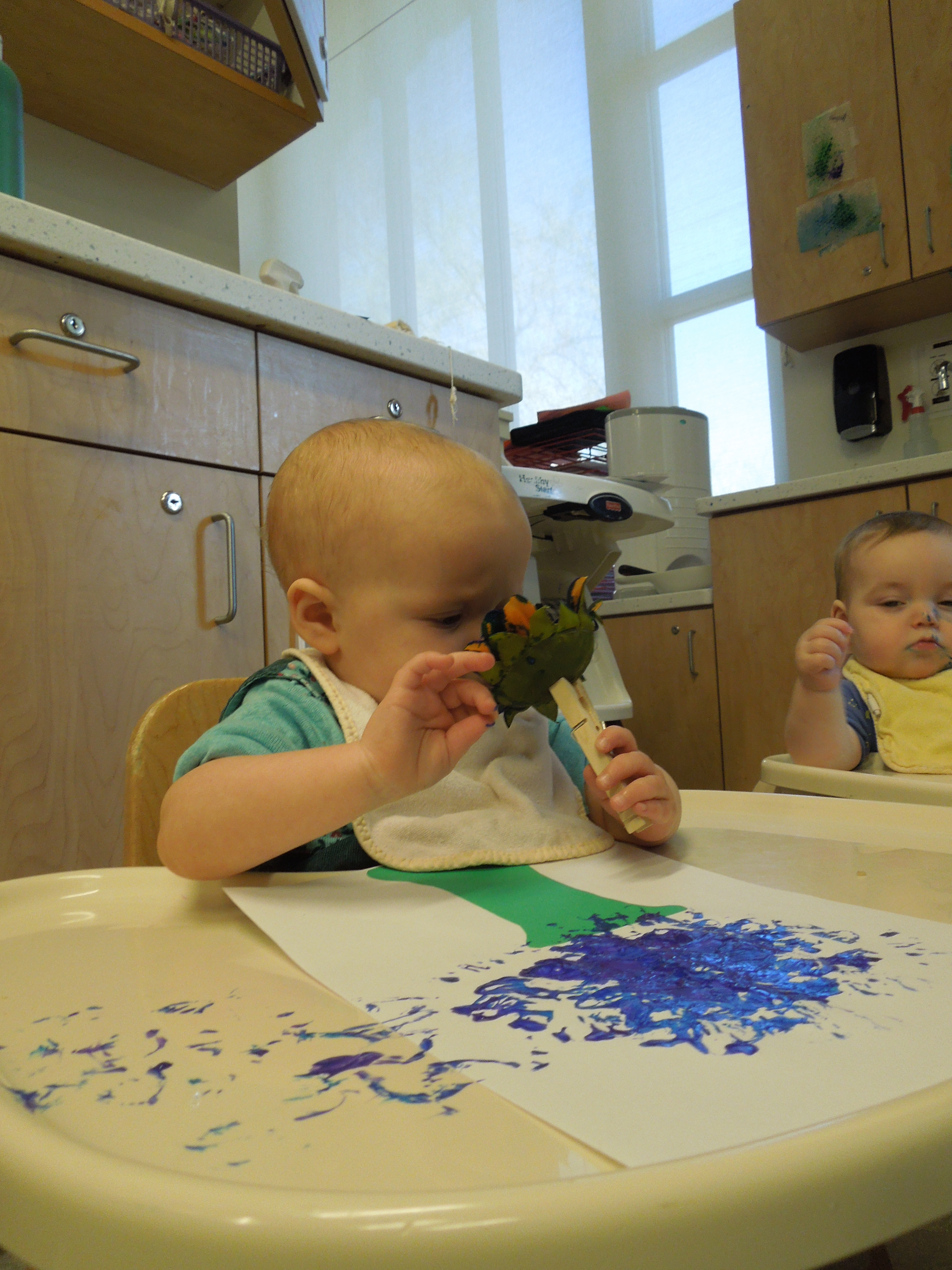
DSCN3012DSCN3030The children were interested in exploring the painted flower in many different ways, including smelling and touching the wet paint.

DSCN3023They had a great time!


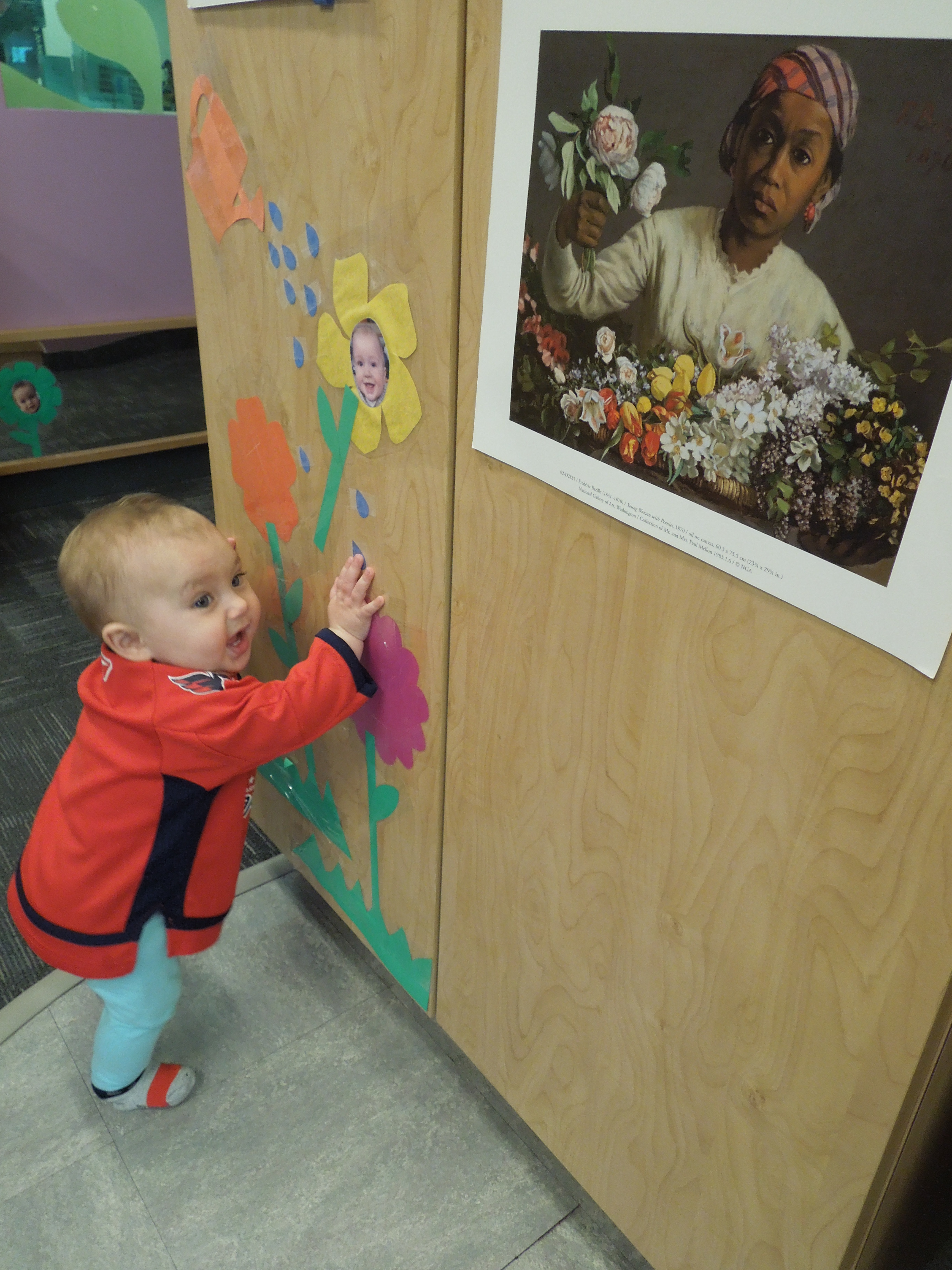
DSCN3045The teachers decorated their room with images of flowers, art prints, and images of the children. After painting, this little girl came over to check out the paper flowers on the wall.

This class had a wonderful time learning about flowers! Be sure to check back for our Teacher Feature next week!